The Ultimate Guide to Scheduling Substack Notes: Tools, Trends, and Strategic Implementation

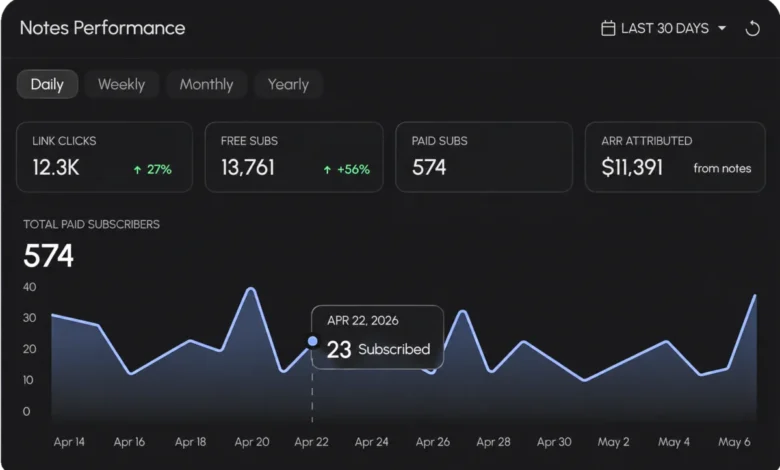
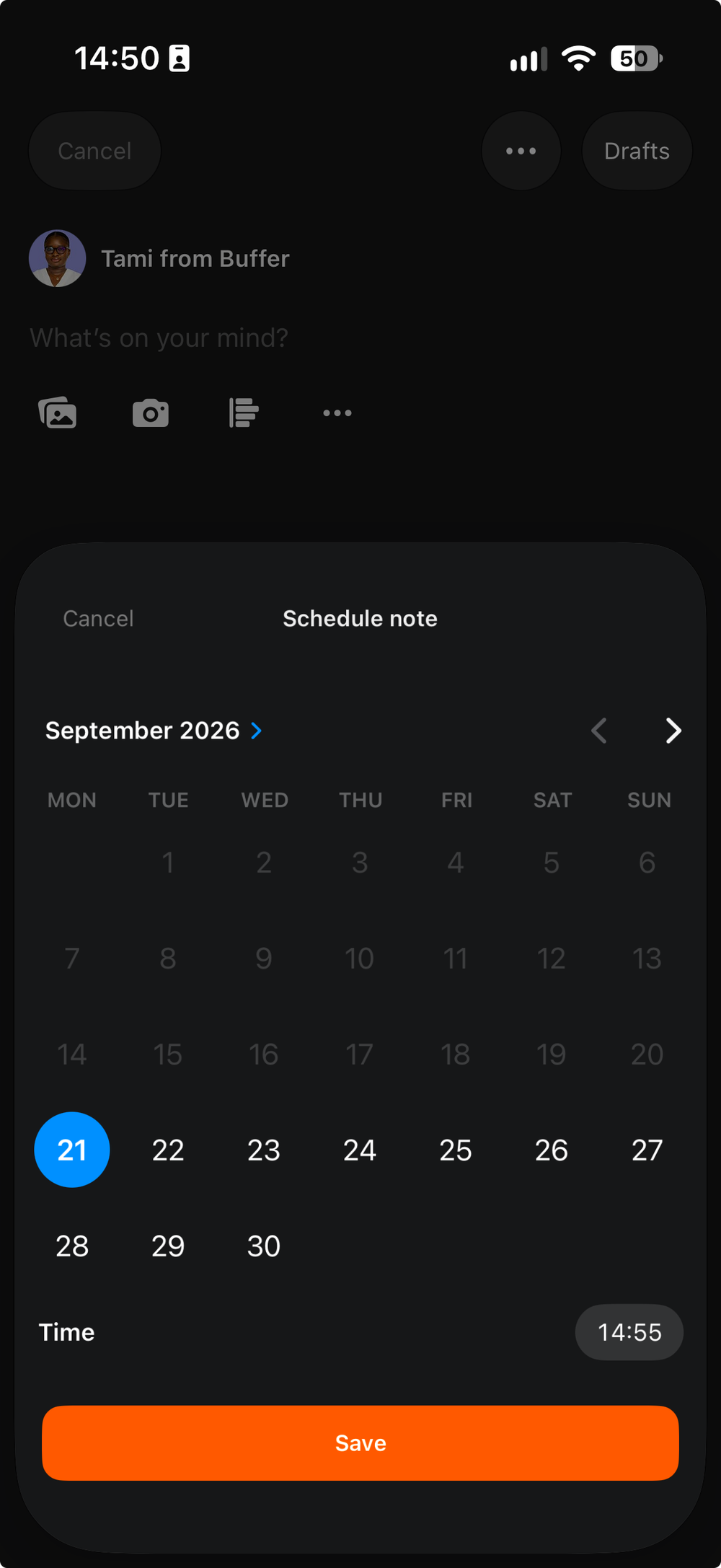
For years, the Substack ecosystem was characterized by a distinct lack of automation, forcing creators to manually publish every update, post, and Note in real-time. This constraint created a significant barrier for professional writers who manage multi-platform content strategies and require consistent output to maintain audience engagement. However, the landscape shifted significantly in the spring of 2026 when Substack introduced a native scheduling feature, followed rapidly by a wave of third-party integrations. This development has transformed how independent publishers manage their workflows, enabling a more data-driven and efficient approach to audience growth.

The Evolution of Substack Automation
The demand for scheduling tools was not merely a convenience request; it was a response to the changing nature of digital publishing. As Substack transitioned from a pure-play newsletter platform to a social-media-style network via the introduction of "Notes," writers faced an identity crisis. They were expected to be newsletter authors, long-form essayists, and micro-bloggers simultaneously.
Historically, the absence of an API for public developers made automation nearly impossible. It was not until late 2025 and early 2026 that Substack began to open its ecosystem, acknowledging that to compete with platforms like X (formerly Twitter) or Threads, it needed to respect the time constraints of its power users. The spring 2026 update, which allowed native scheduling on both web and mobile, was the turning point. It signaled that the company was prioritizing "writer retention" by reducing the manual friction associated with daily platform activity.
Native Functionality Versus Third-Party Ecosystems
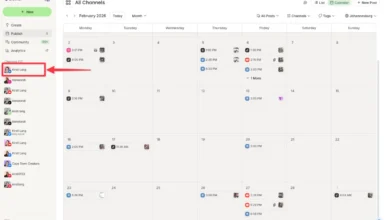
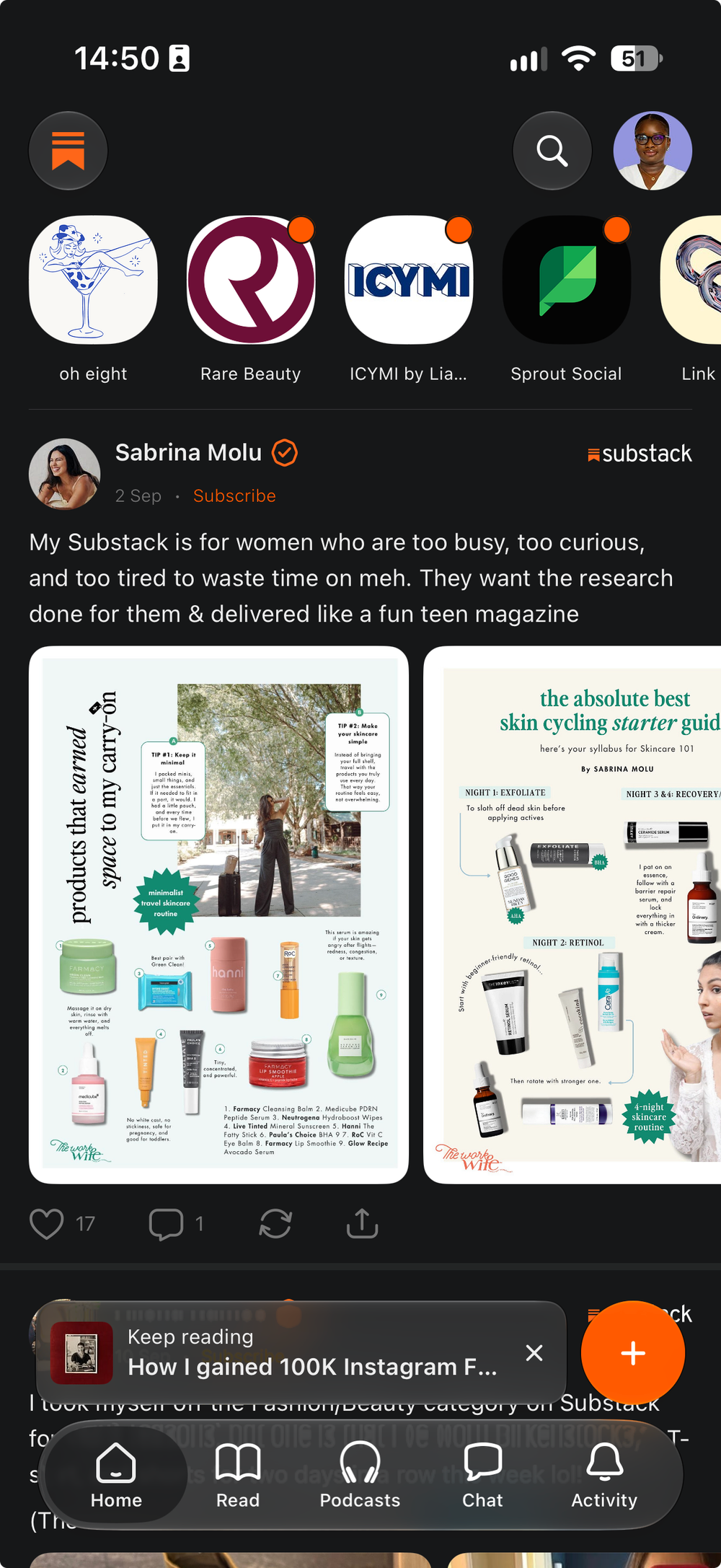
While Substack’s native scheduler serves the needs of casual writers, it remains limited in scope. It allows for single-post scheduling up to three months in advance, but it lacks the bulk-management capabilities required by agencies or high-volume creators. This limitation created a market opportunity for third-party developers, leading to a bifurcated landscape of tools: those that utilize Substack’s official API and those that rely on browser-based automation or session emulation.
The distinction between these methods is critical for security and reliability. Tools like Buffer, which utilize direct API connections, offer a level of stability and security that browser-extension-based tools—which may require active session cookies—cannot guarantee.
Comparative Overview of Scheduling Solutions
The current market for Substack scheduling software is diverse, catering to different segments of the creator economy:
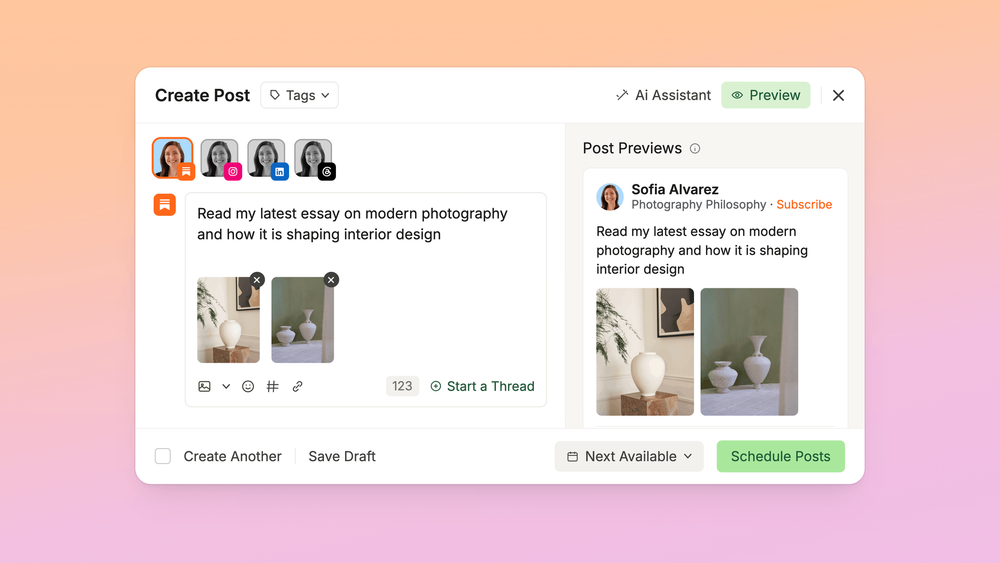
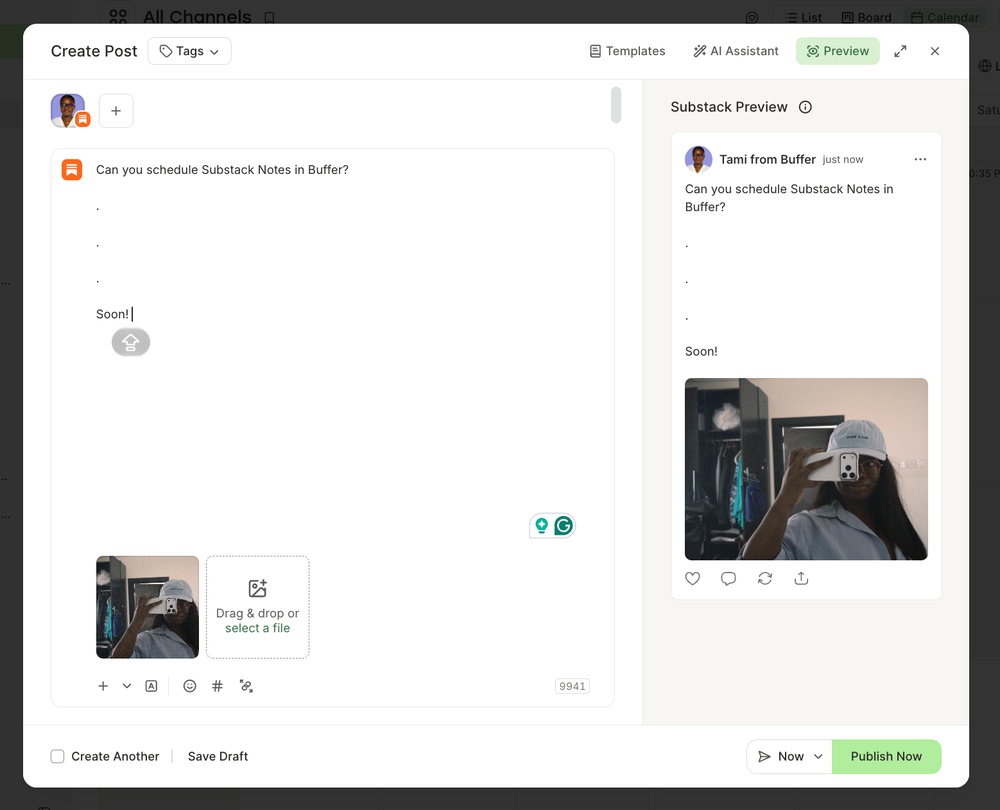
- Buffer: Positioned as the premier choice for cross-platform creators. By allowing users to synchronize Substack Notes with LinkedIn, Threads, Bluesky, and X, it addresses the "nuisance" of manual copy-pasting. Its free plan is particularly notable for accessibility, supporting up to three channels, which lowers the barrier to entry for emerging writers.
- WriteStack: Designed specifically for the power user, this tool focuses on deep analytics and research integration. By utilizing a Chromium-based extension, it provides a specialized environment for creators who exist exclusively within the Substack ecosystem but require professional-grade data on subscriber conversion.
- Typefully: Originally optimized for the X-first crowd, its integration of Substack Notes into a writing-first interface provides a seamless experience for those transitioning from micro-blogging to newsletter authorship.
- Narrareach: Represents the experimental frontier of AI-assisted publishing. Its ability to ingest long-form articles and automatically synthesize them into a series of Notes highlights a growing trend: the use of artificial intelligence to maximize the "content lifecycle" of a single piece of research.
- StackSweller: A niche, simple-queue solution for users who prefer a "set it and forget it" model. While it lacks the bells and whistles of larger platforms, its focus on cloud-based queuing ensures that posts publish even when the user’s local machine is offline.
Data-Driven Scheduling and Audience Growth
The transition to automated scheduling is fundamentally tied to the "consistency principle." Data from social media management firms suggest that creators who maintain a predictable cadence of publication—often referred to as a "content drumbeat"—see a 20–30% higher rate of subscriber retention compared to those who post sporadically.
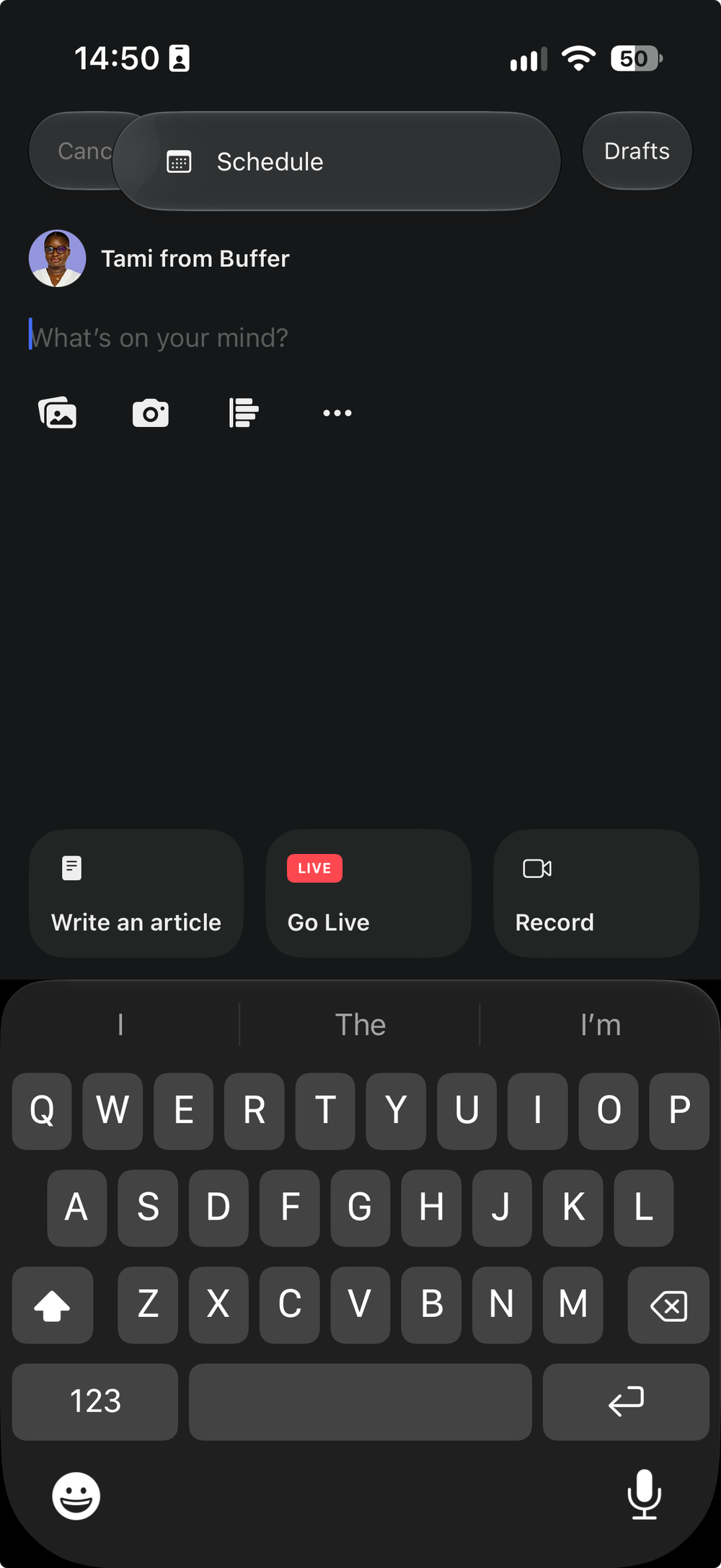
By using schedulers to line up a week’s worth of content in one sitting, writers can engage in "batch creation." This psychological shift is vital; it prevents the "blank page syndrome" and allows creators to align their social media activity with their long-form editorial calendar. Furthermore, the advanced analytics provided by integrated platforms like Buffer allow writers to see which specific Notes lead to actual subscriber acquisition, rather than just superficial vanity metrics like "likes."
Security Considerations and Technical Risks
When choosing a scheduler, writers must weigh the technical implementation. There are three primary methods currently in use:
- Official API Integration: The gold standard. Data is passed directly from the scheduler to Substack’s servers. It is the most secure and reliable method.
- Browser Extensions (Chromium-based): These run locally on the user’s computer. While they offer deep integration, they require the browser to be open or the session to remain active, which can lead to failures if the machine enters sleep mode.
- Session Emulation: Some tools store a user’s session cookie to "act" as the user. This is the least secure method and carries the risk of account flagging or session expiration, requiring the user to manually re-authenticate periodically.
The Broader Impact on the Newsletter Economy
The rise of these tools marks the maturation of the independent publishing industry. Just as the printing press, the desktop publisher, and the CMS (Content Management System) democratized information in previous eras, the automated scheduler is democratizing the distribution of information for the individual creator.
Professionalizing the workflow allows writers to spend more time on high-value tasks, such as investigative reporting or community building, rather than the menial labor of posting links across four different social networks. As Substack continues to iterate on its own native tools, the third-party market will likely pivot toward providing deeper, more sophisticated AI-driven insights, perhaps offering predictive modeling on when a Note is most likely to "go viral."
Strategic Recommendations for Creators
For those currently navigating this new landscape, the following strategy is recommended:
- The Assessment Phase: Begin by auditing your current distribution. If you are a Substack-only creator, the native tool is sufficient. If you are leveraging social media to build your funnel, prioritize tools with cross-platform capabilities.
- The Testing Phase: Utilize the free tiers of platforms like Buffer or Typefully. These tools offer enough functionality to determine if the workflow fits your creative process without an initial financial investment.
- The Scaling Phase: Once you have identified a recurring content schedule, move to a paid tier that provides deep analytics. Monitoring which topics generate the highest conversion to paid subscriptions is the key to scaling a sustainable business.
The shift toward automated scheduling is more than a technical update; it is a fundamental change in the economics of writing. By leveraging these tools, authors can move from a reactive, manual mode of content distribution to a proactive, strategic operation, ensuring their voice reaches the widest possible audience with minimal overhead. As the digital landscape continues to fragment, the ability to centralize and automate will be the defining trait of the successful modern creator.
Related posts: