The Ultimate Guide to Brand Mentions in the Age of AI Search and Modern SEO

In the contemporary digital ecosystem, a company can possess an impeccably designed website, publish stellar content, and offer a frictionless user experience, yet still remain completely invisible to major search engines and artificial intelligence tools. This paradox arises because algorithmic engines—ranging from traditional systems like Google to generative AI models like ChatGPT—no longer evaluate a brand solely on its own digital properties. Instead, these systems aggregate third-party sentiment, external validation, and cross-web credibility to determine entity identity, authority, and recommendation viability.
The Evolution of Digital Discovery and Entity Recognition
Historically, search engine optimization (SEO) relied heavily on technical on-page adjustments and direct backlink acquisition. However, the rise of semantic search, knowledge graphs, and large language models (LLMs) has fundamentally shifted how digital authority is measured. When an authoritative publication, an expert panel, or a niche community thread references a business, it constructs a network of contextual associations. Search engines and AI systems parse this external commentary to build and refine entity-level profiles.

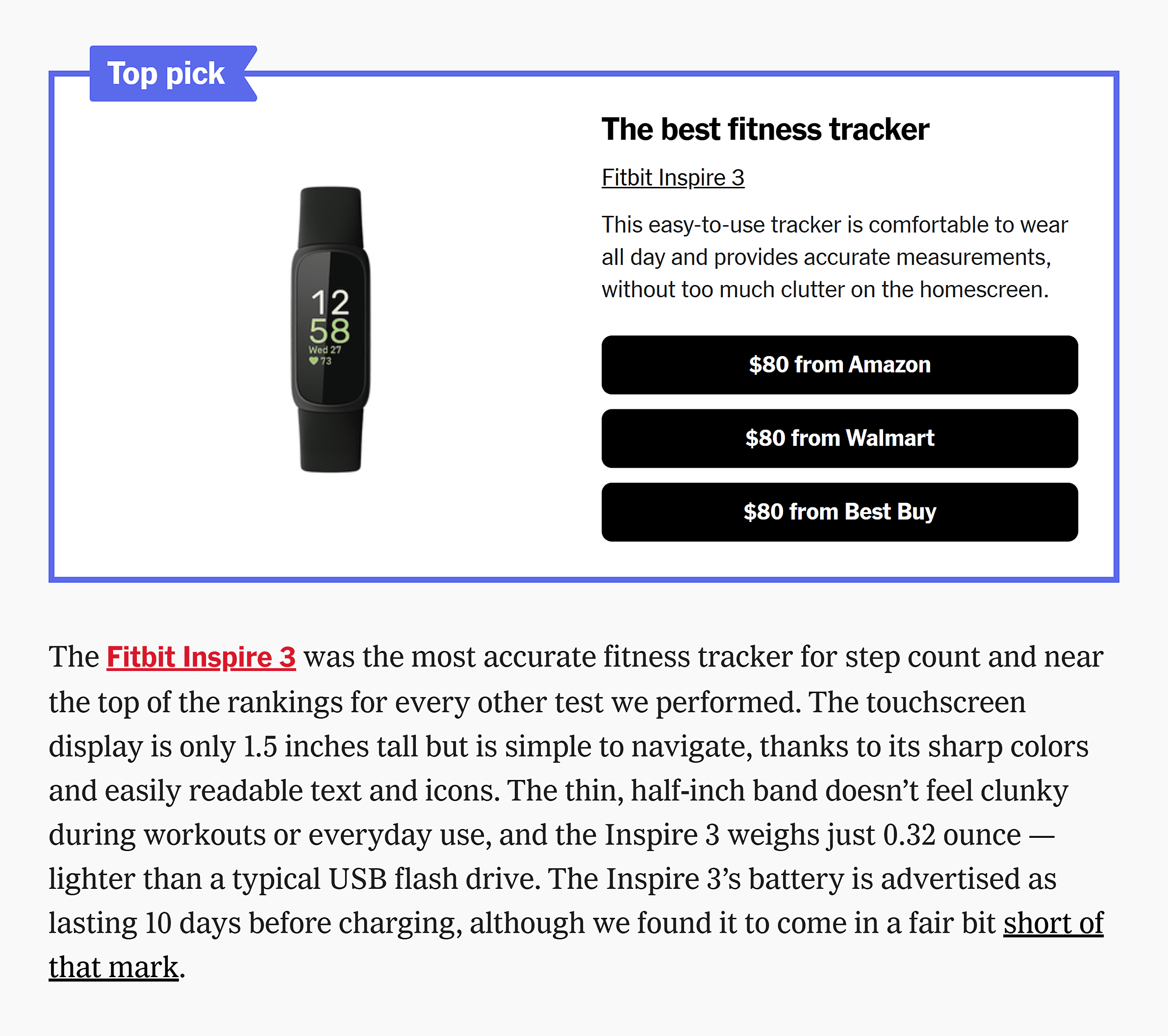
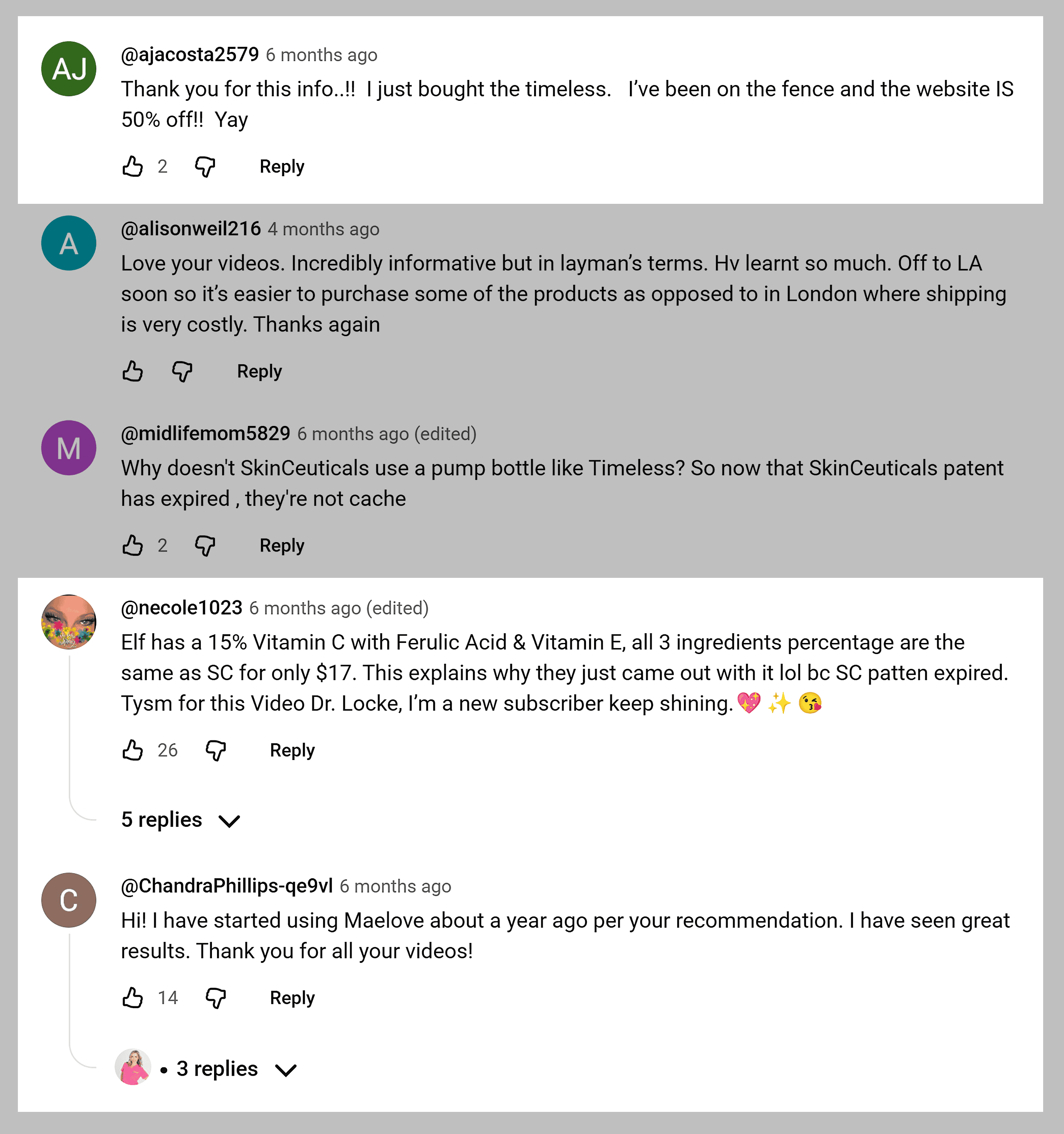
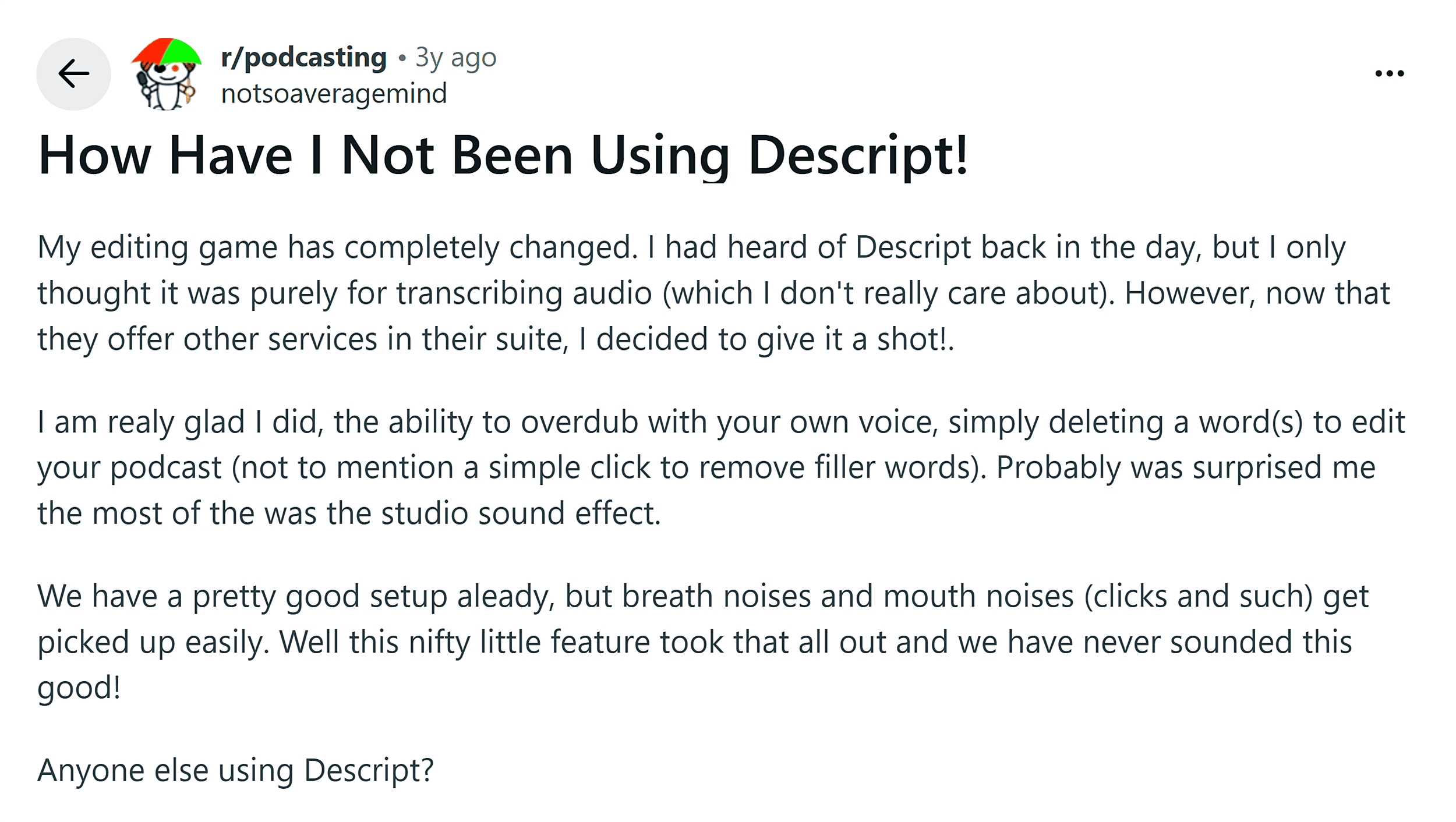
Within this framework, brand mentions are generally categorized into two distinct classifications: linked mentions and unlinked mentions. Linked mentions—such as a product feature in a major daily newspaper accompanied by a direct hyperlink—pass both direct referral traffic and structural domain authority. Conversely, unlinked mentions—frequently found across community platforms like Reddit, independent forums, or unlinked video descriptions—do not generate direct click-through traffic. Nevertheless, unlinked mentions are vital for establishing semantic context, reinforcing brand perception, and signaling topical relevance to AI algorithms that ingest raw textual data from across the web.
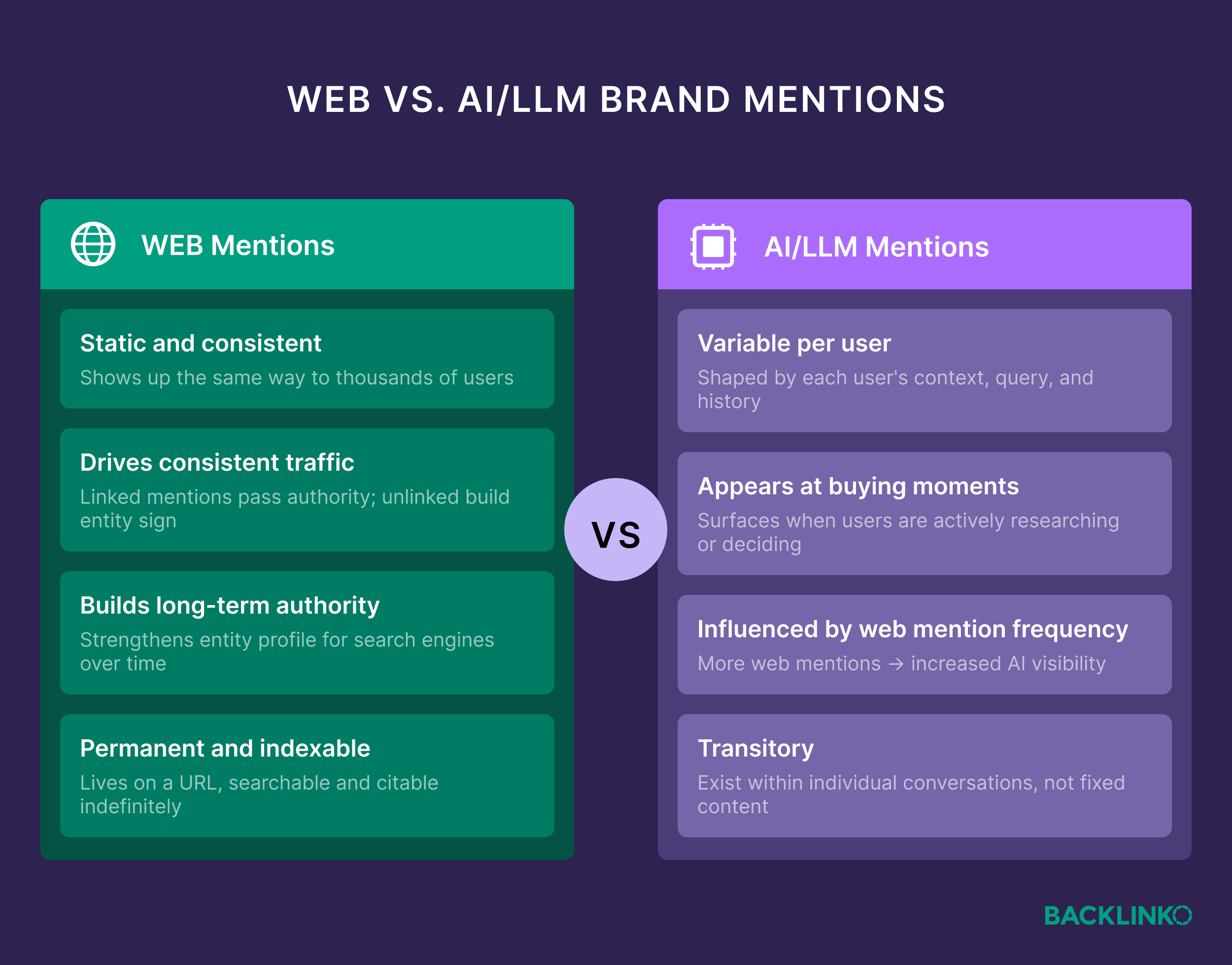
Furthermore, a significant divergence exists between static web mentions and dynamic LLM references. Web mentions are persistent and universal, appearing identically to every user who accesses a specific URL. In contrast, LLM brand mentions are conversational, highly variable, and tailored to an individual user’s specific query history and contextual parameters. Achieving visibility within generative AI responses is ultimately the macro-goal, while systematically cultivating web brand mentions serves as the primary tactical methodology to reach that objective.
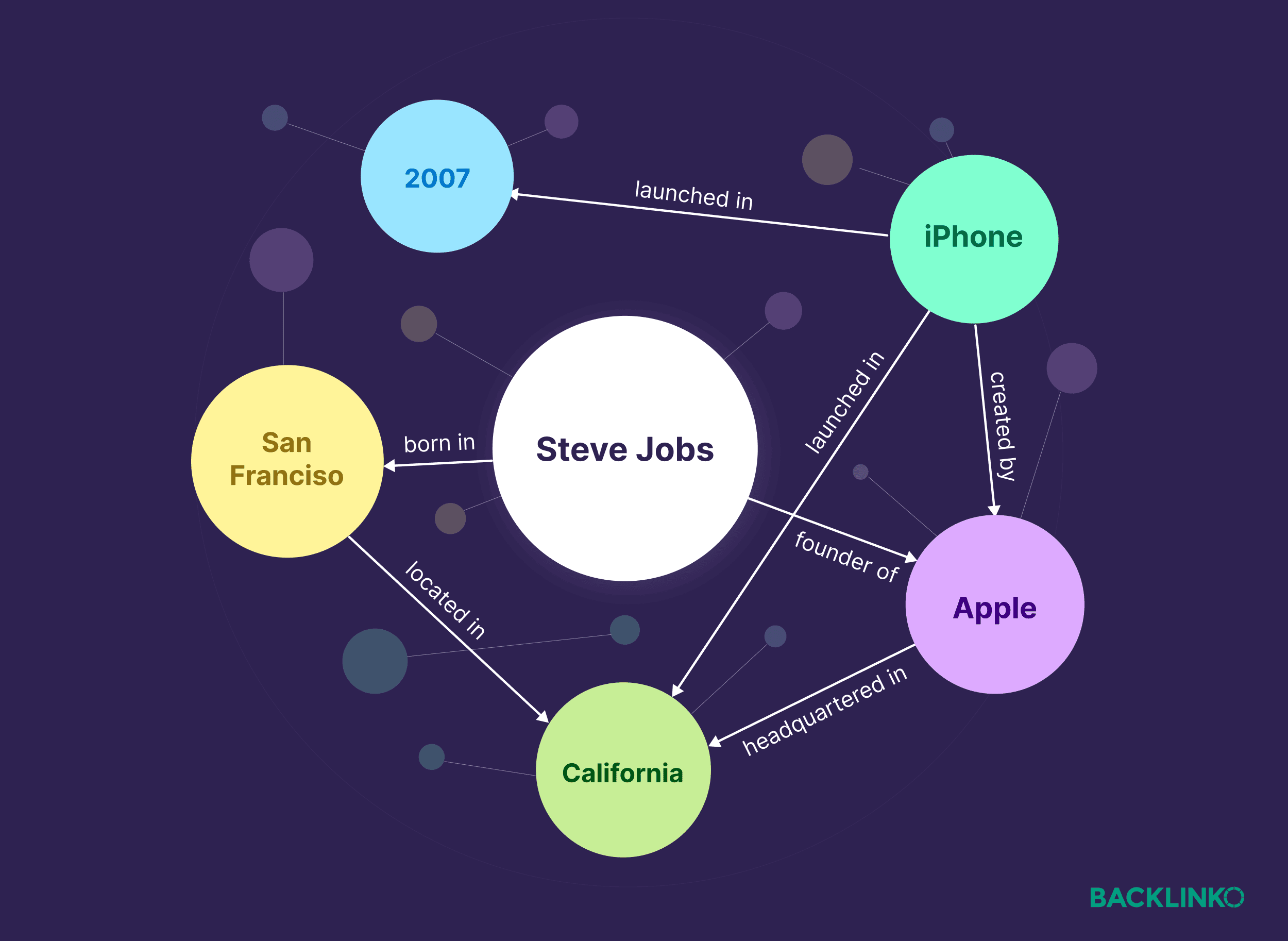
Core Attributes of High-Value Brand Mentions
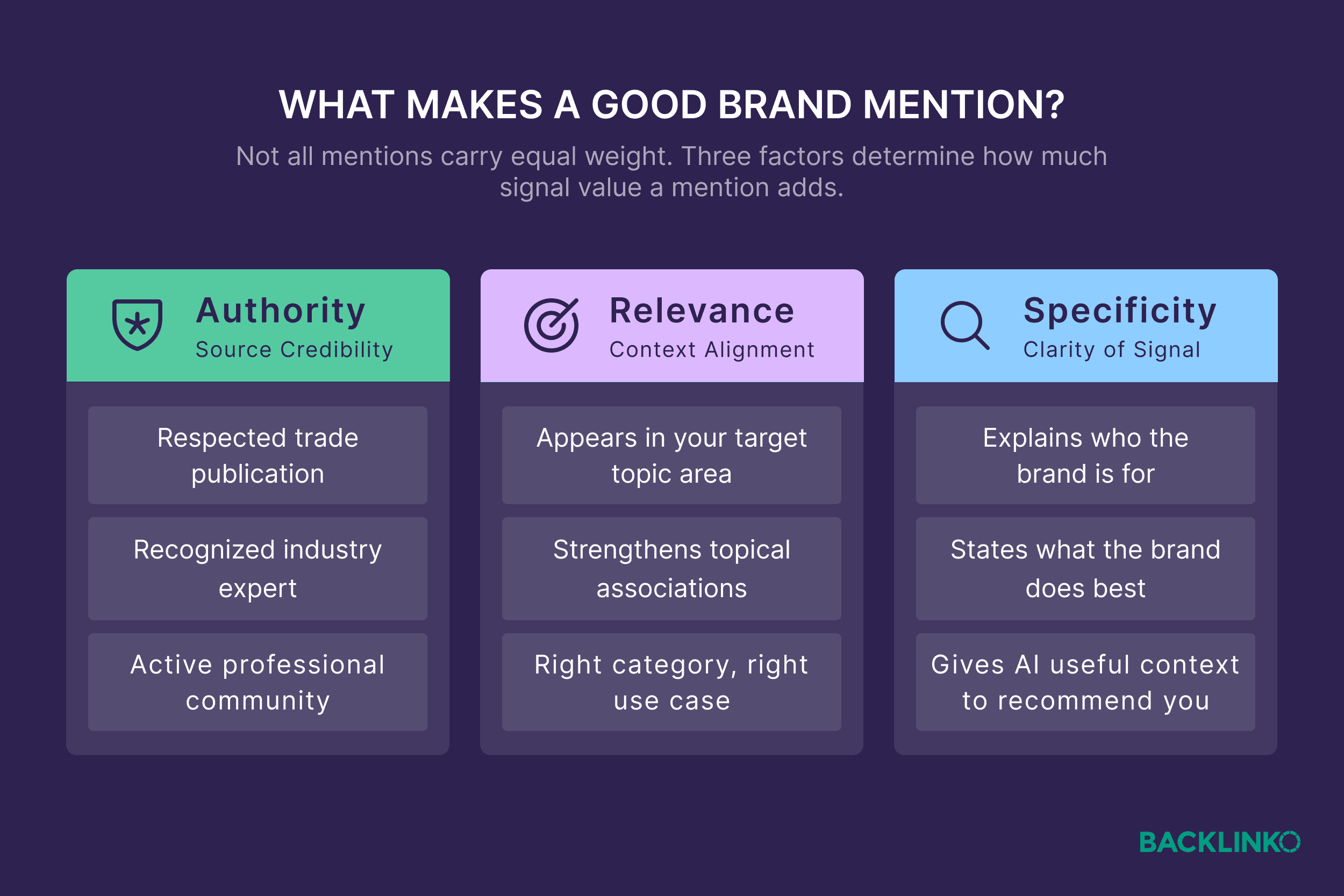
Not all brand references carry equal weight in the eyes of search crawlers and AI models. Industry analysts have identified three critical pillars that govern the quality of any given brand mention: authority, relevance, and specificity.

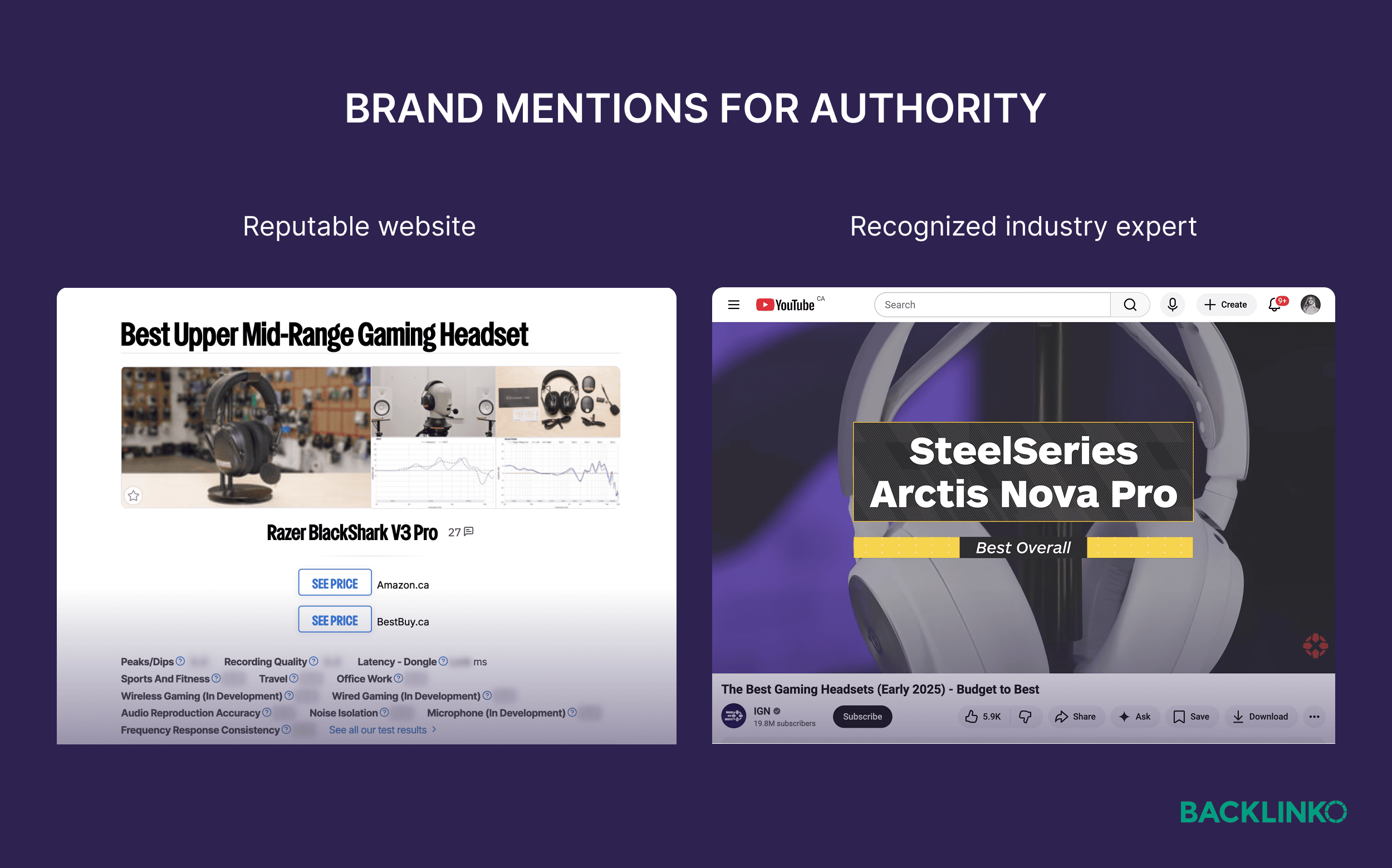
- Authority: The credibility and domain strength of the source publishing the mention. A citation within a recognized, peer-reviewed, or tier-one industry publication carries exponentially more cryptographic and algorithmic weight than a passing reference on an obscure, low-traffic weblog.
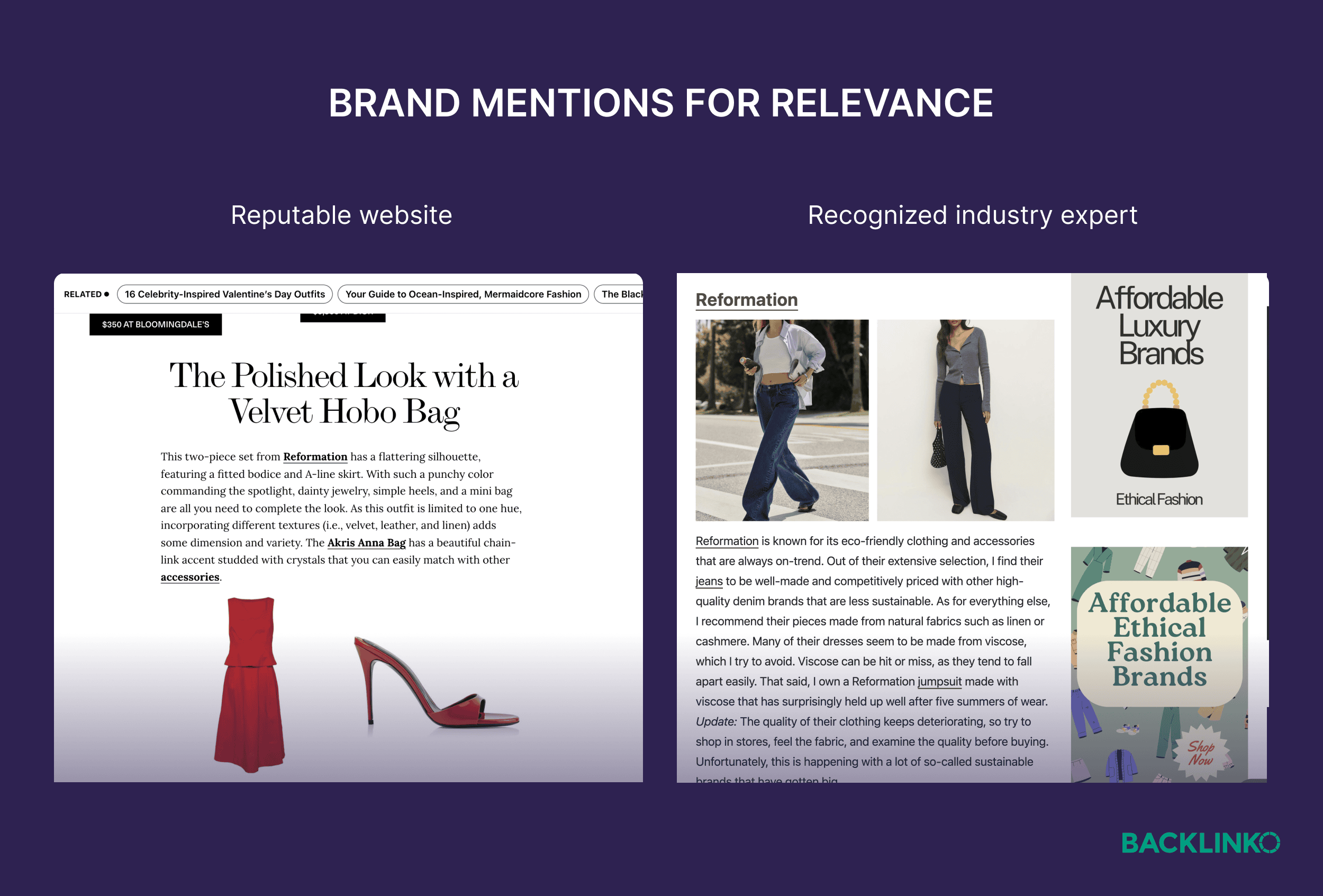
- Relevance: The contextual alignment between the mentioning source and the brand’s specific industry. For maximum impact, a fashion brand should be referenced in publications dedicated to sustainable style or seasonal apparel trends, ensuring topical synchronization.
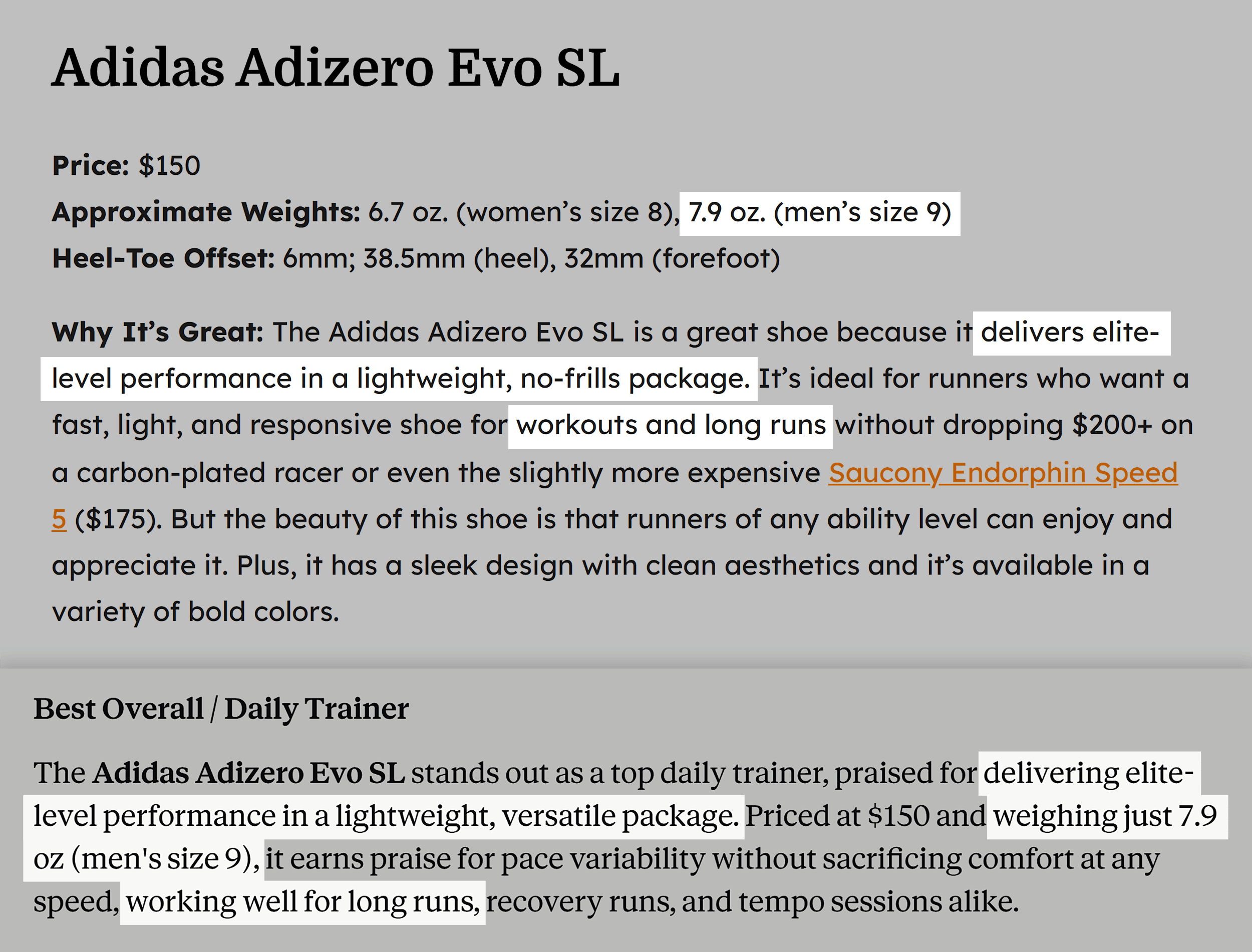
- Specificity: The inclusion of granular details, such as precise use cases, product performance metrics, comparative advantages, or user feedback. When third-party discussions delve into specific features rather than generic praise, search algorithms and LLMs acquire actionable data points regarding what a product does and the exact scenarios where it excels.
Strategic Tactics for Acquiring Valuable Brand Mentions
To systematically enhance digital footprint and algorithmic visibility, organizations must move beyond passive observation and deploy proactive acquisition strategies. Industry leaders have successfully utilized four primary methodologies to secure consistent, high-value mentions.
1. Producing Data-Driven, Citable Content
Original research and proprietary data studies represent one of the most resilient channels for earning persistent brand citations. By investigating unresolved industry debates or answering burning questions within a specific vertical, a business creates an indispensable asset. When researchers, journalists, and bloggers seek empirical evidence to anchor their arguments, citing the originating brand becomes unavoidable. Packaging research with executive summaries, clear methodology breakdowns, and visually digestible charts further accelerates the citation lifecycle across news outlets, trade publications, and professional networks.
2. Executing Co-Created Partnerships and Campaigns
Collaborating with complementary brands on joint initiatives—such as industry summits, co-branded product releases, or strategic public relations efforts—forces search engines and LLMs to process the participating entities within the same contextual sentence structure. This phenomenon, known in information retrieval as co-occurrence, trains algorithms to associate collaborating brands with shared topical domains. When independent industry observers publish event recaps, social media commentary, or product reviews referencing both entities simultaneously, the structural linkage between the brands is deeply reinforced.
3. Amplifying Third-Party Experts and Thought Leaders
Content strategies that prominently feature external experts, practitioners, and industry influencers naturally incentivize those individuals to distribute the resulting material to their respective networks. Rather than burying a single-line quote within an exhaustive roundup, brands that center their content around an expert’s unique methodology or deep interview insights create a symbiotic promotional loop. When the featured expert shares the piece with their dedicated audience, the hosting brand secures organic visibility within previously untapped demographic segments.
4. Contributing Subject Matter Expertise Through Digital PR
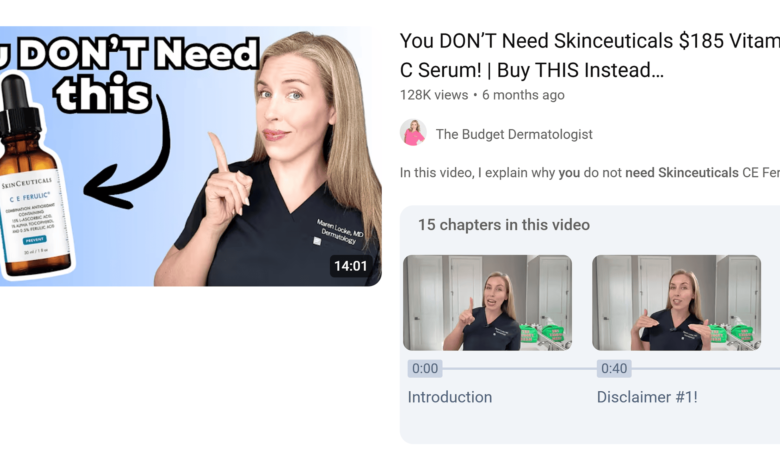
Securing executive placement on niche podcasts, industry webinars, and specialized media interviews allows a brand to inject its unique operational philosophy directly into established communication channels. Rather than pitching aggressive promotional material, successful digital public relations campaigns focus on delivering actionable frameworks, educational playbooks, and transparent industry insights that serve the host platform’s audience. These interviews typically generate multi-channel footprints—spanning show notes, video descriptions, chapter markers, and editorial summaries—all of which serve as prime ingestion material for AI tools.
Tracking, Measurement, and Executive Reporting
Establishing a repeatable brand mention strategy requires rigorous measurement frameworks to evaluate performance and report return on investment (ROI) to leadership teams. Organizations typically deploy three complementary tracking methodologies:
- Google Alerts and Manual Audits: Serving as a foundational, cost-free monitoring layer, Google Alerts captures direct brand name drops and executive mentions across mainstream news outlets. However, because automated alerts frequently miss niche forums and social sub-communities, marketing teams must supplement these feeds with regular manual searches.
- Social Listening Platforms: Enterprise-grade monitoring applications track conversations across social networks, review sites, and discussion boards. These tools provide qualitative metrics, including sentiment analysis, volume spikes, and source channel breakdowns, allowing teams to evaluate public perception shifts following specific PR pushes or campaign launches.
- Backlink and Mention Analytics: Utilizing advanced backlink intelligence tools enables organizations to filter incoming links by specific anchor text parameters. By isolating backlinks that utilize branded anchor text, digital marketers can quantify precisely which external domains are driving contextual brand recognition alongside referral traffic.
When reporting these findings to executive leadership, data should be framed around qualitative impact and strategic growth rather than raw metrics alone. Summarizing periodic performance by highlighting the acquisition of high-authority placements, shifts in positive sentiment ratios, and the expansion of unique domain referrers provides stakeholders with a clear narrative of how brand trust translates into measurable digital authority in the era of AI-driven search.