The Persistent Fallacy of SEO Loopholes and the Strategic Necessity of Human-Centric Marketing

In the fast-evolving landscape of digital marketing, the temptation to exploit technical loopholes remains a perennial pitfall for brands seeking rapid visibility. History demonstrates that these shortcuts, whether they involve PBNs (Private Blog Networks), parasite SEO, or the current trend of mass-produced, low-quality AI content, invariably possess expiration dates. As search engines and AI platforms refine their algorithms to prioritize quality and authenticity, the time and capital invested in these ephemeral tactics often result in long-term traffic suppression and brand erosion.

The trajectory of search engine optimization (SEO) has been defined by a repetitive cycle: new technology emerges, marketers find ways to manipulate it at scale, search providers implement corrective updates, and the sites that relied on manipulation face significant penalties. This cycle has persisted for over two decades, yet many organizations continue to treat search as a game to be won rather than a platform for delivering genuine value.
A Chronology of Algorithmic Corrections
The history of SEO is marked by landmark updates that dismantled entire strategies built on manipulation. In 2012, Google’s Penguin update fundamentally shifted the landscape by penalizing sites that utilized artificial link-building schemes, erasing the rankings of countless businesses overnight. This event served as a stark reminder that rankings gained through non-organic means are inherently fragile.

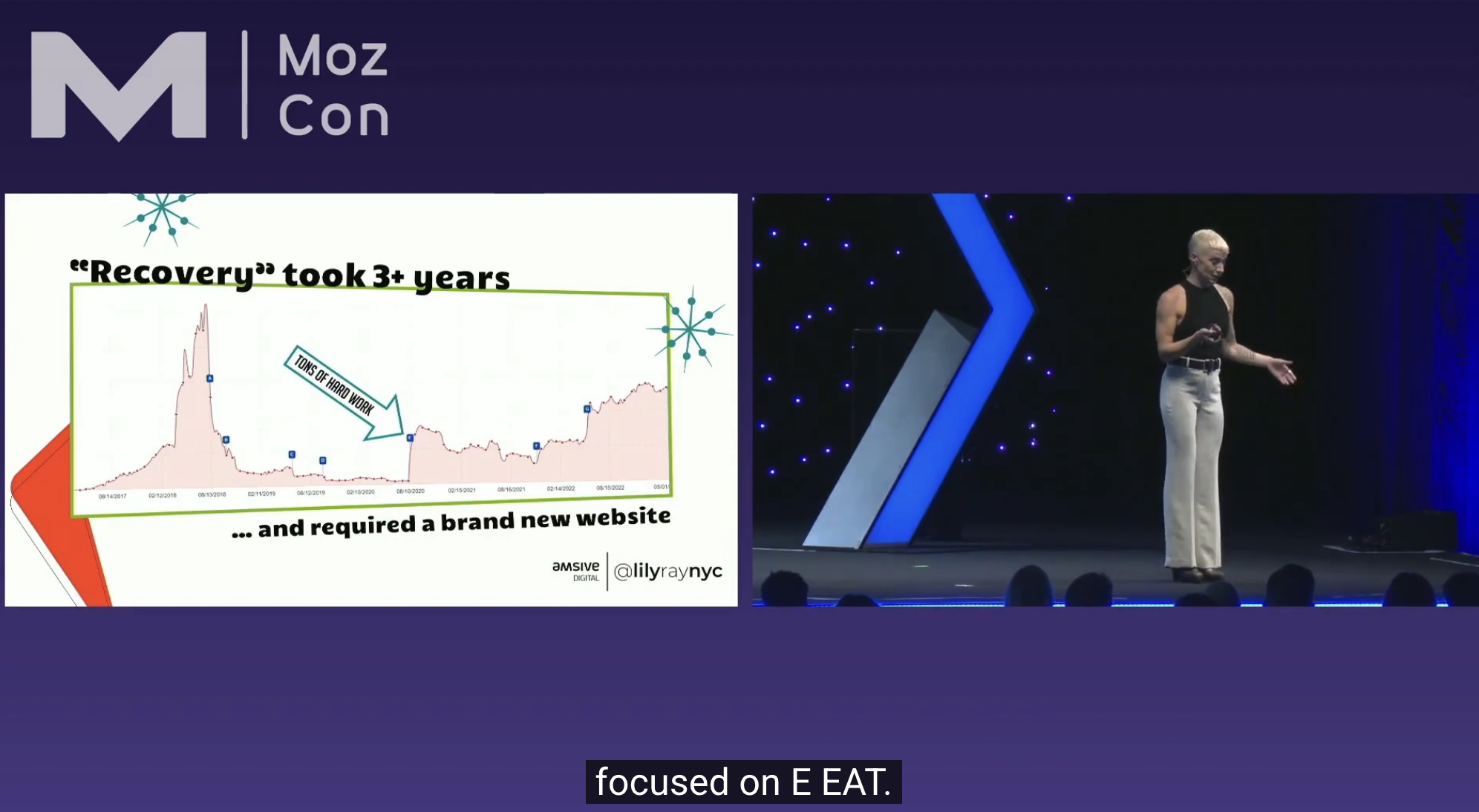
The 2018 Medic update further underscored the necessity of credibility, particularly for "Your Money or Your Life" (YMYL) websites. Sites that had automated their health-related content or lacked identifiable expert authorship were hit hardest. Research indicates that for many businesses, recovery from these algorithmic shifts is not a matter of weeks, but often requires years of rebuilding site infrastructure, establishing verified credentials, and pivoting toward high-quality, human-reviewed content.
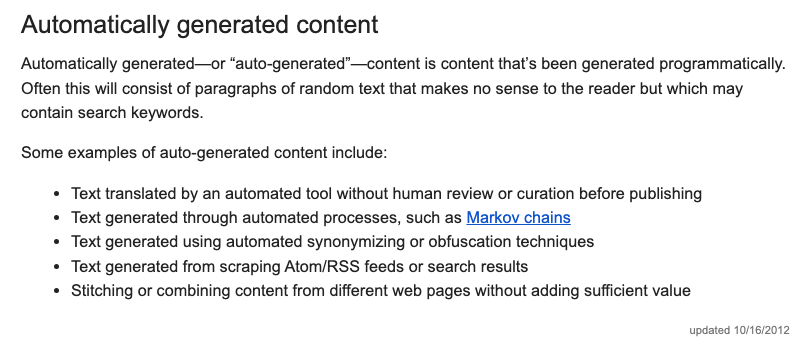
By March 2024, Google had formalized its stance against "scaled content abuse," explicitly targeting content produced via automation, AI, or human-machine combinations that lacks significant human oversight. This policy reflects a maturation of search technology: the system is no longer merely looking for keywords; it is evaluating the authority, expertise, and trustworthiness of the source.
The Evolution of Google’s Quality Guidelines
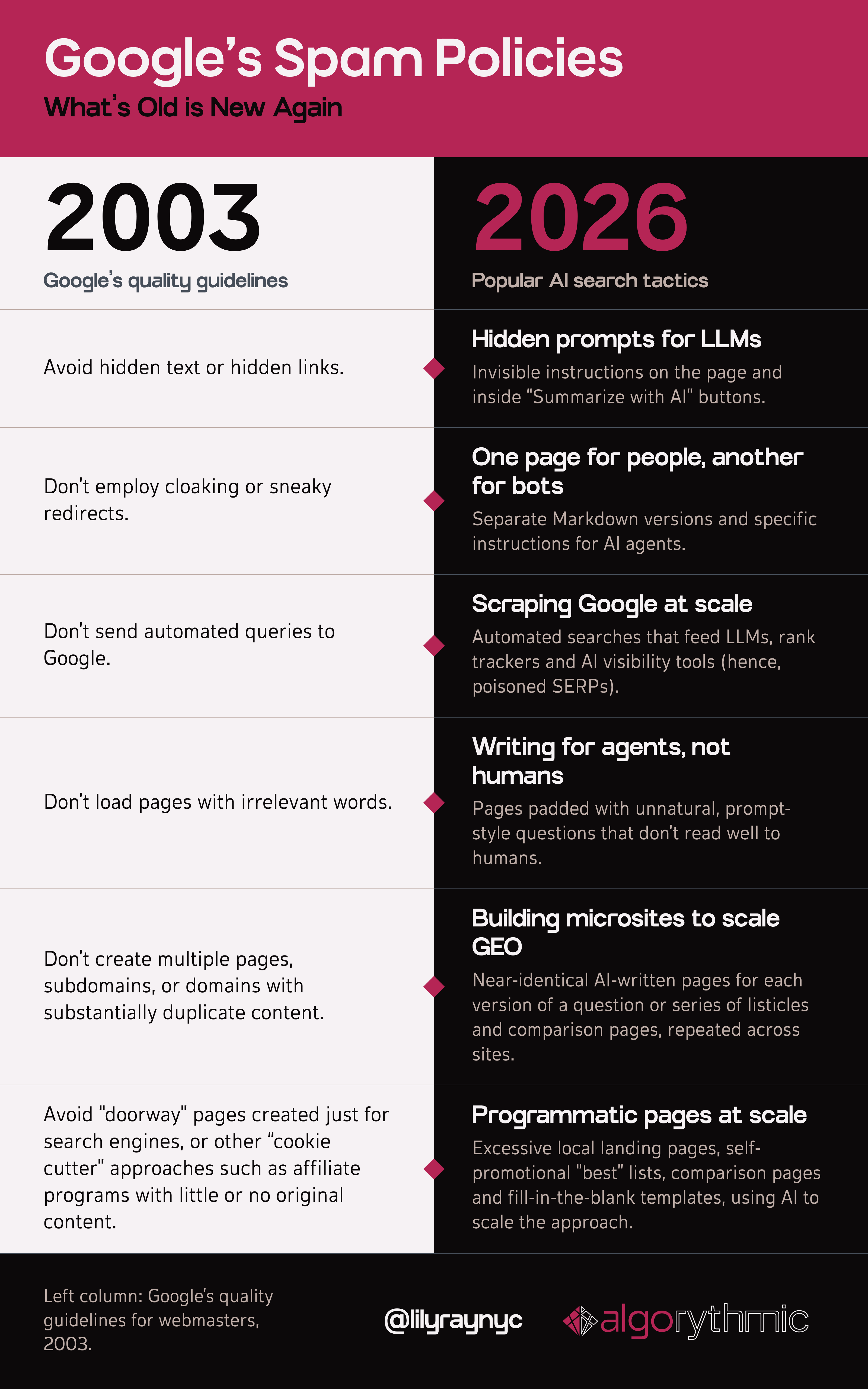
A review of Google’s historical guidelines reveals a remarkable consistency in the company’s core message. As far back as 2003, official documentation urged site owners to prioritize the user experience over search engine manipulation, warning against the use of "cookie-cutter" pages that provided little original value.
The shift toward generative AI has not changed the underlying philosophy; it has only accelerated the necessity for it. While the tools of the trade have evolved from basic automated translation to sophisticated Large Language Models (LLMs), the criteria for "helpful content" remain centered on human contribution. Google’s current Search Quality Rater Guidelines, which mention E-E-A-T (Experience, Expertise, Authoritativeness, and Trustworthiness) over 120 times, emphasize that the most reliable content is that which is created by individuals with verifiable, lived experience.
Data-Driven Evidence for Human-Centricity
Current market data validates the move toward human-led marketing. Studies analyzing engagement across professional networks like LinkedIn show that personal profiles often outperform corporate pages by a factor of two to eight. This disparity highlights a fundamental shift in consumer behavior: audiences are increasingly skeptical of generic brand messaging and are instead seeking the expertise and voice of identifiable practitioners.
Furthermore, empirical data from AI search citations shows a clear preference for platforms that host human interaction. Analysis of AI Overviews and ChatGPT search citations consistently ranks platforms like Reddit and YouTube at the top. These domains succeed because they aggregate firsthand knowledge, debates, and personal experiences—data points that LLMs value because they are grounded in human reality rather than synthesized mimicry.
Conversely, the use of AI-generated headshots and fabricated biographies has been identified as a significant pattern among sites that have suffered sharp declines in organic traffic. Platforms have begun to treat such practices as a form of deception, with both Reddit and YouTube implementing stricter verification and labeling systems to combat "AI slop" and ensure that users can distinguish between authentic human contributions and automated content.
Strategic Implications for Modern Brands
For organizations looking to build sustainable digital authority, the path forward necessitates a departure from volume-based content strategies. Instead, companies should prioritize the following:

- Cultivating In-House Experts: Identifying internal subject matter experts—such as engineers, researchers, or practitioners—and elevating their voices through bylined articles, webinars, and public appearances.
- Building an Authentic Trail: Ensuring that contributors have a verifiable digital footprint, including professional profiles, conference participation, and citations in industry-relevant media.
- Prioritizing Original Research: Shifting resources away from generic listicles toward proprietary data and original analysis that AI cannot replicate.
- Transparency in AI Usage: If AI is used to assist in the content production process, it must remain an assistive tool rather than a replacement for human judgment. Transparency and human editorial oversight are essential for maintaining the integrity of the brand.
The Economic Case for Trust
The rise of "slop fatigue" among consumers is a critical trend for marketers to acknowledge. Recent industry research suggests that a significant percentage of U.S. consumers are losing trust in brand messaging specifically because of the proliferation of low-quality, AI-generated content. In this environment, credibility is no longer just a "nice-to-have" metric; it is a competitive advantage.
Companies that invest in human-centric marketing do not just benefit from improved search rankings; they build a foundation of trust that transcends any single platform or algorithm. When a brand’s authority is tied to the expertise of its people rather than the technical manipulation of search result pages, that authority becomes resilient.

Conclusion: The Future of Search Authority
The future of digital visibility lies in the synthesis of human expertise and digital accessibility. Search engines are moving toward a paradigm where they act as curators of human wisdom, rewarding the entities that provide the most credible, experienced, and trustworthy perspectives.
The lesson from two decades of SEO history is clear: there is no shortcut to sustainable authority. While the temptation to chase the next technical loophole persists, the most effective strategy for the modern era is the most traditional one: investing in people, fostering genuine expertise, and building a reputation that is earned through consistent, high-value contributions to the public discourse. In an age of infinite automated content, the most valuable commodity is not the ability to scale, but the ability to prove that there is a real, knowledgeable human behind the message.