Inkedjoy vs Printify: A Comprehensive Analysis of Leading Print-on-Demand Platforms for Modern E-commerce

The global print-on-demand (POD) market has undergone a significant transformation over the last decade, evolving from a niche fulfillment model into a sophisticated, multi-billion-dollar segment of the e-commerce ecosystem. As digital storefronts become the primary revenue drivers for independent creators and small-to-medium enterprises (SMEs), the choice of fulfillment partner has become a critical strategic decision. Recent competitive analysis indicates that two primary contenders—Printify and Inkedjoy—are dominating the current landscape, each offering distinct advantages tailored to different operational requirements.
Printify, founded in 2015, has established itself as an industry standard by leveraging a vast network of decentralized print providers. Conversely, Inkedjoy, an outgrowth of the established fulfillment service EPROLO, has carved out a specific market niche by focusing on high-end branding capabilities and streamlined logistics for specialized clothing collections.
Chronology and Market Evolution
The rise of Printify mirrors the broader trend of "platformization" in e-commerce. By 2018, Printify had reached a critical mass of active sellers, allowing it to negotiate lower base costs through its Premium subscription model. The company’s growth strategy has focused on horizontal integration, adding support for major channels including Amazon, TikTok Shop, and eBay.
Inkedjoy emerged during a later phase of market maturity, specifically addressing the gap in personalized branding. While many early POD services focused on volume, Inkedjoy entered the space with a "white-label" first approach, targeting creators who view packaging and brand identity as essential to customer retention. Since its official integration into the Shopify ecosystem, Inkedjoy has refined its logistical pipelines, particularly for its US and Australian markets, positioning itself as a boutique alternative to the larger, more generalized networks.

Data-Driven Comparison of Fulfillment Capabilities
When evaluating the financial viability of these platforms, the comparison extends beyond the sticker price of a blank t-shirt. A granular review of cost structures reveals that Printify generally excels in logistics, whereas Inkedjoy provides a more accessible entry point for premium branding.
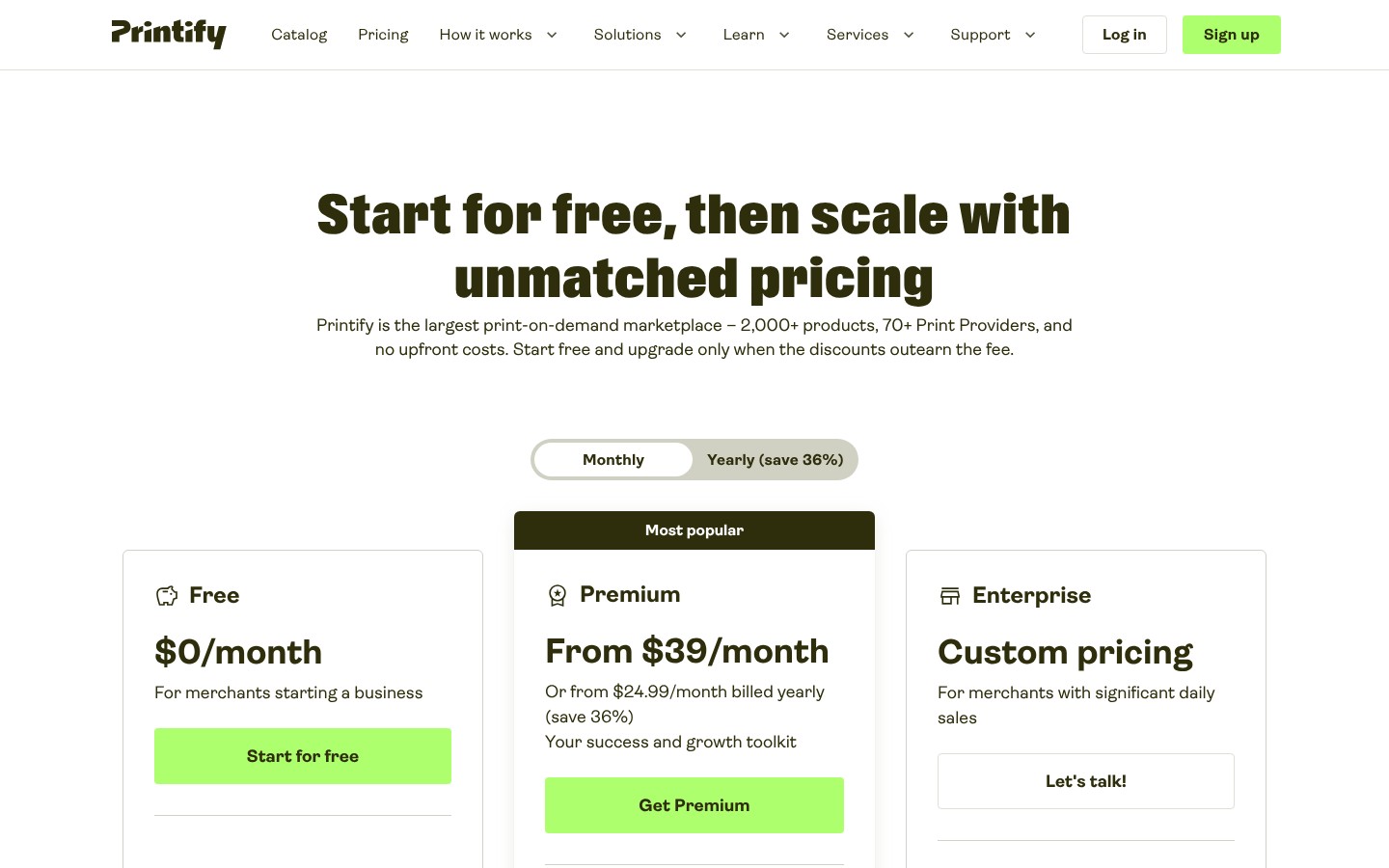
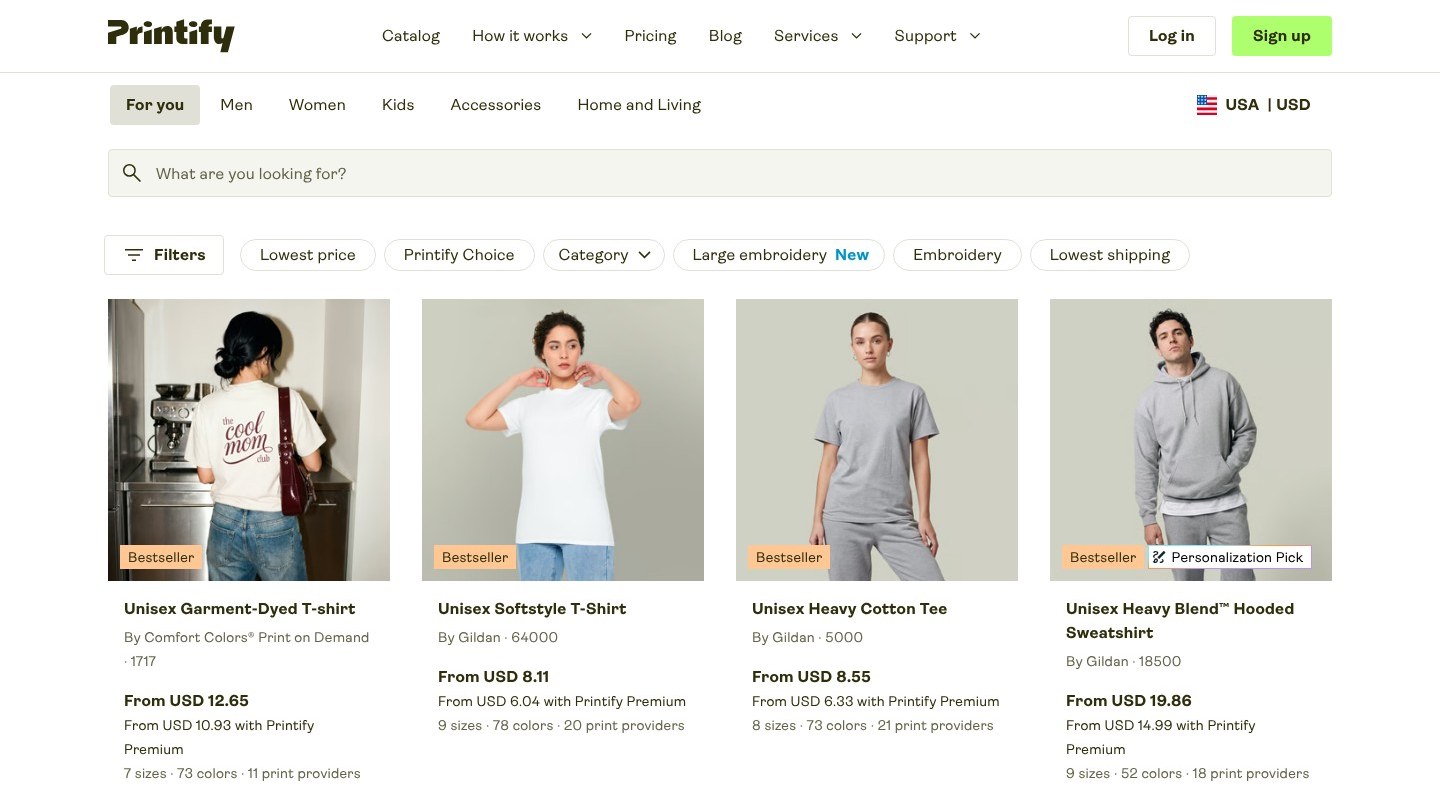
Printify’s model utilizes a "provider choice" architecture. Sellers are presented with a list of production partners, each with varying price points, shipping speeds, and geographic proximity to the end customer. For a standard Gildan 5000 t-shirt, Printify’s base cost often sits near $8.80, but this can drop significantly with a Premium membership. More importantly, their shipping integration allows for "Express" delivery options in the US, which can fulfill orders in as little as 2–3 business days.

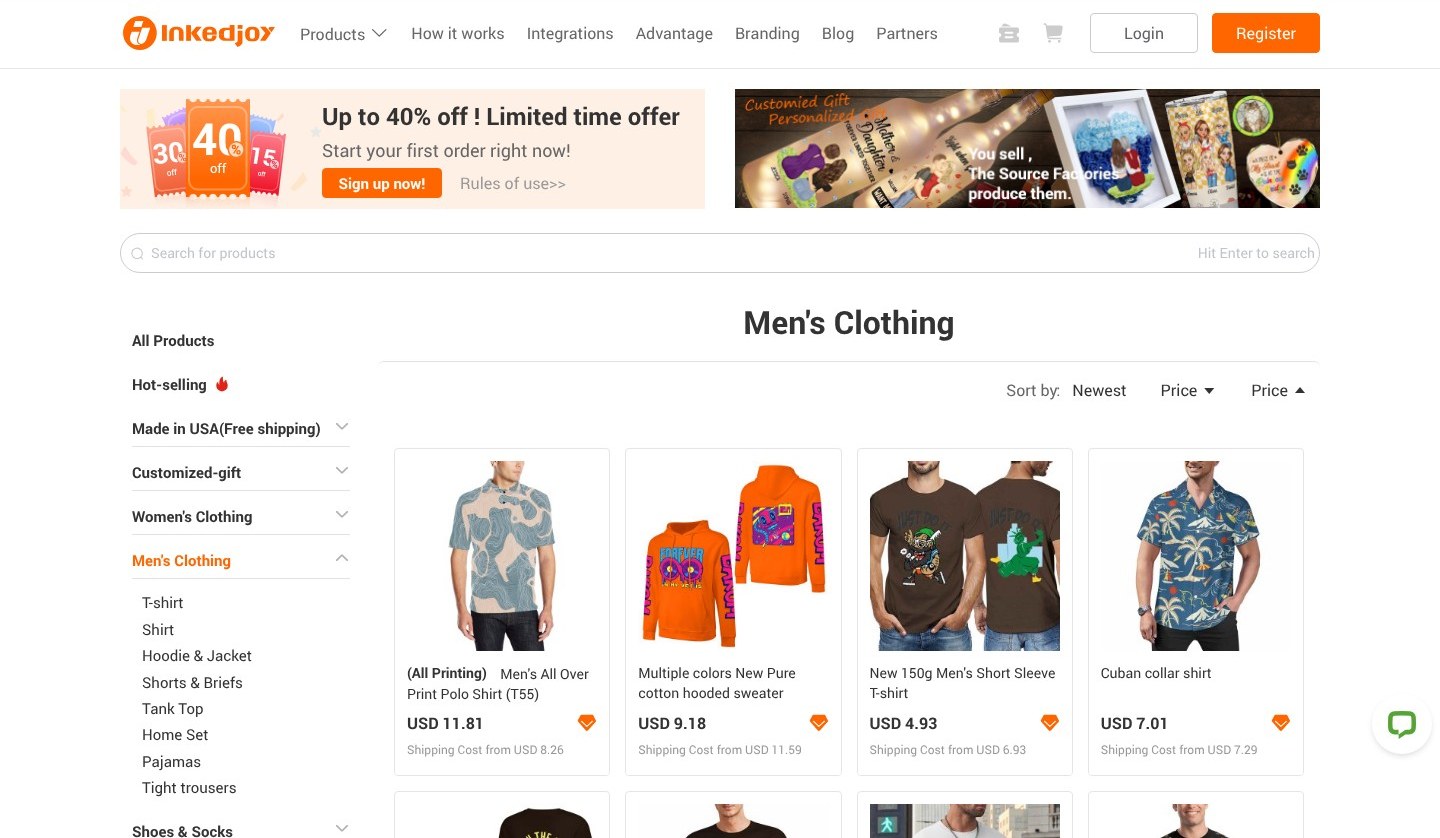
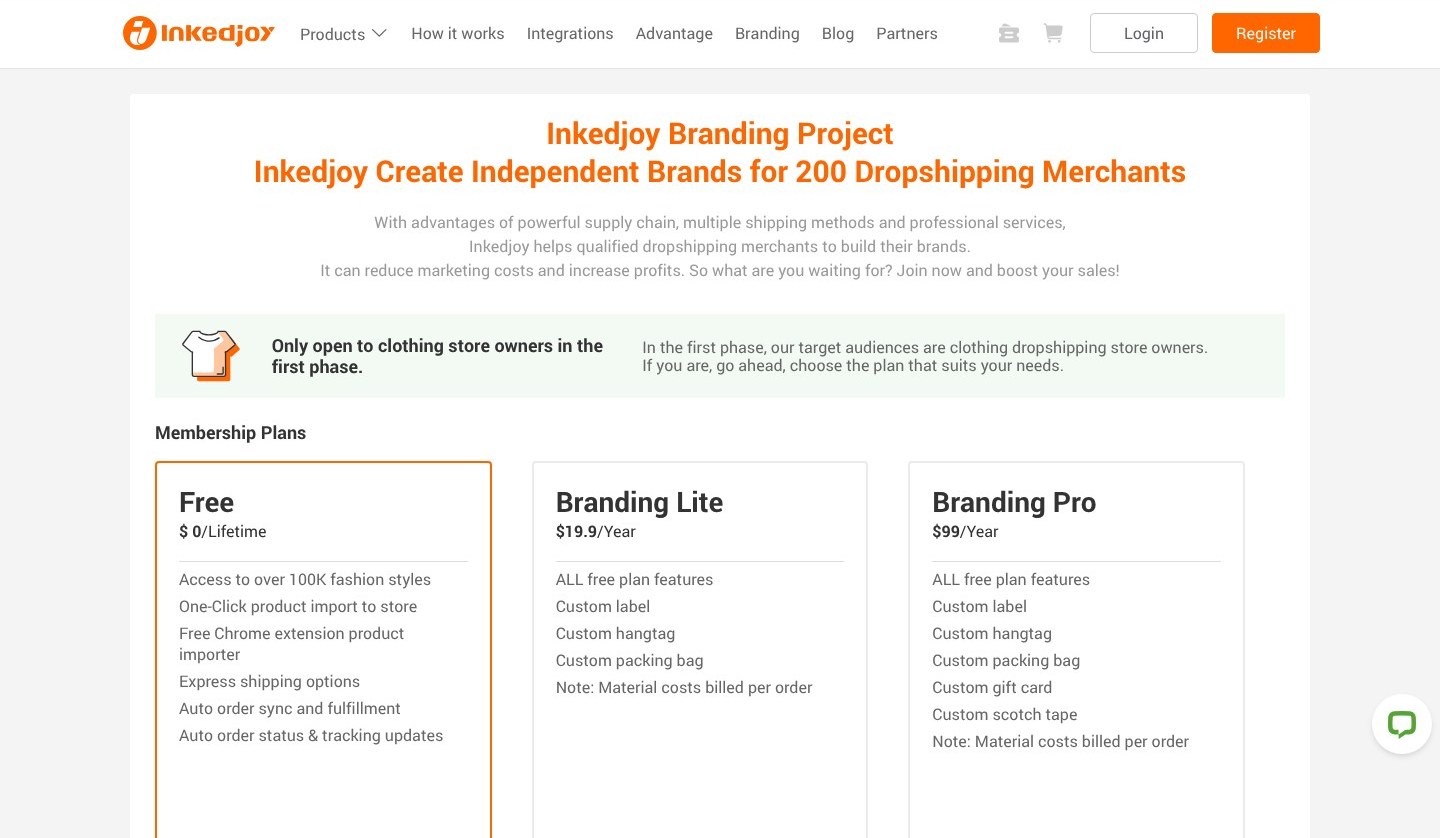
Inkedjoy, by contrast, prioritizes cost-efficiency on the product itself. Their base costs for comparable apparel can be lower than those of Printify’s free tier, often starting around $5.17 for basic items. However, sellers must factor in the additional shipping costs, which typically range from $6.58 to over $11.50 depending on the product weight and destination. The primary differentiator for Inkedjoy is its "Branding Lite" and "Branding Pro" memberships. For $19.90 per year, users gain access to custom hangtags and packaging—a feature set that typically requires higher volumes or more expensive custom arrangements on other platforms.
Strategic Implications for E-commerce Sellers
The decision between these two providers often hinges on the seller’s specific business model. For high-volume stores operating across multiple marketplaces, Printify’s infrastructure is arguably superior. Its ability to sync inventory across Amazon, Etsy, and WooCommerce provides a centralized control panel that simplifies the complexities of multi-channel management. The platform’s 140+ facility network ensures that a store in New York can be served by a nearby printer, reducing the carbon footprint and delivery time—two factors that correlate strongly with customer satisfaction scores.
For independent designers and clothing brands, however, the "brand experience" is paramount. Inkedjoy’s focus on the "unboxing" experience allows small businesses to compete with established fashion retailers. By offering professional-grade packing bags and custom labels without requiring a high minimum order quantity (MOQ), Inkedjoy lowers the barrier to entry for brands that prioritize aesthetic and perceived value over immediate, mass-market scalability.
Industry Analysis and Expert Perspectives
Industry analysts suggest that the divergence between these two platforms represents a broader maturation of the POD industry. "The ‘one-size-fits-all’ era of print-on-demand is ending," notes an industry researcher. "We are seeing a shift where providers are specializing. Printify has essentially become the logistical backbone for the retail industry, while platforms like Inkedjoy are positioning themselves as the creative partner for brand-builders."
From a customer service standpoint, both companies maintain high ratings on major app marketplaces, yet their support methodologies differ. Printify’s 24/7 live chat availability addresses the needs of a global, round-the-clock sales cycle, making it the preferred choice for businesses that cannot afford downtime. Inkedjoy’s support, while perhaps more limited in scope, is noted for its efficiency in handling specialized requests, particularly those regarding product quality and branding consistency.
Technical Integration and Ease of Use
The user experience (UX) design of each platform reflects its strategic priority. Printify’s interface is designed for power users. It offers extensive control over print placement, color profiles, and provider selection. The learning curve is steeper, but it offers a higher degree of customization for professional designers.
Inkedjoy, conversely, offers a streamlined "plug-and-play" experience. The design editor is intentionally simplified to prevent user error. This focus on ease of use is a significant advantage for creators who lack technical expertise or a dedicated design team. By limiting the complexity of the design process, Inkedjoy minimizes the likelihood of misprints or alignment issues—a common pain point in the POD industry.
Future Outlook: Scalability vs. Customization
Looking toward the future, the competitive pressure between these two platforms is expected to drive further innovation in the POD space. Printify is reportedly investing heavily in AI-driven mockup generation and automated design tools to keep pace with the needs of the fast-fashion market. Meanwhile, Inkedjoy is expanding its facility network in Australia and Europe, signaling an intent to compete more directly for global market share.
For the modern entrepreneur, the choice is no longer just about which platform is "better," but which is more aligned with the specific trajectory of their brand. A store focused on rapid, high-volume growth in the US market will likely find that Printify’s logistics and breadth of integrations offer the necessary tools for success. A boutique brand focused on product quality, consistent branding, and an elevated unboxing experience will likely find that Inkedjoy’s specialized service model provides a more effective path to building long-term customer loyalty.
As with any business investment, the most prudent approach remains testing. Before committing to a full product launch, sellers are advised to utilize the free tiers of both platforms to produce sample orders. Assessing the tactile quality of the apparel, the precision of the printing, and the actual transit time to a target customer remains the gold standard for final selection. In an era where customer expectations for speed and quality are at an all-time high, the logistical and branding decisions made at the start of a business journey often dictate the success of the brand in the long term.