The landscape of digital commerce and website promotion has undergone a fundamental transformation, rendering traditional inbound marketing models largely obsolete. For over two decades, the standard playbook for digital visibility relied on a direct pipeline: optimize a corporate website for search engines, drive targeted traffic through targeted ad spend or organic search, and convert those visitors into patrons. However, data from early 2026 indicates that the modern consumer journey has decoupled from the traditional corporate domain, shifting outward into decentralized digital ecosystems.
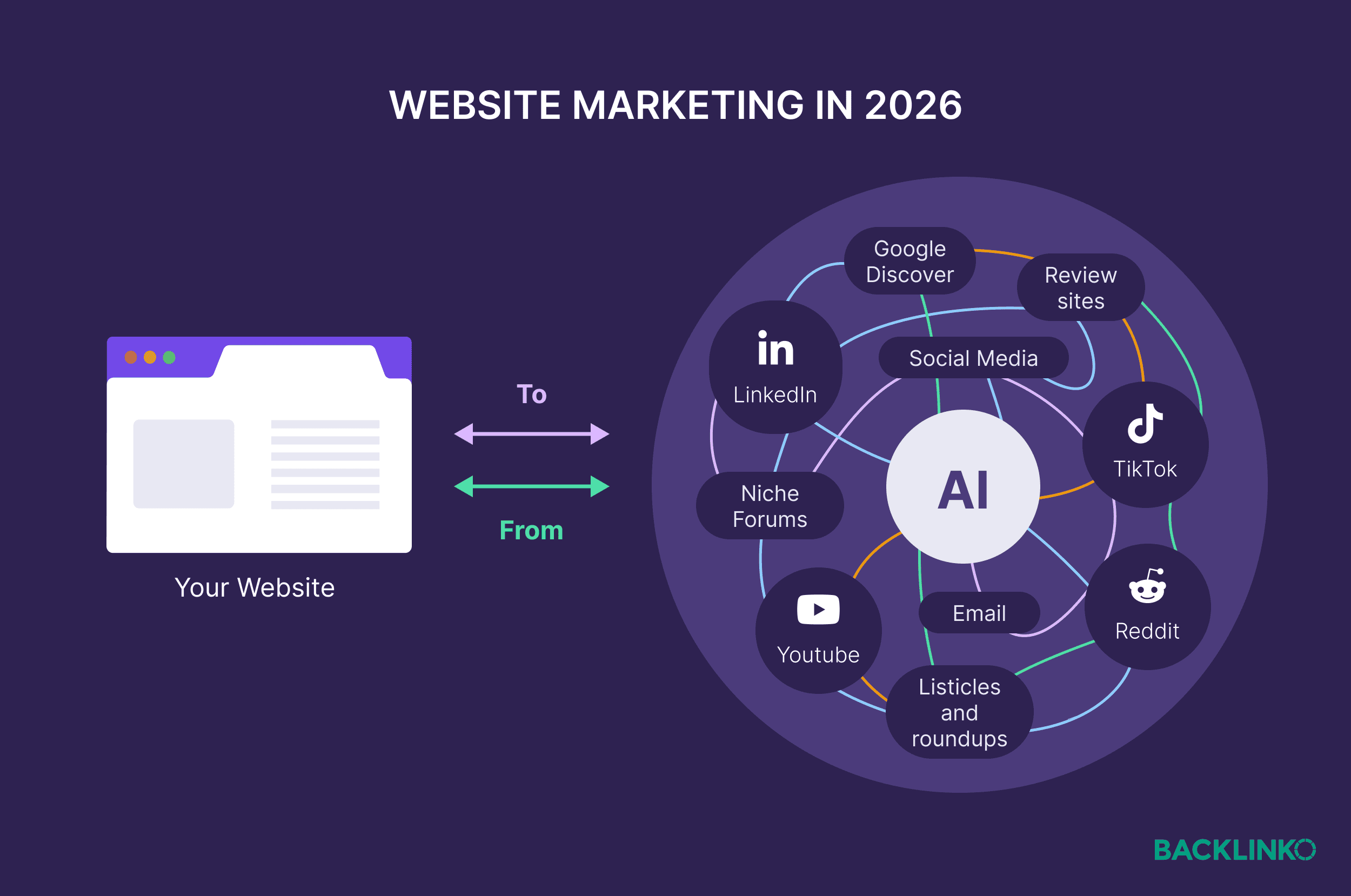
Contemporary buyers rarely make isolated, direct visits to a brand’s homepage without prior validation. Market research published by Clutch reveals that over 65 percent of consumers now utilize generative artificial intelligence tools, peer-to-peer discussion boards, and specialized social media threads to conduct exhaustive preliminary research before ever navigating to a primary business website. Consequently, public perception and brand credibility are increasingly engineered across third-party networks long before a potential customer encounters official corporate messaging.

This behavioral shift has forced digital strategists to redefine success metrics. Website marketing in 2026 is no longer solely about capturing high-volume, top-of-funnel traffic; rather, it focuses on managing a fragmented discovery journey where AI language models and decentralized communities dictate brand authority. If a business lacks visibility, consistent messaging, and validated credibility across these external touchpoints, prospective buyers are unlikely to ever transition to the primary website. Conversely, when users arrive on a domain having already synthesized positive context from external sources, they exhibit significantly higher conversion intent and reduced transaction friction.

Industry analysts note that this decentralized reality requires a complete overhaul of corporate communication frameworks. Organizations must now coordinate their digital presence across seven distinct vectors: optimizing for artificial intelligence discovery, deploying video-first authority models, capturing interest-based algorithmic traffic, refining conversion paths for zero-click environments, amplifying human-led thought leadership, participating authentically in niche communities, and executing disciplined, data-driven content repurposing workflows.

Engineering Brand Perception for Artificial Intelligence and Human Discovery
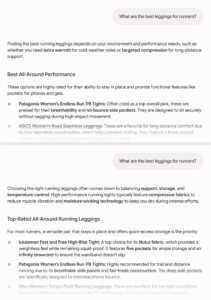
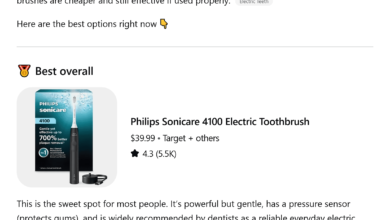
The integration of artificial intelligence into everyday consumer research has given rise to a new optimization discipline. Large language models (LLMs) and conversational search engines do not crawl the internet merely to index keywords; they synthesize semantic meaning, contextual sentiment, and cross-platform consensus to answer user queries. If an enterprise leaves its digital reputation to chance, AI systems will construct narratives based on fragmented online chatter, customer complaints, or competitor positioning.
To counteract this, industry leaders are implementing rigorous brand messaging guidelines designed to synchronize terminology across all public channels. Unlike traditional style guides that focus solely on visual aesthetics and tone of voice, modern brand documentation explicitly defines the core categories, primary value propositions, and specific problem statements associated with an enterprise. By ensuring that employees, external partners, PR agencies, and affiliate networks repeatedly utilize standardized phrasing, companies create linguistic consistency that both human users and LLMs easily recognize and categorize.
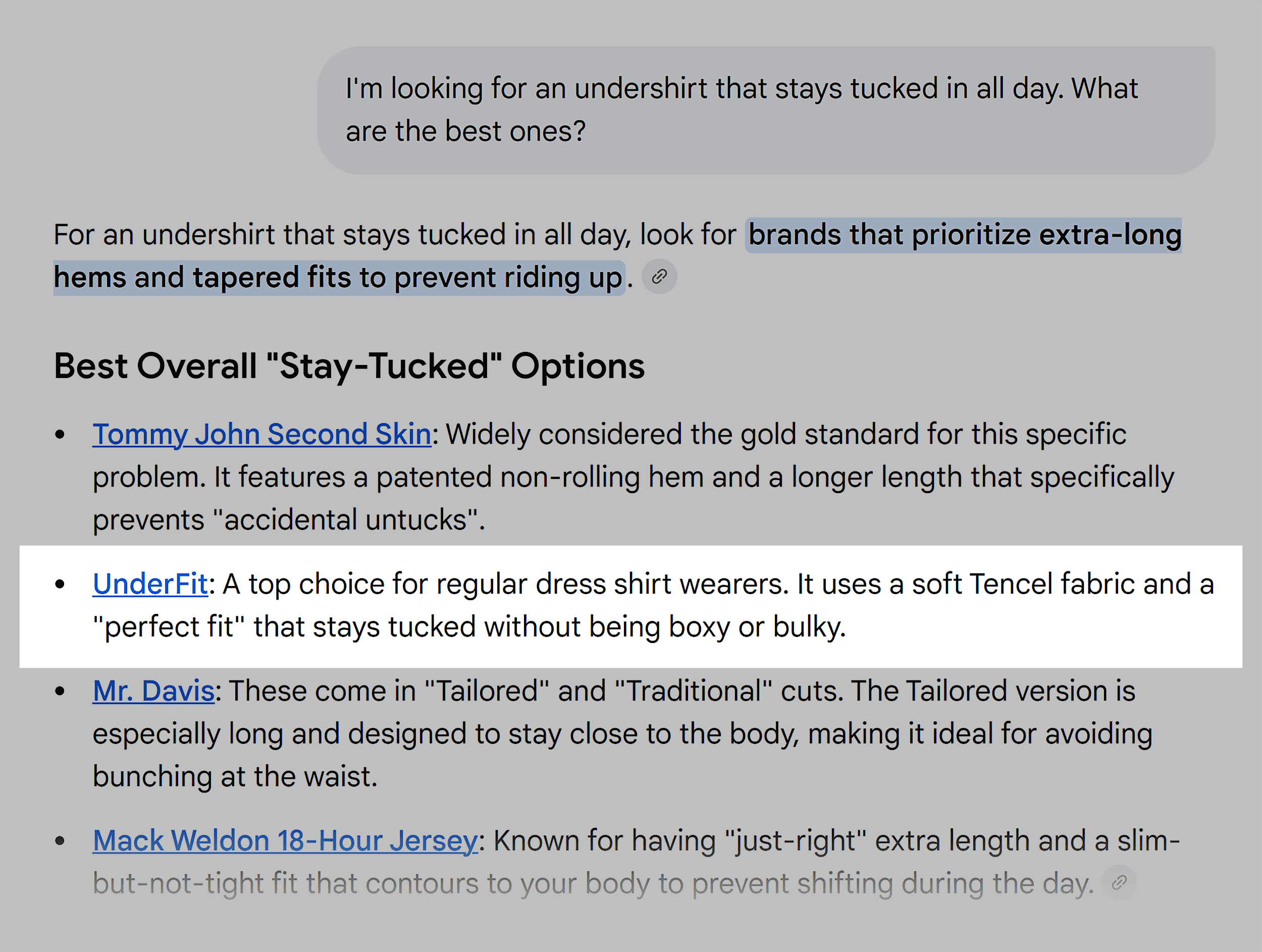
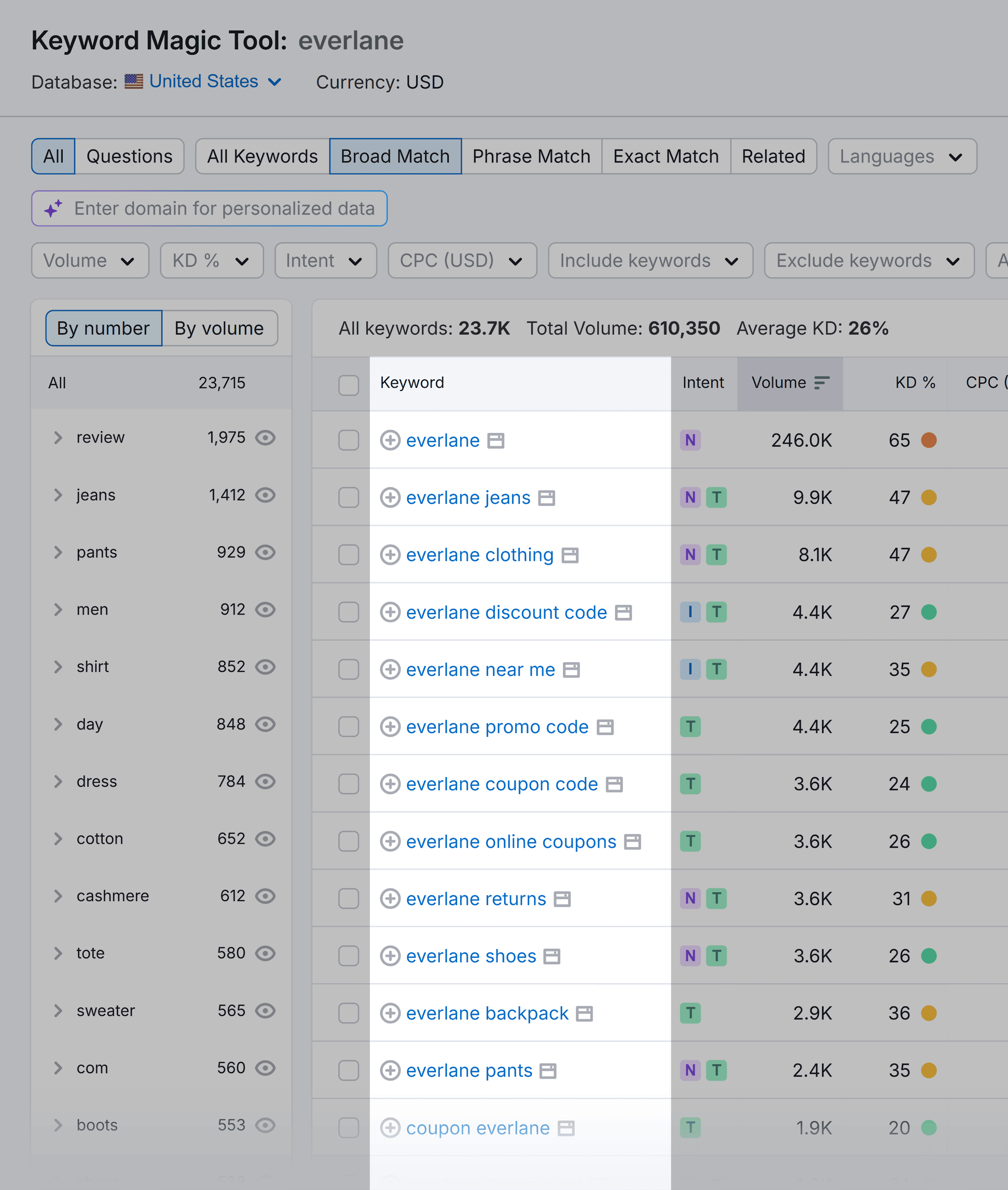
For example, direct-to-consumer apparel brands have successfully utilized this approach by anchoring their product benefits—such as specialized anti-untucking designs—across review sites, community roundups, and corporate landing pages. When consumers query AI assistants for product recommendations matching those exact specifications, the algorithmic consensus reliably surfaces the brand due to the high density of contextual reinforcement.
Evaluating one’s current AI narrative requires a proactive audit. Digital marketers routinely input targeted industry prompts into prominent generative AI engines to examine how their brand is portrayed. By analyzing whether the AI accurately describes their products, highlights their true competitive advantages, or mistakenly attributes flaws, organizations can identify narrative gaps and systematically publish corrective content across authoritative channels.
Structuring Corporate Architecture for Algorithmic and Human Interpretation
While distributed visibility secures top-of-funnel awareness, a brand’s website must act as a reliable, high-performance anchor when users finally arrive. Modern website architecture must satisfy two distinct audiences: human visitors demanding immediate clarity and machine-learning crawlers requiring structured, parsable data.
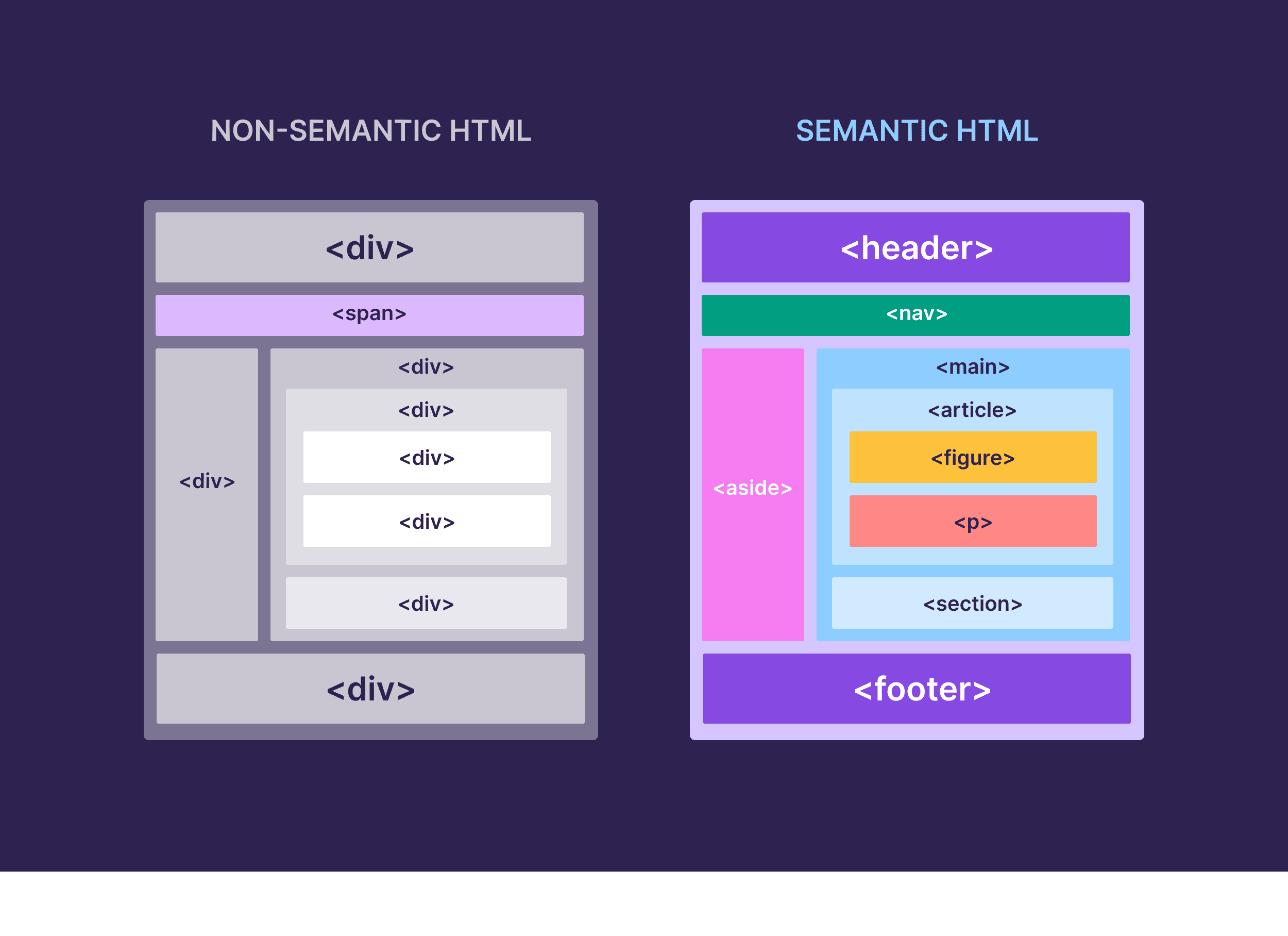
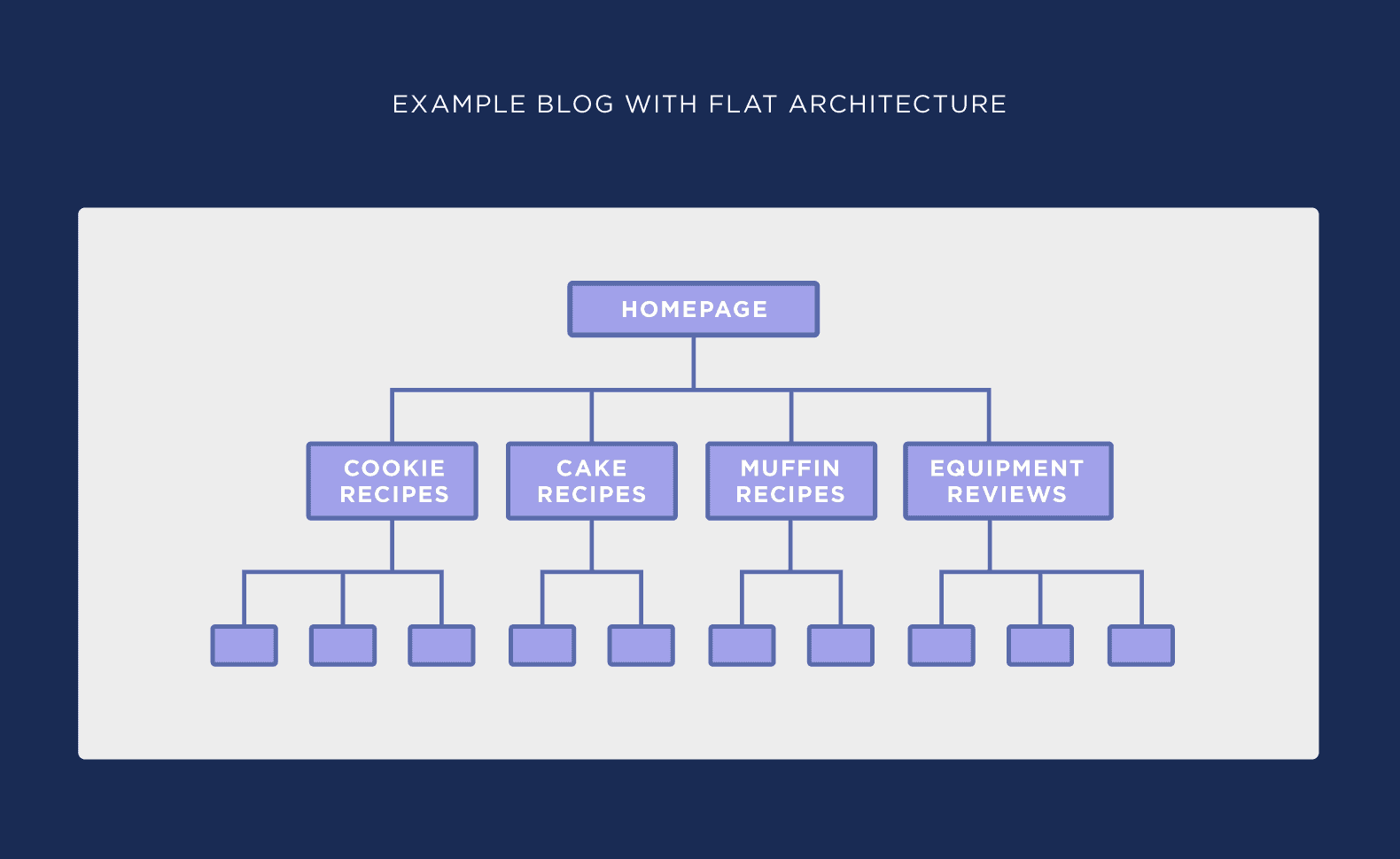
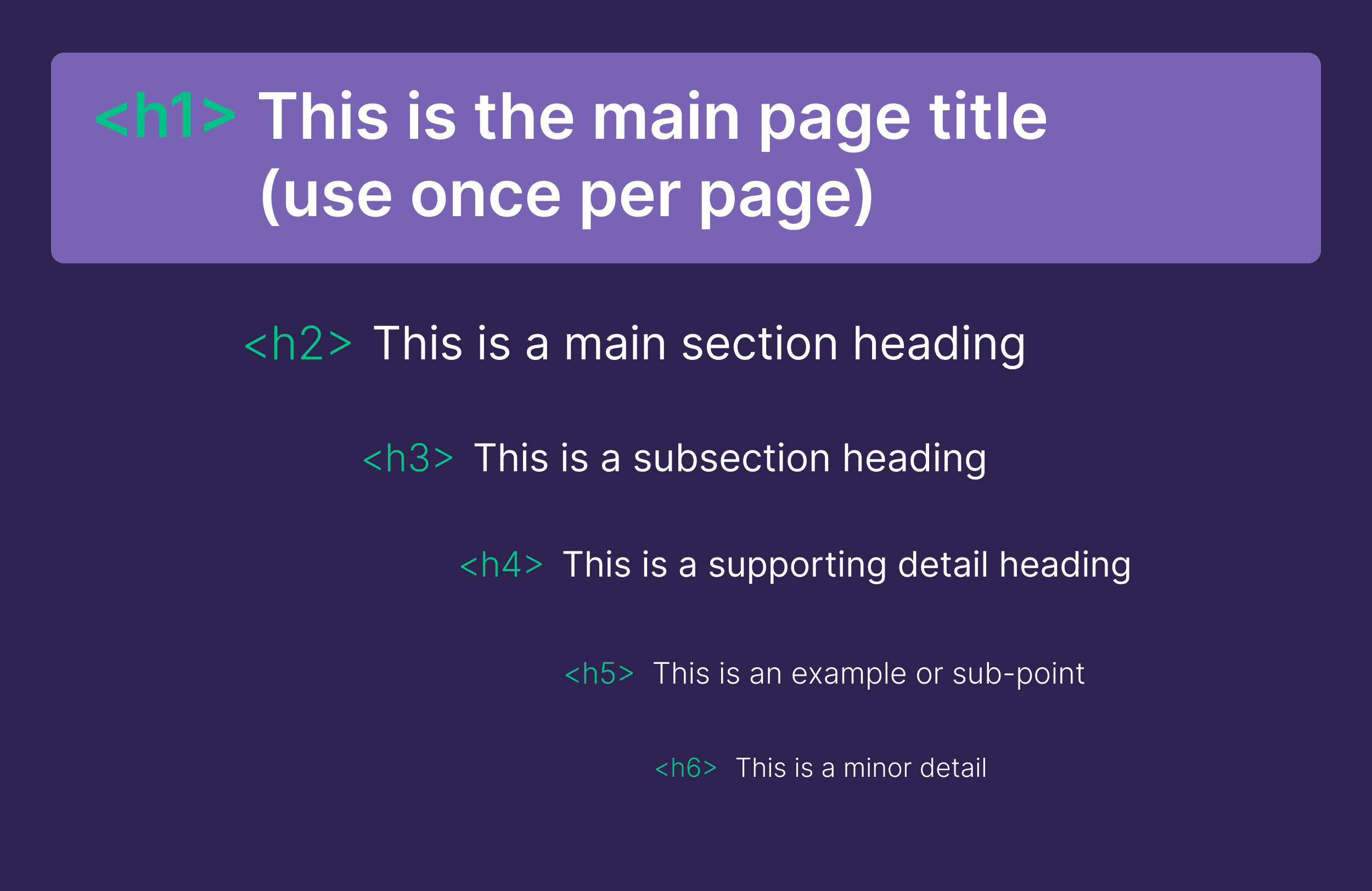
Technical SEO best practices in 2026 emphasize flat site architecture, where important pages are accessible within a minimal number of clicks from the homepage. This organizational clarity prevents deep-link isolation and allows search bots and LLM scrapers to map out a site’s thematic hierarchy efficiently. At the code level, the universal adoption of semantic HTML—utilizing native section elements, precise heading tags, and structured data markup—enables automated systems to understand the exact context and relationships between different pieces of corporate content.
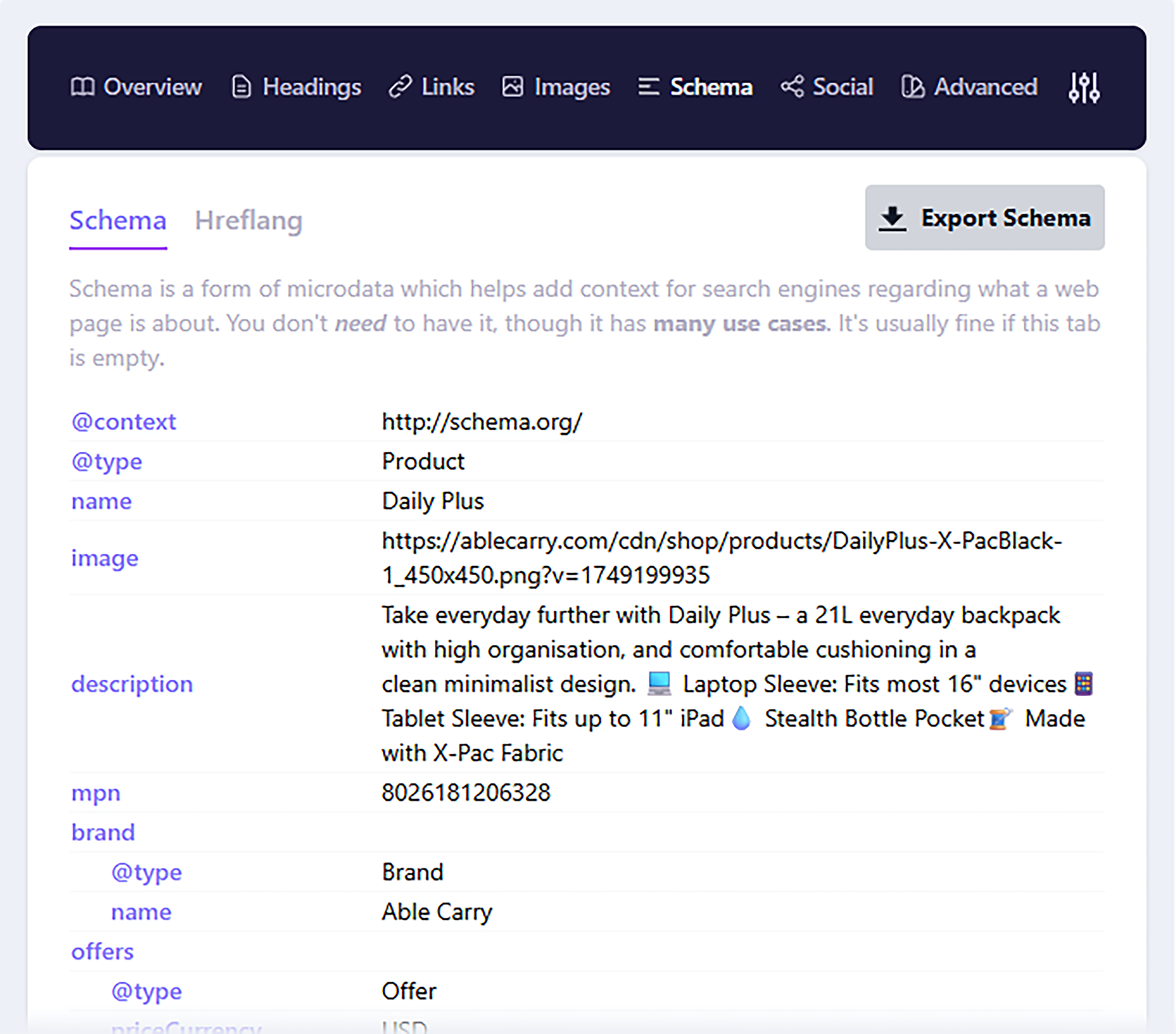
Furthermore, page design must accommodate modern consumption habits characterized by rapid scanning. Information architecture that incorporates scannable bullet points, comparative data tables, and prominent visual summaries reduces cognitive load. When users land on a page pre-educated by external AI research, they look for instant validation of their hypotheses rather than lengthy introductory paragraphs. Proper schema implementation further assists search engines in displaying rich snippets, enhancing visibility within increasingly competitive search engine results pages (SERPs).
Amplifying Trust Through Multi-Format Video Integration
Video content has transitioned from an optional supplementary tactic to a foundational trust-building mechanism. The psychological familiarity established by viewing a founder, educator, or product expert on screen cannot be replicated by text alone. By the time a viewer transitions from a video platform to a corporate website, the psychological barrier of dealing with an unfamiliar entity has been substantially lowered.

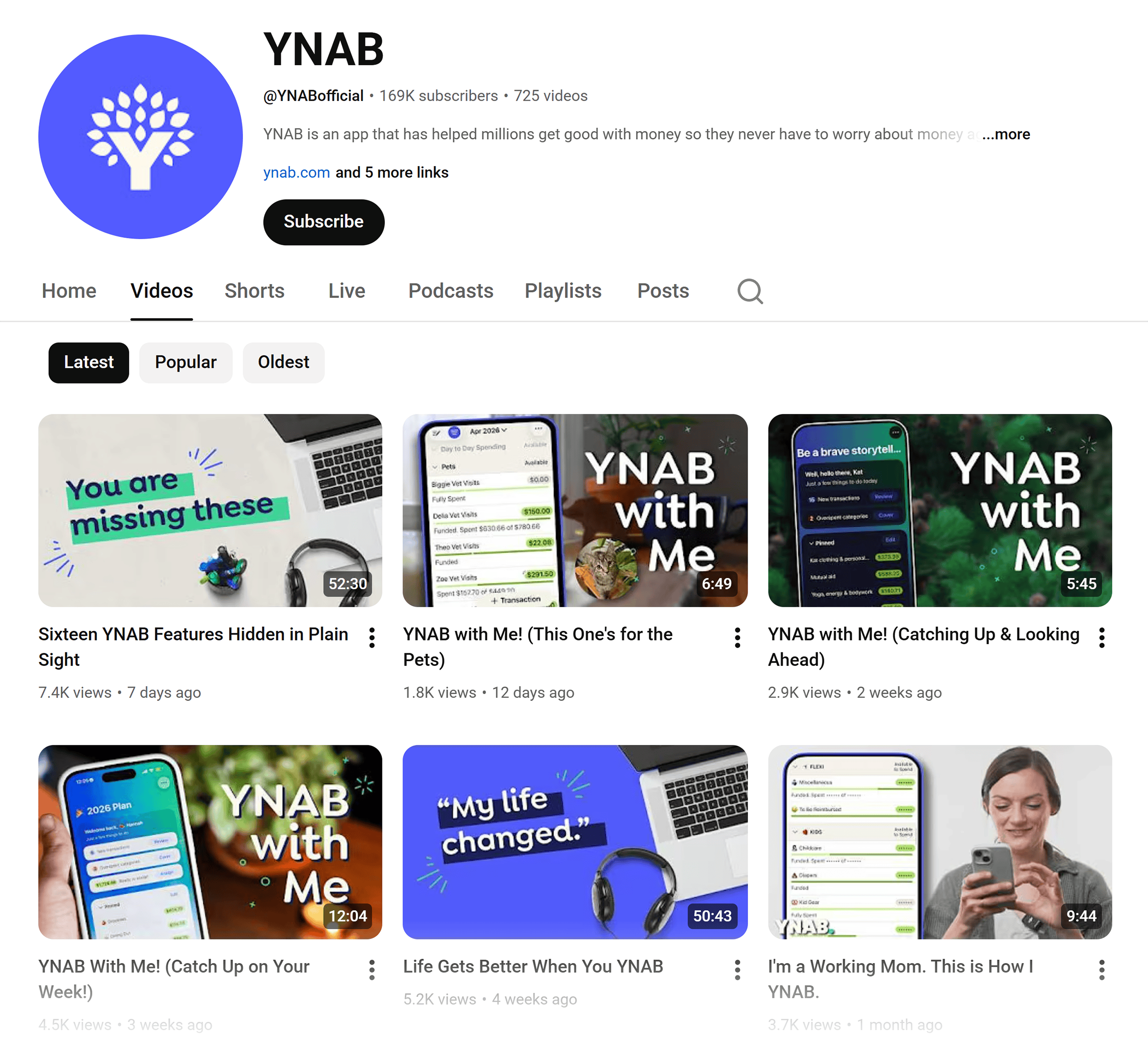
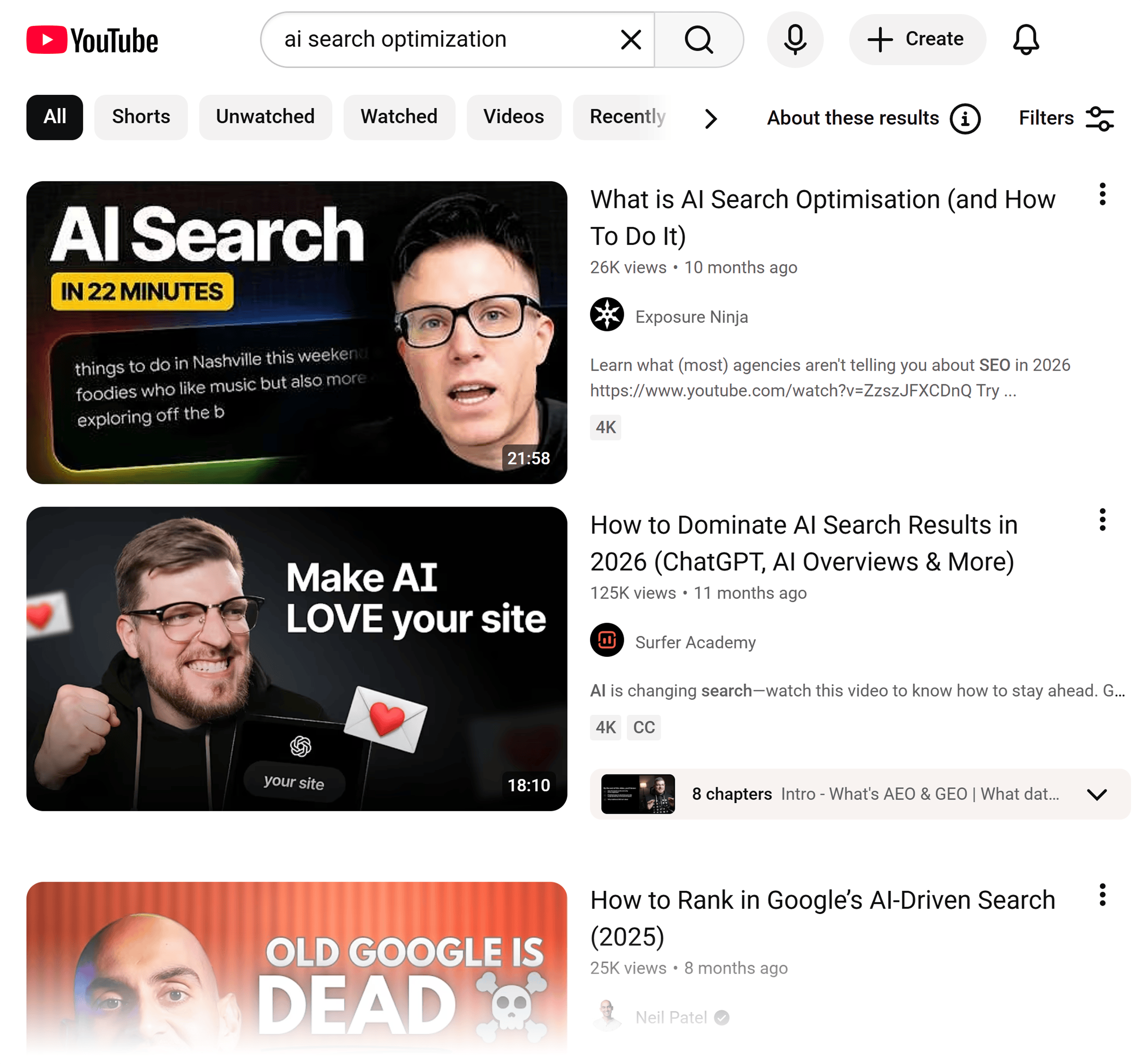
Long-form video platforms, led by YouTube and specialized corporate training webinars, serve distinct strategic purposes depending on a brand’s business model. Software-as-a-service (SaaS) enterprises frequently deploy educational tutorials and feature evaluations to help prospective users assess functionality before initiating trials. Conversely, business-to-consumer (B2C) brands leverage highly visual, demonstration-heavy content to drive direct product demand. Crucially, digital marketing strategists emphasize that video assets must never exist in a silo; explicit calls-to-action, contextual deep-links in descriptions, and integrated cards must seamlessly guide viewers toward relevant conversion pages on the primary domain.
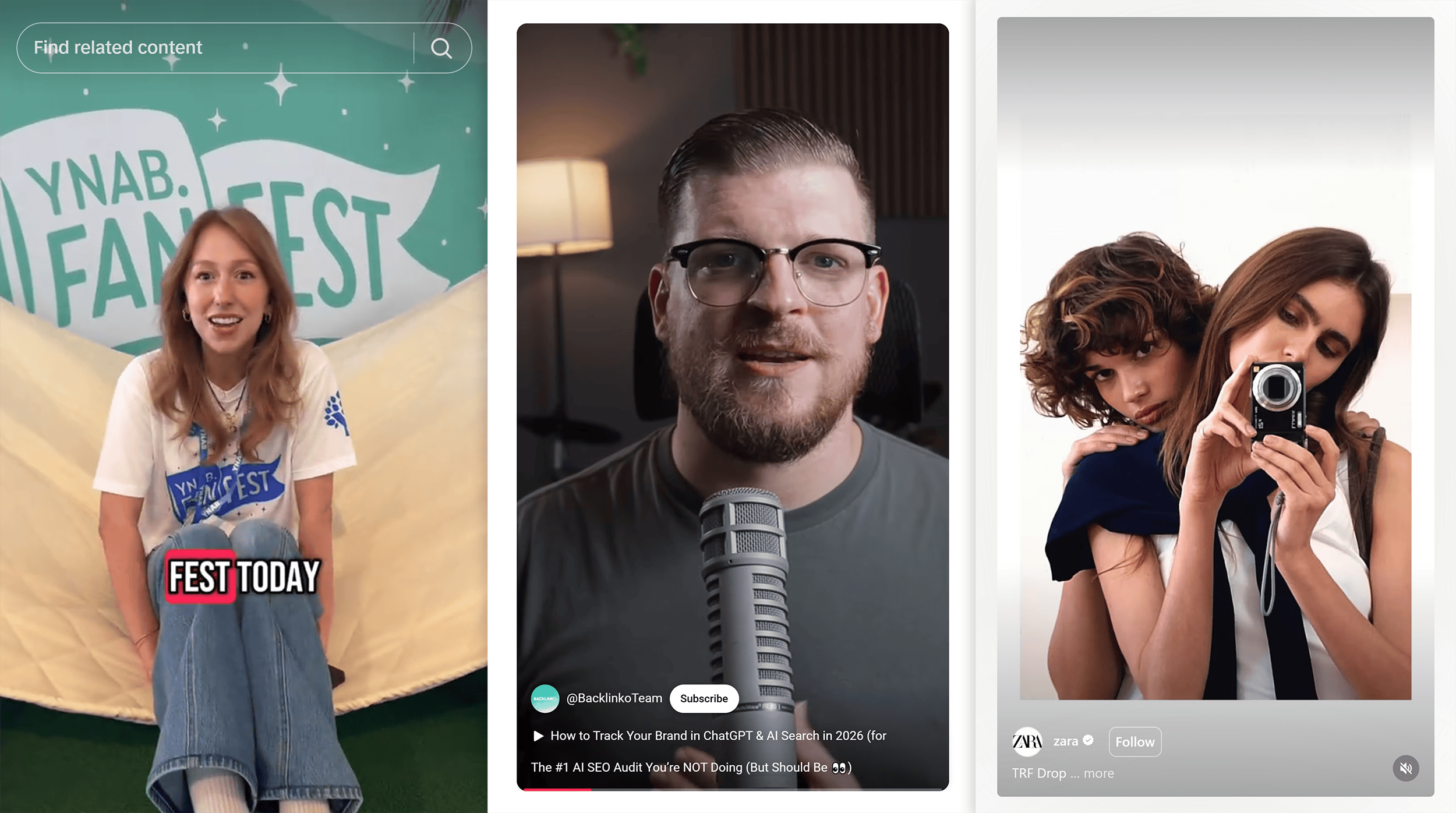
Short-form video ecosystems—including TikTok, Instagram Reels, and YouTube Shorts—perform a complementary function by reinforcing brand recall through consistent, bite-sized value delivery. By recording short clips addressing recurring customer objections and support inquiries captured during daily sales interactions, brands maintain a steady cadence of visibility that compounds over time.
Capitalizing on Interest-Based Traffic via Google Discover
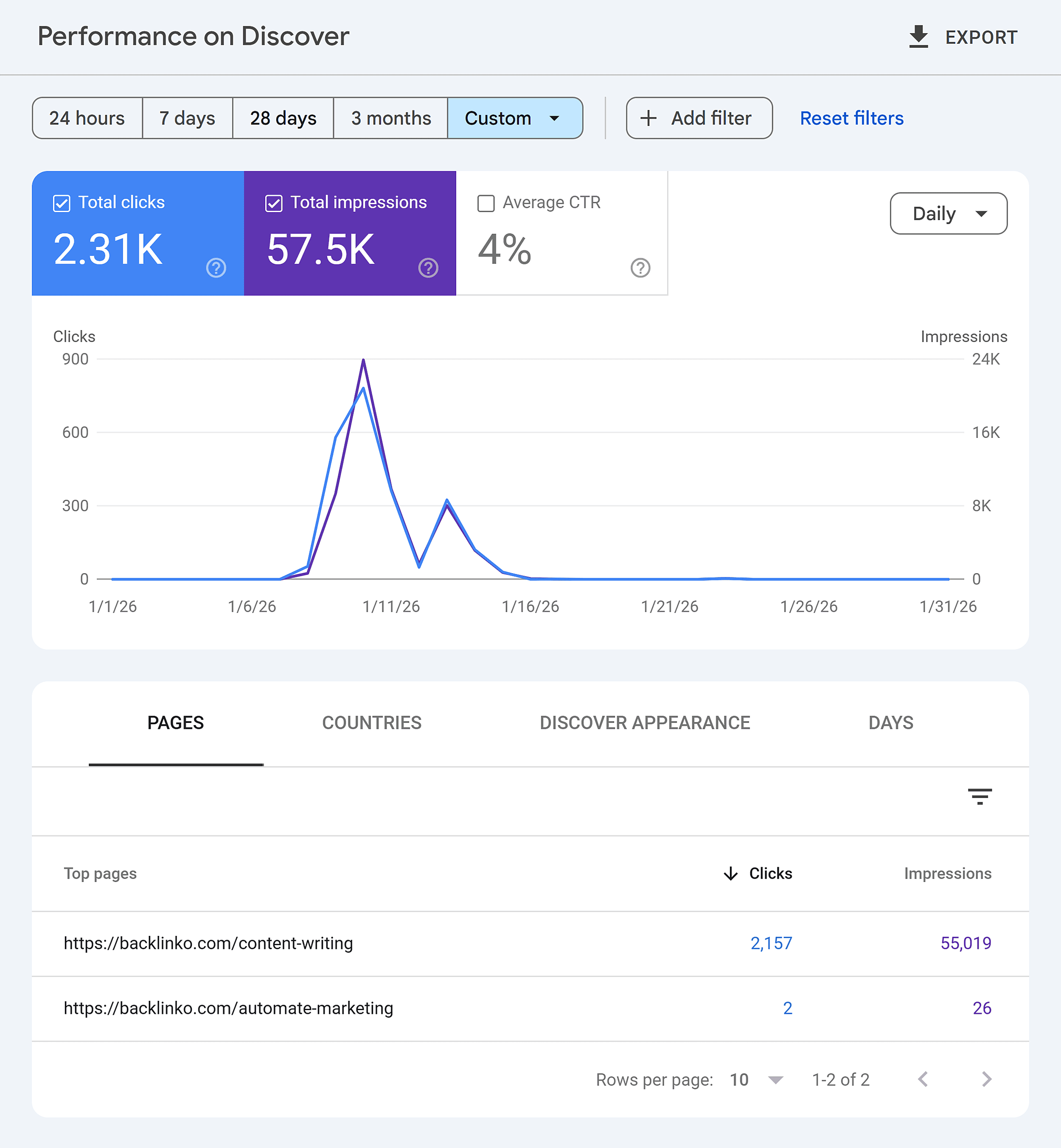
Optimizing for modern content feeds, such as Google Discover, represents a significant opportunity for brands seeking non-search-driven traffic spikes. Unlike traditional search queries where users actively look for specific answers, Discover proactively curates personalized content cards based on individual browsing habits, past engagements, and inferred interests.

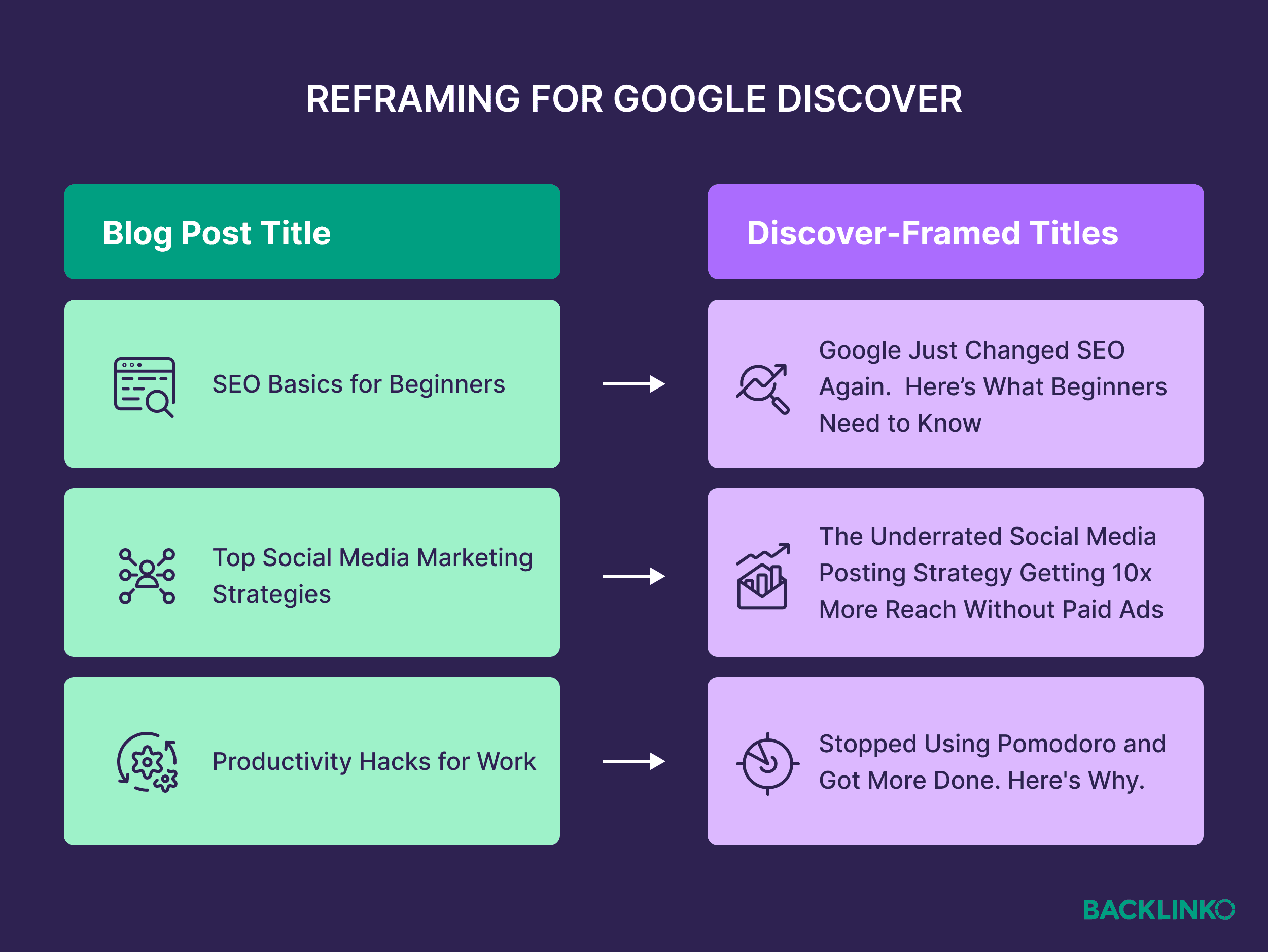
Because Discover relies heavily on user intent and contextual relevance, published content must be framed with clear editorial angles, timely hooks, and compelling stakes. Successful Discover optimization does not necessarily require the creation of entirely new subject matter; rather, it involves the strategic reframing of existing core topics to connect with current industry developments, emerging regulatory changes, or trending public conversations.
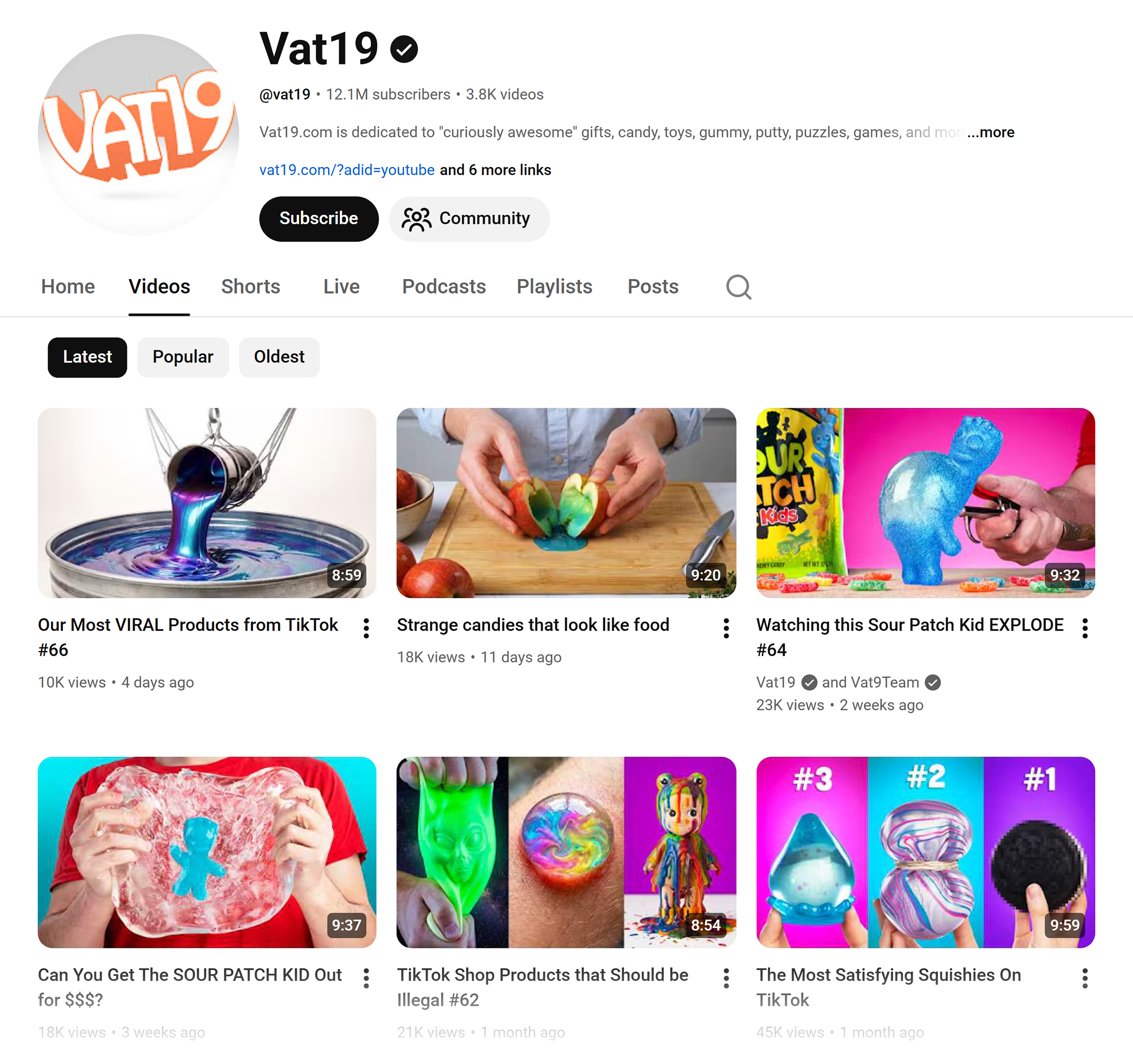
Editorial packaging is paramount within algorithmic feeds. Because users scroll through Discover in fast-paced, highly visual environments, an article’s success is dictated almost entirely by its headline and featured imagery. Headlines that effectively communicate tension, urgency, or novel insights—paired with high-resolution, context-rich thumbnail images—substantially increase click-through rates. Digital publishers frequently audit their editorial pipelines to ensure that specific content lanes are dedicated to timely, high-impact pieces engineered specifically for feed-based consumption.

Optimizing Conversion Pathways in a Zero-Click Ecosystem
The proliferation of zero-click search results and direct AI-generated answers means that casual, top-of-funnel traffic is increasingly intercepted before reaching corporate domains. Consequently, the visitors who successfully navigate to a website in 2026 represent a highly qualified, pre-educated cohort that requires minimal hesitation before conversion.
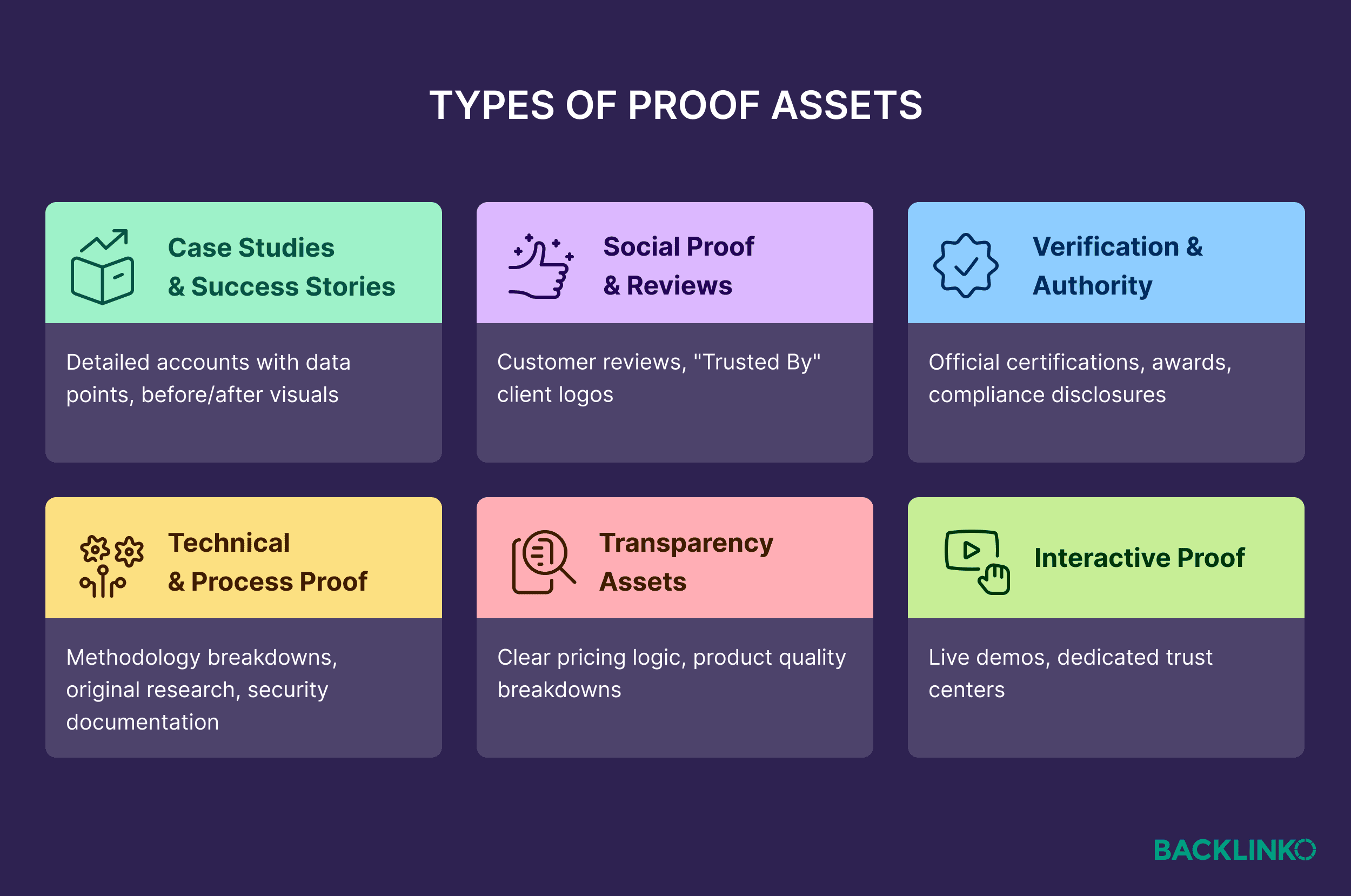
This economic reality places extraordinary pressure on conversion rate optimization (CRO) principles. Digital marketing teams must systematically audit their web properties to eliminate friction and anxiety. Friction encompasses technical barriers such as sluggish page load speeds, convoluted navigation, and multi-step form fields that impede user progress. Anxiety involves psychological hesitation, stemming from opaque pricing structures, insufficient security badges, or a lack of verifiable social proof.
For high-consideration sectors such as financial services and enterprise software, establishing immediate credibility is critical. Prominently displaying compliance certifications, independent security audits, and transparent client case studies reduces visitor skepticism. Furthermore, extending the website experience through post-visit behavioral email targeting ensures that brands maintain communication while user intent remains elevated. Automated workflows triggered by specific site actions—such as a visitor lingering on a pricing page or abandoning an online shopping cart—allow businesses to deliver personalized follow-up messages featuring relevant case studies or targeted incentives, thereby leveraging psychological principles of reciprocity to secure conversions.

Cultivating Human-Led Thought Leadership and Community Authority
In an era saturated by automated, AI-generated text, human authenticity commands a distinct market premium. Brands that put recognizable faces, distinct personalities, and genuine expertise at the forefront of their marketing efforts effectively differentiate themselves from competitors relying solely on automated output.
Thought leadership in 2026 extends beyond corporate blog posts; it requires visible individuals—whether founders, executives, or subject matter experts—to publicly articulate strong, defensible points of view regarding industry standards. These leaders utilize platforms like LinkedIn, industry panels, and specialized podcasts to share original insights, proprietary data, and contrarian perspectives. By consistently associating individual experts with the corporate brand, organizations humanize their operations and foster deep professional trust.

Simultaneously, effective website marketing requires active participation within decentralized, third-party communities where target audiences congregate. Platforms such as Reddit subreddits, specialized Discord servers, industry Slack channels, and regional forums operate on strict codes of trust. Promotional spam is universally rejected, requiring brands to adopt a contribution-first mindset. Marketing professionals who consistently monitor these communities to answer technical questions, resolve customer grievances, and provide objective industry guidance build institutional credibility that ultimately influences both human purchasing decisions and the training data ingested by AI discovery engines.
Executing Disciplined Content Repurposing Workflows
The sheer volume of communication channels required in modern digital marketing necessitates efficient content scaling. However, unchecked AI automation often leads to content bloat without strategic direction. Sustainable repurposing in 2026 relies on an iterative validation model: identifying proven ideas that have already resonated with audiences before multiplying them across secondary formats.
High-performing content assets—identified through analytics data, social media engagement metrics, or direct customer feedback—serve as the foundation for multi-channel distribution campaigns. For instance, a comprehensive long-form industry report or exhaustive blog post can be systematically disassembled into targeted executive summaries, newsletter editions, short-form video scripts, and structured social media carousels.

Many digital marketing teams utilize advanced AI parsing tools, such as generative text artifacts and automated layout generators, to accelerate the transformation of core content into diverse formats. By letting audience engagement on initial testing platforms validate an idea’s viability prior to heavy resource investment, organizations maximize their marketing ROI while maintaining a coherent, unified brand narrative across the entire digital ecosystem.