Fourthwall vs Gelato: A Comprehensive Analysis of Modern Print-on-Demand and Ecommerce Infrastructure

The rapid expansion of the creator economy and the rise of direct-to-consumer (DTC) retail have necessitated a shift in how entrepreneurs approach inventory management and digital storefronts. As demand for personalized merchandise surges—a market projected to grow significantly through 2030—two primary operational models have emerged: the specialized fulfillment partner, represented by Gelato, and the all-in-one brand-building ecosystem, exemplified by Fourthwall. While both platforms facilitate the transition from concept to consumer delivery, their underlying business models, technical integrations, and strategic implications differ substantially for the modern merchant.
Evolution of Print-on-Demand Infrastructure
The history of print-on-demand (POD) began as a logistical solution for publishers and boutique apparel sellers seeking to mitigate the financial risks of overstocking. In the early 2010s, fulfillment providers primarily acted as back-end print facilities. However, as the industry matured, the infrastructure bifurcated.
Gelato, which emerged as a global leader in localized production, prioritized a distributed manufacturing model. By leveraging a network of over 140 production hubs across dozens of countries, Gelato addressed the "long-mile" delivery problem that historically plagued POD logistics. Conversely, Fourthwall entered the market during the height of the creator economy boom, identifying that influencers and content creators required more than just a fulfillment partner; they needed a comprehensive digital storefront that could handle memberships, donations, and multi-channel commerce without requiring a fragmented tech stack.
Comparative Operational Frameworks
To understand the divergence between these two platforms, one must look at the "Merchant of Record" (MoR) status and integration philosophy.
Gelato operates strictly as a B2B fulfillment layer. It is designed for merchants who already possess a digital storefront—such as a Shopify, Etsy, or WooCommerce site—and require a reliable, sustainable, and high-speed production partner. Gelato does not manage the consumer-facing transaction or the tax compliance associated with those sales; it functions as the engine room of the operation. Its strength lies in its logistical agility, utilizing local production to ensure that approximately 90% of orders are produced within the country of delivery, significantly reducing carbon footprints and shipping times.
Fourthwall, by contrast, functions as a platform-as-a-service (PaaS). It provides the merchant with a customizable storefront, a checkout system, and a suite of engagement tools. Crucially, Fourthwall acts as the Merchant of Record. This is a significant differentiator: when a customer purchases an item, Fourthwall assumes the legal and financial responsibility for sales tax, VAT, and payment processing. This removes the administrative burden from the creator, allowing them to focus on branding and content rather than accounting and compliance.
Data-Driven Insights: Cost and Scalability
Financial analysis reveals that the "cheaper" option is entirely dependent on the merchant’s existing digital footprint.
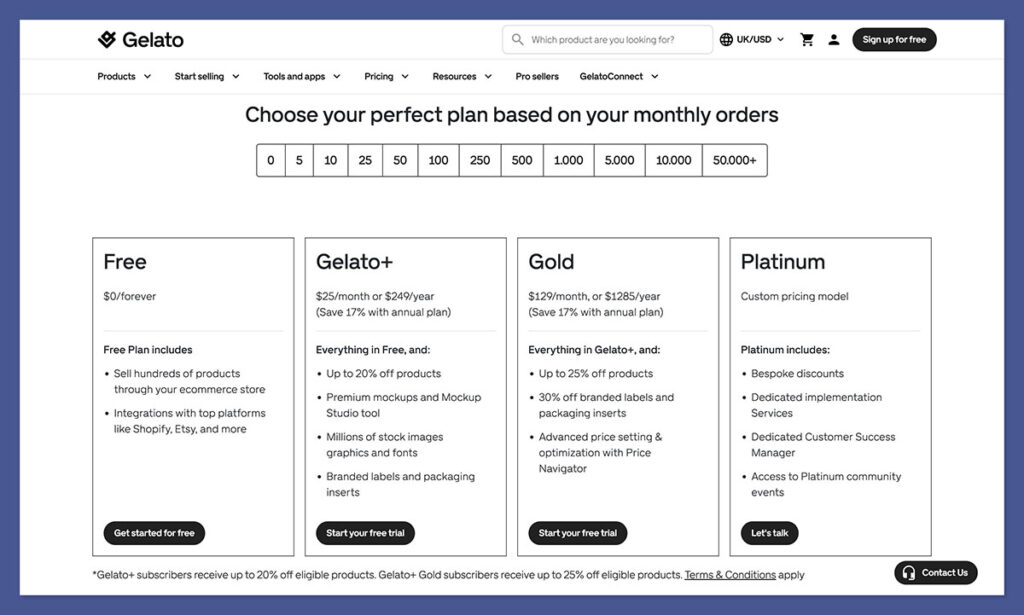
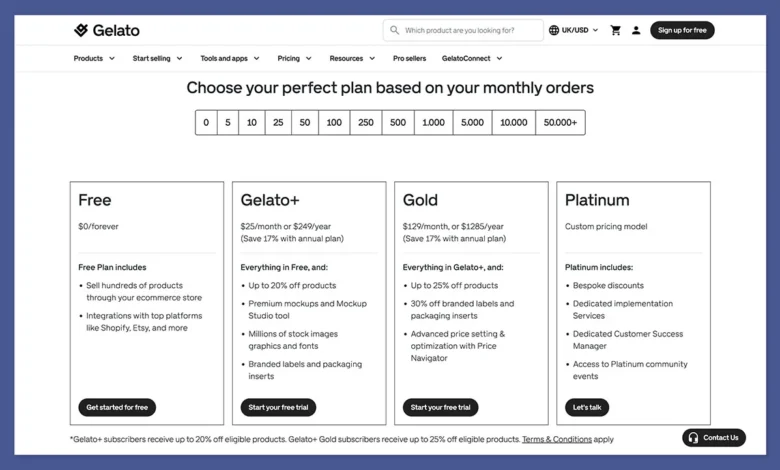
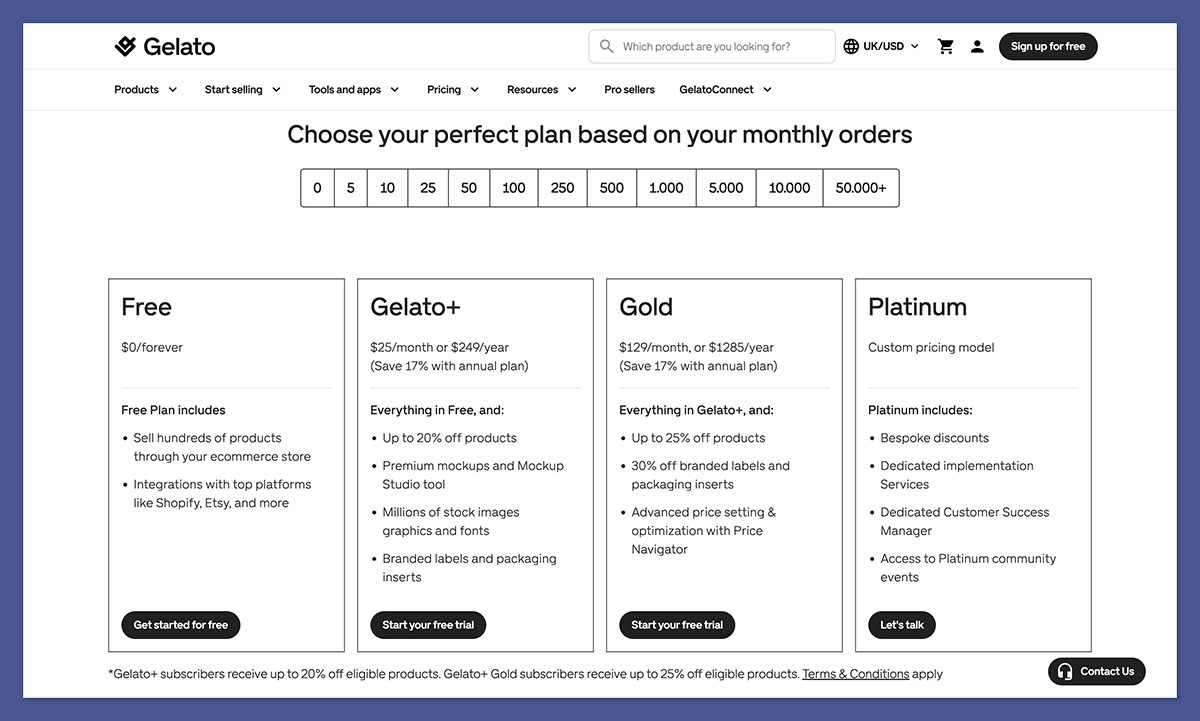
For an established merchant with a high-volume Shopify store, Gelato provides superior margin control. By integrating directly into existing workflows, merchants can utilize Gelato’s "Personalization Studio" and "Magic Mockups" to enhance the customer experience without paying for a redundant storefront platform. Gelato’s tiered pricing, particularly the $29.99/month Gelato+ subscription, offers volume-based discounts of up to 33%. For a high-growth brand, these margins are essential for long-term profitability.
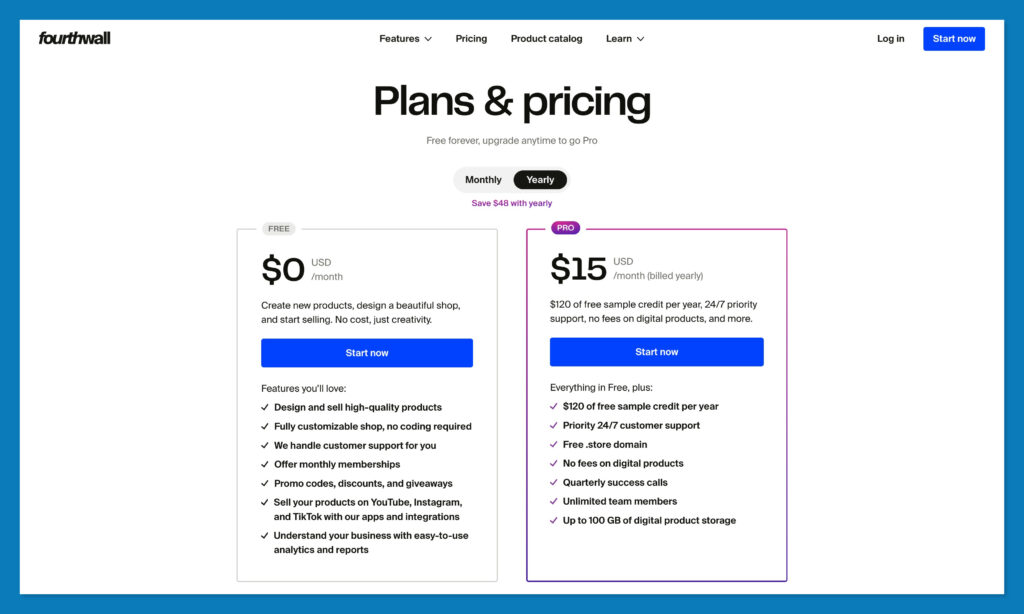
Fourthwall is more cost-effective for entrepreneurs or creators starting from zero. By bundling the website hosting, the product catalog, and the checkout process into a single, no-upfront-cost model, it eliminates the need for third-party plugins. While the 5% transaction fee on the free tier may appear higher than a standard payment gateway fee, the administrative savings—specifically regarding tax collection and customer support—often offset these costs. The professional tier, priced at $19 per month, provides advanced analytics and priority support, making it a scalable choice for mid-sized brands looking to consolidate operations.
Strategic Implications for Brand Growth
The choice between Gelato and Fourthwall ultimately dictates the merchant’s brand trajectory.
Gelato’s integration-first approach allows for high levels of customization. Because it functions as a backend provider, a merchant can build a complex, bespoke website on any platform and swap or add additional fulfillment partners if necessary. This modularity is ideal for brands that prioritize technical control and have the resources to manage their own customer support and legal compliance.
Fourthwall’s ecosystem-first approach is built for speed and simplicity. The inclusion of AI-driven tools, such as the "Eli" assistant, allows merchants to automate customer service inquiries, update product pricing, and manage inventory without manual oversight. Furthermore, the ability to sell digital products, memberships, and physical merchandise under one roof creates a more cohesive brand identity. The platform’s recent expansion to include a designer marketplace further bridges the gap between creative ideation and commercial execution.
Sustainability and Fulfillment Standards
Sustainability has shifted from a peripheral concern to a core consumer demand. Gelato has positioned its brand identity around this pillar, emphasizing the use of non-toxic, sustainable materials and local production. By manufacturing locally, Gelato minimizes the environmental cost of shipping, which is a major factor in modern supply chain ethics.
Fourthwall also offers eco-friendly product options, but its primary differentiator is the diversity of its fulfillment catalog. Because Fourthwall allows for the inclusion of non-POD items (sourced by the creator), it enables a hybrid model of inventory management. This flexibility is vital for creators who want to offer limited-run, bespoke items alongside their standard POD catalog.
Final Verdict: Choosing the Right Infrastructure
The decision-making process for merchants should be guided by their current stage of development and their willingness to handle administrative overhead.

For the established merchant, Gelato is the clear choice. Its vast production network and deep integration capabilities with major ecommerce platforms provide the technical reliability needed to scale production globally. Its focus on sustainability and localized delivery provides a competitive advantage in markets where consumers prioritize ethical manufacturing.
For the emerging creator or the entrepreneur who prefers to outsource the technical and financial complexities of retail, Fourthwall is the superior solution. It provides a "business-in-a-box" experience, where the platform handles the heavy lifting of tax, compliance, and fulfillment. By consolidating the storefront and the production partner into a single ecosystem, Fourthwall enables a faster time-to-market, allowing the brand to focus on its most important asset: the audience.
Ultimately, the choice is not between two competing products, but between two distinct business philosophies. Whether one prioritizes the modular, production-heavy efficiency of Gelato or the streamlined, holistic brand-building power of Fourthwall will define the operational success of their venture in an increasingly competitive digital marketplace.