Buffer vs Later A Comprehensive Analysis of Social Media Management Platforms

In the modern digital economy, the efficacy of a brand’s online presence is inextricably linked to the sophistication of its management infrastructure. As social media platforms become increasingly fragmented and algorithmic requirements grow more complex, businesses and individual creators are turning to third-party management tools to maintain consistency and engagement. Two of the most prominent players in this sector, Buffer and Later, offer distinct architectural approaches to content scheduling, analytics, and audience interaction. Understanding the nuances of these platforms is essential for stakeholders attempting to optimize their digital footprint while managing operational overhead.
The evolution of these tools reflects the shifting needs of the creator economy. Buffer, which emerged in the early 2010s as a streamlined scheduling solution, has consistently prioritized cross-platform versatility and accessible entry points. Later, originally conceptualized as "Latergramme," began with a laser focus on the visual aesthetics of the Instagram grid. Over the past decade, both companies have pivoted significantly; Buffer has integrated robust AI-assisted drafting and community management features, while Later has expanded into comprehensive commerce, influencer management, and deep visual planning.
Comparative Feature Overview and Market Positioning
The fundamental divergence between Buffer and Later lies in their underlying philosophy regarding user growth and platform support. Buffer currently maintains support for 11 distinct social media networks, including newer entrants like Bluesky, Mastodon, and Google Business Profile. Later, by contrast, focuses on eight platforms, maintaining a specialized emphasis on Instagram, TikTok, and Pinterest.
Data from industry benchmarks suggest that the average marketing team now utilizes four or more social platforms simultaneously. Buffer’s architecture is designed to accommodate this high-volume, multi-platform approach through a channel-centric pricing model. This allows users to pay exclusively for the connections they require, effectively decoupling user access from the number of channels managed. Conversely, Later employs a "social set" model. A social set is a bundled collection of accounts across supported platforms. This structure favors users with a consolidated, brand-focused workflow but can become cost-prohibitive for organizations needing multiple accounts on a single network, such as a company managing separate regional LinkedIn pages.
Pricing Structures and Scalability
Financial barriers remain a primary consideration for small-to-medium enterprises (SMEs). Buffer’s pricing starts at a lower entry point, with paid tiers beginning at $6 per month per channel. This granular approach provides high predictability for solopreneurs. Later’s pricing model, which begins at $25 per month for its starter tier, is built for scale but requires a higher upfront investment.
A critical point of distinction for growing teams is the allocation of user seats. Buffer’s "Team" plan offers unlimited user access, a feature that significantly reduces the friction of scaling a marketing department. Later enforces a more restrictive model: its "Starter" plan permits one user, "Growth" allows for two, and "Scale" allows for four. Additional seats can be purchased, but the incremental costs can disrupt budget forecasts for rapidly expanding agencies.
Technical Capabilities in Content Creation and Automation
The operational workflow for content managers is largely defined by how a tool handles the "idea-to-publish" pipeline. Both platforms offer sophisticated scheduling interfaces, but their methodologies differ.
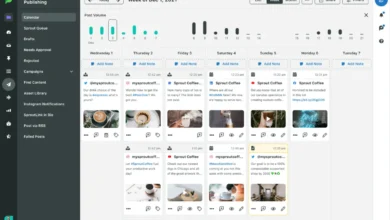
Later distinguishes itself through its visual-first dashboard. For brands where the visual grid is paramount—particularly in fashion, hospitality, and e-commerce—the ability to drag and drop content into a calendar preview provides a significant workflow advantage. Later also offers a robust media library that serves as a centralized repository for assets, metadata, and alt-text, facilitating a more organized creative process.
Buffer, however, leans into administrative efficiency. Its support for bulk scheduling via CSV files allows teams to upload hundreds of posts simultaneously, a feature notably absent in Later. Furthermore, Buffer’s "Channel Groups" functionality enables users to bundle disparate accounts—such as a Facebook Page, a LinkedIn profile, and a Threads account—and schedule to them with a single click. This reduces the time-per-post metric, which is a key performance indicator for high-frequency publishing teams.
AI Integration and Generative Assistance
The integration of artificial intelligence has moved from a luxury feature to a standard requirement in 2025. Both Buffer and Later utilize AI to alleviate the "blank page" problem, yet their execution varies.
Buffer has opted for an "unlimited usage" model, allowing all users, including those on the free tier, to utilize AI for generating captions, refining tone, and repurposing content. This strategy is aimed at capturing the creator market by removing the anxiety of credit depletion. Later has opted for a credit-based system tied to its paid tiers. While this ensures a high quality of output through curated content pillars, it introduces an element of scarcity that may discourage frequent, experimental content generation.
Audience Engagement and Community Management
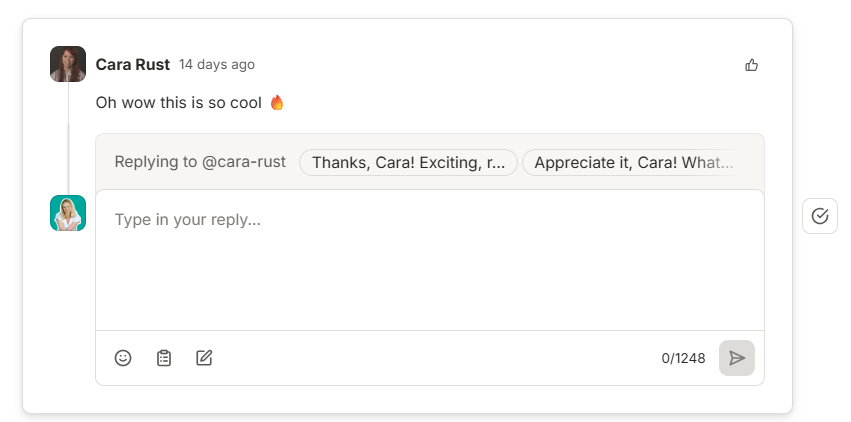
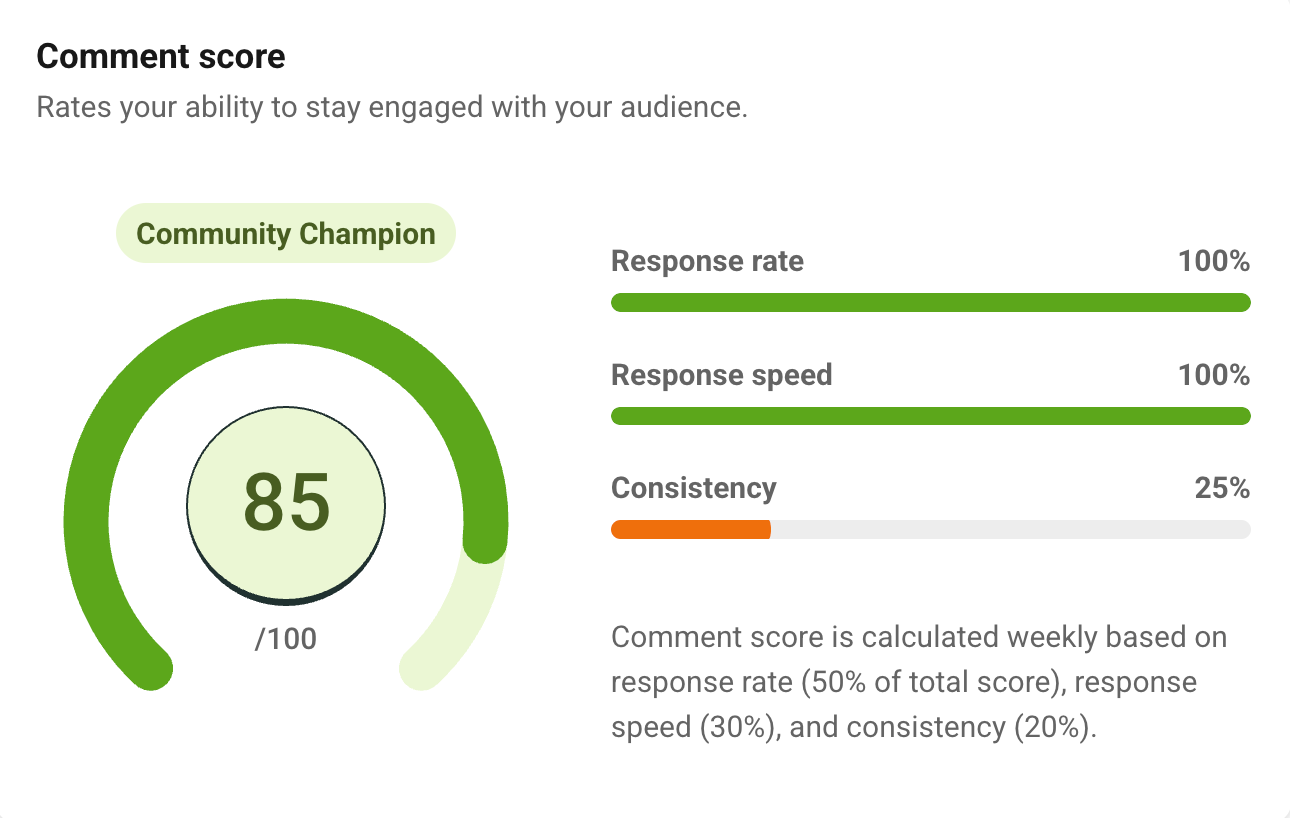
The transition from "broadcasting" to "engaging" is a defining trend in social media management. Buffer’s "Community" feature is built directly into its core interface, providing a unified inbox that tracks "comment scores"—a metric that measures the speed and consistency of a brand’s responses. This is a data-driven approach designed to help teams identify neglected channels or threads.
Later’s social inbox is more selective, favoring visual-heavy platforms like Instagram and TikTok. While it offers essential features such as comment hiding and direct message management, these tools are generally gated behind higher-tier plans. For teams that prioritize social listening and brand sentiment analysis, Later provides an add-on module that includes competitive benchmarking and trend detection. This functionality is more advanced than Buffer’s offering but comes with custom pricing that varies by client, reflecting a more enterprise-grade, bespoke service model.
Analytics and Reporting Frameworks
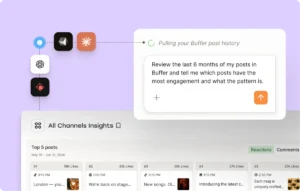
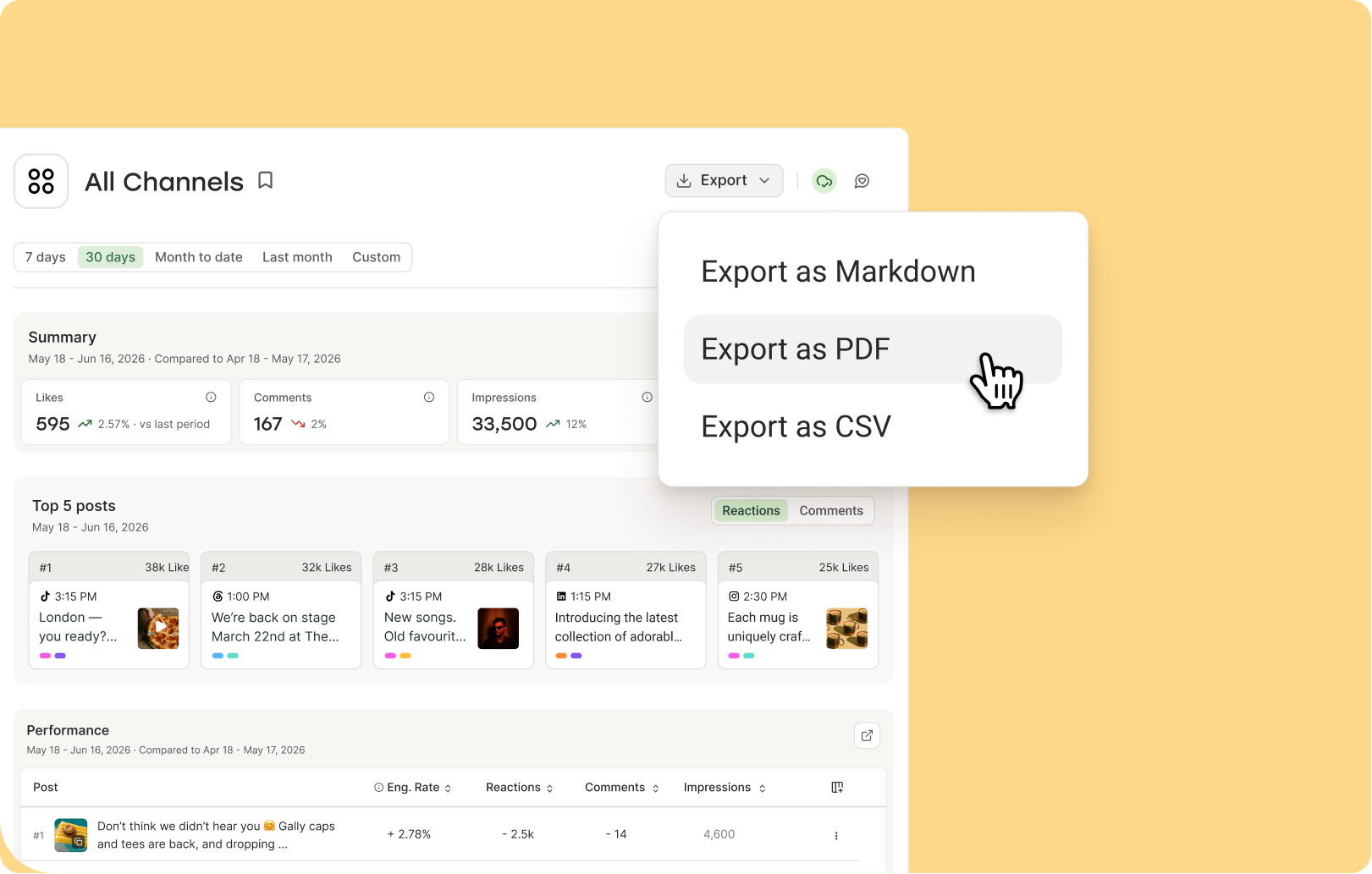
Data-driven decision-making requires access to clear, actionable metrics. Buffer’s "Insights" module offers high-level performance tracking on all plans, with advanced reporting reserved for paid users. Its AI-powered "Takeaways" feature is designed to synthesize complex data points into plain-language summaries, identifying which content types are yielding the highest ROI.
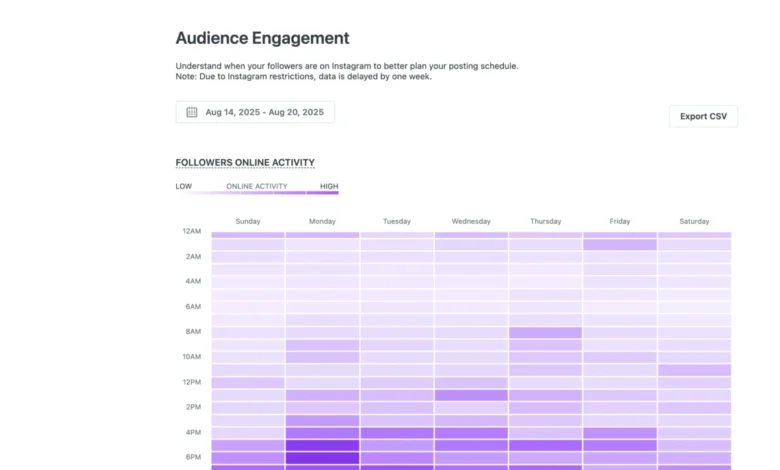
Later provides a more granular deep dive for visual platforms. Its audience demographic reporting—breaking down followers by gender, age, and location—is particularly sophisticated for Instagram and TikTok. Later also offers an automated heatmap showing exactly when an audience is most active. While Buffer provides similar data, Later’s visualization of this information is widely regarded in the marketing industry as more intuitive for visual-centric campaigns.
The Role of Link-in-Bio and Commerce
The final touchpoint in the social funnel is the "link-in-bio" page. Both tools offer highly customizable landing pages that serve as a bridge between social traffic and external websites. Buffer’s "Start Page" allows for the modular stacking of content blocks, making it highly flexible for users who need to change their landing page layout frequently.
Later’s "Linkin.bio" leans heavily into commerce. By integrating with Shopify and affiliate networks like Mavely, Later provides a direct path from a social post to a checkout page. For brands that track conversion metrics as their primary KPI, Later’s commerce integration represents a tangible advantage over Buffer’s more content-focused link-in-bio tool.
Implications for Market Strategy
The choice between Buffer and Later should be dictated by the specific strategic goals of the user. Buffer is objectively superior for organizations that prioritize cross-platform reach, bulk scheduling, and cost predictability. Its commitment to supporting a wide array of networks, including emerging ones, makes it a resilient choice for brands that want to remain agile.
Later, conversely, is an ideal instrument for visual-first brands and influencers whose success is tied to the aesthetics of Instagram and TikTok. Its strength lies in its ability to manage the creative lifecycle, from planning and visual layout to influencer collaboration and e-commerce conversion.
As the digital landscape continues to evolve, the competition between these two platforms serves as a microcosm of the broader software-as-a-service (SaaS) market: a struggle between the universal, flexible, and efficient tool (Buffer) and the specialized, feature-rich, and outcome-driven platform (Later). Businesses are encouraged to utilize the 14-day trial periods offered by both services to pressure-test their workflows against their specific content volume and team requirements before committing to a long-term subscription.