Streamlining Modern Media Infrastructure: A Comprehensive Overview of the Filestack Platform Ecosystem

The digital landscape is currently witnessing an unprecedented surge in user-generated content, with global internet traffic increasingly dominated by high-resolution imagery, complex video streams, and diverse document formats. Managing this influx of media presents a significant engineering challenge for developers, who must balance the necessity of accepting arbitrary user uploads with the requirement for consistent, performant, and secure delivery. Traditional in-house solutions often fail to account for the variance in file sizes, formats, and storage requirements, leading to bloated server architectures and increased latency. Filestack has emerged as a critical utility layer in the modern web development stack, providing a comprehensive API-driven suite designed to handle the entire lifecycle of a media asset: ingestion, processing, and distribution.
The Evolution of Media Handling
Historically, the implementation of file uploading systems required significant investments in server-side infrastructure, including the configuration of cloud storage buckets, the development of validation logic to prevent malicious file injections, and the maintenance of complex background worker queues for image processing. As cloud computing evolved, so did the demand for modular services that could offload these heavy-duty operations. Filestack, founded on the premise of simplifying the developer experience, functions as an abstraction layer between the client-side user interface and back-end storage providers such as Amazon S3, Azure, and Google Cloud Storage.
By consolidating these functions into a unified service, developers can bypass the tedious boilerplate code associated with multipart form uploads and cross-platform compatibility. The utility is particularly relevant in the current climate, where user retention is heavily tied to application speed and the seamless integration of external services. Recent industry data indicates that latency in media loading can result in bounce rates exceeding 40% for mobile applications; consequently, the optimization of media delivery is no longer an optional feature, but a competitive necessity.
Chronology of the Filestack Development Framework
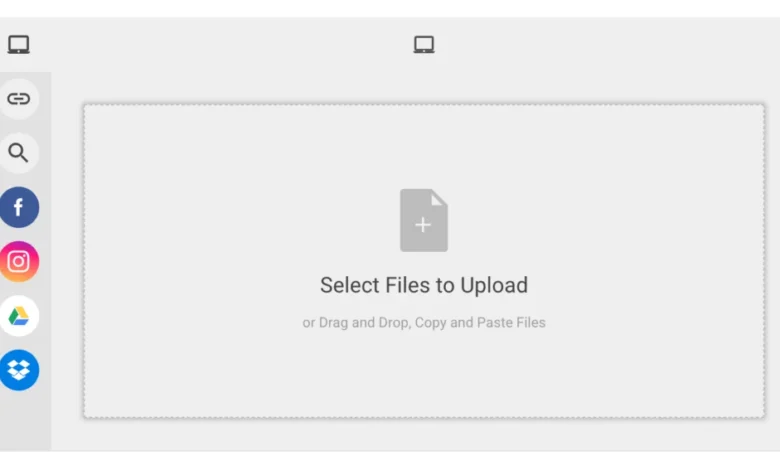
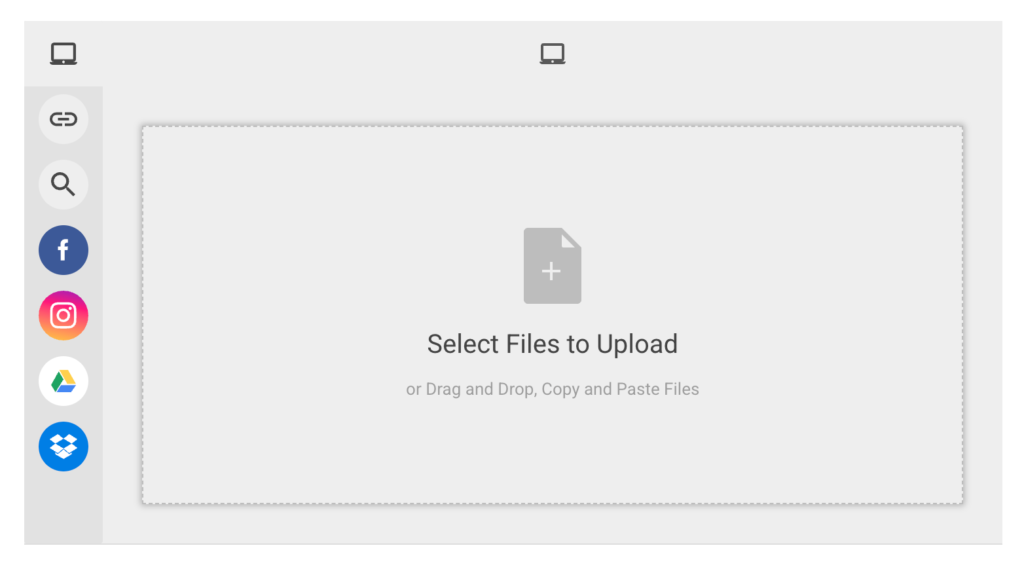
The journey toward a simplified media pipeline typically begins with the integration of the Filestack SDK, which provides a modular path for both front-end and back-end developers. Following the initiation of a 21-day trial period, developers gain access to a library of standardized API calls. The initial phase involves the implementation of the File Picker, a highly customizable UI component that serves as the entry point for end-users.
Upon invocation via JavaScript, the Filestack client initializes a picker that supports over 20 external integrations, including Google Drive, Dropbox, GitHub, and social media platforms. This interoperability is a significant factor in the platform’s adoption, as it allows users to import files directly from their preferred cloud storage without leaving the developer’s application environment. The subsequent technical evolution involves back-end integration, where developers utilize Python, Node.js, or other server-side languages to programmatically handle files stored in S3 or other cloud repositories. This dual-pronged approach allows for granular control over storage parameters, including file tagging, security policies, and path directory structures, ensuring that data is organized according to the enterprise’s internal standards from the moment of ingestion.
Technical Analysis: Transformation and Real-Time Processing
Perhaps the most significant value proposition offered by Filestack is its robust transformation engine. Because users frequently upload files that do not adhere to specific dimensions, aspect ratios, or color profiles, the burden of normalization often falls on the developer. Filestack addresses this through URL-based transformation parameters, which allow for real-time manipulation of assets.
For instance, a developer can apply a series of filters—such as resizing, sepia toning, or adding a polaroid border—simply by appending specific strings to the CDN URL of the asset. This eliminates the need for expensive, high-CPU server-side image processing. By offloading these tasks to the Filestack edge infrastructure, organizations can significantly reduce the load on their primary application servers. Furthermore, the platform supports complex transformation workflows, allowing for conditional logic to be applied based on the incoming file type. This capability extends beyond static images to include document conversion and video transcoding, providing a versatile toolset for modern content management systems.
Industry Implications and Strategic Utility
The impact of implementing a managed service like Filestack is most visible in the reduction of "technical debt" within engineering teams. By outsourcing the maintenance of media pipelines, developers can focus on core business logic rather than debugging cross-browser upload issues or optimizing CDN cache headers.
According to recent benchmarks from cloud infrastructure analysts, businesses that utilize specialized media APIs report a 30% reduction in time-to-market for features requiring user-uploaded content. The reliability of Filestack’s CDN is a cornerstone of this efficiency. By caching assets at global edge locations, the platform ensures that content is delivered with minimal latency regardless of the user’s geographic location. The 30-day caching policy for unique URLs acts as a secondary performance booster, ensuring that frequently accessed assets are readily available while maintaining a strategy for refreshing updated content.
Official Documentation and Developer Ecosystem
A critical component of Filestack’s market positioning is its commitment to comprehensive technical documentation. In an industry where poorly documented APIs often hinder adoption, Filestack’s approach to transparency and code-sample availability has been lauded by developers. The documentation provides clear pathways for integrating the Transformation UI—a graphical interface that empowers end-users to crop, rotate, and adjust their own media before final submission. This "self-service" model reduces the amount of post-processing work required by administrators, as the media is essentially "perfected" by the user at the point of origin.
From a security perspective, the platform offers advanced features such as policy and signature-based authentication. This ensures that only authorized users can initiate uploads or access sensitive transformations, mitigating the risk of unauthorized file storage or malicious manipulation of assets. This security-first architecture is vital for enterprises in regulated industries such as healthcare or finance, where the integrity of media storage is subject to strict compliance standards.
Broader Market Context
The demand for such services is expected to rise as the "creator economy" continues to expand. Applications that were once strictly text-based are increasingly incorporating rich media, and the infrastructure requirements to support this transition are substantial. Filestack, by providing a scalable and reliable bridge between users and storage, acts as an essential facilitator for this digital transition.
The platform’s capability to handle massive volumes of data is supported by its integration with global cloud providers. By leveraging the existing backbone of the internet’s largest data centers, Filestack ensures that even during traffic spikes—such as during a major product launch or a viral marketing campaign—the upload and delivery pipeline remains stable.
Concluding Analysis
The shift toward specialized, API-first utility services represents a broader maturation of the software development lifecycle. By treating media management as a utility rather than a custom-coded challenge, organizations can achieve greater operational efficiency, improved user experiences, and enhanced security. Filestack stands as a prime example of this paradigm shift, offering a comprehensive suite that addresses the full lifecycle of a file. For developers tasked with managing increasingly complex media inputs, the combination of the File Picker, the transformation engine, and a performant CDN provides a turnkey solution that balances technical sophistication with ease of implementation. As web standards continue to evolve, the necessity for robust, scalable, and developer-friendly media infrastructure will remain a cornerstone of digital architecture, with platforms like Filestack leading the way in operational simplicity and performance.