The Evolution of Marketing Analytics
For years, the professional marketing landscape has been defined by the divide between data collection and strategic execution. Analysts have long spent the majority of their time on "data janitorial work"—cleaning, aggregating, and visualizing raw information—before they can even begin the actual task of strategic planning. The introduction of Ask Advisor, Google’s in-product AI agent, represents a strategic move to collapse this time-intensive process. By integrating generative AI directly into the platforms where marketers spend their working hours, Google is shifting the paradigm from manual discovery to AI-assisted execution.
The current technological shift is rooted in the broader industry trend toward "agentic AI." Unlike simple chatbots that respond to static queries, agentic tools are designed to understand the user’s intent, pull relevant context from connected datasets, and provide actionable recommendations. This capability is now being pushed to the forefront of Google’s product roadmap, aiming to reduce the technical barrier to entry for small-to-medium business owners while providing enterprise-level depth for power users.
Chronology of AI Integration in Google Marketing
The push toward AI-first marketing tools did not happen overnight; it is the culmination of a multi-year effort to integrate machine learning into the ad stack.
- Early 2023: Google initiated the rollout of AI-powered conversational experiences in Google Ads to assist in the creation of ad assets, including copy and imagery.
- Late 2023: The company introduced more robust predictive modeling within Google Analytics 4 (GA4), allowing for better audience segmentation based on predicted churn or purchase probability.
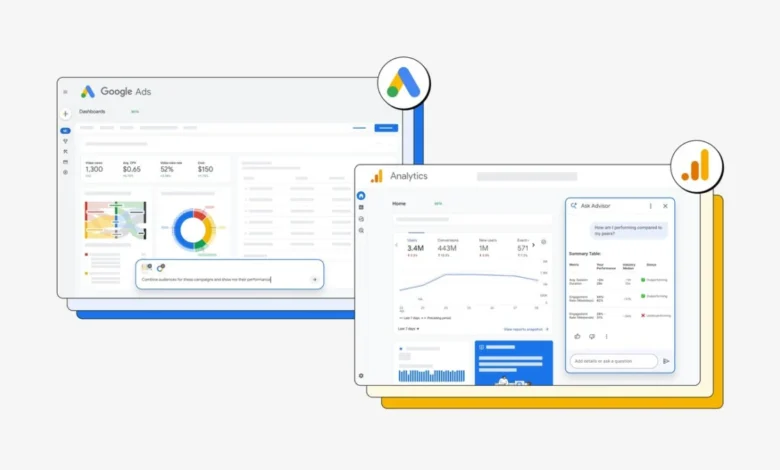
- Mid-2024: The announcement of "Ask Advisor" provided a unified conversational interface for marketers to query their own performance data using natural language.
- Current Expansion: The latest update expands these capabilities to include automated summaries, predictive benchmarking, and visual reporting tools, effectively moving from passive insight generation to active performance management.
Real-Time Insights and Homepage Overhauls
The most immediate change for users is the complete redesign of the Google Analytics homepage. Recognizing that marketers often struggle with "dashboard fatigue"—the feeling of being overwhelmed by too many metrics—Google has introduced "AI Overviews." These summaries act as a briefing layer, distilling high-level performance data into digestible narrative updates.
For instance, if a business experiences an anomalous spike in traffic or a sudden decline in conversion rates during a seasonal period, the AI Overview will highlight these events upon login. This ensures that the analyst is immediately oriented toward the most critical business drivers rather than sifting through granular reports. Furthermore, by allowing users to opt into phone or email notifications, Google is effectively transforming the analytics platform from a destination one visits into a proactive partner that alerts the user when intervention is required.
In the Google Ads interface, the focus is on competitive intelligence. The new personalized insights cards allow advertisers to query their specific campaign data to understand external pressures, such as shifts in impression share or competitive bidding trends. By moving the prompt box to the top of the insights feed, Google is encouraging a conversational approach to troubleshooting—allowing users to ask, "Why are my conversions down this week?" and receive a contextual answer that bridges the gap between raw numbers and market reality.
Visual Reporting and Data Democratization
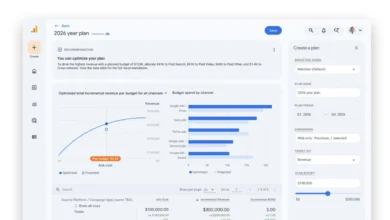
A persistent challenge in data science is the "translation gap," where technical findings must be presented to non-technical stakeholders. To bridge this, Google is rolling out "Dashboards" in Google Ads—a feature expected to arrive in Google Analytics shortly thereafter. This tool allows users to generate complex, professional-grade visualizations using simple text prompts.
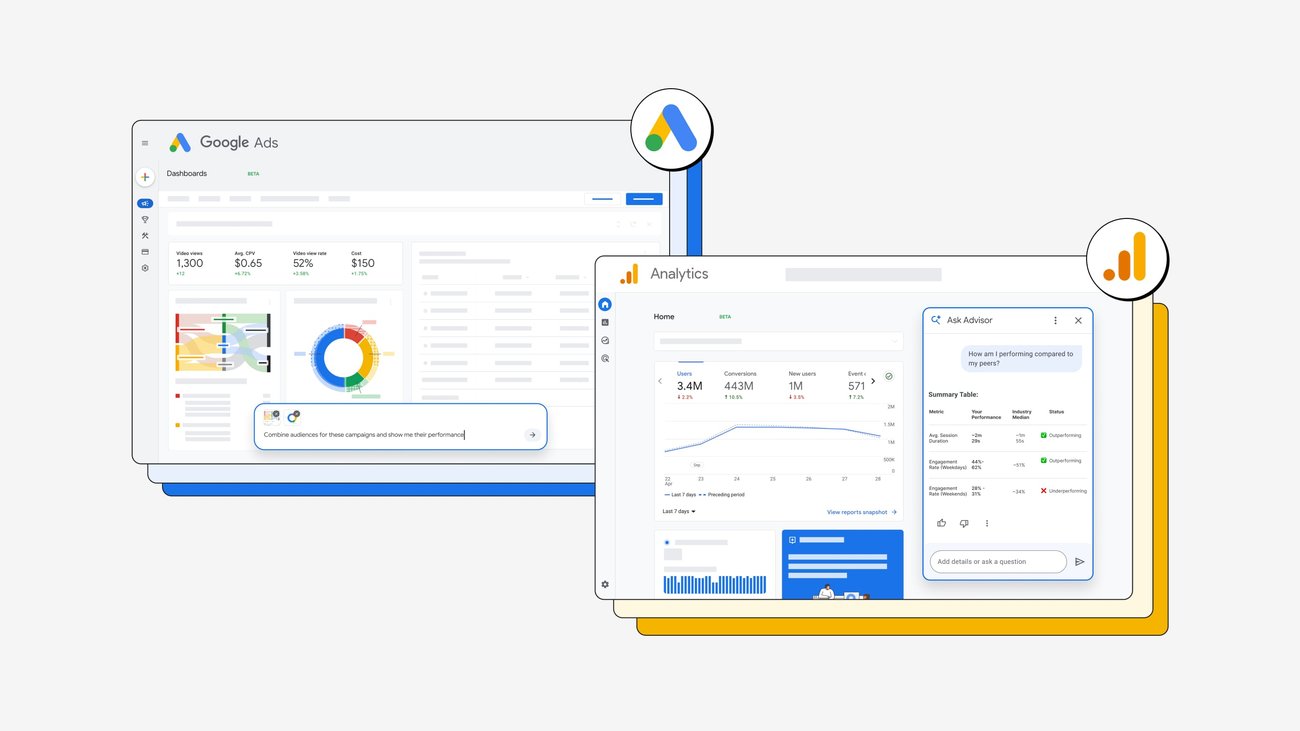
This is a significant shift for marketing agencies and internal teams who frequently spend hours building decks for executive reviews. By automating the creation of these reports, Google is lowering the time-to-value for performance analysis. More importantly, each report includes an automatically generated summary that explains the "why" behind the numbers. This provides a narrative structure that is essential for gaining stakeholder buy-in for new campaign budgets or strategic pivots.
Benchmarking Against Market Standards
Perhaps the most significant addition to the toolset is the introduction of anonymized benchmarking. Historically, advertisers have operated in a silo, often lacking context as to whether their conversion rates or click-through rates (CTR) are truly competitive. By leveraging aggregated, anonymized data from similar business sectors, Ask Advisor can now provide a "performance health check."
This allows a business to understand if a dip in performance is a result of their own campaign settings or a broader market trend. For example, if an e-commerce retailer notices a decline in sales, the benchmark feature can indicate if similar retailers are facing the same seasonal headwinds. This context is invaluable for decision-makers, as it dictates whether a strategy requires a radical overhaul or a "stay the course" approach.
Industry Implications and Expert Perspectives
The move toward agentic marketing platforms is already yielding results for early adopters. Kevin Marshall, Paid Media Director at Gardyn, noted that Ask Advisor has become his primary tool for "directional checks" on paid media performance. According to Marshall, the speed provided by these tools allows his team to pivot faster, moving from the analysis phase to the optimization phase in a fraction of the time previously required.
From an economic perspective, these tools serve as a force multiplier for marketing departments. By automating the identification of trends and the creation of reports, agencies can potentially reduce their operational overhead while increasing the strategic value they provide to clients. However, this also raises the bar for professional competency. As routine analysis becomes automated, the value of the "human in the loop" shifts from being a data reporter to being a strategic architect who interprets AI-generated insights to craft creative and long-term brand strategies.
Conclusion and Future Outlook
As Google continues to integrate its Gemini AI models into its core advertising infrastructure, the line between software and consultant continues to blur. The goal of these new features is clear: to keep the marketer in the driver’s seat while removing the friction that typically slows down business growth.
While these tools are currently focused on surfacing data and creating reports, the industry expects the next phase of development to involve more autonomous "execution agents" that could potentially suggest and implement budget shifts or audience adjustments based on real-time feedback. For now, the focus remains on empowering teams to work smarter, move faster, and rely on evidence-based decision-making. As these features continue to roll out globally, businesses that embrace these AI-driven workflows will likely find themselves better positioned to navigate the volatility of the modern digital marketplace. By reducing the complexity of data, Google is essentially creating a more accessible playing field where strategic thinking—not technical report-building—becomes the primary differentiator of success.