For many independent writers and creators on Substack, the platform’s "Notes" feature has become a critical tool for discoverability and audience engagement. Originally designed as a social feed to foster community interactions, Notes has evolved into a primary growth channel. Recognizing the need for consistent publishing schedules, Substack introduced native scheduling capabilities on March 23, 2026, marking a significant shift in how creators manage their editorial calendars. This development, coupled with third-party integrations like Buffer, has provided writers with the infrastructure necessary to treat short-form content with the same strategic rigor as long-form newsletters.

The Evolution of Substack’s Scheduling Infrastructure
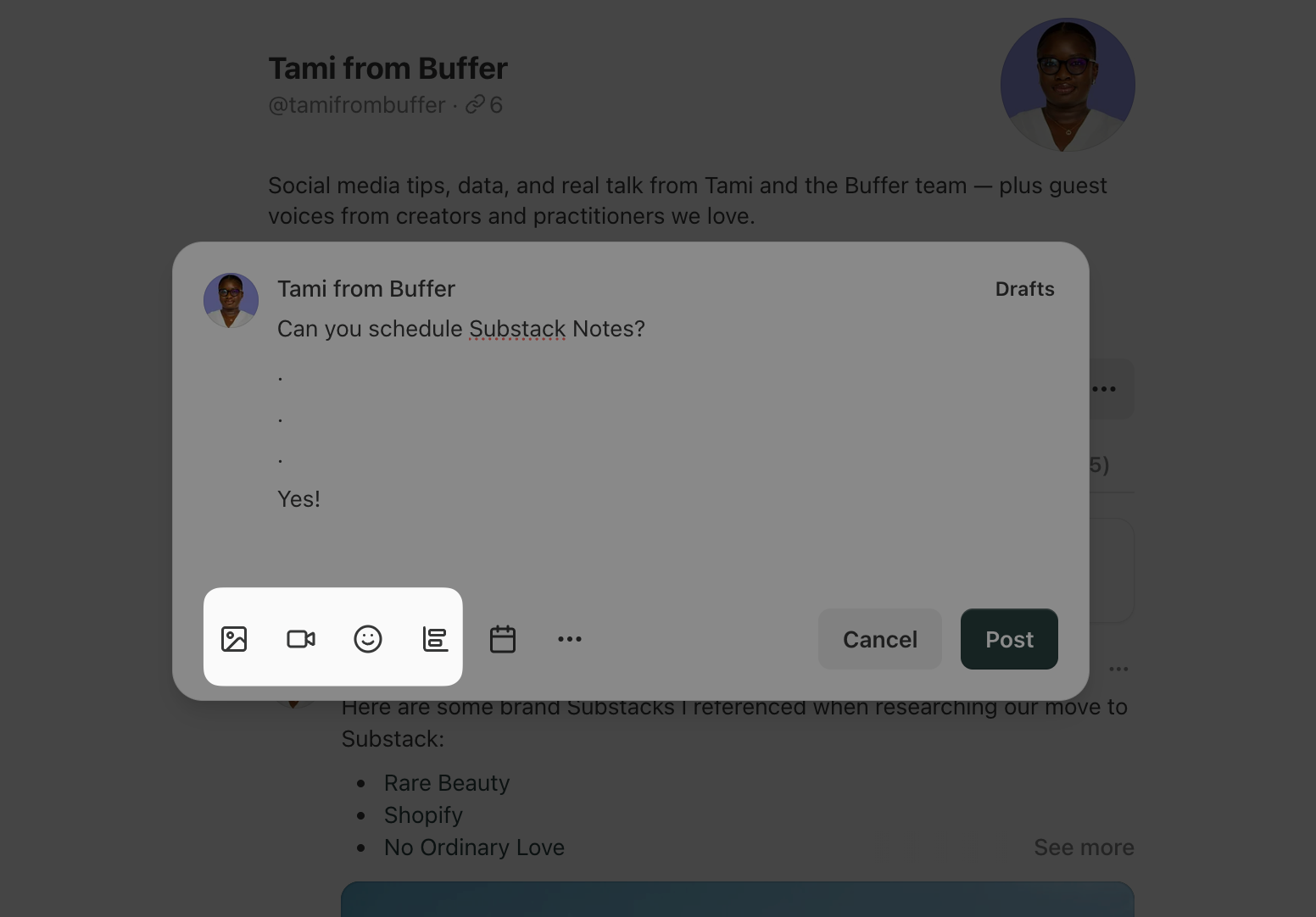
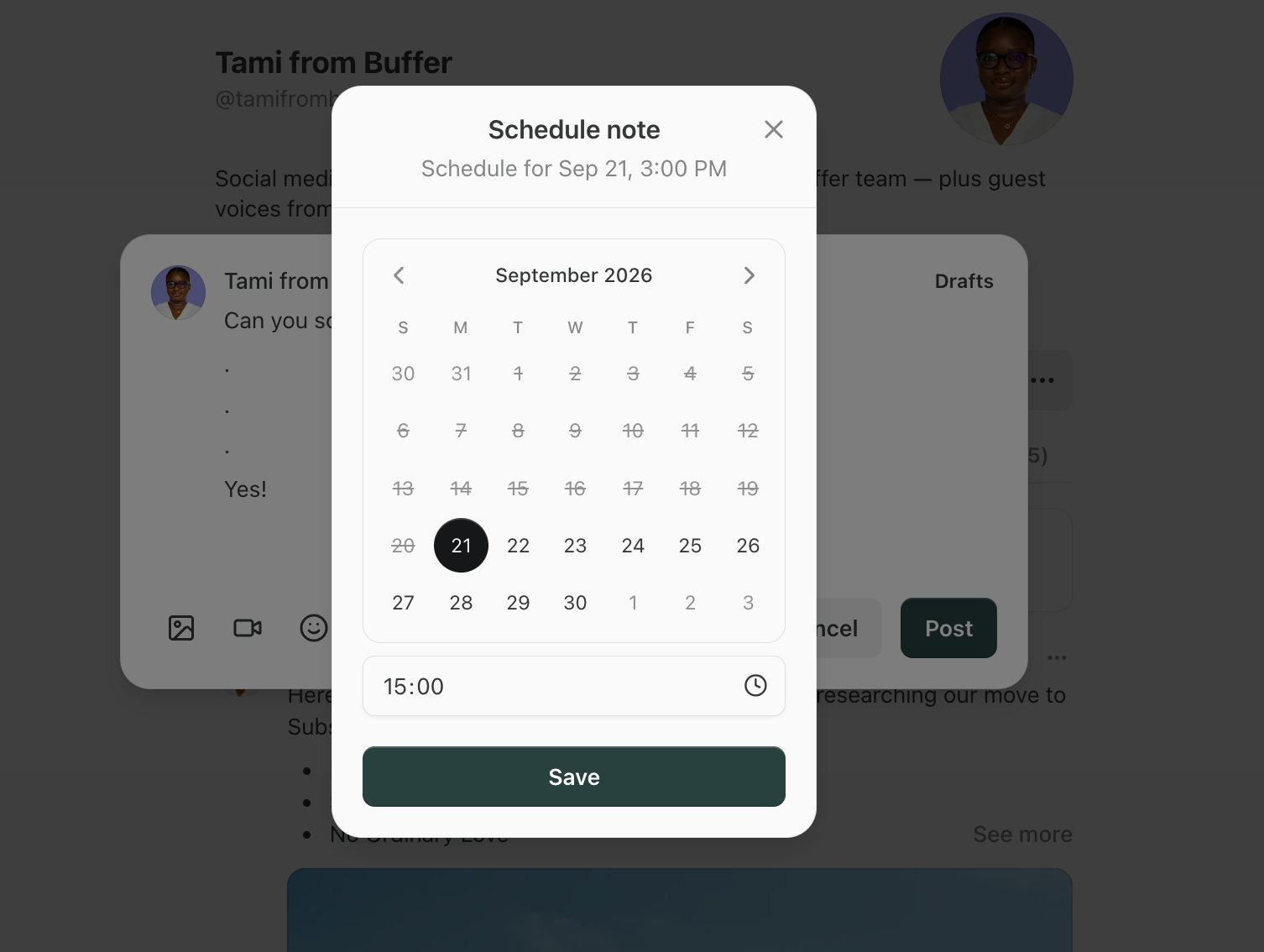
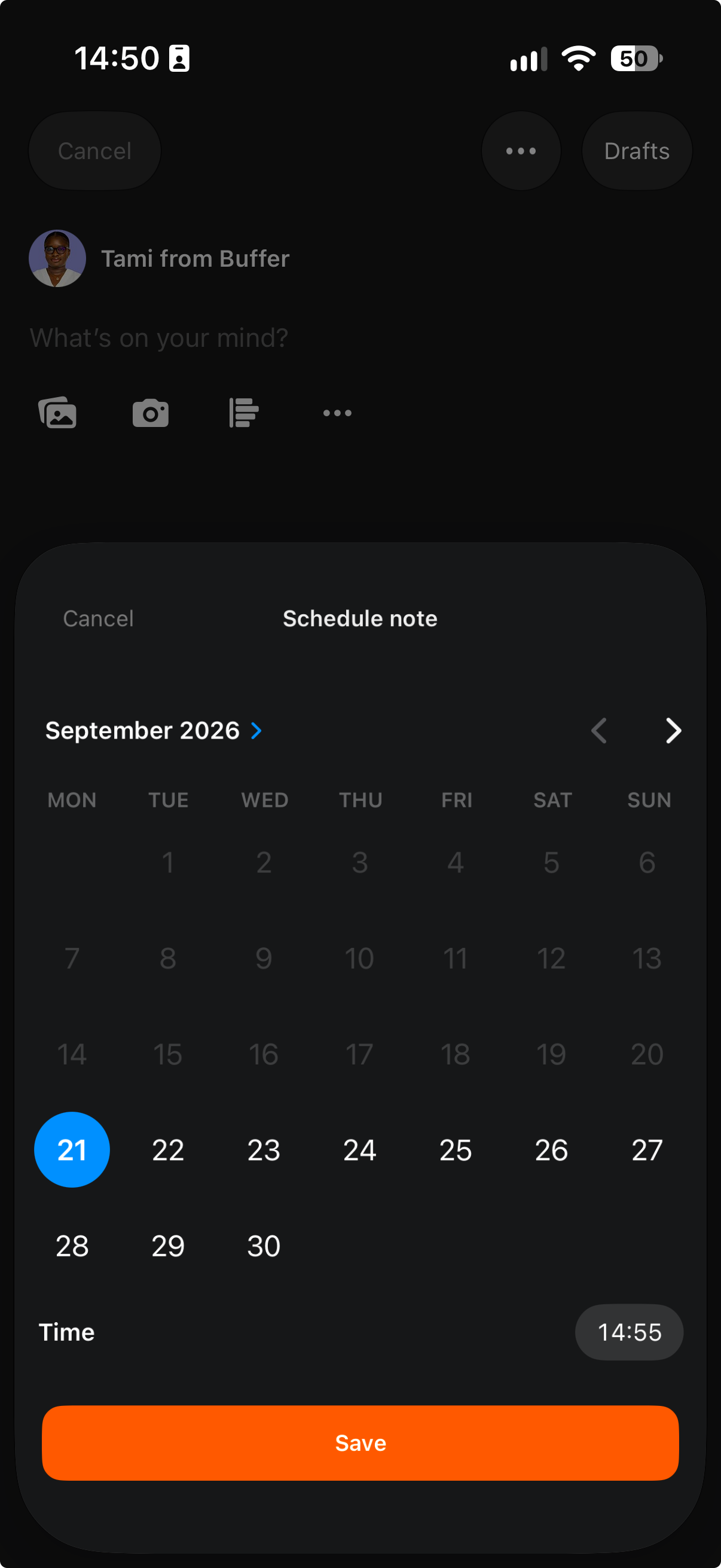
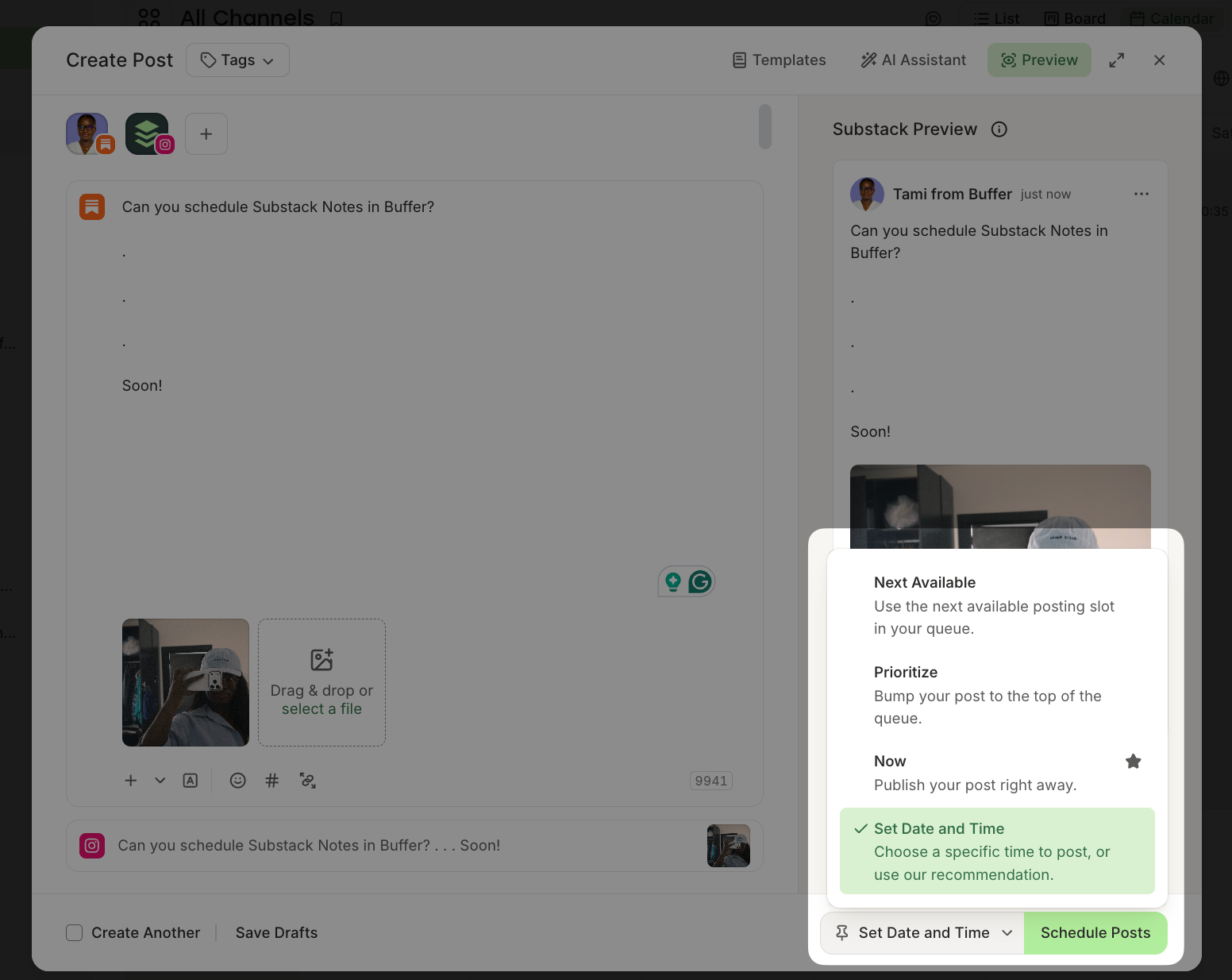
Before the implementation of the native scheduling feature, Substack users faced significant friction when attempting to maintain a consistent presence on the platform. Creators were forced to rely on manual posting, which required them to be active at specific times, or utilize cumbersome third-party browser extensions that lacked official support. The introduction of native scheduling on web, iOS, and Android platforms in March 2026 was a direct response to feedback from the creator community, who expressed a desire for better workflow management.
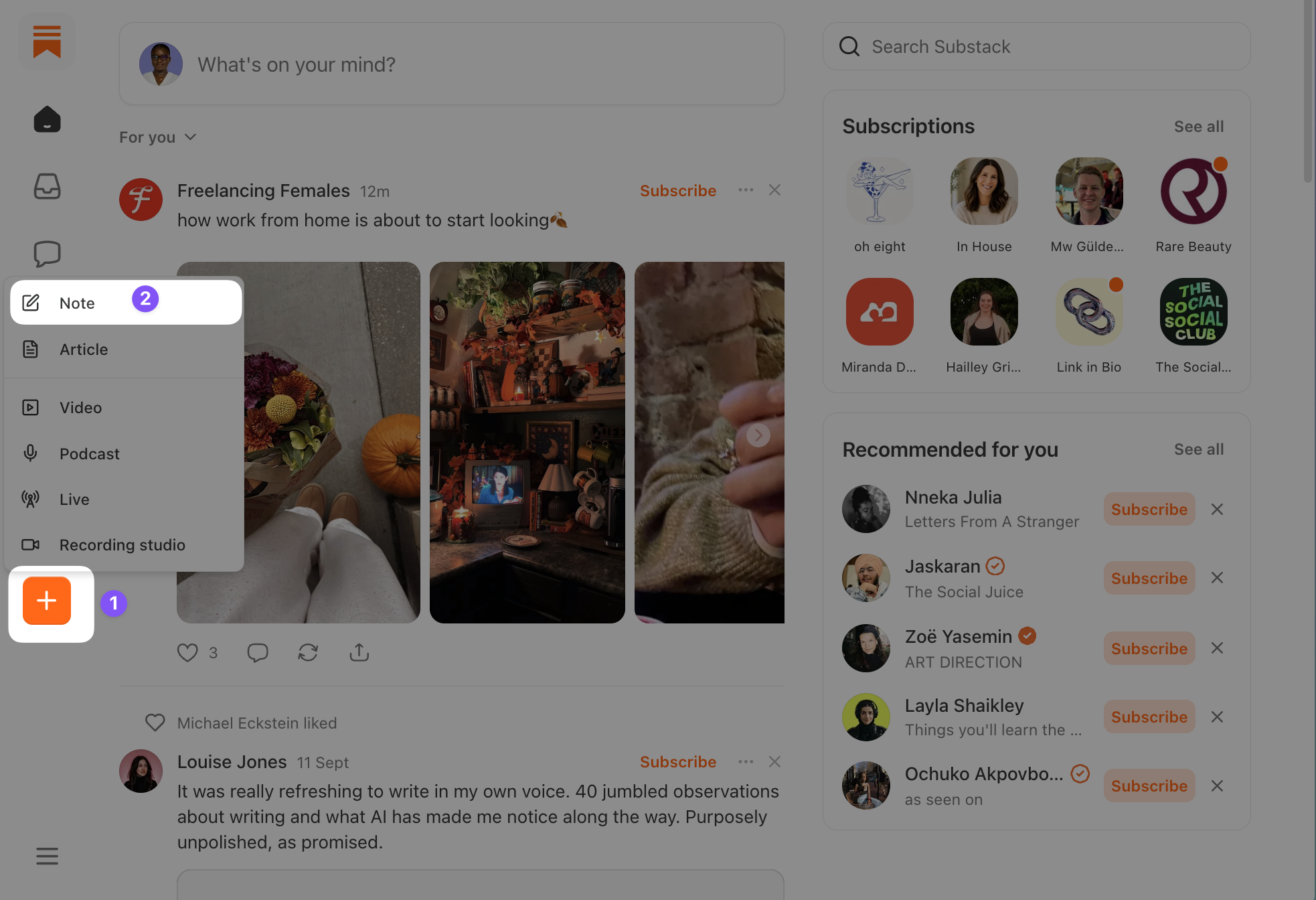
This transition reflects Substack’s broader strategy to retain users within its ecosystem. By allowing creators to queue content up to three months in advance, Substack has effectively reduced the "always-on" pressure that often leads to creator burnout. When a creator schedules a Note through the native interface, the draft is held in a centralized library, where it remains editable until the moment of publication. This allows for last-minute adjustments, ensuring that the content remains relevant even if it was composed days or weeks prior.
Technical Limitations of Native Tools
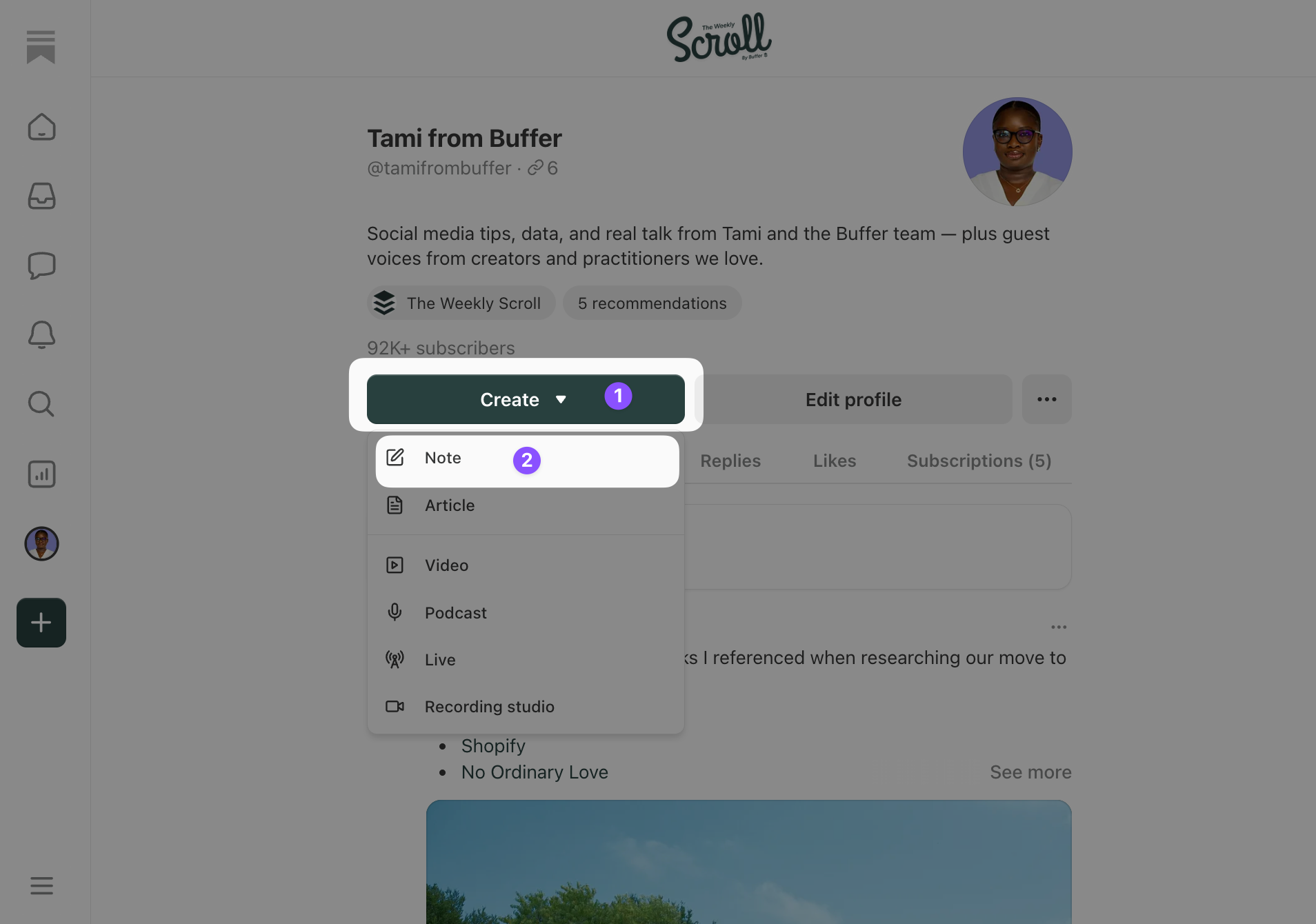
While the native scheduler provides a necessary baseline for casual users, it lacks the advanced functionality required for high-volume publishing or cross-platform synchronization. For instance, Substack’s internal tool does not provide a calendar-based visual overview of a week’s worth of content. Instead, users must scroll through a list of drafts, which complicates long-term planning and makes it difficult to spot gaps in an editorial calendar.
Furthermore, the native tool operates in a silo. It cannot facilitate the simultaneous distribution of content to other social networks such as LinkedIn, X, or Bluesky, nor does it offer granular, per-Note performance analytics. For a creator producing two or three Notes per week, these limitations may be negligible. However, for media organizations or professional writers who maintain a daily presence, the lack of centralized management and advanced reporting represents a significant operational hurdle.
The Role of Third-Party Integrations: The Case of Buffer
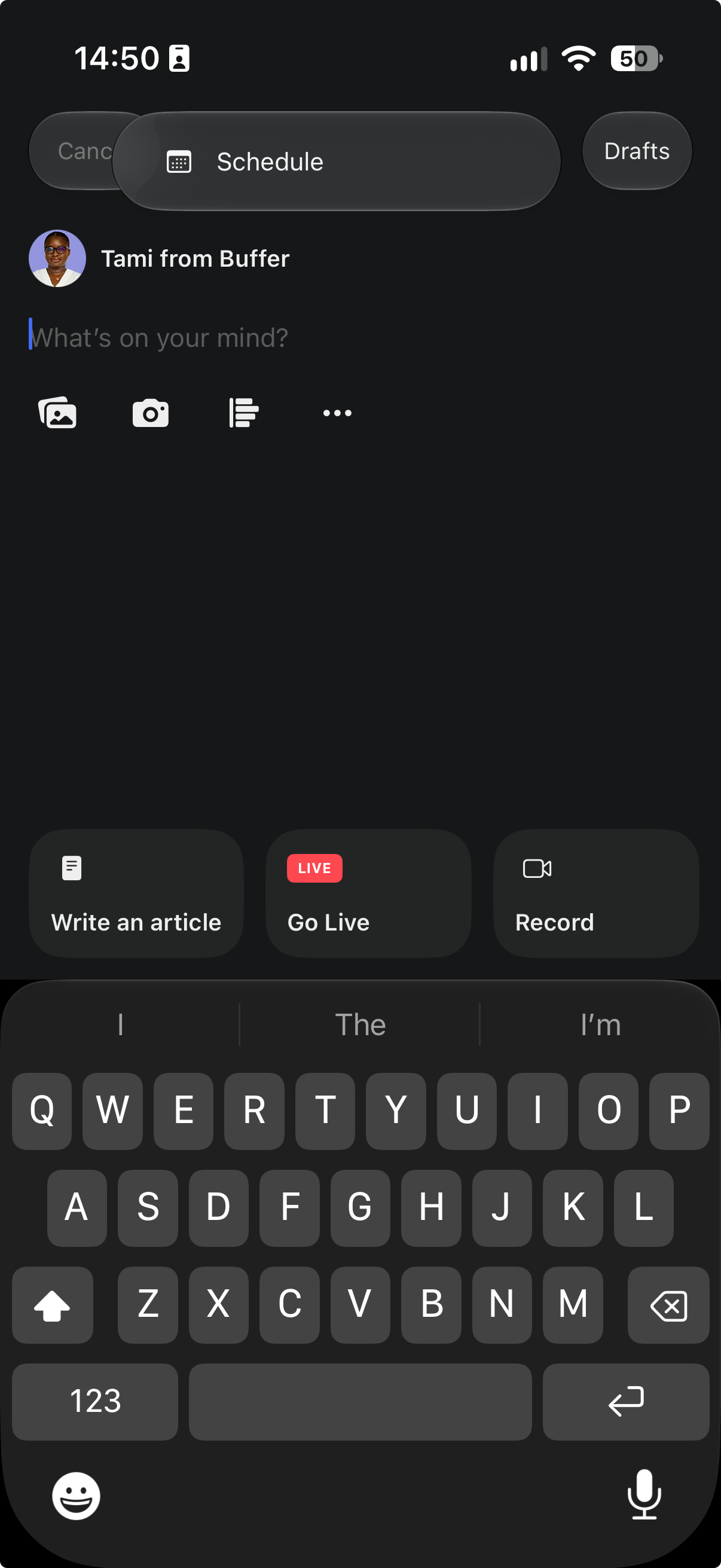
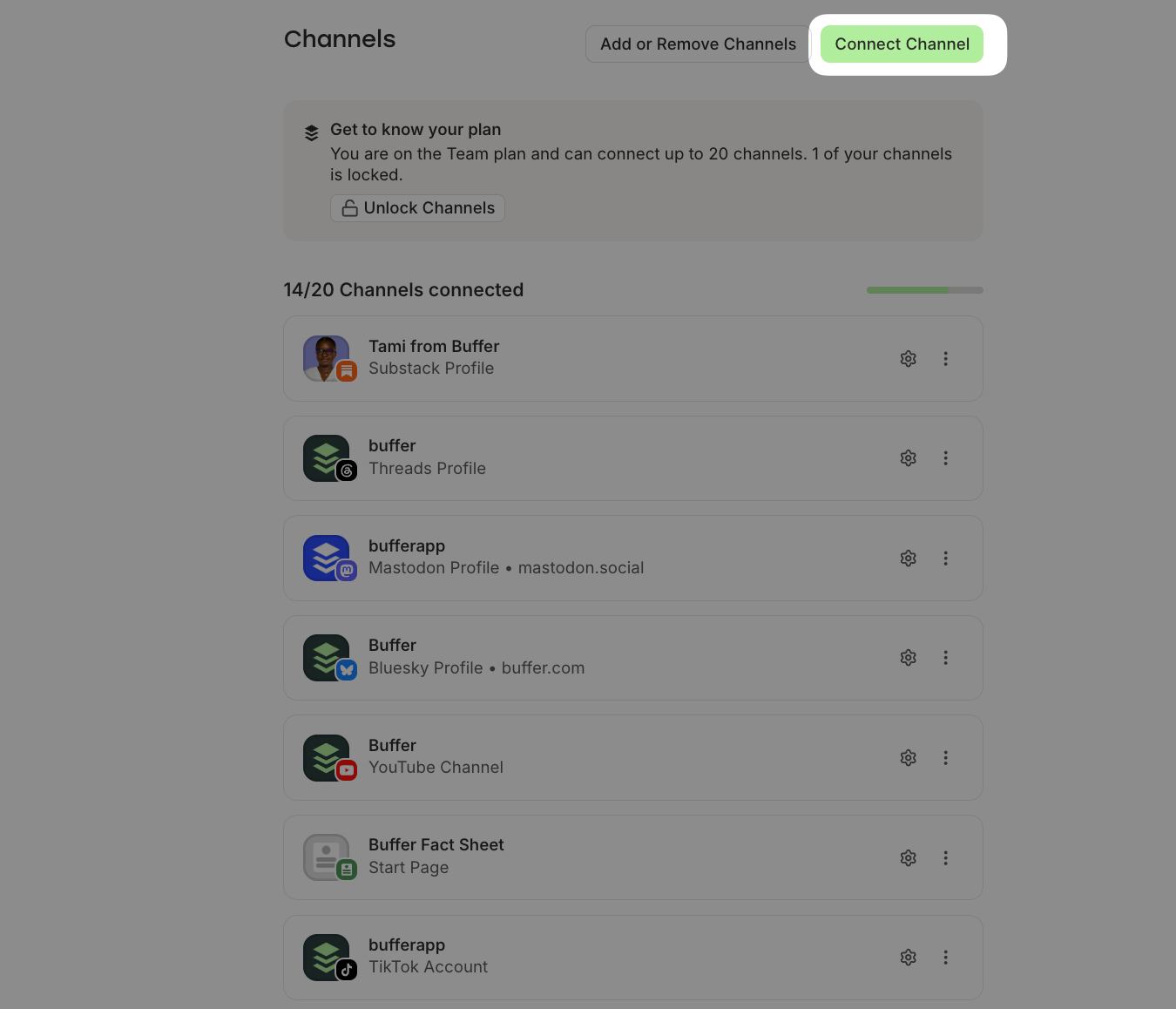
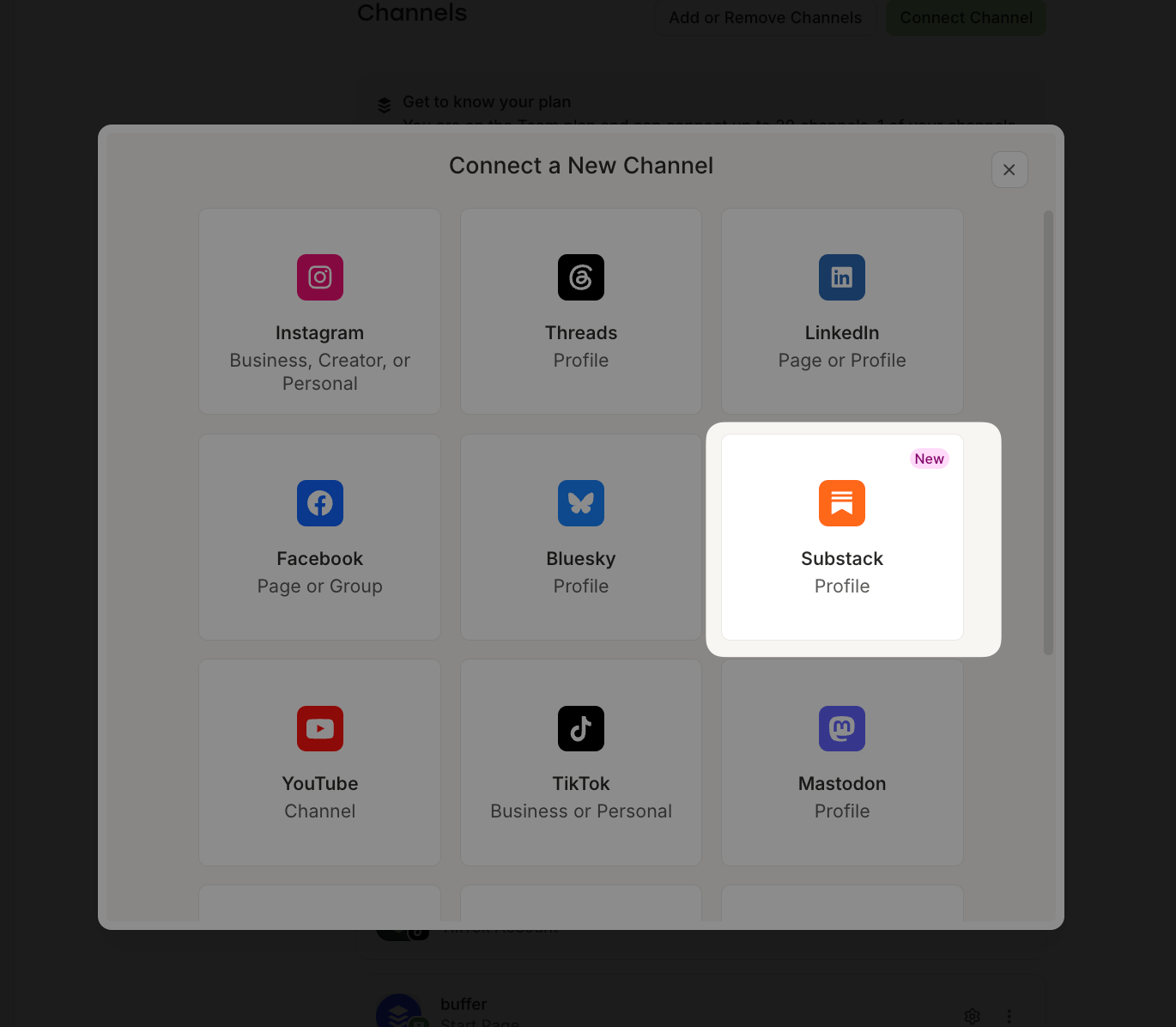
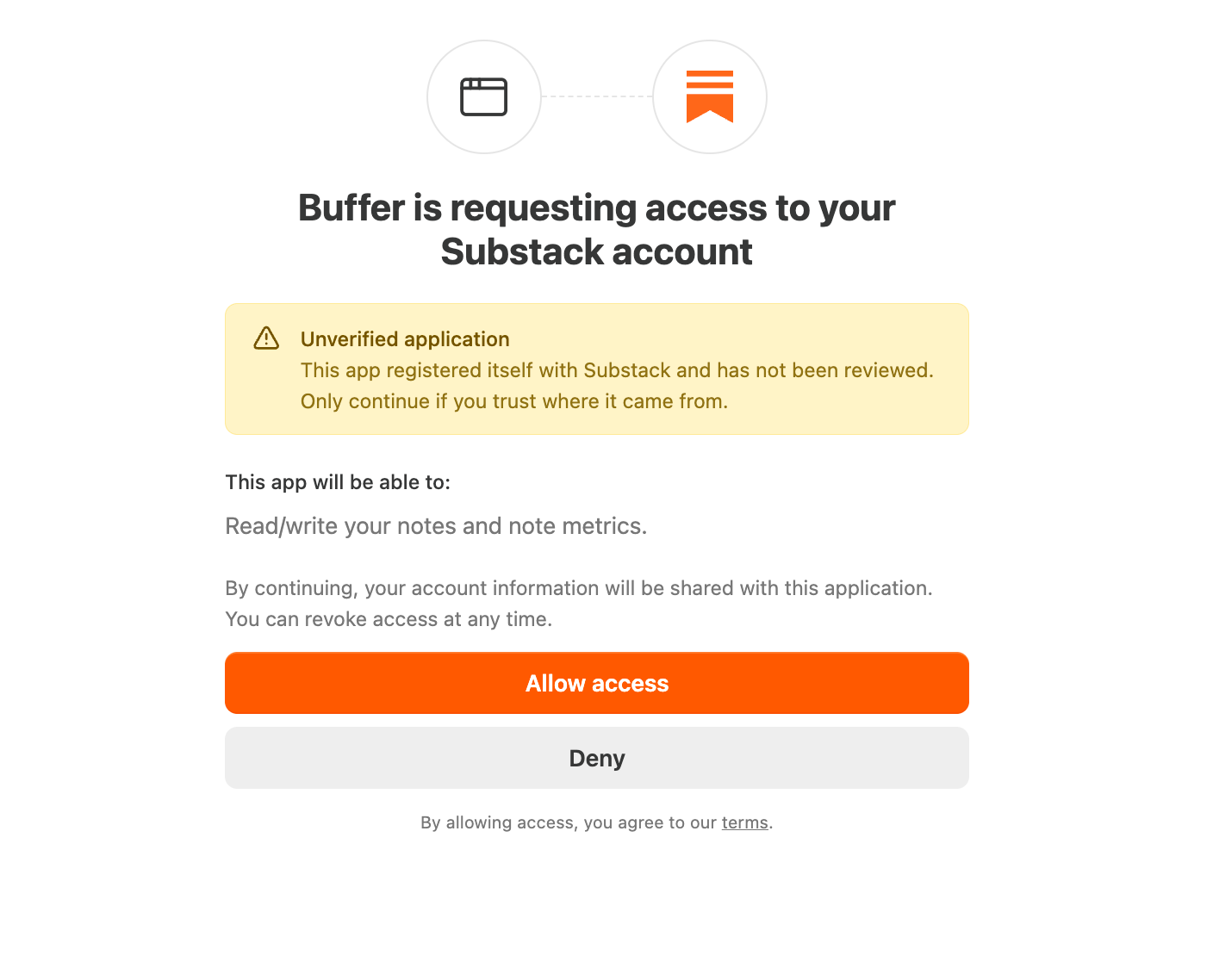
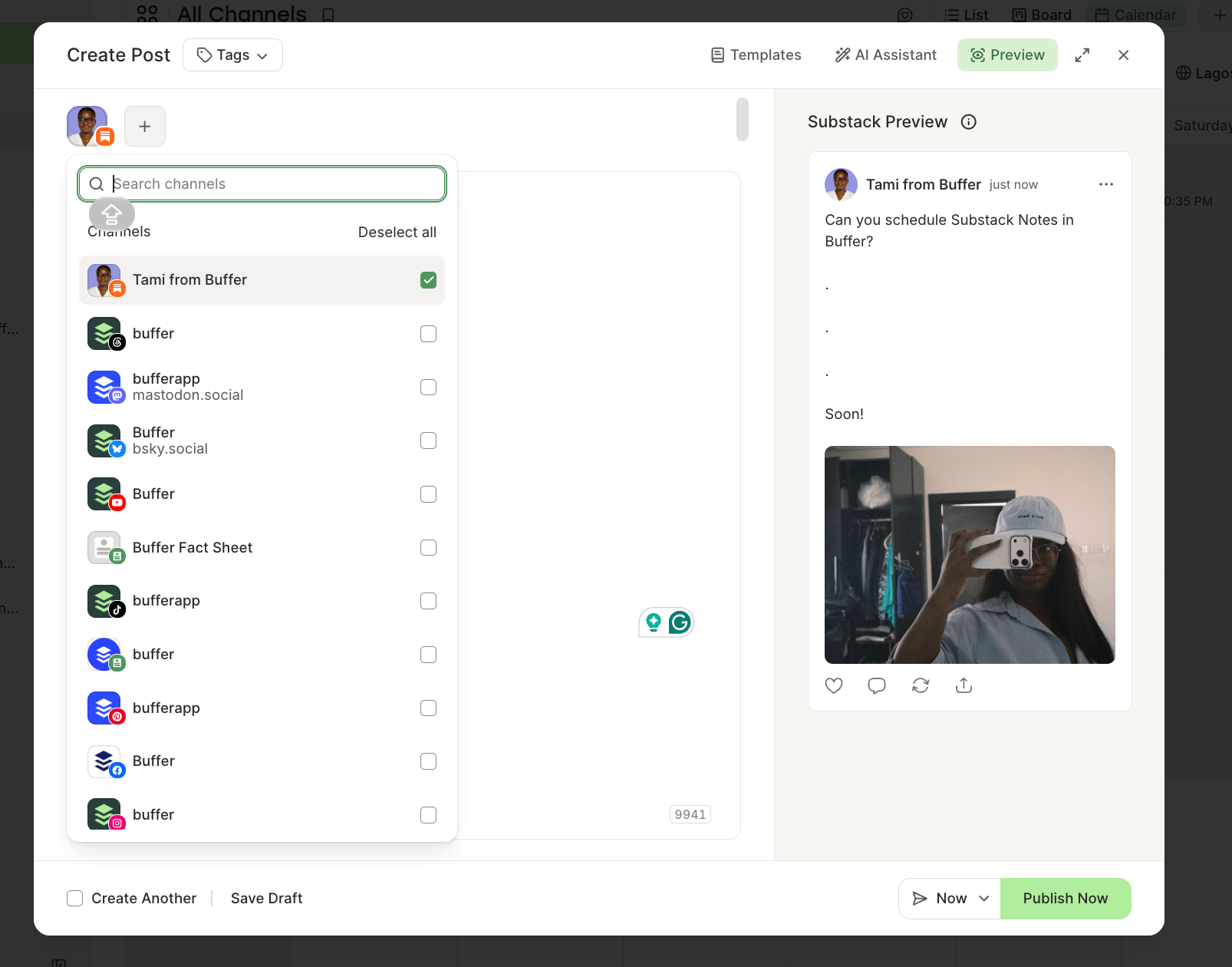
To bridge these gaps, many creators are turning to professional-grade social media management platforms like Buffer. The integration between Buffer and Substack is built upon Substack’s official API, ensuring compliance with platform standards while offering a more robust feature set.
When a Substack account is connected to Buffer, Notes are treated as an integrated social channel. This allows creators to see their Substack output alongside their posts for other platforms on a unified, drag-and-drop calendar. The primary advantage here is efficiency; a single idea can be drafted and tailored for multiple platforms simultaneously, ensuring a cohesive brand voice across channels.
Beyond organizational efficiency, the data-driven capabilities of such integrations offer a deeper look at the efficacy of social content. While Substack’s native analytics track basic engagement metrics—such as likes, replies, and restacks—Buffer provides a more comprehensive dashboard. This includes insights into impression rates, follower growth attribution, and, most importantly, the conversion metrics that tie specific Notes to the growth of both free and paid subscriber lists. This data is essential for creators who view their social activity as a funnel for long-term newsletter growth.

Operational Impact on Editorial Consistency
Recent analysis of high-performing publications suggests that the transition to scheduled, high-frequency posting leads to a measurable increase in audience retention. For example, during a month-long trial involving a daily cadence of scheduled Notes, creators reported that the primary benefit was not just the time saved, but the ability to focus on the "post-publish" phase of engagement.
When a Note is scheduled, the writer is freed from the mechanical task of clicking "publish" and can instead prioritize responding to comments within the critical first hour after a post goes live. This period is vital for fostering community sentiment and signaling to the Substack algorithm that the content is sparking meaningful discussion. By automating the deployment of the content, creators can ensure they are present for the resulting conversation, which is often where the most significant value for subscribers is created.
Fact-Based Analysis: Implications for Creators
The shift toward professionalized scheduling tools has several implications for the future of digital writing:
-
Competitive Parity: With the barrier to entry for daily content production lowered, the quality of discourse on the Notes feed is likely to increase. Creators who leverage scheduling tools will be able to maintain a professional standard of consistency that was previously reserved for large media teams.
-
Data-Informed Strategy: The ability to track which specific topics or formats drive new subscriptions allows for a more iterative approach to content creation. Creators can shift from "guessing" what resonates with their audience to using actual conversion data to shape their editorial strategy.
-
Platform Diversification: As creators gain the ability to manage Substack alongside other social platforms in a single interface, they are better positioned to diversify their reach. The risk of relying on a single platform is mitigated when distribution across multiple channels is managed efficiently.
Frequently Asked Questions regarding Scheduling
For those navigating these tools for the first time, several common questions arise regarding best practices and technical constraints.
Is scheduling free? Yes. Both Substack’s native tools and entry-level tiers of platforms like Buffer allow for the scheduling of content at no cost. Buffer’s free tier, for example, allows for 10 scheduled posts per channel, which is sufficient for many individual creators.
Do scheduled posts underperform? There is no evidence that the algorithm penalizes scheduled content. The publication process is identical to that of a manual post. The only variable that impacts performance is the timing of the engagement; if a creator is unavailable to participate in the conversation during the initial peak of interest, they may miss opportunities for community building.
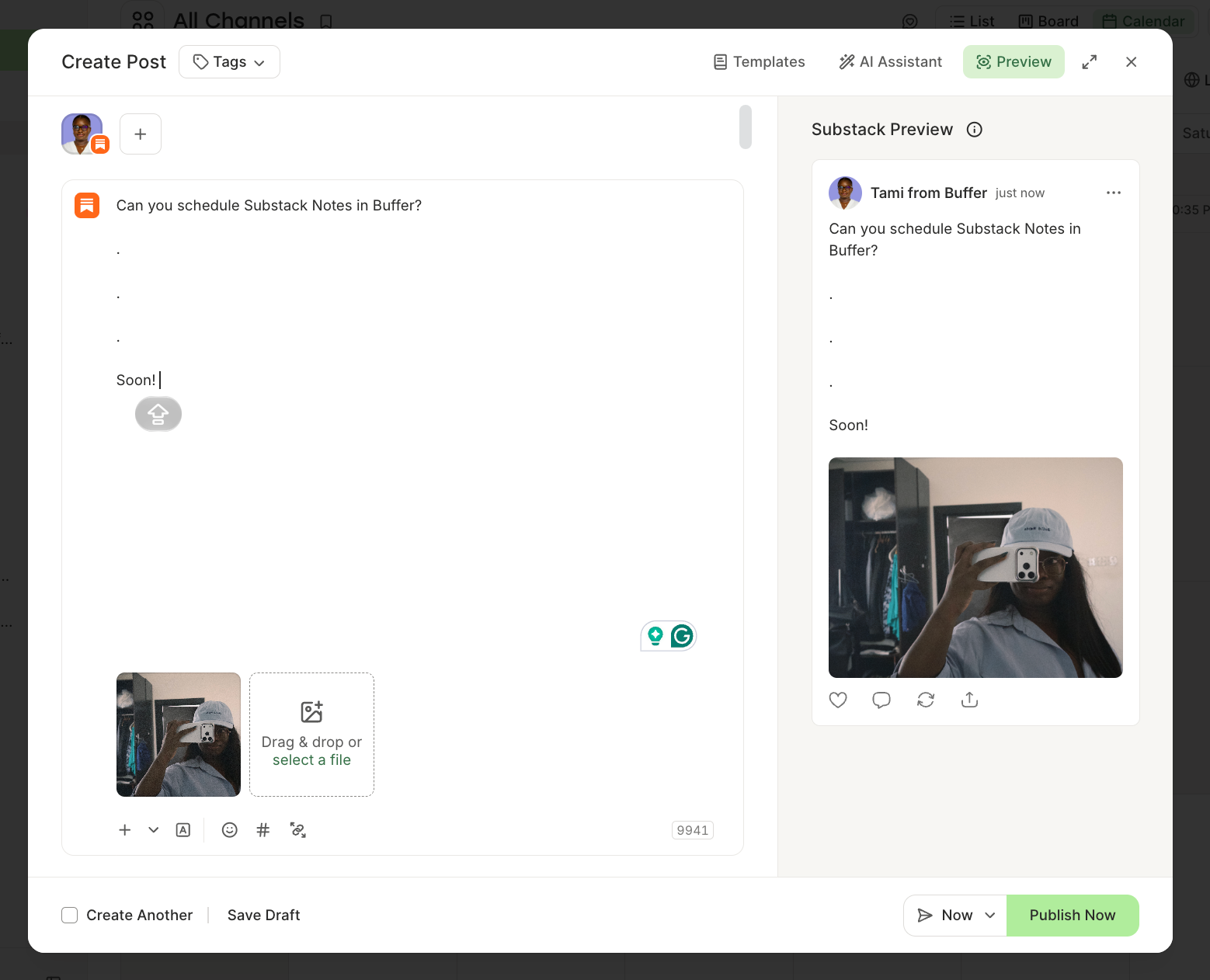
Are there restrictions on content? Both native and integrated schedulers support text, images, links, and video. However, certain interactive features, such as direct restacks or replies to other users’ content, remain manual tasks that cannot be automated. This is a deliberate design choice by platforms to prioritize authentic human interaction over automated noise.
How far into the future can one plan? Substack’s native interface allows for a three-month horizon, while professional tools like Buffer generally have no limit on how far in advance content can be queued. This is particularly useful for creators who prefer to batch-produce content during dedicated "writing days" and then automate the release schedule for the remainder of the month.
Conclusion: Strategic Implementation
The ability to schedule Substack Notes has transitioned from a "nice-to-have" convenience to a foundational element of a modern writing workflow. Whether a creator opts for the simplicity of Substack’s native scheduler or the advanced analytics and multi-platform capabilities of a tool like Buffer, the goal remains the same: to remove the friction between ideation and publication.
By adopting a scheduled, disciplined approach to content distribution, creators can move away from the frantic cycle of daily creation and toward a sustainable, long-term growth model. The technology is now sufficiently mature to support this transition; the challenge for the modern writer is now to use the time reclaimed by automation to deepen their engagement with their community and refine their editorial focus. Through careful planning and the use of the right toolsets, writers can ensure that their voice remains a constant, reliable presence in the increasingly crowded digital landscape.