Google has once again recalibrated its formidable search algorithms, introducing a significant update to its widely recognized E-A-T guidelines. The new framework, dubbed E-E-A-T, now incorporates an additional "E" for "Experience," signaling a deeper emphasis on first-hand, personal engagement with the subject matter within online content. This evolution marks a pivotal moment for content creators, SEO professionals, and digital publishers, as Google continues its relentless pursuit of high-quality, trustworthy information in an increasingly saturated digital landscape.
The Evolution of Content Quality: From E-A-T to E-E-A-T

The journey towards E-E-A-T began nearly a decade ago. In 2014, Google first introduced the E-A-T acronym — standing for Expertise, Authoritativeness, and Trustworthiness — into its Search Quality Rater Guidelines. These guidelines, meticulously detailed documents used by human quality evaluators, instructed raters to assess websites based on these three core pillars. The underlying objective was to reward content that demonstrated profound knowledge, established credibility, and fostered user trust, particularly for topics that could impact a user’s health, financial well-being, or safety (classified as "Your Money or Your Life" or YMYL content).
The significance of E-A-T dramatically increased in 2018 with a major algorithm update that profoundly impacted search engine rankings. Websites that excelled in demonstrating expertise, authority, and trustworthiness saw preferential treatment in Search Engine Results Pages (SERPs), while those lacking these qualities often experienced significant drops in visibility. This update cemented E-A-T as a cornerstone of Google’s ranking philosophy, prompting a widespread shift among content creators towards establishing clear author credentials, citing reputable sources, and building strong brand reputations.
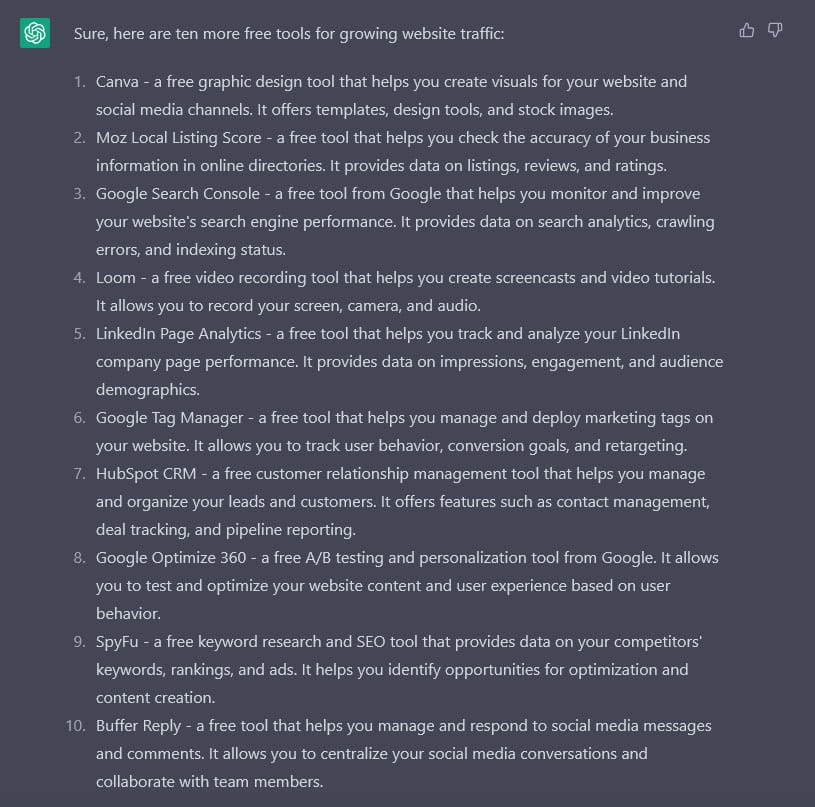
However, the digital ecosystem continued to evolve at an unprecedented pace. The advent and rapid proliferation of generative Artificial Intelligence (AI) tools, such as ChatGPT, presented a new challenge to Google’s content quality objectives. While AI offers immense potential as an assistant and productivity enhancer, its widespread and often uncritical deployment led to a surge in superficially coherent but ultimately shallow, repetitive, and experience-deficient content. This influx threatened to dilute the quality of search results, making it harder for users to find genuinely helpful and insightful information.
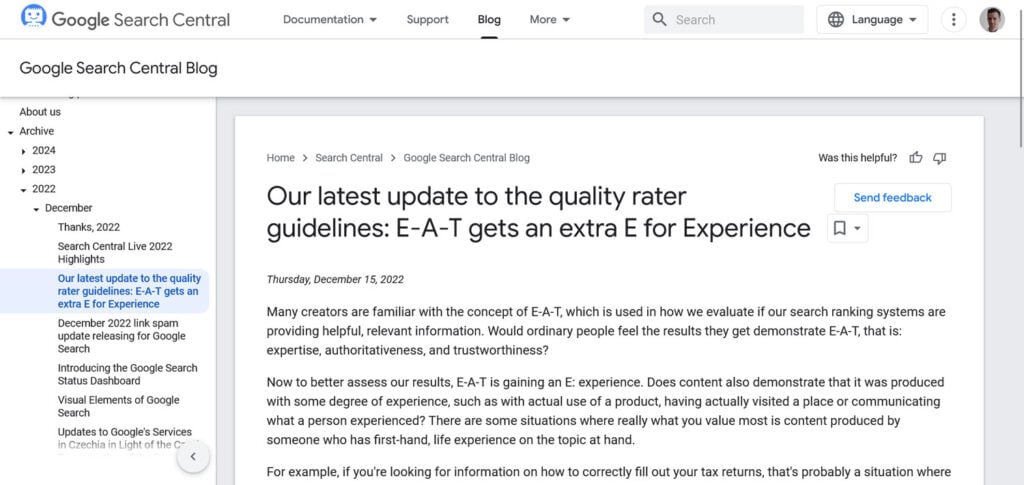
In response to this shifting landscape, Google formally updated its Search Quality Rater Guidelines in December 2022, introducing the second "E" for "Experience." This addition was explicitly designed to prioritize content that reflects personal, hands-on engagement with the topic. Google officials, though not directly commenting on AI as the sole catalyst, implicitly acknowledged the need to distinguish between theoretical knowledge and practical, lived experience. This update is widely interpreted by industry analysts as a strategic move to counteract the potential for AI-generated content to dominate SERPs without offering true value derived from human interaction.
Deciphering the "Experience" Factor
The new "Experience" component demands that content creators demonstrate genuine, first-hand interaction with the subject they are writing about. This goes beyond mere research or theoretical understanding. For instance, a product review is no longer sufficient if it merely rehashes specifications from a manufacturer’s website; it must reflect actual usage, personal impressions, and practical insights gained from using the product. Similarly, a tutorial on a software application should ideally include screenshots and anecdotes from the author’s direct interaction with the program, rather than generic step-by-step instructions.

The implications of this shift are far-reaching. Websites and authors who have historically relied on curating information or synthesizing data without direct engagement will need to fundamentally rethink their content creation strategies. Google’s quality raters are now specifically instructed to look for tangible evidence of "life experience" that validates the content’s claims and recommendations. This new criterion pushes the bar higher for authenticity and practical utility, moving away from purely academic or theoretical presentations of information.
Strategies for Mastering the New "Experience" Guideline
For content creators aiming to thrive under the E-E-A-T framework, integrating genuine experience is paramount. This requires a deliberate shift in approach and execution:
-
Prioritize First-Hand Engagement: The most direct way to satisfy the "Experience" factor is to actually use, test, or participate in the subject matter. For product reviews, this means acquiring and thoroughly testing the product. For service reviews, it means subscribing and actively engaging with the service. For "how-to" guides, it means performing the steps oneself and documenting the process. This foundational step is non-negotiable.
-
Document and Showcase Your Experience: Mere claims of experience are insufficient. Content must provide verifiable proof. This can include:
- Original Photography and Videos: High-quality, unique images and video clips of the product in use, the service being navigated, or the process being demonstrated. Avoid generic stock photos or images directly from manufacturers’ websites.
- Screenshots with Personal Annotations: For software or online services, capture screenshots that clearly show your personal interface, custom settings, or specific interactions, often with annotations highlighting key features or challenges.
- Personal Anecdotes and Case Studies: Weave in personal stories, challenges faced, and lessons learned during the experience. These narratives add a human touch and make the content more relatable and trustworthy.
- Data from Personal Testing: If applicable, present data or results from your own testing (e.g., benchmark scores for hardware, before-and-after results for a technique).
-
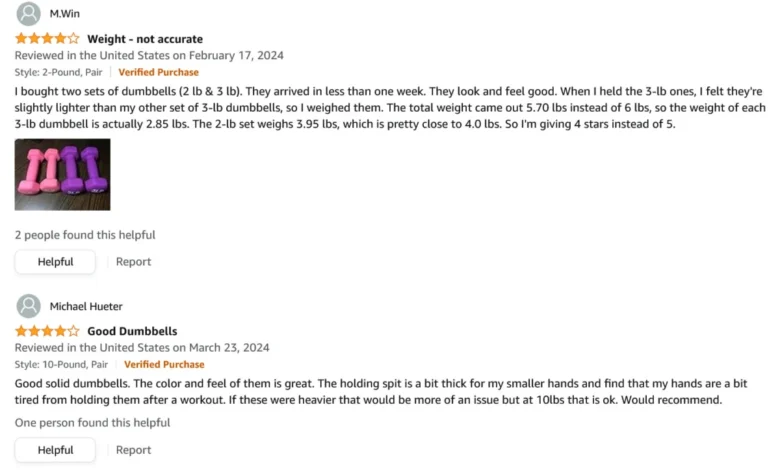
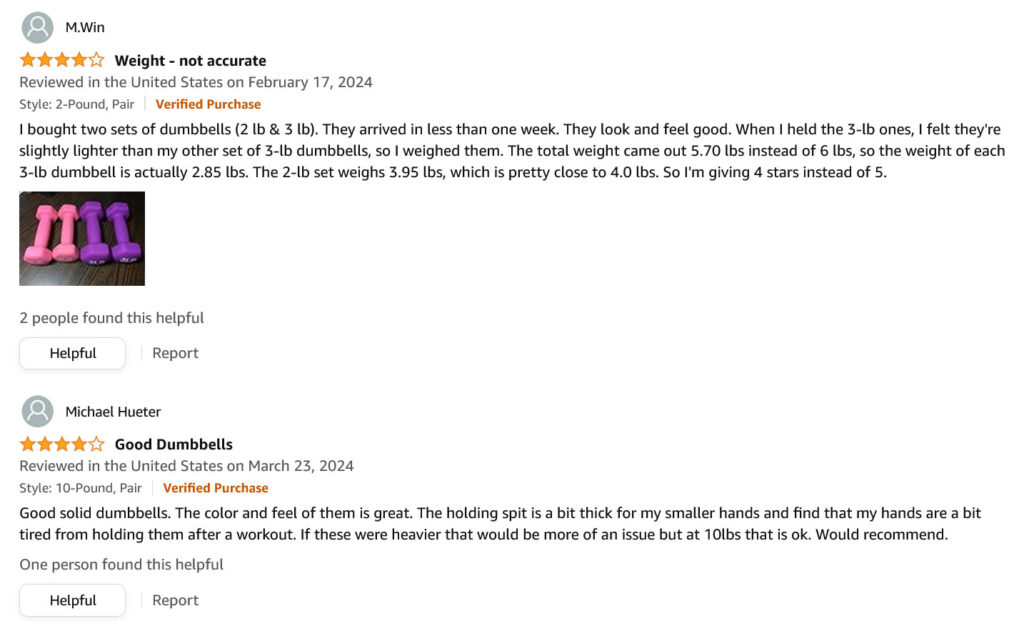
Provide Honest and Balanced Opinions: Genuine experience often comes with nuanced perspectives. Content should offer an honest assessment, including both strengths and weaknesses. A review that is excessively laudatory and devoid of any criticism can appear disingenuous to both human readers and search quality raters. Consumers, as observed in studies (e.g., from Boston University’s Questrom School of Business), often trust four-star reviews more than five-star ones, perceiving them as more thoughtful and credible. This balanced approach reinforces authenticity and trustworthiness.

-
Avoid Purely AI-Generated Content: While AI can assist in content creation (e.g., brainstorming, outlining, grammar checks), relying solely on it to generate entire articles, especially those requiring personal experience, is a direct contravention of the "Experience" guideline. AI lacks subjective consciousness and cannot have first-hand experiences. Content that reads as generic, repetitive, or devoid of a human voice will likely be penalized under E-E-A-T. Google’s algorithm is increasingly sophisticated at identifying patterns indicative of low-quality, AI-spun content.
-
Strengthen Author Credentials and Transparency: While part of the broader E-A-T framework, transparency about who is creating the content becomes even more critical with the "Experience" factor. Detailed author bios that highlight relevant personal experiences, qualifications, and areas of expertise are essential. An "About Us" page that clearly outlines the website’s mission, values, and the background of its contributors helps establish credibility and a human presence behind the content.
The Four Levels of E-E-A-T in Google’s Quality Guidelines
Google’s Search Quality Rater Guidelines categorize content quality into several levels, with E-E-A-T being a core determinant. Understanding these levels provides a roadmap for improvement:
- Lowest E-E-A-T: Reserved for content that is explicitly harmful, deceptive, or illegal. This includes misinformation that could cause serious harm, scam sites, or pages designed to spread malware. Such content offers no legitimate value and actively undermines user trust.
- Lacking E-E-A-T: Pages in this category might not be malicious but fail to demonstrate adequate experience, expertise, authoritativeness, or trustworthiness. This often includes content that is poorly researched, factually inaccurate, plagiarized, or created with minimal effort, offering little to no original value. Even content from well-intentioned bloggers can fall into this category if it does not meet Google’s rigorous standards.
- High Level of E-E-A-T: This is the baseline for quality content. Pages here successfully demonstrate the four E-E-A-T pillars. They are typically well-researched, factually accurate, written by credible authors, and, crucially, show evidence of personal experience where appropriate. Such content provides genuine value to the user and is published on a reputable platform.
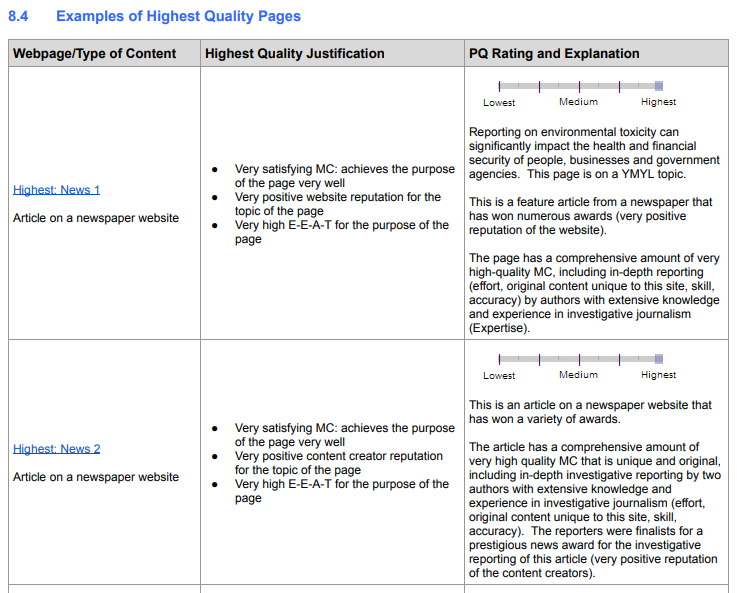
- Very High Level of E-E-A-T: To achieve this top tier, content must go above and beyond. It represents the gold standard, characterized by exceptional depth, unique insights, original research, and a profound level of experience. This content often comes from widely recognized experts or institutions, offers groundbreaking information, or provides an exceptionally comprehensive and satisfying user experience. Examples include meticulously crafted investigative journalism, scientific papers, or in-depth product reviews from established industry authorities.
Interplay with YMYL and Needs Met Ratings
The "Experience" update holds particular weight for YMYL (Your Money or Your Life) content. For topics concerning finance, health, safety, or legal advice, the bar for E-E-A-T has always been exceptionally high. Medical advice, for example, must be provided by licensed medical professionals, and financial guidance by qualified advisors. However, Google’s updated guidelines also clarify that for some YMYL topics, personal experience can complement, or even in specific contexts, replace formal expertise. For instance, a person who has successfully managed chronic pain can offer valuable "experience-based" tips, even if they are not a medical doctor, provided this is clearly communicated and does not contradict professional medical advice. Similarly, someone who has navigated financial hardship can offer "experience-based" insights on budgeting, distinct from a certified financial planner’s "expertise-based" advice.

Beyond E-E-A-T, Google’s quality evaluators also assess content based on the "Needs Met" rating. This criterion evaluates how effectively a search result fulfills the user’s intent and answers their query. High E-E-A-T content naturally tends to achieve a higher Needs Met rating because it is more likely to be comprehensive, accurate, and practically useful. A piece of content might be technically proficient in SEO, but if it fails to address the underlying user need or provides unsatisfactory answers, its Needs Met score will suffer, impacting its ranking regardless of other factors.
Broader Implications for the Digital Content Landscape
The E-E-A-T update, particularly the emphasis on "Experience," signifies Google’s ongoing commitment to combating low-quality content and prioritizing genuine human insights. This move is likely to have several significant implications:
- Increased Barrier to Entry: For new websites or those attempting to rank in competitive niches without genuine expertise or experience, the challenge will intensify. Content farms or those relying on thinly veiled AI-generated content will face greater difficulties in achieving visibility.
- Premium on Authentic Voices: Brands and individuals with established personal experience and a track record of producing genuine content will be rewarded. This could lead to a resurgence of independent bloggers and niche experts who can authentically share their experiences.
- Investment in Content Creation: Businesses will need to invest more in generating original, experience-driven content. This may involve physically testing products, conducting interviews, performing original research, and hiring subject matter experts or writers with direct experience.
- Transparency and Attribution: The importance of clear author attribution, detailed author bios, and transparent sourcing will be amplified. Websites must make it easy for Google (and users) to understand who is behind the content and what their credentials and experiences are.
- Shift in SEO Strategies: SEO will become even more intertwined with content quality and authenticity. Tactics focused purely on keywords or technical optimization without a foundation of genuine experience will become less effective.
- Human Oversight of AI: For those using AI, the update underscores the critical need for human editors to infuse content with unique experiences, critical analysis, and personal touches that AI cannot replicate.
In conclusion, Google’s E-E-A-T update, with its new "Experience" pillar, reinforces a long-standing directive: content that truly helps users, built on a foundation of genuine human insight and interaction, will prevail. While the initial algorithm updates can be perplexing for many, the underlying principle is clear: prioritize authenticity, demonstrate first-hand engagement, and consistently deliver value. Those who embrace these tenets will not only safeguard their SEO status but also build stronger, more trusted connections with their audiences. The digital age, despite its technological advancements, continues to value the unique and irreplaceable contributions of human experience.
Related posts: