From Bakery Veteran to National Founder: How Theresa Burnley Turned a Protein-Bite Side Hustle Into a Multimillion-Dollar Enterprise

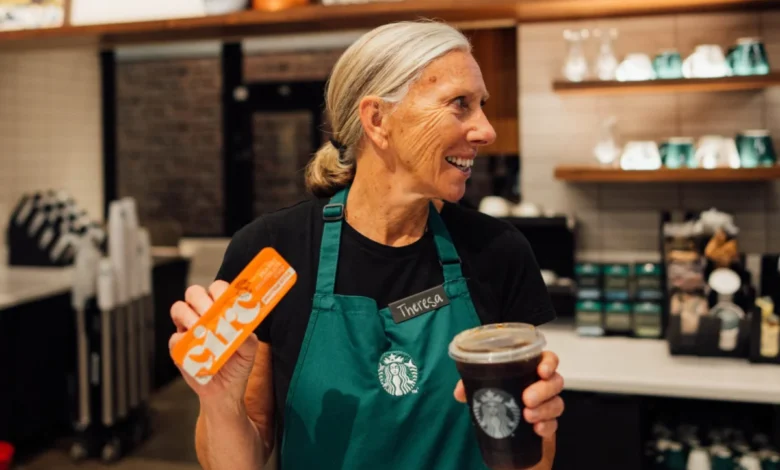
The landscape of the consumer packaged goods (CPG) industry is notoriously unforgiving, littered with the remnants of ambitious brands that failed to scale past regional farmers markets. Yet, occasionally, a founder emerges with deep industry infrastructure already in place, fundamentally altering the trajectory of a startup. This is the story of Theresa Burnley, a 65-year-old entrepreneur from Milford, New Hampshire, who spent nearly two decades manufacturing clean-label baked goods behind the scenes for giants like Trader Joe’s and Milk Bar before launching her own brand, Circ.
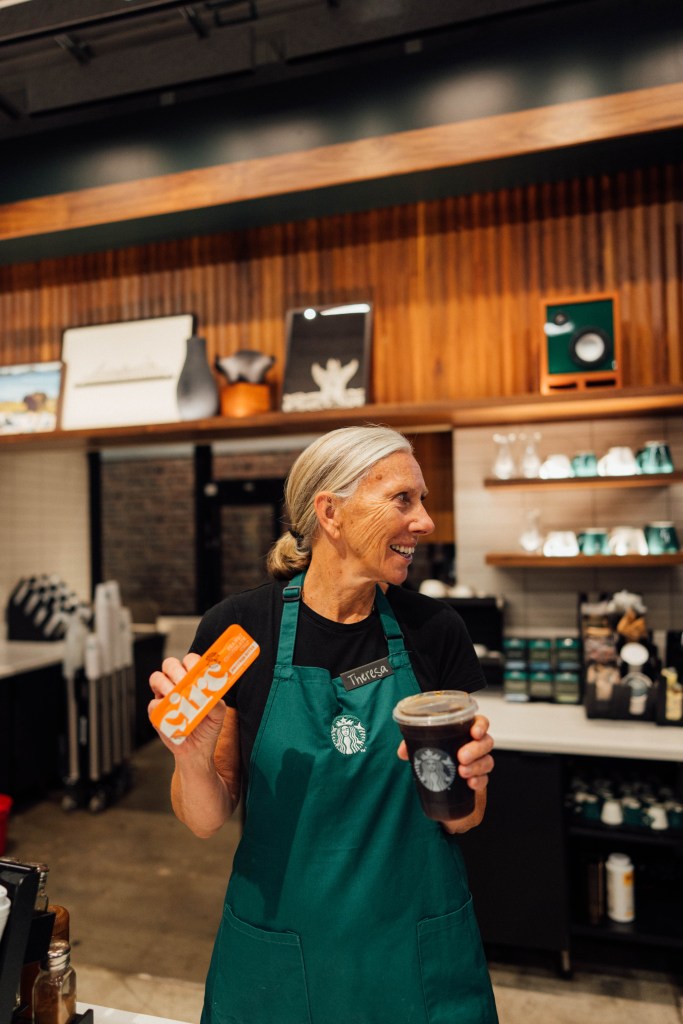
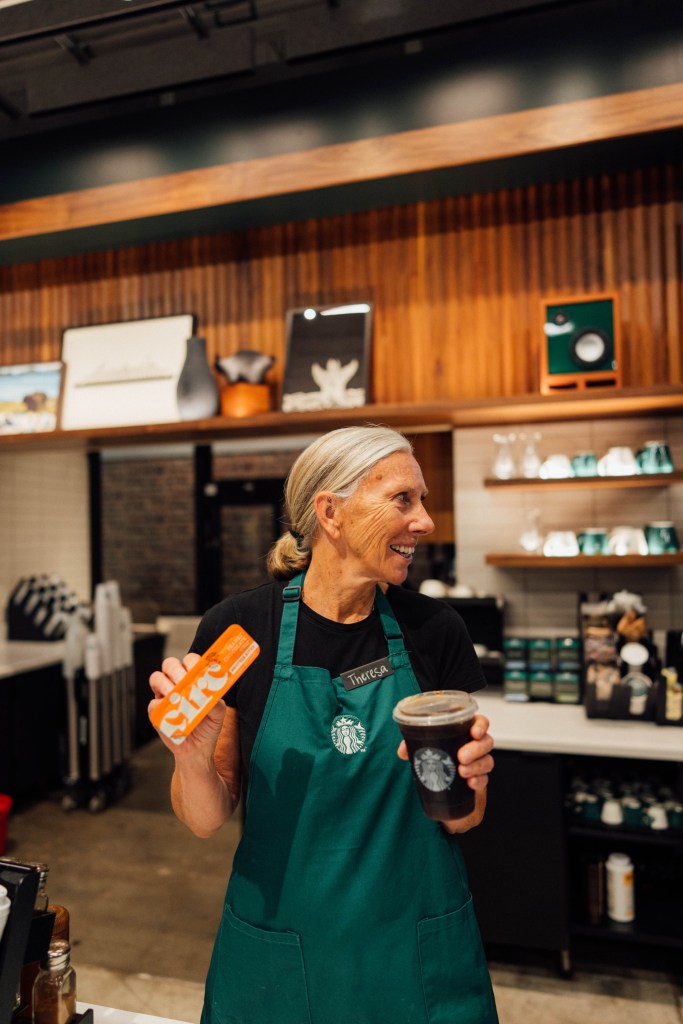
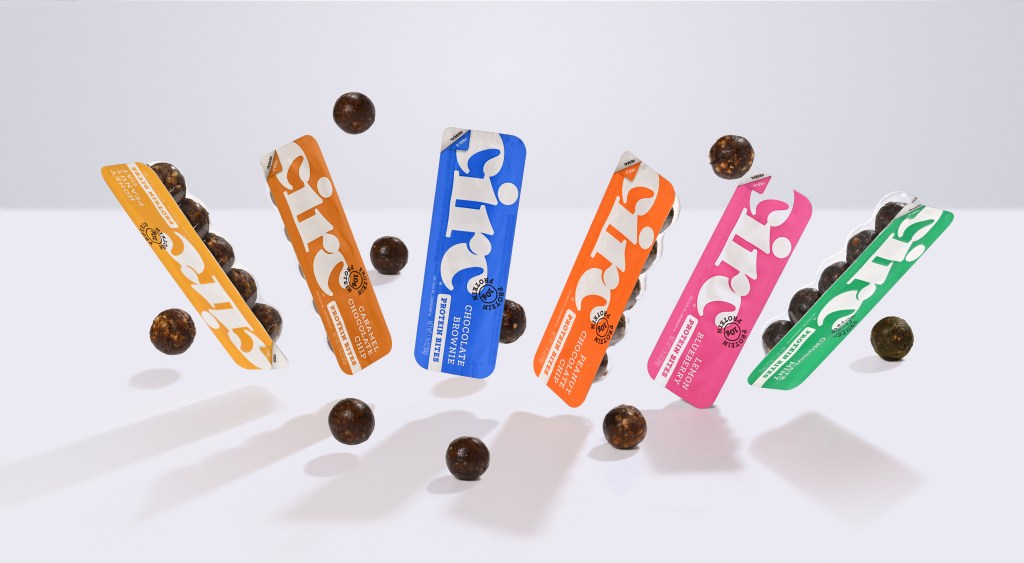
What began in 2023 as a measured side hustle while Burnley ran her established manufacturing business, Wiley Road Foods, has rapidly evolved into a national phenomenon. By the close of 2024, Burnley had stepped away from her primary enterprise to pilot Circ on a full-time basis. Today, the protein-bite brand boasts a product line of six distinct flavors, commands roughly $2 million in annual revenue, and occupies shelf space in more than 13,000 retail storefronts nationwide, including retail mainstays such as Starbucks and Walmart.
A Lifetime of Nutritional Focus Inspires Industry Disruption
Burnley’s entry into the snack food sector was not born out of a fleeting market trend, but rather a lifelong dedication to athletics and active living. As a lifelong distance runner and the mother of three collegiate athletes, nutrition was a constant fixture in her household. However, after 16 years of operating Wiley Road Foods—a contract manufacturer that developed and produced unique clean-label pastries for high-profile national brands—Burnley recognized an untapped opening in the macro-snack market.
The inspiration for Circ crystallized when Burnley evaluated the contemporary functional snack aisle and identified a glaring structural flaw: the traditional protein bar had become antiquated. Developed decades prior to cater to a different consumer lifestyle, the standard rectangular bar format failed to align with modern eating habits. Today’s consumers increasingly favor grazing, on-the-go consumption, portion control, and targeted nutritional supplementation, shifts further accelerated by modern health regimens and GLP-1 medications.
To address this behavioral shift, Burnley envisioned a bite-sized, nutrient-dense product that offered both functional convenience and exceptional flavor. Drawing upon years of manufacturing expertise, she resolved to build an independent natural food brand alongside her family, bypassing the traditional trajectory of software or tech-based side hustles in favor of physical goods manufacturing.
Bootstrapping Infrastructure and Overcoming R&D Hurdles
Unlike many early-stage founders who must outsource production to third-party co-packers—a bottleneck that can severely compress profit margins and limit quality control—Burnley leveraged her existing manufacturing background. Because her team did not have to rely on external facilities, they maintained absolute autonomy over the production lifecycle.
Crucially, the product’s R&D approach differed from conventional food science methodologies. Burnley’s product development team consisted of professional pastry chefs rather than food scientists. This distinction ensured that flavor and texture remained paramount, preventing the chalky, overly processed taste profile that plagues many mainstream nutritional snacks.
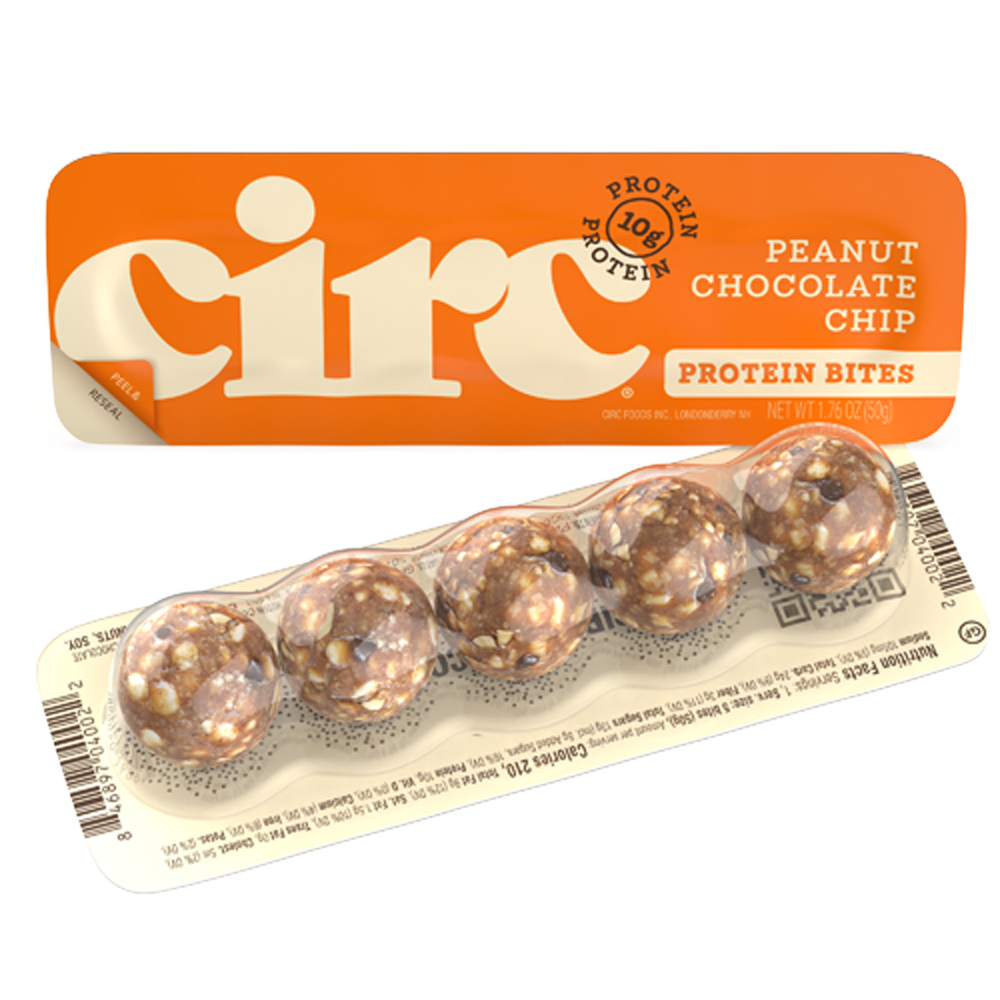
However, the path from concept to retail distribution demanded significant capital and mechanical innovation. Recognizing that consumer experience hinges heavily on packaging functionality, Burnley’s team spent years engineering a proprietary delivery system. They adapted specialized manufacturing equipment to form compact, portable packages containing precisely five protein bites, complete with a custom-engineered resealable lid designed for modern on-the-go lifestyles. In total, the launch of Circ required an investment exceeding $1 million dedicated entirely to process engineering, packaging development, and initial product manufacturing.
Navigating the Shift from Manufacturer to Brand Builder
Reflecting on the enterprise’s evolutionary trajectory, Burnley identifies a pivotal realization regarding the company’s operational identity. Initially, the venture operated as a manufacturing entity that happened to house its own brand. Over time, that paradigm inverted: Circ became a consumer-facing brand that happened to control its own manufacturing ecosystem.
Had she approached the launch differently, Burnley notes that her team would have prioritized front-end brand-building activities much earlier in the developmental timeline. Entering the consumer packaged goods space requires immense psychological resilience. The market entry barrier—often referred to as going from "zero to one"—is notoriously brutal. Hundreds of consumer brands quietly dissolve annually, overshadowed by the rare success stories visible on social media feeds and grocery store shelves. Burnley emphasizes that aspiring founders must possess an unusually high tolerance for operational friction, financial stress, and systemic rejection.
Operating a physical manufacturing brand also introduces variables entirely divorced from the digital economy. Supply chain volatility, delayed freight transport, equipment malfunctions, and raw material specifications falling outside tolerance thresholds are daily realities. Burnley’s primary mechanism for mitigating these risks is maintaining structural slack within the system: securing excess manufacturing capacity, keeping redundant spare parts on hand, maintaining buffer inventory, and baking generous lead times into production schedules.
Scaling Distribution and Financial Projections
Circ’s debut at the Natural Products Expo West trade show served as an immediate springboard, securing early retail placements that generated steady top-line momentum shortly after launch. Despite this rapid retail adoption, achieving profitability requires navigating the heavy fixed costs inherent to self-manufacturing. While outsourcing production to co-packers minimizes upfront capital expenditure, owning proprietary manufacturing facilities yields structural cost advantages and quality control benefits once the brand achieves critical mass.
That scale is arriving rapidly. Circ generated approximately $2 million in top-line revenue during its previous fiscal year, and internal forecasts project a fourfold increase in its run rate for the current year.
Transitioning Circ from a nocturnal side project to a full-time executive role demanded a profound lifestyle adjustment. In the earliest stages, when packaging, machinery, branding, and product formulation were running concurrently alongside her duties at Wiley Road Foods, the workload was measured and sporadic. However, as retail demand accelerated, Burnley made the definitive choice to divest her bakery business and dedicate her waking hours entirely to Circ. Comparing the phase to managing infant twins, Burnley notes that the enterprise has reached a critical growth stage where complete executive oversight remains non-negotiable.
Broader Implications for the Functional Snack Industry
Circ’s rapid ascent mirrors broader economic and consumer shifts within the American retail landscape. The decline of the traditional candy and heavy confectionary categories, paired with a surging consumer demand for functional, high-protein foods, has created fertile ground for agile independent brands. Major retailers like Starbucks and Walmart are increasingly carving out shelf space for health-conscious, portion-controlled snacks, signaling a permanent evolution in mainstream consumer purchasing habits.
Furthermore, Burnley’s trajectory highlights a growing trend among seasoned industry veterans: utilizing decades of business-to-business manufacturing knowledge to bypass traditional venture capital gatekeepers and launch direct-to-consumer and direct-to-retail brands. By retaining control over the supply chain, founders like Burnley insulate themselves from the margin compression that frequently sinks early-stage food startups.
For aspiring entrepreneurs entering the physical goods sector, Burnley offers a pragmatic closing philosophy. While mentorship and community networks provide valuable perspective, she argues that founders must ultimately absorb the raw complexity and psychological weight of building a company alone. No external advisor will ever analyze the enterprise with the granular focus of its creator, reinforcing the necessity of absolute ownership and unwavering conviction.