Clover vs Square vs Shopify: A Comprehensive Analysis of Retail Point of Sale Systems

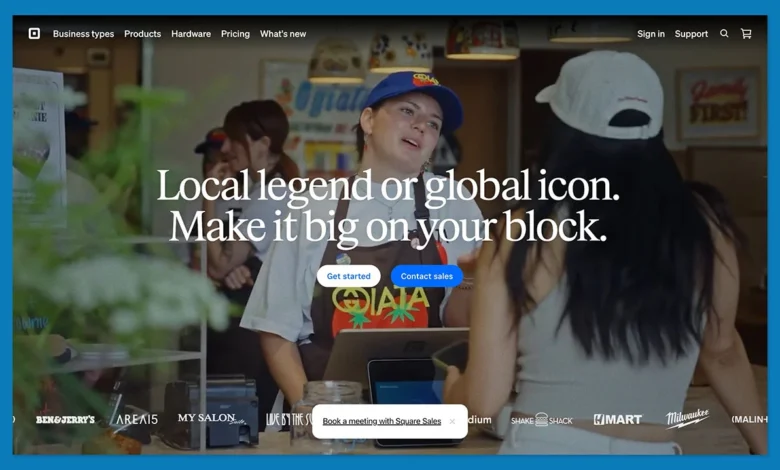
For most single-store retailers, Square remains the most accessible starting point, standing as the only provider among the industry leaders to offer a genuinely free software tier, a standardized, publicly accessible rate card, and a month-to-month service model that requires no long-term financial commitment. However, the decision between Square, Shopify, and Clover has grown increasingly complex as these companies have pivoted their business models to address different segments of the retail market. While Square excels in simplicity for brick-and-mortar operations, Shopify has cemented itself as the superior choice for merchants prioritizing an integrated omnichannel strategy. Conversely, Clover occupies a unique niche for high-volume enterprises, serving as the only platform that allows merchants to negotiate custom processing rates rather than adhering to rigid, pre-set pricing structures.
The fundamental difficulty in comparing these three entities lies in the fact that they are fundamentally different types of products. Square and Clover are, at their core, payment processing companies that expanded into point-of-sale (POS) software development. Shopify, by contrast, is an ecommerce powerhouse that built a physical till to bridge the gap between digital and physical storefronts. Furthermore, while Square and Shopify sell their systems directly to consumers, Clover operates through a fragmented network of over 60 third-party resellers and independent sales organizations (ISOs), which creates significant variability in pricing, support quality, and contract terms.
A Historical Shift in Retail Tech Strategy
The competitive landscape underwent a significant transformation in October 2025, when Square retired approximately 18 vertical-specific subscription plans, consolidating its offerings into three unified tiers: Free, Plus, and Premium. This move was designed to simplify the user experience, yet it rendered much of the existing industry analysis obsolete. Merchants searching for information are frequently presented with outdated data regarding Square’s legacy retail plans. Simultaneously, the market has seen the decline of specific hardware units; for instance, Shopify officially discontinued its POS Go device for new U.S. sales in August 2024, signaling a pivot toward mobile-first payment solutions like Tap to Pay.
These shifts illustrate a broader trend: POS providers are no longer just selling registers; they are selling ecosystem integration. As businesses move toward hybrid models, the distinction between "in-person" and "online" transactions is blurring, forcing retailers to scrutinize the hidden costs of their software, such as multi-location inventory synchronization and the specific, often opaque, terms of their merchant services agreements.
Pricing Structures and the Reality of Negotiated Rates
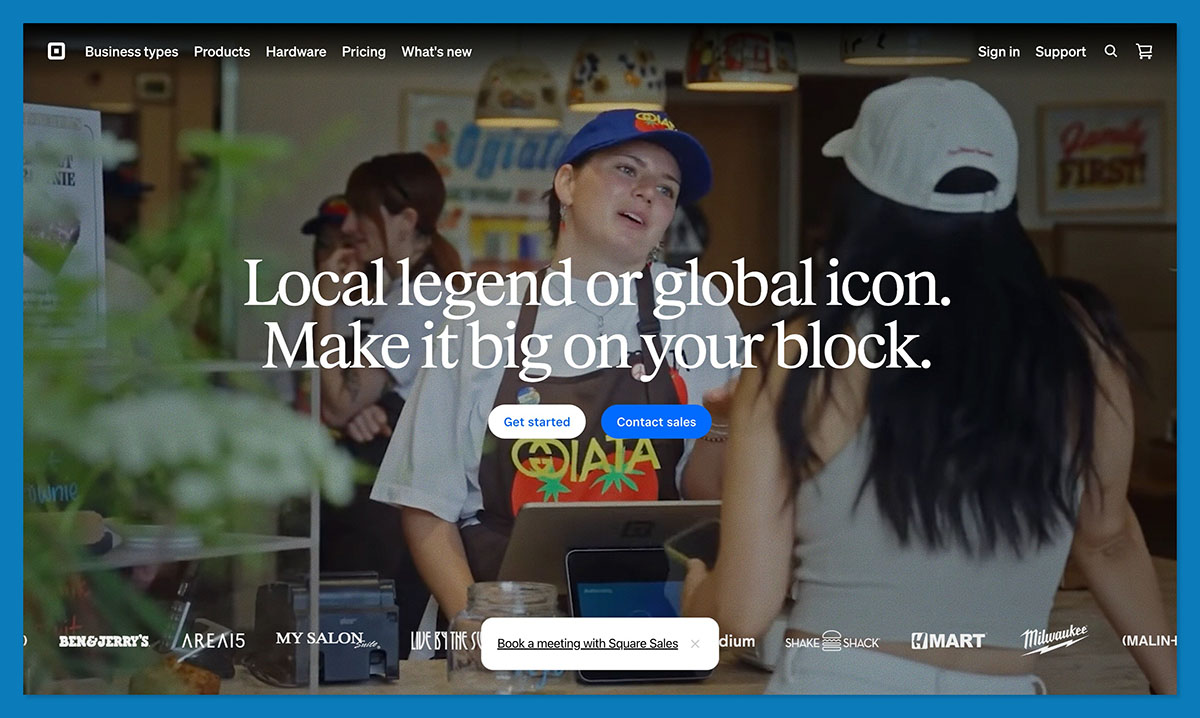
The "sticker price" of a POS system is often the least important figure in a long-term business strategy. Square’s pricing is defined by its transparency; with its flat-rate model, a merchant knows exactly what they will pay before they register. As of the current market cycle, Square’s in-person transaction fees range from 2.4% to 2.6% plus a 15-cent flat fee, depending on the subscription tier.
Shopify, however, uses a more nuanced approach. While its base software costs range from $39 to $399 monthly, its processing rates—ranging from 2.4% to 2.6% plus 10 cents—are highly competitive. The primary incentive for choosing Shopify is the elimination of third-party processor surcharges when using "Shopify Payments." For businesses processing significant volume, the difference between a 10-cent and a 15-cent transaction fee can equate to thousands of dollars in annual savings.
Clover operates on an entirely different plane. Because it relies on a reseller model, the pricing is not fixed. A business owner might be quoted one price by one ISO and a drastically different rate by another. This allows high-volume merchants to negotiate interchange-plus pricing—a model where the merchant pays the wholesale cost of the transaction plus a transparent markup. For a retailer processing more than $30,000 per month, this can prove significantly cheaper than the flat-rate models offered by Square or Shopify. However, this flexibility comes with the risk of being locked into predatory long-term leases that can span 36 to 48 months.
The Cost of Hardware and Exit Risks
The most critical factor often overlooked by retailers is the cost of termination. Square and Shopify offer a frictionless exit strategy: because the hardware is generally inexpensive and the service is month-to-month, a merchant can migrate to a new system without significant capital loss.
Clover presents a starkly different scenario. Because Clover hardware is proprietary and "provisioned" specifically to the Fiserv network, the devices are functionally tethered to the processor. If a merchant decides to switch providers, they cannot simply re-flash the software to work with a new gateway. They must purchase entirely new hardware. Industry reports indicate that some merchants find themselves still paying off lease agreements for equipment they can no longer use, creating a "vendor lock-in" scenario that is virtually nonexistent with the direct-to-consumer models of Square or Shopify.
Inventory and Omnichannel Management
For retailers managing multiple locations, the platform choice dictates operational efficiency. Shopify currently leads in this category by providing a seamless interface for inventory management, purchase orders, and cross-location returns. Its architecture allows a single product catalog to be updated in real-time across both an online store and multiple physical locations.
Square’s Premium tier provides similar functionality, offering robust tools for inventory and vendor management, but it carries a higher monthly price tag for those benefits. Clover’s approach to multi-location management is more decentralized. Each location is treated as an independent entity with its own hardware, subscription, and processing agreement, which may suit a franchise model but creates an administrative burden for a retailer attempting to maintain a unified brand experience.
Support and Operational Reliability
Customer satisfaction data, as evidenced by platforms like Capterra, reveals a clear divide in how these companies handle support. Square maintains a strong reputation for reliability, bolstered by a large user base that benefits from the company’s direct-to-consumer support model. Shopify also commands high satisfaction scores, though much of its acclaim is tied to its primary ecommerce platform rather than its POS-only users.
Clover’s lower satisfaction ratings are frequently attributed to the fragmentation of its support. When a merchant encounters an issue with a Clover device, they are often directed to the specific reseller who sold them the unit rather than a centralized Fiserv support center. This results in inconsistent experiences; a retailer may have excellent support from one reseller and abysmal service from another. This highlights a recurring theme in the retail technology sector: the quality of the service is often dictated by the intermediary rather than the technology itself.
Strategic Implications for the Modern Retailer
The decision between these three platforms ultimately boils down to three distinct business profiles:

-
The Startup or Small Retailer: For a business prioritizing simplicity and zero upfront costs, Square is the objective winner. Its ability to turn an existing smartphone into a point-of-sale terminal, combined with its no-contract policy, makes it the safest starting point for entrepreneurs.
-
The Omnichannel Retailer: For businesses that operate both online and offline, Shopify is the superior choice. Its ecosystem is designed to bridge the gap between digital and physical commerce, and its inventory management capabilities provide a level of integration that is difficult to replicate with external software plugins.
-
The High-Volume Enterprise: For businesses processing over $30,000 monthly, Clover offers a path to lower costs through negotiated interchange-plus rates. However, this path requires a high level of financial literacy and caution. Merchants must be prepared to negotiate terms, avoid predatory long-term equipment leases, and understand the technical limitations of proprietary hardware.
Conclusion: Due Diligence is Paramount
Retailers must approach the selection of a POS system as a long-term capital investment rather than a simple software subscription. The industry trend toward "all-in-one" platforms has made it easier to launch a business, but it has also made it more difficult to untangle oneself from a provider once a contract is signed.
Before committing to any system, stakeholders should conduct a thorough audit of their monthly transaction volume, their need for cross-channel integration, and their long-term exit strategy. The most expensive system is not necessarily the one with the highest monthly fee; it is the one that forces a business to pay for hardware it cannot use or stay with a provider that no longer serves its operational needs. As the retail landscape continues to evolve, the ability to maintain flexibility and ownership of one’s data will remain the most critical competitive advantage for any merchant.