Google is sunsetting its website translator widget on October 1 2026 prompting a transition for site owners worldwide

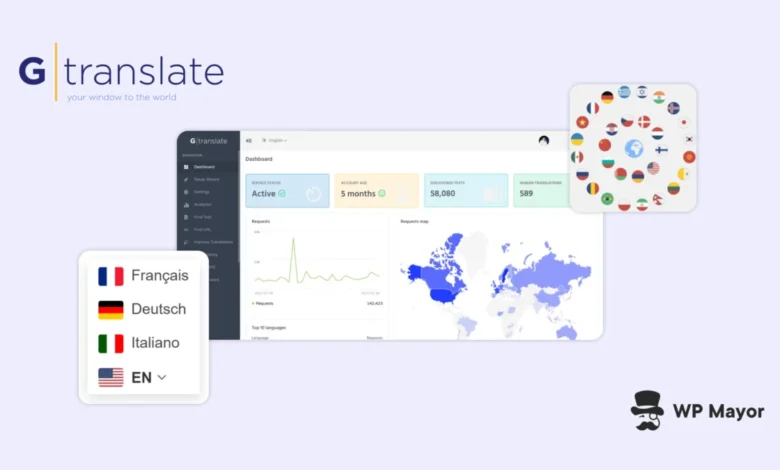
For over a decade, the Google Website Translator widget served as a ubiquitous, low-friction solution for website owners seeking to bridge the language gap for international audiences. By simply injecting a small snippet of JavaScript into a footer or sidebar, developers could offer a functional language dropdown menu that rendered site content in dozens of different languages on the fly. However, this era is coming to a definitive close. Google has officially confirmed that it will cease support for the legacy Website Translator widget effective October 1, 2026. This move marks the final chapter for a tool that, while once a staple of web development, has become increasingly antiquated in the age of modern, SEO-optimized multilingual architectures.
The Chronology of the Sunset
The deprecation of the widget does not come as a sudden shock to those who monitor Google’s developer ecosystem closely. The writing has been on the wall for several years. In May 2020, Google Search Central issued a preliminary announcement indicating that the company would shift its focus toward more robust, scalable translation solutions.
The decision is rooted in a strategic pivot toward the Google Cloud Translation API. Unlike the legacy widget, which relies on client-side browser execution, the Cloud Translation API offers a server-side, programmatic approach that allows for greater accuracy, faster load times, and more granular control over the translated output. While the 2020 announcement served as a warning, the specific deadline of October 1, 2026, represents the final cutoff point for the widget’s functionality, effectively forcing legacy sites to either upgrade their infrastructure or lose their translation capabilities entirely.
Why the Widget Became Obsolete
The Google Website Translator widget operated on a client-side model, meaning the translation occurred within the visitor’s web browser after the page had already loaded. While this provided a "quick fix" for accessibility, it suffered from several inherent limitations that have become glaring in the current web environment:

- Zero SEO Impact: Because the translations were generated only in the browser, search engines like Google and Bing never saw the translated content. Consequently, a site translated via the widget could not rank for keywords in foreign languages, rendering the tool useless for international search engine optimization (SEO).
- Performance Drag: Loading external scripts to handle dynamic translation often resulted in increased page load times, which is a critical metric for Core Web Vitals and general user experience.
- Lack of Quality Control: The widget relied on machine translation without the possibility of manual post-editing. This often led to contextual errors, branding inconsistencies, and poor localization that could damage a site’s professional reputation.
- Security and Compatibility: Maintaining legacy code snippets can introduce security vulnerabilities or conflicts with modern CSS/JavaScript frameworks, complicating the maintenance of modern WordPress themes and custom-coded platforms.
The Transition Landscape
As the October 2026 deadline approaches, the web development community faces a significant migration task. Thousands of websites—ranging from small personal blogs to established institutional portals—still harbor the original Google code.
For developers and site owners who require a simple, drop-in replacement that mimics the functionality of the original widget without requiring a massive architectural overhaul, third-party services like GTranslate have emerged as the primary solution. GTranslate offers a similar "widget-style" interface that is free for non-commercial entities, including government, educational, and non-profit websites. For commercial enterprises, the transition requires a shift toward more robust, paid plans that provide better translation quality and, crucially, SEO capabilities.
Implications for Multilingual SEO
Perhaps the most significant implication of this deprecation is the forced transition toward "true" multilingual SEO. The legacy widget was a convenience tool, not a growth tool. By moving toward modern solutions like GTranslate’s paid tiers or other enterprise-grade plugins, businesses can now serve translated content via subdirectories (e.g., example.com/es/) or subdomains (e.g., es.example.com).
This is a fundamental shift in strategy. When content is served via these specific URLs, search engine crawlers can index the translated versions of the pages. This allows a business based in the United States to capture organic traffic from Spanish-speaking users in Mexico or German-speaking users in Berlin. The transition from the old widget to these modern methods is, for many businesses, a blessing in disguise, as it forces the adoption of best practices that directly contribute to revenue growth and global reach.
How to Execute the Migration
For those managing WordPress sites, the transition is relatively straightforward. Most administrators can remove the legacy JavaScript snippet from their theme files or template editors and replace it with a dedicated translation plugin. The GTranslate plugin, for instance, has established itself as a leader in the space, boasting nearly a million active installations.

The configuration process is largely automated, allowing site owners to select their target languages and customize the appearance of the language selector—a marked improvement over the limited, rigid design options offered by the original Google widget. For non-WordPress users, the integration is similarly flexible. Developers can replace the old google_translate_element with a new wrapper and a modernized script, ensuring that the visual interface remains consistent with the previous design while benefiting from updated underlying technology.
A Call to Action for Site Managers
The deadline of October 1, 2026, is now imminent. For developers managing a large portfolio of client sites, this represents a significant administrative burden. It is advised that agencies perform a site audit to locate instances of the legacy Google Translate code.
"The risk of doing nothing is not just a broken dropdown menu," says one industry analyst. "If a site relies on that widget for its international accessibility, the moment the widget goes offline, the site will effectively become inaccessible to non-native speakers, leading to an immediate drop in user engagement and potential bounce rate spikes."
Broader Industry Trends
The retirement of the Google Website Translator widget is emblematic of a broader trend in the tech industry: the deprecation of "shallow" client-side tools in favor of "deep" API-driven services. As artificial intelligence and machine learning models continue to evolve, the demand for higher-quality, context-aware translations has outpaced what a simple browser-side script could provide.
Companies like Google are prioritizing their Cloud Translation API because it aligns with their broader mission to provide high-performance infrastructure for developers. By steering the market toward APIs, Google is effectively elevating the standard for what constitutes a "multilingual website." The new standard involves neural machine translation, human-in-the-loop editing, and full SEO indexing—none of which were possible with the legacy widget.

Preparing for the Future
As the industry moves past the era of the "easy" widget, site owners should view this transition as an opportunity to rethink their international strategy. Whether a site is a small local shop or a large e-commerce platform, the ability to communicate with global users is no longer an optional luxury—it is a competitive necessity.
The path forward for most will involve a tiered approach:
- Immediate Cleanup: Identify and remove all instances of the deprecated Google Website Translator code to prevent potential site breakage.
- Assessment: Determine the business value of multilingual content. If the site is non-commercial, a free, lightweight widget replacement is likely sufficient. If the site is commercial, investment in a robust, SEO-friendly translation plugin is recommended.
- Testing: Implement the new solution on a staging site to ensure that the language selector integrates seamlessly with the existing layout and does not negatively impact performance.
- Monitoring: Once deployed, track the impact on international traffic through Google Analytics or other monitoring tools to ensure that the transition has resulted in a net positive for user experience.
While the loss of the Google Website Translator widget may feel like the end of an era for long-time web developers, it is ultimately a step toward a more sophisticated and capable web. By embracing these changes, site owners can ensure their platforms remain relevant, accessible, and optimized for the global marketplace of the future. The countdown to October 1, 2026, is on; those who prepare now will avoid the disruption that will inevitably face those who wait until the last minute.