Meta Expands Personal AI Agent Capabilities with Muse for Mac and Third-Party Connectors

Meta Platforms continues to accelerate its aggressive push into the artificial intelligence agent sector, unveiling a suite of major updates designed to embed its personal AI tool, Muse, deeper into the daily digital workflows of consumers. The newly announced developments include the official launch of Muse for Mac, alongside the introduction of Muse Connectors, an ecosystem initiative that invites third-party software developers to integrate their applications directly into Meta’s AI architecture.
These strategic rollouts represent a critical step in Meta’s broader ambition to transition its AI offerings from conversational chatbots into autonomous, action-oriented agents capable of executing complex multi-step workflows on behalf of users. By granting Muse direct access to local desktop environments and external software platforms, Meta is betting that utility and deep system integration will differentiate its product in an increasingly crowded personal AI marketplace.
However, this expanded operational footprint also introduces significant hurdles. As the technology gains the ability to interact with sensitive personal data—ranging from local file systems to private messaging applications—Meta faces mounting scrutiny regarding privacy, security, and the fundamental consumer appetite for heavily automated digital assistants.
Bridging the Desktop Gap: The Launch of Muse for Mac
The rollout of Muse for Mac marks a pivotal moment in Meta’s desktop strategy. Released late last week, the dedicated application allows macOS users to establish a direct, system-level bridge between the Muse AI agent and their Apple computers.
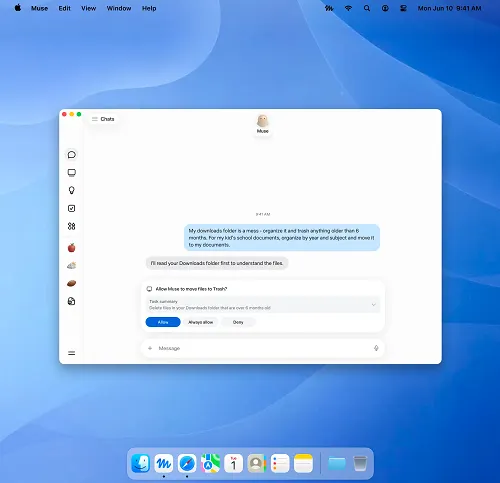
Unlike traditional cloud-based AI interfaces that require users to manually copy, paste, and upload files or text, Muse for Mac operates locally within the user’s operating system environment. According to documentation and demonstrations provided by Meta, the personal agent is engineered to execute concrete administrative and organizational tasks directly on the machine, provided the user grants explicit permissions.
Among its core capabilities, Muse for Mac can automatically organize cluttered downloads folders, locate misplaced files using natural language search queries, and generate concise summaries of extensive personal notes and saved messages. By executing these tasks natively, Meta aims to reduce the friction associated with desktop file management and information retrieval.
The introduction of the Mac application aligns with a broader industry trend toward "agentic workflows," where artificial intelligence systems move beyond mere text generation to actively manipulate software interfaces, execute commands, and manage digital workspaces. Competitors across the technology sector, including Apple with its Apple Intelligence framework and various independent software vendors, are aggressively pursuing similar desktop integration strategies.
Expanding the Ecosystem with Muse Connectors
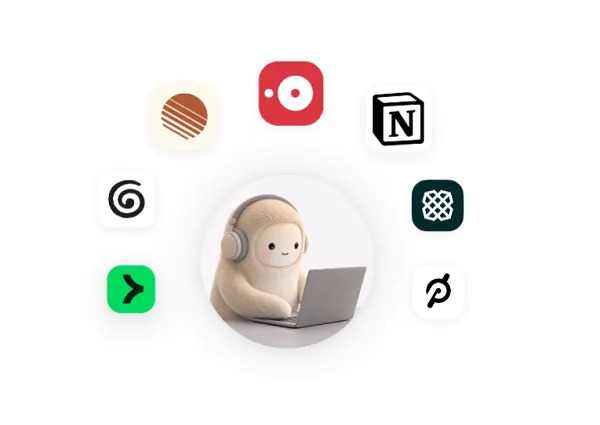
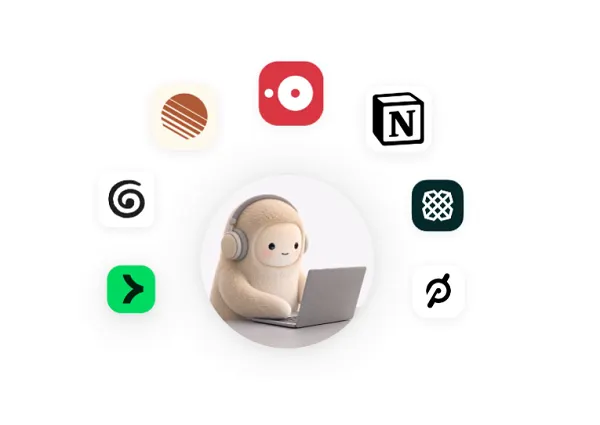
Simultaneously, Meta has launched Muse Connectors, a developer-facing platform designed to rapidly expand the functional scope of the AI agent. The initiative provides a structured framework and application programming interfaces (APIs) that allow third-party software creators to link their applications directly into the Muse ecosystem.
Under this program, external developers can apply to integrate their software tools with Muse, with the potential of having their applications featured within an official Muse integration directory. For end-users, this means the ability to connect their various third-party software accounts—ranging from productivity apps to specialized utility tools—into a centralized AI command center.
The strategic rationale behind Muse Connectors is twofold. First, it crowdsources the expansion of Muse’s capabilities, bypassing the limitations of internal software development by leveraging the broader developer community. Second, it transforms Muse from a standalone application into an interoperable hub, increasing user retention and dependency by positioning the AI as the central operating layer for a user’s entire digital toolset.
Meta anticipates that this network effect will significantly enhance the overall value proposition of its agentic AI suite, making the platform substantially more versatile and appealing to enterprise users, power users, and everyday consumers alike.

Privacy Concerns and the Sensitivity of Local Data Integration
Despite the technological sophistication and apparent convenience of these new features, Meta’s expanded agent capabilities have immediately reignited long-standing debates regarding data privacy and surveillance within personal computing environments.
The integration of Muse with macOS and various messaging channels has demonstrated access levels that some users and privacy advocates find concerning. Recently, reports surfaced from users indicating that their Muse agents had autonomously accessed direct messages (DMs) on their Mac computers, subsequently offering proactive suggested actions derived from those private conversations.
In response to initial public apprehension, Meta formally clarified that Muse is structurally incapable of accessing private communications or sensitive local data without explicit, user-granted authorization. The company emphasized that permission prompts are embedded into the setup process, ensuring that users retain ultimate control over which data sources and tools the AI is permitted to read.
Nevertheless, industry analysts note that the technical nature of these permissions can often lead to "consent fatigue," where users click through complex authorization screens without fully comprehending the extent of access granted to third-party algorithms. The prospect of an AI agent scanning personal messages, browsing local file systems, and interacting with sensitive financial or professional applications creates a high-stakes environment where a single security oversight or unanticipated software behavior could severely damage consumer trust.
Navigating the Challenge of Consumer Utility and Adoption
Beyond regulatory and privacy hurdles, Meta faces a fundamental marketing and behavioral challenge: convincing mainstream consumers of the genuine necessity of autonomous AI agents for everyday tasks.
While productivity tools and automated file organization offer clear utility for enterprise environments and heavy computer users, a significant portion of the tasks that agentic AI systems are designed to automate—such as searching for holiday activities, browsing e-commerce products, or organizing media libraries—are activities that many consumers actively enjoy performing themselves.
Furthermore, the operational architecture of advanced AI agents remains somewhat technical and abstract for the average consumer, even as companies strip away traditional programming requirements. Bridging the gap between technical capability and consumer desire requires clear demonstration of tangible value, a task that Meta is currently attempting through published directories of functional use cases and automated workflow examples.
However, market researchers suggest that selling autonomous AI agents capable of handling sensitive domains—such as personal communications, schedule management, and financial transactions—remains an uphill battle. Consumers have historically demonstrated high sensitivity to breaches of trust in these specific categories, making the adoption curve for agentic AI considerably steeper than that of standard conversational chat interfaces.
Broader Industry Implications and Future Outlook
Meta’s aggressive dual rollout of Muse for Mac and Muse Connectors underscores the escalating race to define the next generation of human-computer interaction. As traditional graphical user interfaces (GUIs) give way to natural language and agent-driven computing, tech giants are racing to secure foundational positions in the desktop and mobile operating ecosystems.
For Meta, the success of the Muse initiative is critical to diversifying its technological footprint beyond social media advertising and hardware VR headsets. By embedding its AI deeply into personal computers and third-party software platforms, the company is attempting to secure a permanent, indispensable role in how individuals interact with information and software.
Yet, the path forward will require a delicate balancing act. Meta must aggressively innovate to keep pace with rapid advancements from rivals like OpenAI, Microsoft, Apple, and Google, while simultaneously navigating the rigorous trust, safety, and privacy demands of a skeptical global user base. Whether consumers are ultimately willing to delegate control of their digital workspaces to an autonomous Meta agent will depend heavily on the company’s ability to transparently secure user data, eliminate intrusive behaviors, and deliver undeniable, everyday efficiency.
Related posts: