Flock Safety Offers Lucrative Voluntary Buyouts Amid Surging Surveillance Backlash and Plummeting Internal Morale

Surveillance technology provider Flock Safety has announced a sweeping voluntary buyout program, offering what internal communications describe as the most generous severance packages in the company’s history. The move comes as the embattled startup navigates a profound corporate crisis triggered by widespread public outrage, high-profile municipal contract terminations, and alarming revelations regarding the systemic misuse of its automated license plate recognition (ALPR) camera networks by law enforcement personnel.
According to internal documents and reports emerging late last week, Flock Safety—which boasts a workforce of approximately 1,500 employees—anticipates that a substantial portion of its staff will express interest in the voluntary departure scheme. Leadership has indicated that the company intends to approve a majority of these requests. Industry analysts and insiders suggest that without this aggressive buyout strategy, the firm would almost certainly have been forced to implement involuntary layoffs to right-size its operations in response to rapidly deteriorating market conditions and declining revenue streams.
The decision to offer voluntary exits highlights the severe pressure currently facing the tech unicorn, which has spent years aggressively expanding its footprint across suburban neighborhoods, commercial districts, and municipal police departments nationwide. By allowing demoralized workers to voluntarily step away, company executives hope to trim overhead costs while simultaneously purging an internal culture deeply rattled by weeks of relentless negative press, public protests, and legislative crackdowns.
Anatomy of a Surveillance Controversy
The genesis of Flock Safety’s current turmoil can be traced back to the core functionality of its business model. The company specializes in deploying solar-powered, high-definition fixed cameras that capture vehicle details—including license plates, make, model, color, and unique identifying features—and cross-reference them against national crime databases in real-time. While law enforcement agencies have long championed the technology as a vital tool for recovering stolen vehicles, tracking fleeing suspects, and solving violent crimes, civil liberties advocates have consistently raised alarms regarding the unprecedented scale of passive mass surveillance.
The situation escalated dramatically in August when a bombshell investigative report published by The Washington Post exposed a deeply troubling pattern of abuse. The investigation identified at least 46 distinct instances wherein police officers allegedly weaponized Flock’s vast camera network to spy on private citizens, including estranged wives, girlfriends, and former romantic partners. Rather than utilizing the technology for legitimate public safety initiatives, these officers reportedly exploited their system access to track personal acquaintances, raising catastrophic concerns about data privacy, stalking, and the inherent risks of unchecked government surveillance tools in the hands of bad actors.
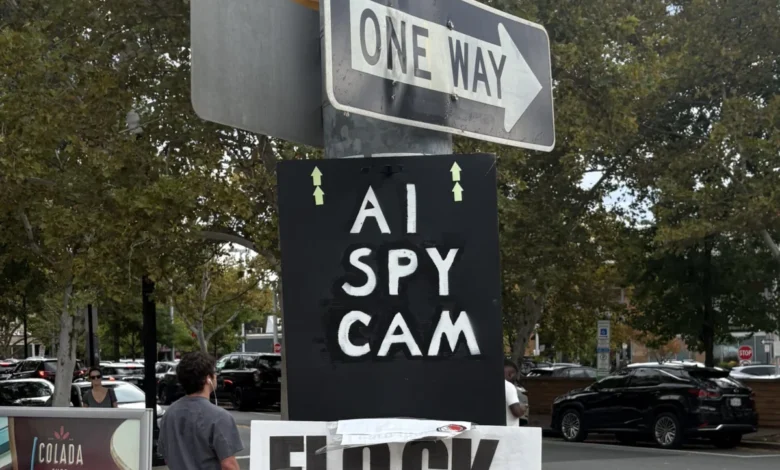
The fallout from the Washington Post report was swift and unforgiving. Privacy watchdogs, community activists, and municipal leaders across the country mobilized to demand immediate accountability. Protests erupted in various jurisdictions, with citizens holding signs condemning corporate overreach and demanding that local governments sever all financial and operational ties with the tech vendor.
A Timeline of Rapid Municipal Defection
The month of August 2026 will undoubtedly be recorded as a watershed moment of crisis for Flock Safety. The sheer velocity at which municipal partnerships collapsed caught industry observers off guard. According to data compiled by anti-surveillance advocacy groups, approximately 90 cities officially terminated their contracts with Flock Safety during August alone. This staggering figure represents a fourfold increase in contract cancellations compared to the previous month, illustrating a complete erosion of public trust.
The municipal exodus quickly transcended local politics, evolving into state-level policy battles. In late August and early September, state officials in Florida and Texas took decisive action, announcing sweeping measures to block the deployment and continued use of Flock’s cameras over mounting privacy concerns. Lawmakers in both states argued that the potential for constitutional violations and personal privacy breaches outweighed the purported security benefits, signaling a broader regulatory reckoning for private-sector surveillance vendors operating within the public sphere.

Corporate Response and Leadership Perspectives
As external pressures mounted, Flock Safety’s executive leadership attempted to manage the escalating public relations disaster. Garrett Langley, the company’s chief executive officer, addressed the crisis during a recent appearance on the All-In podcast. During the interview, Langley candidly admitted that while the external regulatory pushback and lost municipal contracts were damaging, the "biggest damage" inflicted by the unfolding controversy had been absorbed internally, specifically citing a severe depletion of morale among the company’s employees.
Langley’s acknowledgment of internal distress aligns closely with the rationale behind the newly announced voluntary buyout packages. By providing a financially cushioned exit strategy for workers who feel conflicted or demoralized by the company’s current trajectory, Flock Safety attempts to stabilize its remaining workforce while maintaining a semblance of corporate empathy. Observers note that offering enhanced severance allows the firm to bypass the ugliness of mandatory layoffs while quietly shrinking its organizational footprint to match a dramatically shrunken addressable market.
Broader Implications for the Surveillance Tech Industry
The unfolding crisis at Flock Safety serves as a cautionary tale for the broader GovTech and surveillance capitalism sectors. For years, venture-backed startups specializing in law enforcement technology enjoyed a permissive regulatory environment fueled by post-pandemic public safety anxieties and robust municipal budgets. However, the events surrounding Flock suggest that the political and social tolerance for unaccountable mass data collection may be reaching a critical inflection point.
The central issue moving forward revolves around data governance, accountability, and the absence of stringent federal oversight regarding how private companies manage law enforcement partnerships. When third-party vendors aggregate billions of location data points into searchable repositories, the vulnerability to internal misuse and systemic abuse multiplies exponentially.
Furthermore, the willingness of major states like Texas and Florida to proactively ban or restrict surveillance infrastructure demonstrates that local pushback can successfully translate into state-level legislative action. As more municipalities reconsider their reliance on automated tracking systems, competitors in the ALPR and predictive policing spaces will likely face heightened scrutiny from auditors, civil rights attorneys, and lawmakers alike.
Looking Ahead: The Road for Flock Safety
For Flock Safety, the immediate future remains precarious. The success of its voluntary buyout program will determine how deeply the company must restructure its operations to survive the sudden evaporation of dozens of lucrative municipal contracts. While shedding disaffected talent may temporarily soothe internal friction, the company faces a monumental uphill battle to repair its public image, regain the trust of state and local policymakers, and institute airtight security protocols capable of preventing future abuse by law enforcement users.
As the tech sector watches closely, the unfolding events in Arlington, Austin, Tallahassee, and corporate boardrooms nationwide underscore a fundamental truth of the modern digital age: convenience and security will perpetually clash with fundamental privacy rights, and companies that fail to adequately safeguard against systemic abuse do so at their own peril.
Related posts: