Waymo Resumes San Francisco Robotaxi Service Following Power Outage and Brief Service Suspension

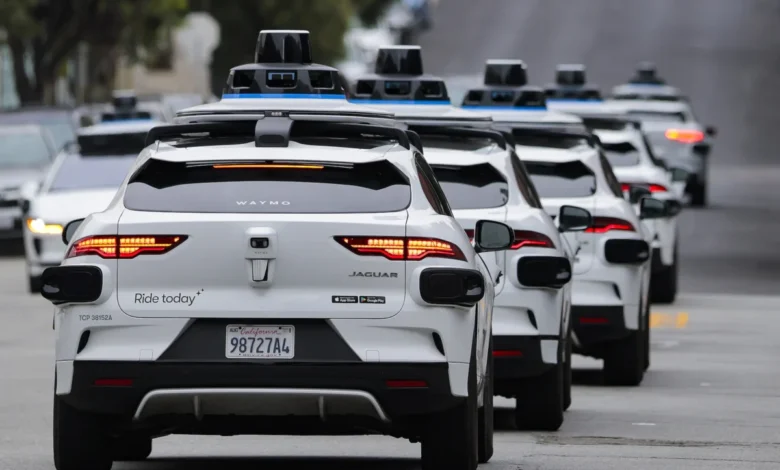
The Alphabet-owned autonomous driving unit, Waymo, officially restored its full suite of robotaxi services in San Francisco on Saturday afternoon following a precautionary suspension triggered by a significant localized power outage. The service disruption, which occurred on July 18, 2026, highlights the ongoing challenges of integrating fully autonomous vehicle (AV) fleets into urban environments where traditional infrastructure remains vulnerable to external shocks. The outage, which primarily impacted the Pacific Gas and Electric Company (PG&E) grid, left approximately 7,000 customers without electricity and created a ripple effect that necessitated immediate operational adjustments for the city’s leading autonomous ride-hailing provider.
The suspension began in the late morning when reports surfaced from users on social media platforms indicating that the Waymo One app was preventing new ride requests. Screenshots shared by users showed a notification stating that service was “temporarily paused” and that “freeway routes are unavailable.” This proactive measure was taken as Waymo’s operations center monitored the stability of traffic signals and communication networks across the city’s dense northern and eastern neighborhoods. By 12:30 PM PDT, Waymo confirmed that while service was resuming, the company remained in a state of heightened awareness, prioritizing rider safety over operational throughput.
Chronology of the July 18 Incident
The events of July 18 began at approximately 10:45 AM when a transformer failure in the Western Addition neighborhood led to a cascading loss of power across several blocks. As PG&E crews rushed to the scene, the lack of functioning traffic lights at several key intersections created immediate congestion. For Waymo’s fleet, which relies on a combination of onboard sensors and real-time data connectivity, the loss of infrastructure predictability presented a significant hurdle.
At 11:15 AM, Waymo’s internal monitoring systems flagged an increase in "minimal risk condition" (MRC) maneuvers, where vehicles are programmed to pull over safely if they encounter a scenario they cannot confidently navigate. To prevent a widespread "bricking" incident—where multiple vehicles stall and block traffic—Waymo leadership made the decision to pause new dispatches. For the next hour, the company focused on managing the vehicles already on the road, guiding them away from the most affected zones and ensuring that passengers reached their destinations via alternative, non-freeway routes.
By 12:15 PM, after coordinating with San Francisco municipal authorities and receiving updates from PG&E regarding the stabilization of the grid, Waymo began a phased restoration of service. A spokesperson for the company stated that the hour-long pause was a deliberate assessment period used to “evaluate the scale of the outage and coordinate with local officials.” By 1:00 PM, freeway operations had also been restored, though the company cautioned that some delays might persist as the city’s traffic flow returned to normal.
The Vulnerability of Autonomous Systems to Grid Failure
The Saturday outage serves as a stark reminder of the technical dependencies inherent in Level 4 autonomous driving. While Waymo’s vehicles are equipped with a sophisticated sensor suite—including LiDAR, radar, and cameras that allow them to "see" in the dark and navigate without GPS—they are not entirely independent of the city’s infrastructure.
One of the primary concerns during a power outage is the loss of cellular connectivity. Robotaxis require constant communication with a central operations center for "remote assistance." While the cars drive themselves, human technicians often provide high-level guidance when a vehicle is confused by a novel situation, such as a police officer using hand signals at a dark intersection. If local cell towers lose power or become congested, the latency in this communication can trigger safety protocols that cause the vehicles to stop moving entirely.
Furthermore, the loss of synchronized traffic signals poses a systemic risk. While Waymo’s "Driver" software is programmed to treat a dark traffic light as a four-way stop—consistent with California vehicle code—the unpredictable behavior of human drivers in those same intersections creates a high-variance environment. By pausing service, Waymo sought to avoid the reputational and physical risks associated with navigating these high-stress zones during the peak of the outage.
A Pattern of Operational Challenges
This is not the first time Waymo has had to grapple with the fragility of San Francisco’s infrastructure. In December 2025, a similar but more widespread blackout caused dozens of Waymo vehicles to stall simultaneously, leading to significant traffic jams in the Tenderloin and SoMa districts. That incident was a turning point for public perception, as critics pointed out that autonomous vehicles could inadvertently hamper emergency services if they became "paralyzed" by a lack of data.

More recently, during the Fourth of July celebrations at the Golden Gate Bridge, a combination of heavy pedestrian traffic and unauthorized fireworks displays led to a software "confusion" event that paralyzed several robotaxis. These recurring incidents have fueled a growing debate between technology advocates and municipal leaders regarding the readiness of AVs for "edge case" scenarios—rare but impactful events that test the limits of artificial intelligence.
Political and Regulatory Backlash
The recurring nature of these disruptions has drawn the ire of San Francisco’s leadership. Mayor Daniel Lurie, who has maintained a cautious stance on the rapid expansion of AVs, used the July 18 outage to reiterate his call for more stringent state-level oversight. In a statement released shortly after Waymo resumed service, Mayor Lurie emphasized the need for the California Public Utilities Commission (CPUC) to grant cities more authority over how these fleets operate during emergencies.
"San Francisco cannot be a testing ground where the primary response to a predictable infrastructure failure is to clog our streets with stationary vehicles," Mayor Lurie stated. "We are pushing for tougher regulations that mandate real-time data sharing with our Emergency Operations Center and require AV companies to prove they can clear the streets within minutes, not hours, during a power failure or a major civic event."
The Mayor’s push is part of a broader legislative effort to introduce "AV accountability" bills in Sacramento. These proposed laws would allow municipalities to fine AV operators for "non-emergency stalls" and mandate a minimum ratio of human remote-assistants to active vehicles on the road.
Supporting Data and Industry Context
Despite these hurdles, the demand for autonomous ride-hailing in San Francisco continues to grow. According to industry data from the first half of 2026, Waymo has surpassed 150,000 weekly trips in the city, a significant increase from the previous year. The company’s safety data continues to suggest that, on a per-mile basis, autonomous vehicles are involved in fewer injury-causing accidents than human drivers. However, the metric of "traffic obstruction" has become the new battleground for critics.
| Incident Type | Frequency (Q1-Q2 2026) | Avg. Resolution Time |
|---|---|---|
| Minor Collision | 0.04 per 100k miles | N/A |
| Infrastructure-Related Stall | 1.2 per 100k miles | 14 minutes |
| Intentional Service Pause | 3 events (Citywide) | 72 minutes |
The data indicates that while actual crashes are rare, "systemic stalls" caused by external factors like outages or construction remain a weekly occurrence for the fleet. For Waymo, the challenge is to refine the "Sixth Generation" of its hardware and software to better handle these infrastructure failures without requiring a total service suspension.
Implications for the Future of Urban Mobility
The July 18 incident highlights a critical transition period for the autonomous vehicle industry. As companies move from "testing" to "utility," the expectations for reliability are shifting. Consumers now view Waymo not as a tech experiment, but as a primary mode of transportation. When the service goes down, it impacts commuters, shift workers, and tourists who have come to rely on the app.
The path forward likely involves a two-pronged approach: technical hardening and regulatory compromise. Technically, Waymo is reportedly testing redundant communication systems, including satellite-linked remote assistance, to bypass local cell tower failures. Operationally, the company is working on "low-bandwidth" modes that allow vehicles to navigate to pre-determined "safe zones" even when their primary data links are degraded.
From a regulatory perspective, the tension between San Francisco and Alphabet is expected to intensify. As the city prepares for the 2026 World Cup and other major international events, the pressure to ensure that robotaxis do not become liabilities during high-traffic or emergency situations is at an all-time high.
For now, Waymo’s swift resumption of service on Saturday suggests that the company’s internal protocols for managing outages are maturing. However, as the city’s power grid continues to show signs of age and the climate-driven risk of blackouts increases, the "temporary adjustments" seen this weekend may become a recurring feature of the autonomous urban landscape. Riders are advised to keep a secondary transit app ready, as the era of the "always-on" robotaxi still faces the very human reality of a flickering power grid.