Meta Highlights New Instagram Video Features for AI Smart Glasses Amid Mounting Privacy Backlash and Regulatory Scrutiny

Meta is doubling down on the marketing of its artificial intelligence-enabled smart glasses, showcasing a suite of innovative capture modes and device-specific editing tools designed specifically for Instagram. First previewed by the tech giant earlier this year in June, these advanced creation tools are now being actively promoted to highlight the unique value proposition of wearable AI technology. However, this high-profile push arrives at a precarious time for the company. Meta is currently navigating a wave of intense public backlash, growing consumer privacy concerns, and active regulatory investigations sparked by instances of covert filming and device tampering.
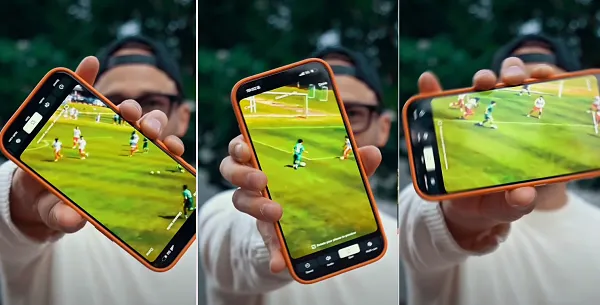
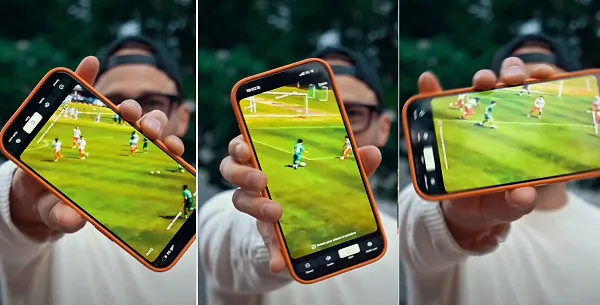
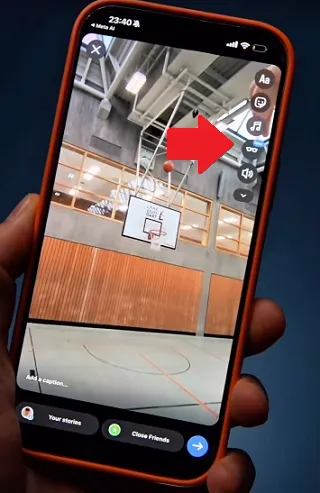
The latest demonstrations, shared via Instagram, highlight three primary features exclusive to users of Meta’s AI smart glasses: "spin view," "multi-cam," and tailored editing suites. While these additions aim to revolutionize how creators capture and share dynamic point-of-view content, they also underscore the widening chasm between Meta’s vision for wearable technology and the growing unease among privacy advocates, lawmakers, and the public.
Innovative Capture Modes and Creator Tools
Meta’s recent push focuses on maximizing the creative potential of its smart glasses through hardware-software integration. Among the newly highlighted capabilities is spin view, a capture mode that allows audiences to experience a more immersive, true-to-life perspective. When viewers physically turn their mobile device, the video footage dynamically extends, offering a spatial viewing experience that mimics looking around the environment alongside the creator. This feature is tailored to give AI glasses users a distinct storytelling edge on social media feeds.
Another major addition is the multi-cam feature, which streamlines the process of syncing video footage captured simultaneously from a user’s smartphone and their Meta AI glasses. By combining these distinct viewpoints into a single, cohesive feed, creators can offer their audiences multiple perspectives of the same event in real time. This simplified multi-view setup is engineered to boost viewer engagement and offer a more comprehensive narrative structure for short-form video content on Instagram.

In addition to these capture modes, Meta has introduced a dedicated set of glasses-specific editing tools inside the Instagram app. These tools provide creators with granular control over the media generated by their wearable devices, allowing for streamlined post-production workflows without requiring third-party software. By spotlighting these features, Meta hopes to convince consumers that the technological benefits of AI glasses far outweigh the hurdles of adoption.
A Growing Privacy Crisis and Device Tampering
Despite Meta’s enthusiastic promotional efforts, the rollout of AI smart glasses has been severely overshadowed by escalating controversy regarding user privacy and non-consensual recording. As the devices have become more widely distributed, multiple reports have surfaced detailing how malicious actors are exploiting the hardware. Most notably, investigations have revealed that some wearers are actively deactivating or tampering with the built-in LED recording lights designed to signal when the camera is active.
This tampering allows individuals to covertly record unsuspecting members of the public in public spaces, workplaces, and private venues. Consequently, numerous victims have discovered footage of themselves uploaded to social media platforms without their knowledge or explicit consent. The realization that wearable tech can be easily modified to bypass privacy safeguards has turned public sentiment sour, transforming the smart glasses from a futuristic novelty into a symbol of unchecked surveillance.
Regulatory Pressure and Grassroots Activism
The backlash against Meta’s AI glasses has quickly transcended online criticism, triggering tangible consequences from both regulators and grassroots movements. Authorities in several jurisdictions, including prominent investigations in both the United Kingdom and the United States, have launched formal inquiries into Meta’s wearable device ecosystem. Lawmakers are examining whether the company has implemented adequate physical and software safeguards to protect public privacy and prevent unauthorized data collection.

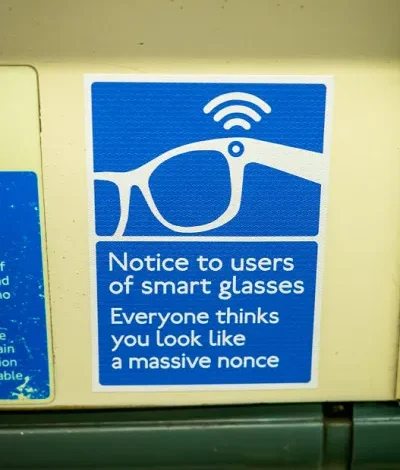
Simultaneously, public resistance has materialized on the streets. Anti-AI glasses protest groups have mobilized to raise awareness about the perceived dangers of ubiquitous, wearable recording devices. In London, activist collectives such as Radical Graffiti have spearheaded targeted awareness campaigns, plastering anti-surveillance posters throughout the London Underground. These campaigns urge commuters to be vigilant of wearable cameras and challenge the normalization of continuous, automated recording in public life.
Meta’s Response and Future Implications
In response to the mounting pressure, Meta has maintained that it is actively working to address security and privacy concerns while continuing to champion the utility of its smart glasses. The company has previously issued statements addressing LED tampering and pledged to reinforce device security measures. Despite the negative publicity, regulatory scrutiny, and public protests, Meta reports that the controversy has not yet resulted in any direct, measurable impact on product sales.
The current situation highlights a critical juncture for the wearable tech industry. As tech giants race to integrate artificial intelligence into everyday accessories, they face the monumental task of balancing innovation with ethical responsibility. Meta’s efforts to promote spin view and multi-cam demonstrate the immense creative potential of smart glasses, but until the company can definitively reassure the public that privacy violations will be swiftly prevented, consumer trust will remain fragile. The success of Meta’s wearable ecosystem will ultimately depend not just on the appeal of its software features, but on its ability to safeguard the fundamental privacy rights of those who never chose to be on camera.
Related posts: