Lessons From the Digital Transformation Era Reveal Why Enterprise AI Adoption Is Failing

The corporate rollout of artificial intelligence has increasingly mirrored a corporate farce rather than a calculated strategic deployment. Observers note that if executive boardrooms and IT implementation strategies were dramatized for the screen, audiences would likely dismiss the narrative as entirely implausible. Yet, organizations across global industries continue to commit fundamental errors in integrating generative AI into the workplace, ignoring historical precedents established over a decade ago during the height of enterprise digital transformation.
To understand the systemic failures currently plaguing artificial intelligence integration, analysts are looking backward to 2014, when digital adaptation was the primary corporate hurdle. During that era, organizations routinely treated the deployment of Content Management Systems (CMS), Customer Relationship Management (CRM) platforms, and enterprise intranets as pure IT exercises. Leadership prioritized the acquisition of software while largely ignoring the human element—how internal staff and external customers would actually interact with these systems.
A decade later, corporate leadership is repeating this exact behavioral pattern with artificial intelligence. Rather than managing AI as a profound cultural shift, executive boards view it as a straightforward software procurement task, purchasing enterprise-wide licenses for tools such as Microsoft Copilot Studio, distributing generic training modules, and prematurely declaring the technological upgrade complete. This approach has left modern workforces feeling overwhelmed, inadequately supported, and increasingly anxious about job security.
The Human Element: Culture, Anxiety, and the Lack of Motivation
The contemporary challenge of artificial intelligence adoption differs significantly from past technological transitions due to heightened employee anxiety surrounding job displacement. Having consumed the same public headlines regarding automation and labor replacement as corporate executives, employees view top-down mandates to use artificial intelligence with inherent skepticism.
Furthermore, corporate messaging frequently promotes AI purely through the lens of organizational productivity—enabling staff to accomplish higher volumes of work in compressed timeframes. From an employee perspective, this productivity dividend rarely translates into tangible personal benefits. Workers remain bound to standard operating hours, absorbing heavier workloads without corresponding financial compensation or reduced hours. Consequently, workers lack intrinsic motivation to embrace the technology.
Workplace strategists emphasize that sustainable adoption requires framing AI not as a mechanism for intensification, but as a solution to eliminate routine, highly repetitive tasks that staff actively dislike. Presenting technology as a tool for occupational improvement, paired with tangible career incentives, significantly alters staff receptivity. However, achieving this requires recognizing that rebuilding procedural knowledge accumulated over decades demands substantial time, psychological safety, and structured support.
The Chronology of Resistance: From Formal Training to Shadow AI
When organizations fail to provide adequate time for experimentation, employees frequently bypass official corporate channels entirely. This phenomenon mirrors the rise of "shadow IT" during the early 2010s, when frustrated workers adopted unauthorized consumer applications like Dropbox and Google Docs because corporate software failed to meet operational requirements.
Today, enterprise environments are witnessing the rapid expansion of "shadow AI." When corporate IT departments implement rigid governance frameworks or restrict access to standard enterprise tools—such as restricting specialized user experience (UX) teams from utilizing dedicated research repositories—employees frequently turn to unvetted personal accounts on external platforms like ChatGPT or Claude.
This behavior creates significant institutional exposure. Confidential corporate data is regularly transmitted to external models lacking enterprise compliance controls, driving security risks underground. Rather than responding with disciplinary threats or blanket web filters, industry analysts argue that organizations should analyze shadow AI as a diagnostic indicator revealing precise functional gaps within official technological offerings.
Governance, Psychological Safety, and the Cost of Failure
A primary barrier to successful technology integration is the corporate culture of fear surrounding failure. During the digital transformation era, executive boards demanded radical modernization while simultaneously enforcing rigid Key Performance Indicators (KPIs) and penalizing operational errors during annual performance reviews.
In the current AI landscape, this contradiction has intensified. Reports indicate employees have faced administrative reprimands for exceeding computational token limits shortly after receiving directives to increase AI utilization. This mixed messaging paralyzes workforces, driving staff to default to legacy habits to avoid professional risk.

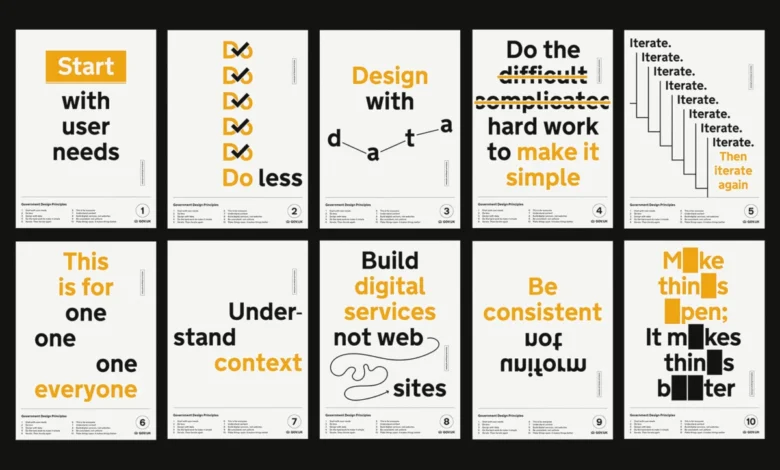
Experts suggest that effective institutional governance must balance security with operational autonomy. Rather than distributing voluminous, restrictive policy documents that induce panic, high-performing organizations establish concise ethical and operational principles—similar to the concise design standards utilized by public sector digital services—while trusting employee common sense during exploratory phases.
Strategic Implications and Economic Outlook
As corporate expenditure on generative AI continues to scale globally, economic analysts emphasize that the organizations achieving the highest return on investment are those treating AI integration as a comprehensive change-management initiative rather than a standard software deployment.
The financial and operational implications of mismanaged AI adoption extend beyond wasted technology budgets; they include severe talent attrition, diminished employee morale, and heightened cybersecurity vulnerabilities stemming from shadow usage. Industry consensus indicates that mitigating these risks requires executive leadership to adjust productivity metrics, establish dedicated sandbox environments for failure-tolerant experimentation, and amplify peer-to-peer training models driven by internal enthusiasts rather than bureaucratic mandates.
Ultimately, historical precedent demonstrates that technological superiority alone cannot guarantee adoption success. Organizations that fail to center their AI deployment strategies around human culture, psychological safety, and genuine operational utility risk repeating the costly mistakes of the digital transformation era on an unprecedented scale.