The Dawn of Vibe Coding: Redefining Competitive Edge for Modern WordPress Agencies Through AI Automation

The key to gaining a competitive edge for modern WordPress agencies no longer lies in merely writing great code. As the digital landscape rapidly evolves, growth-oriented agencies are increasingly distinguishing themselves by adopting advanced strategies to automate repetitive tasks, significantly reduce operational costs and time-to-market, and deliver more bespoke, tailored services to their clientele. This paradigm shift underscores a broader industry movement towards efficiency and innovation, where technological prowess extends beyond traditional coding to intelligent workflow orchestration.
For years, WordPress agencies have grappled with the inherent challenges of scaling development processes. The traditional model, heavily reliant on manual coding and repetitive tasks, often led to bottlenecks, extended project timelines, and inflated operational expenditures. Agencies frequently found themselves caught in a cycle of "firefighting" — addressing technical debt, managing complex plugin ecosystems, and manually configuring new client sites. This labor-intensive approach limited their capacity for growth, constrained their ability to take on more clients, and ultimately hindered their competitive standing in a crowded market. The advent of artificial intelligence (AI) has presented a formidable solution, fundamentally reshaping how development workflows are conceived and executed. Integrating AI tools into production processes has become crucial for agencies aiming to streamline operations and unlock unprecedented levels of automation. Within this transformative context, "Vibe Coding" — an innovative AI-driven development methodology — is rapidly gaining traction, signaling a profound evolution in software creation.
Vibe Coding, however, is not a shortcut to effortlessly generate code. While it democratizes access to powerful development capabilities by reducing the need for years of hands-on coding experience in every instance, it demands a sophisticated understanding of programming principles and the languages being utilized. More critically, it necessitates the development of an expanded skill set that complements traditional coding expertise. Proficiency in leveraging the most powerful AI-powered tools, understanding their capabilities, and effectively guiding them through complex tasks is now paramount. This shift transforms the developer’s role from a sole coder to an architect, strategist, and supervisor of intelligent agents.
Understanding Vibe Coding: A Shift to Intent-Driven Development
At its core, Vibe Coding represents a development methodology meticulously designed for efficiency and optimal resource utilization. It pivots the developer’s focus from the physical act of writing lines of code to a higher level of abstraction: the level of intent. In this model, the developer articulates the architectural blueprint, defines the logical flow, and specifies the technical and business requirements of a web project. The actual code generation and implementation are then delegated to an AI agent, which translates these high-level intentions into functional software. This approach significantly streamlines the development lifecycle, allowing human developers to concentrate on strategic design, problem-solving, and quality assurance, rather than granular syntax.
The adoption of Vibe Coding for process automation yields substantial advantages for WordPress agencies. These include a marked reduction in time-to-market for new projects, the democratization of complex automation capabilities, and enhanced process flexibility and adaptability. These benefits collectively translate into superior operational efficiency and scalability. For instance, with workflow automation powered by Vibe Coding, WordPress agencies can scale their operations more readily. The process of onboarding new clients, which traditionally involved significant manual effort and increased workload, becomes largely automated, thereby preventing a proportionate rise in overhead costs. Industry reports indicate that companies leveraging automation tools can achieve up to a 30% reduction in project delivery times, while simultaneously reallocating up to 40% of developer effort from mundane tasks to innovation.
However, it is crucial to temper expectations: Vibe Coding is not a magical panacea that instantaneously delivers perfectly structured, maintainable, and flawlessly functioning code. Its effective implementation demands a nuanced understanding of how AI agents operate. It requires adherence to specific architectural principles and best practices that ensure the generated code is reliable, secure, and aligns with an agency’s standards. Without proper guidance and oversight, AI agents can produce suboptimal or even erroneous code, necessitating careful review and refinement by human experts. The success of Vibe Coding hinges on the developer’s ability to effectively "prompt" and direct the AI, making prompt engineering a critical new competency.
The Automation Toolkit: Powering Vibe Coding Workflows
To illustrate the practical application of Vibe Coding, consider the creation of an automated workflow for onboarding new WordPress projects. This real-world use case involves cloning a preconfigured WordPress site blueprint hosted on Kinsta, orchestrated through GitHub Copilot and the Kinsta API.
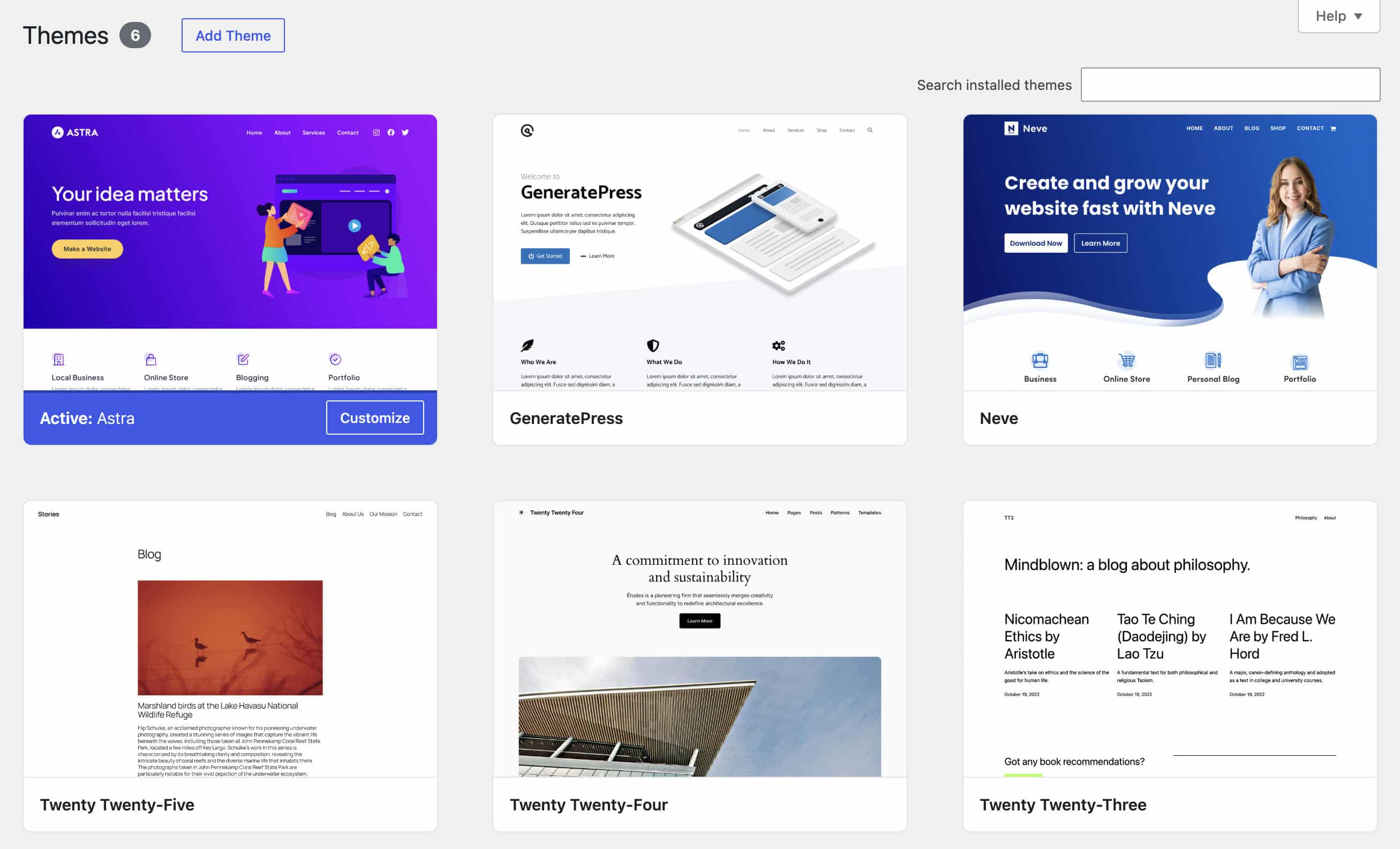
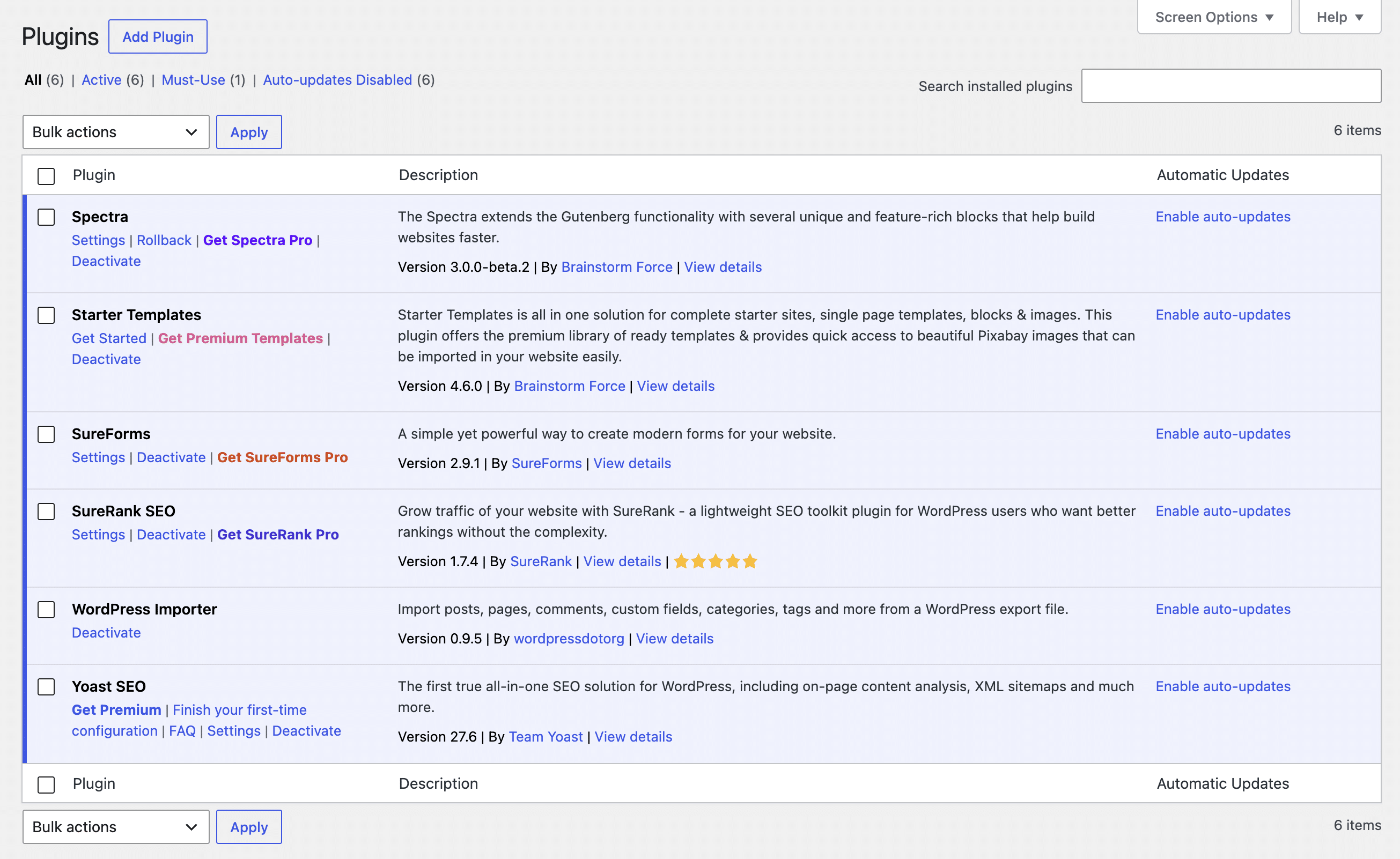
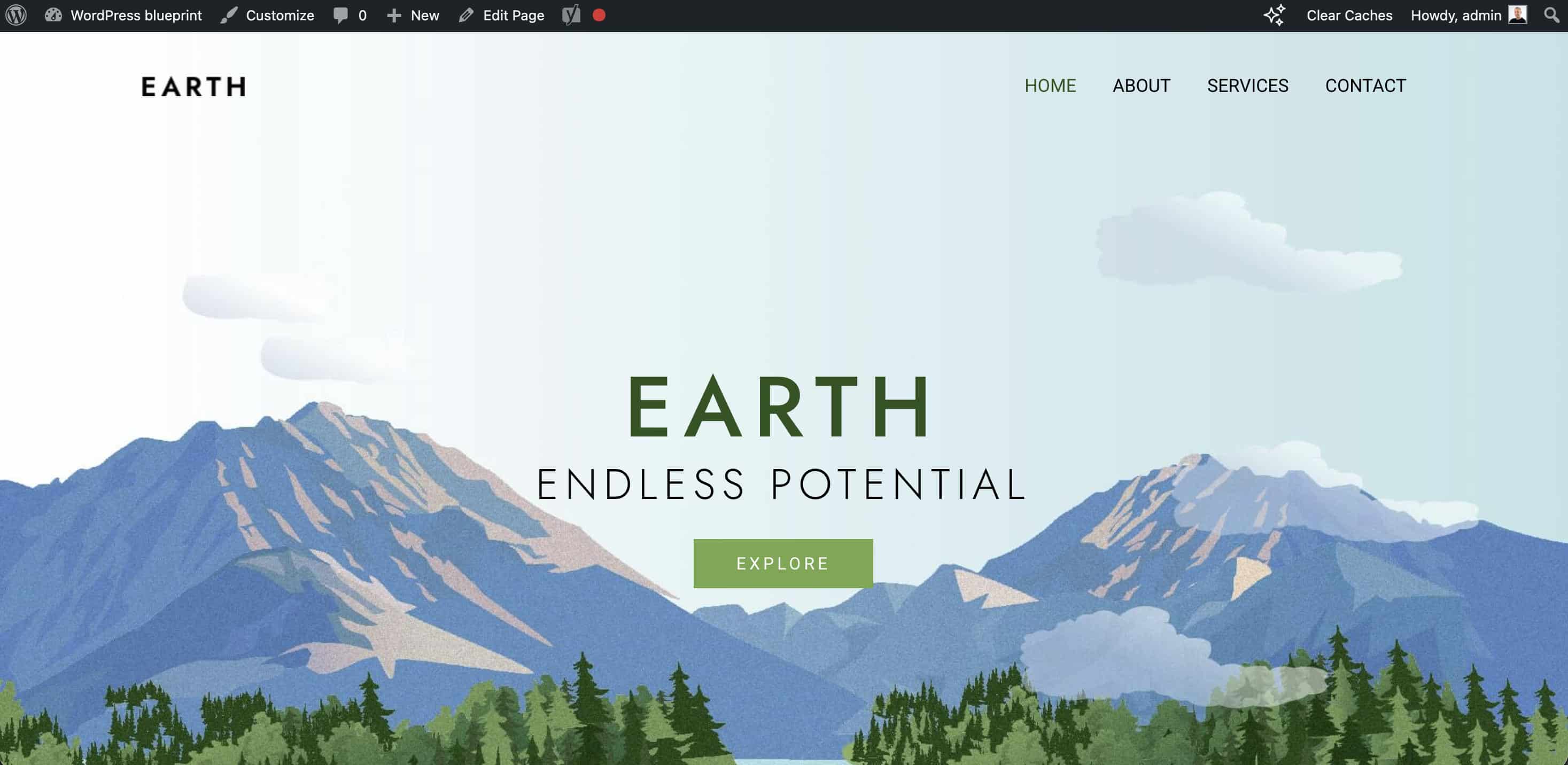
The foundational element for such an automation is a robust blueprint site hosted on a high-performance platform like Kinsta. For demonstration purposes, a blueprint site might be pre-equipped with essential themes such as Astra, GeneratePress, and Neve, alongside crucial plugins like Yoast SEO and Starter Templates, ensuring a consistent starting point for every new client project. This pre-configuration eliminates the repetitive manual installation and setup, saving countless hours per project.
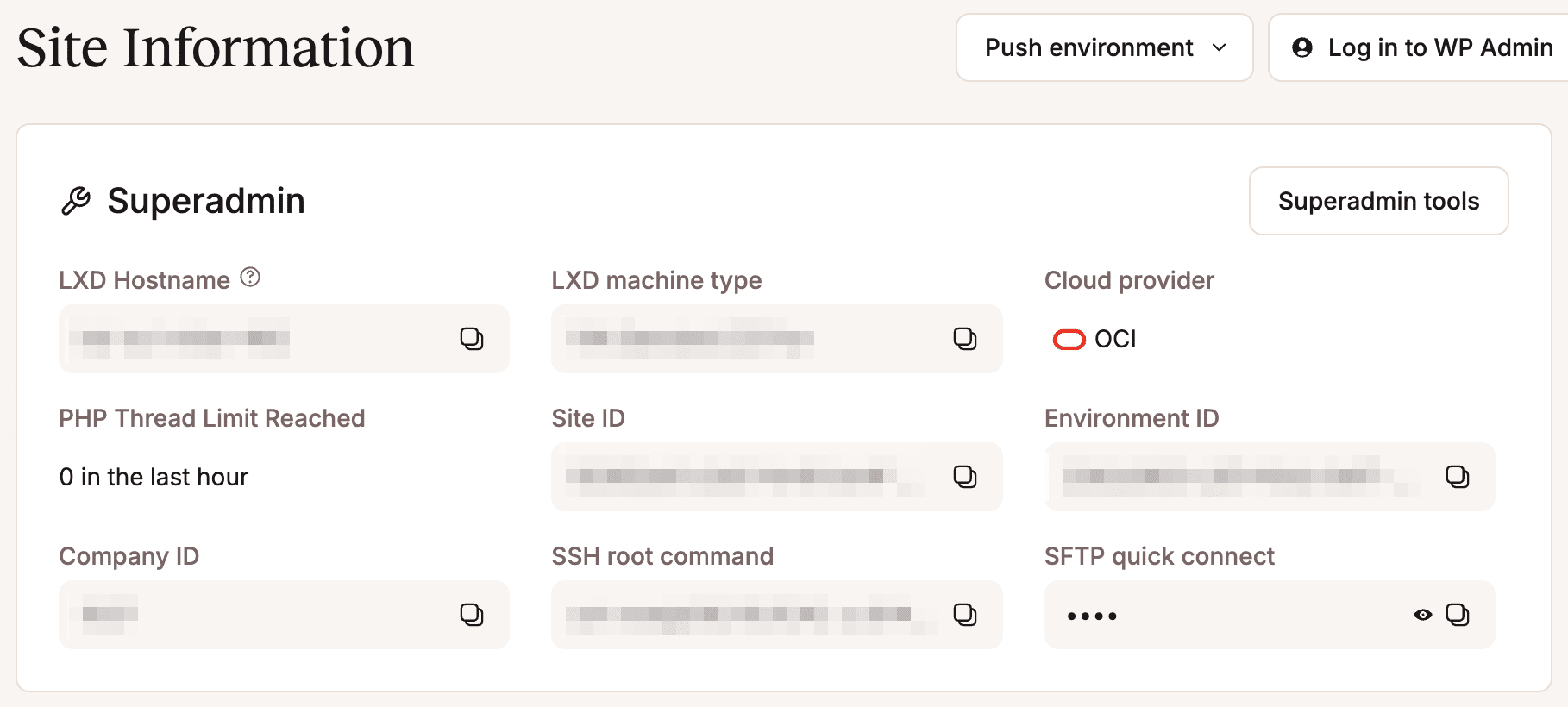
Accessing and manipulating this blueprint site programmatically requires leveraging the Kinsta API, a powerful interface that allows developers to interact with their Kinsta hosting environment. This necessitates a Kinsta API key, the company ID, and the environment ID of the blueprint site. These identifiers act as secure credentials, enabling the AI agent to perform actions like site cloning on behalf of the agency. The company ID can typically be found within the URL of the MyKinsta dashboard or the Site Information section, alongside the environment ID.
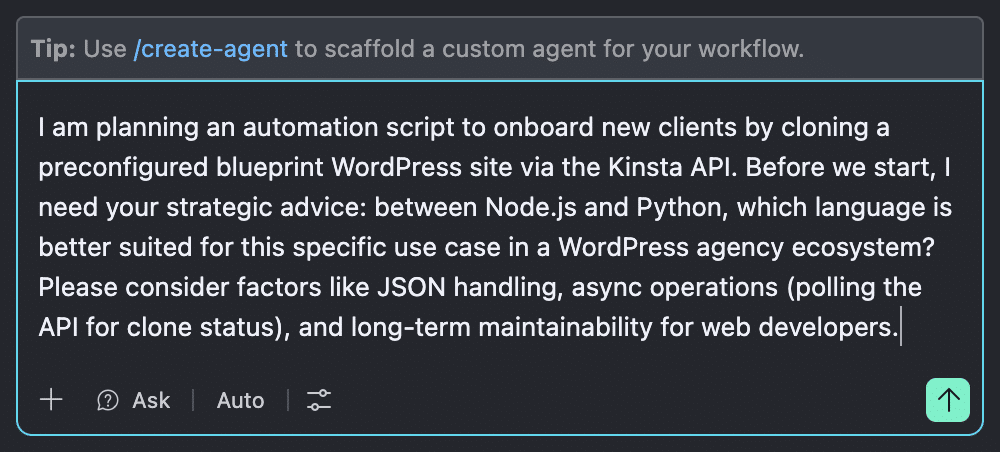
The development environment itself is another critical component. While traditional IDEs like Visual Studio Code or Cursor remain viable, AI-first development environments like Lovable offer integrated AI capabilities. Additionally, web-based prototyping platforms such as Google AI Studio are invaluable for testing prompts in an isolated sandbox before integrating them into the actual development workflow. For practical application, a combination of Google AI Studio for prompt building and GitHub Copilot within Visual Studio Code provides a powerful and flexible setup. GitHub Copilot’s integration within VS Code offers features like real-time code suggestions, conversational AI for problem-solving, and the ability to interact directly with the local file system and terminal, making it an ideal partner for Vibe Coding.
Vibe Coding with GitHub Copilot: Modes, Context, and Instructions
Unlocking the full potential of Vibe Coding with GitHub Copilot requires a deep understanding of its operational mechanics, including its distinct interaction modes, the concept of the context window, and the formulation of effective agent instructions.
Copilot Interaction Modes
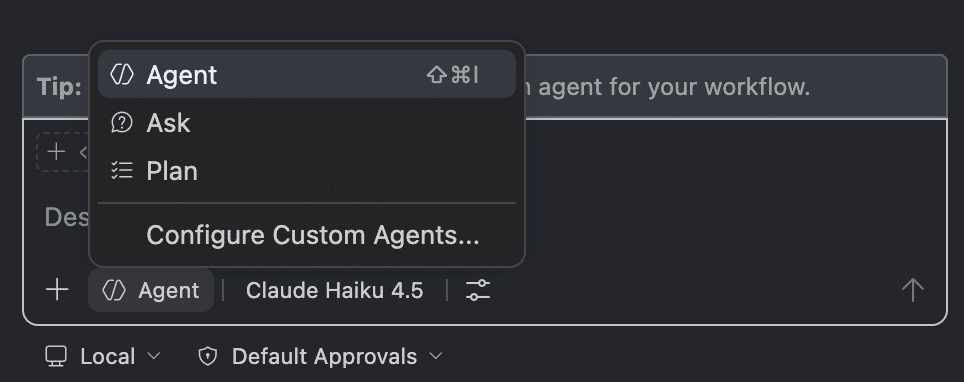
GitHub Copilot offers three distinct interaction modes, each tailored to different stages of the development lifecycle:
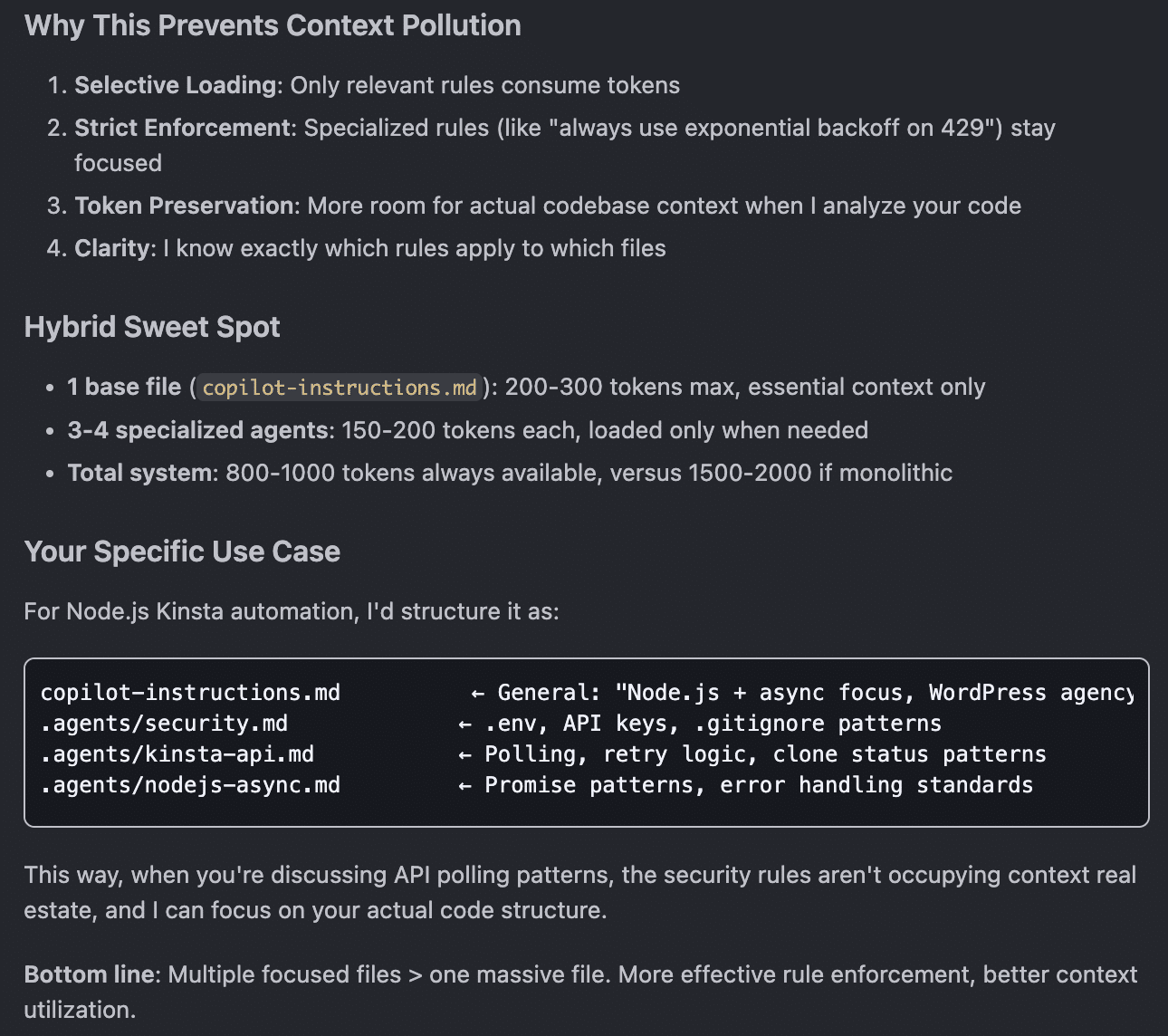
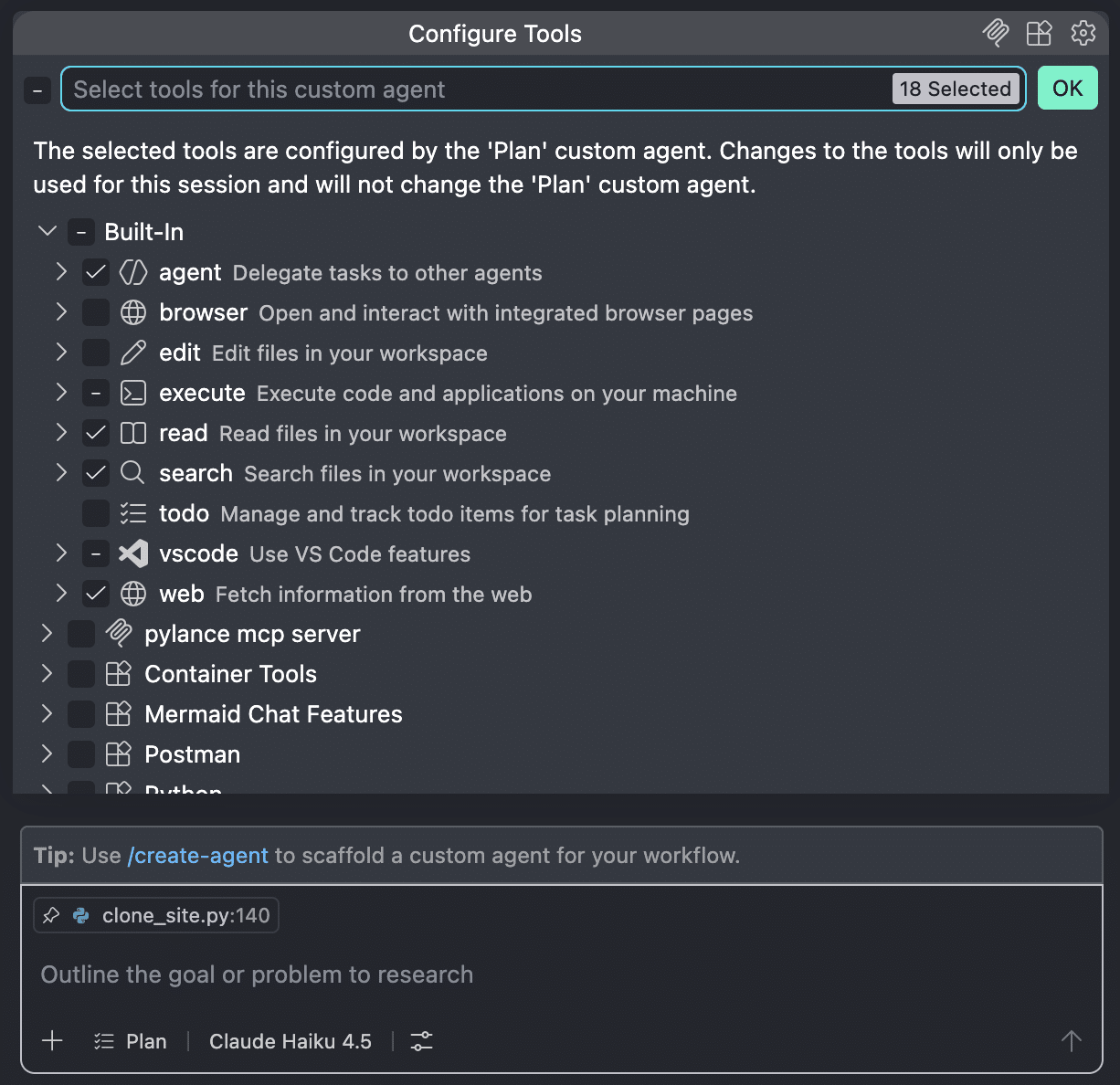
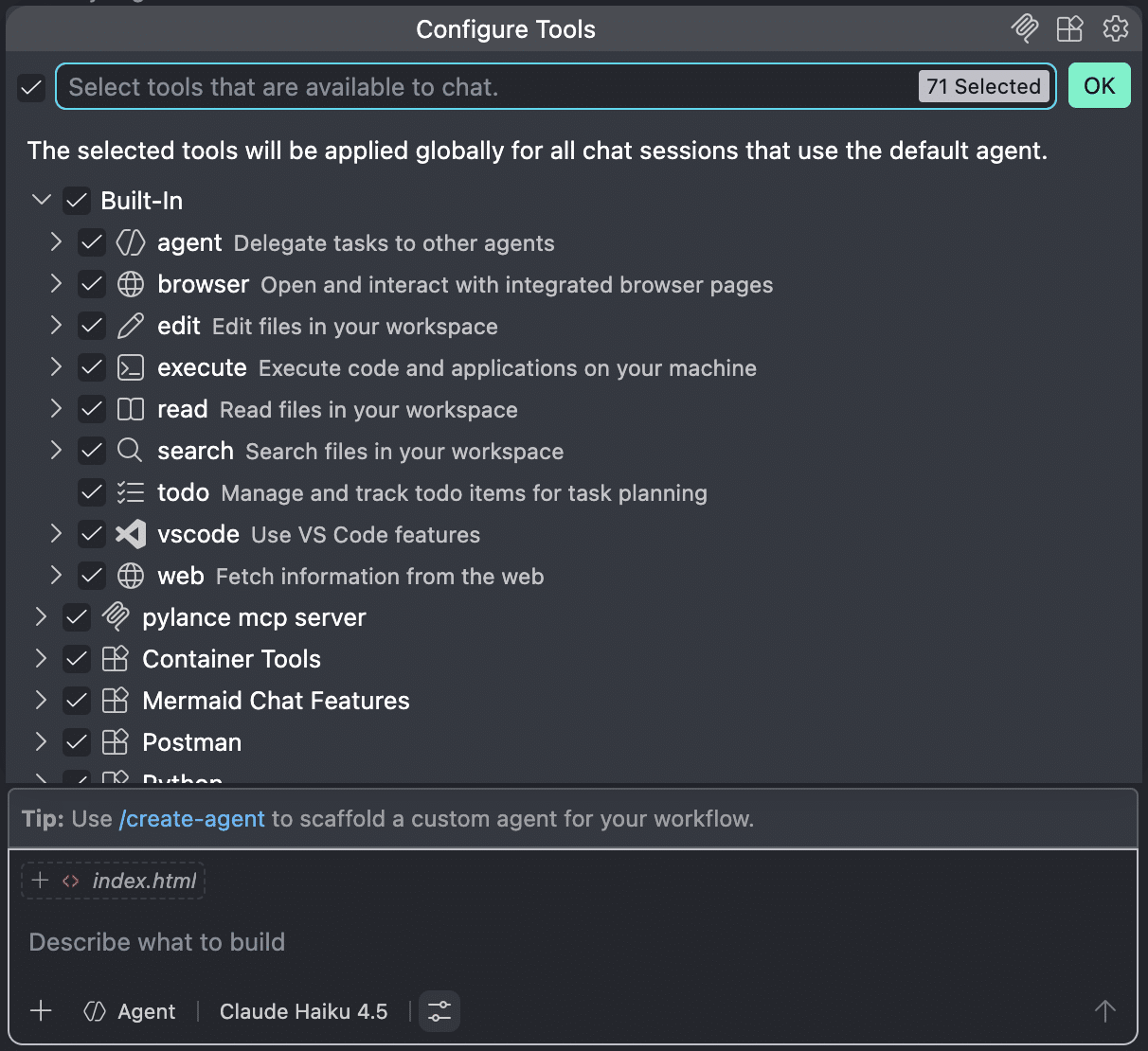
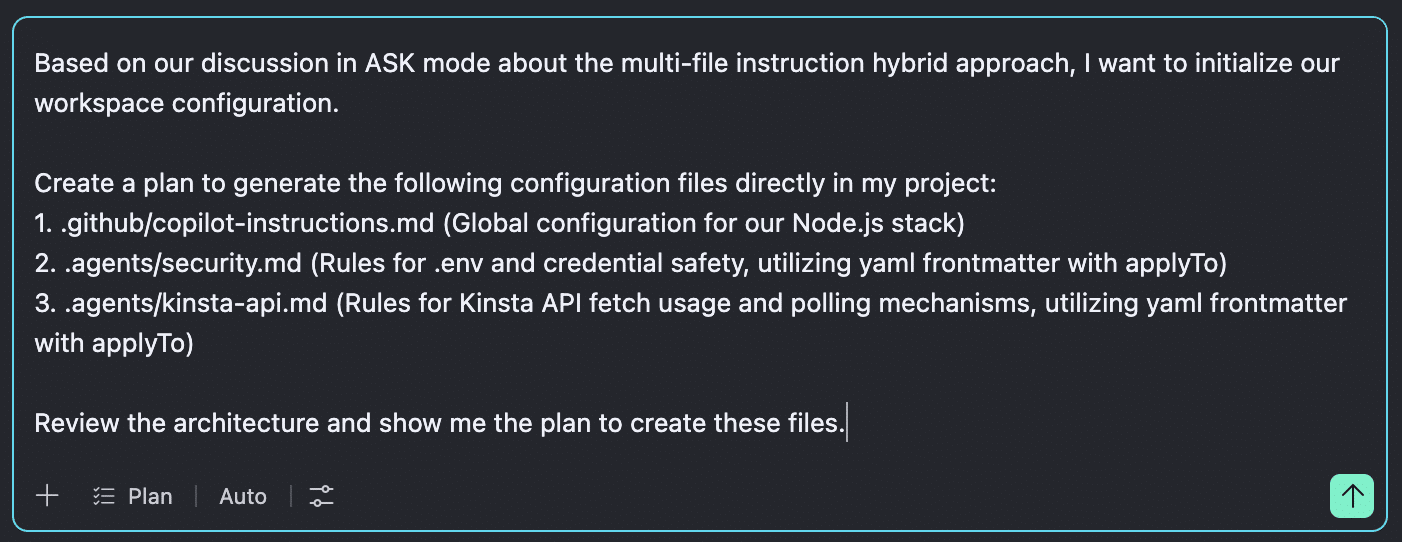
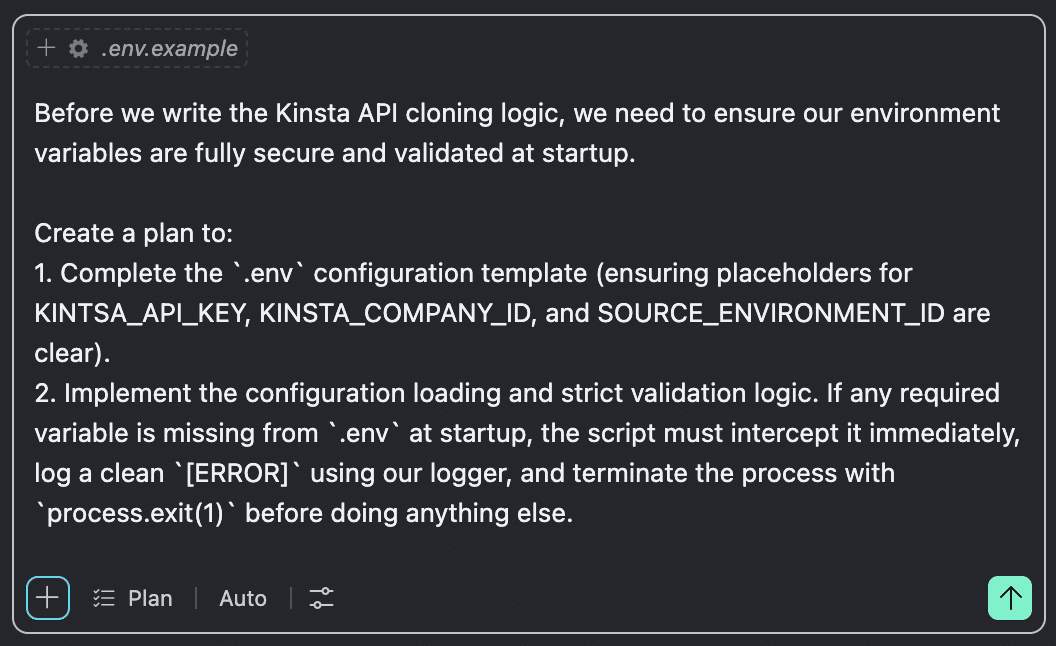
- Plan Mode: This mode is designed for strategic planning. Copilot generates a structured plan, breaking down complex tasks into manageable steps, including implementation and verification stages. This ensures the AI agent remains focused on overarching project goals and tracks progress effectively. Developers review the proposed plan, provide feedback for adjustments, and, once satisfied, initiate implementation. This mode often presents a comprehensive set of configurable tools, allowing developers to fine-tune the planning process.
- Agent Mode: Once a plan is approved, Agent mode takes over. In this mode, Copilot analyzes requests, consults its AI model to devise solutions, and executes tasks directly, such as creating files, generating code, or running terminal commands. After an initial iteration, Copilot performs internal checks to identify errors and determine necessary fixes, whether code modifications or tool calls. Agent mode operates with a default selection of all available tools, allowing for broad operational capabilities. This is where the developer transitions from planner to supervisor, providing feedback to resolve issues or refine code.
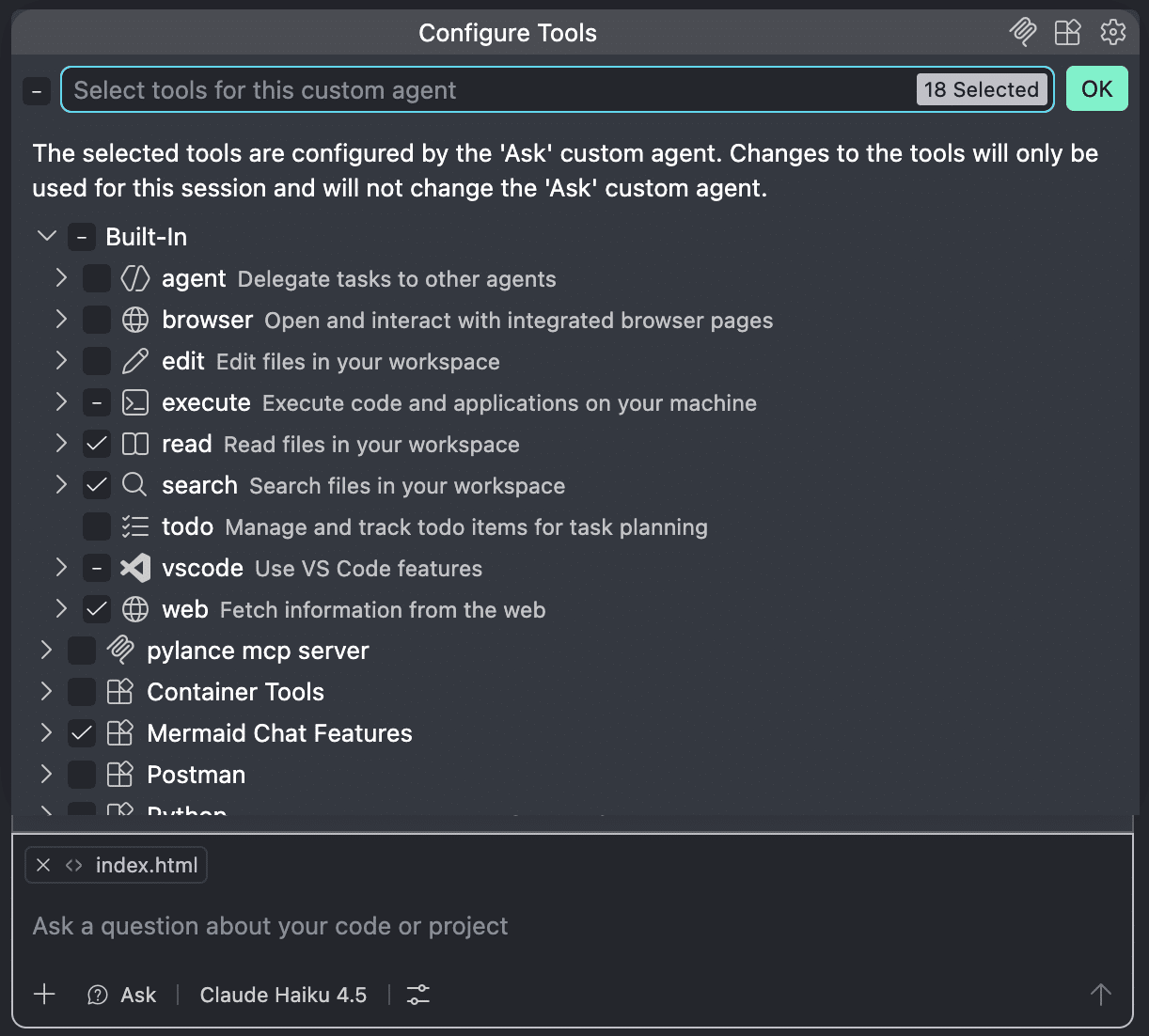
- Ask Mode: This mode is specifically for querying Copilot through the chat window. It is ideal for seeking help, understanding code snippets, debugging, or asking general coding questions. Ask mode facilitates quick access to information and guidance without directly altering project files, making it invaluable for problem-solving and learning during development.
These three modes follow a logical progression throughout an application’s development. Plan mode establishes the architectural roadmap. Agent mode then translates this plan into tangible code. Finally, Ask mode serves as a vital resource during debugging, for clarification, and for generating documentation.
The Criticality of the Context Window
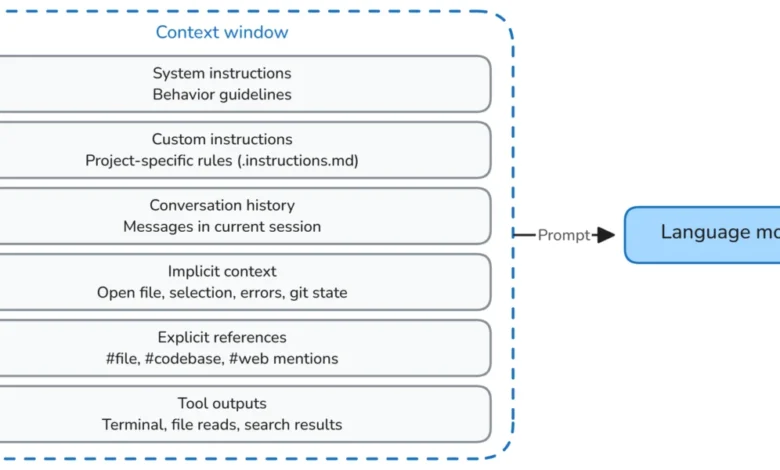
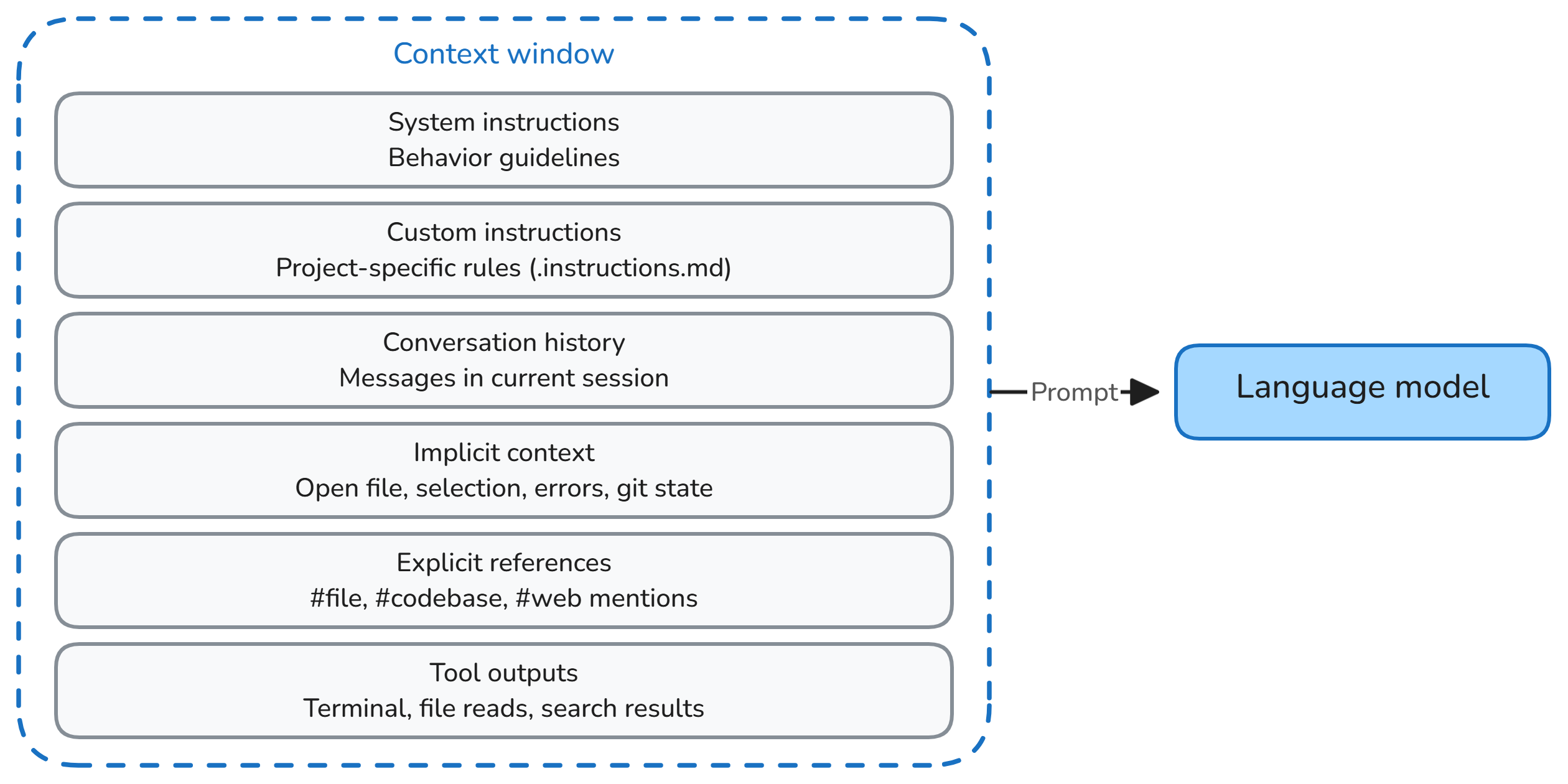
Context is paramount to the quality of an AI model’s responses. It encompasses all information visible to the model during processing, including chat history, workspace files, system instructions, tool outputs, and explicit references. The effectiveness of Copilot’s output is directly proportional to the relevance and accuracy of the context provided.
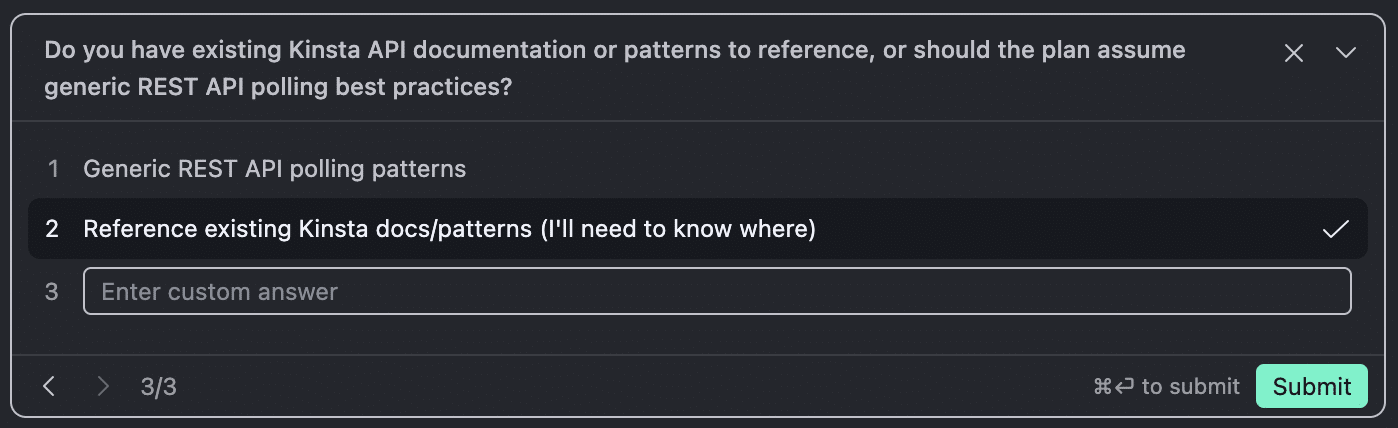
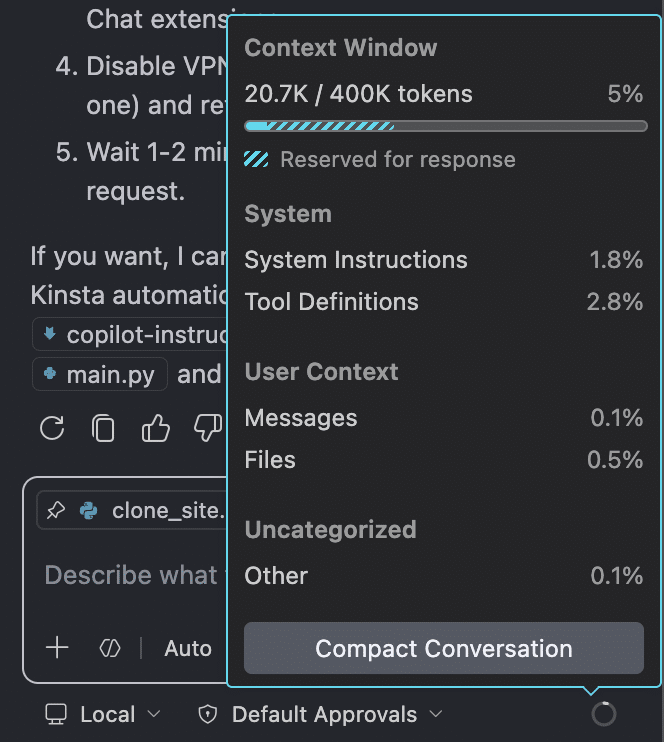
The Context Window represents the maximum amount of data (measured in tokens – portions of words or code) that an LLM can process and retain during a single request-and-response cycle. This window acts as the model’s short-term memory. If it becomes saturated or, worse, filled with irrelevant information (Context Pollution), the AI agent may generate incorrect data, hallucinate, or produce unoptimized code. To mitigate these risks, developers must practice strict "chat hygiene," which involves closing unnecessary tabs, using explicit file references, compacting chat history, or starting fresh with a new chat window.
Agent Instructions: Guiding AI Behavior
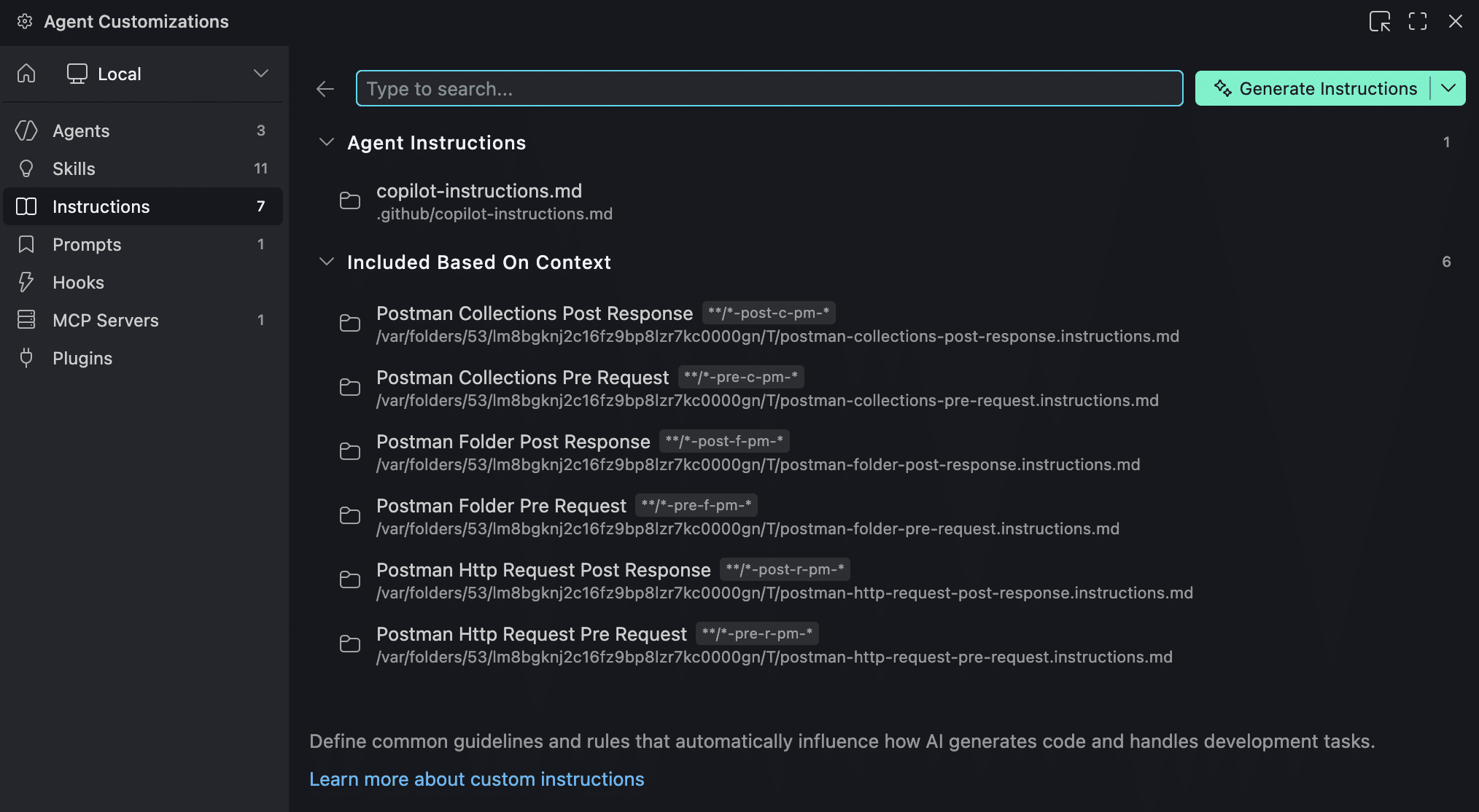
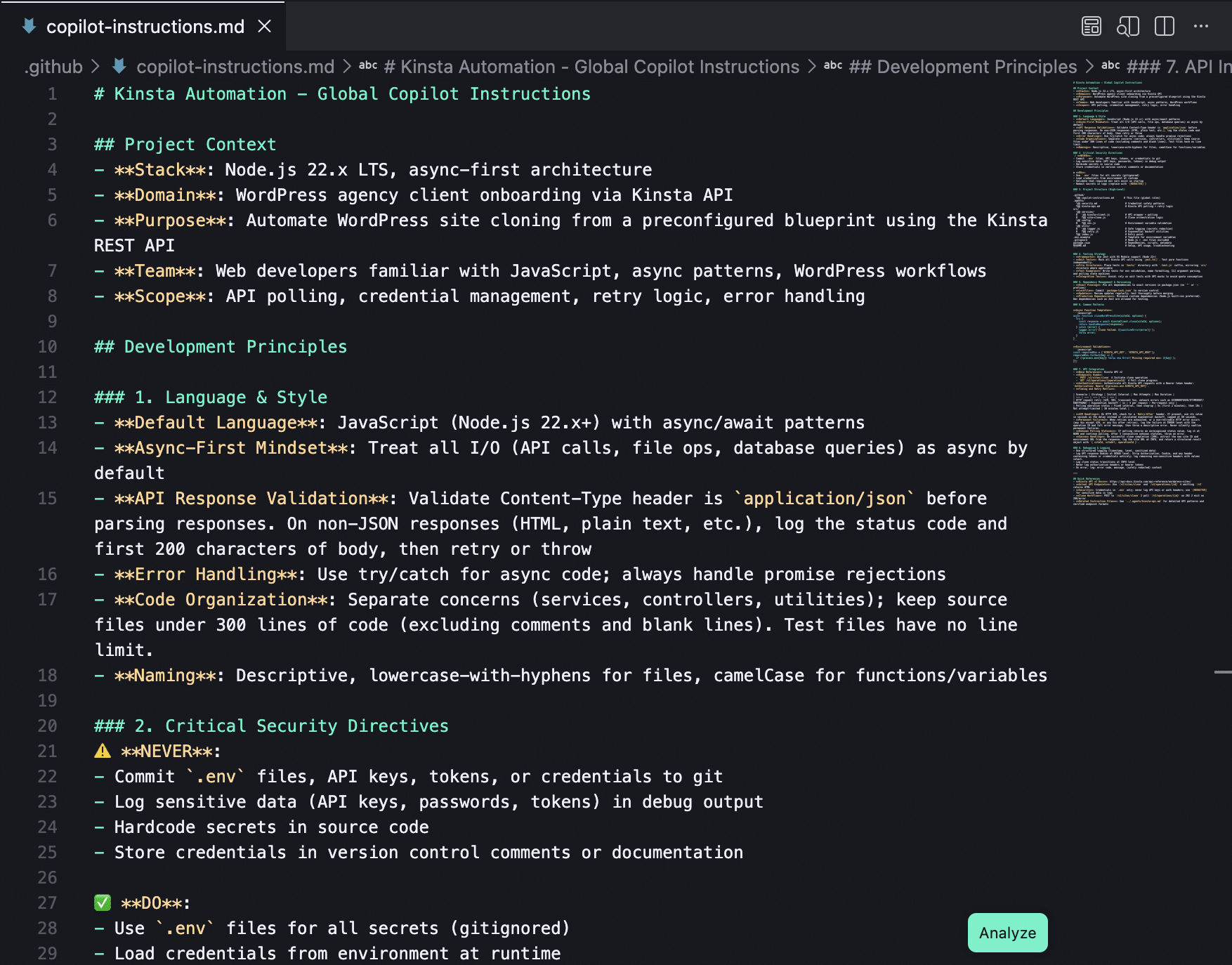
Agent instructions are predefined behavioral rules that profoundly influence how an AI agent generates code and manages development tasks. These instructions are crucial for ensuring that AI-generated code adheres to company standards, utilizes only authorized libraries, and maintains stringent security protocols for sensitive data like API keys.
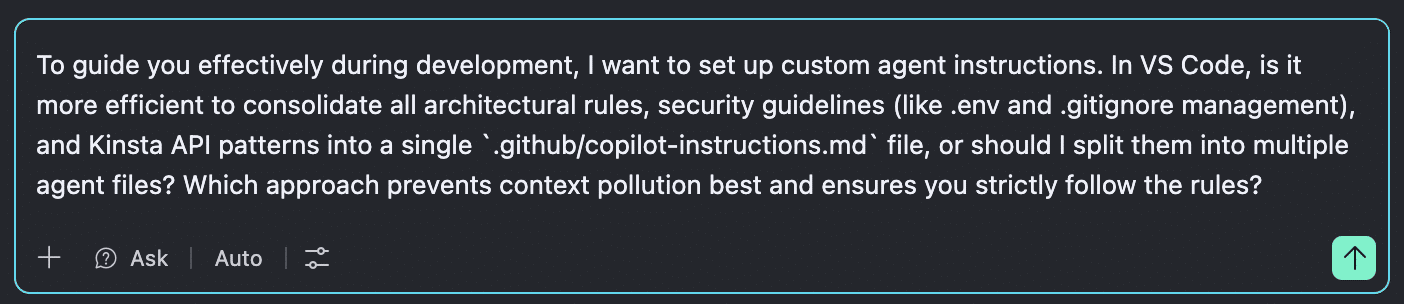
Instead of embedding these directives in every prompt, custom instructions can be specified in Markdown files. VS Code automatically combines and integrates multiple instruction files into the chat context. This systematic approach prevents inconsistencies and significantly reduces the effort required to enforce coding standards. For instance, precise instructions can prevent an AI from mixing up parameter names in API requests or making errors when processing responses from external services. GitHub Copilot can even assist in generating these instruction files, streamlining the setup process.
Vibe-Coding a Real-World WordPress Automation Workflow
Implementing Vibe Coding for an advanced project like WordPress workflow automation involves a structured sequence of phases, mirroring a traditional software development lifecycle but with AI at its core.
1. Rule Definition: Setting the Guardrails
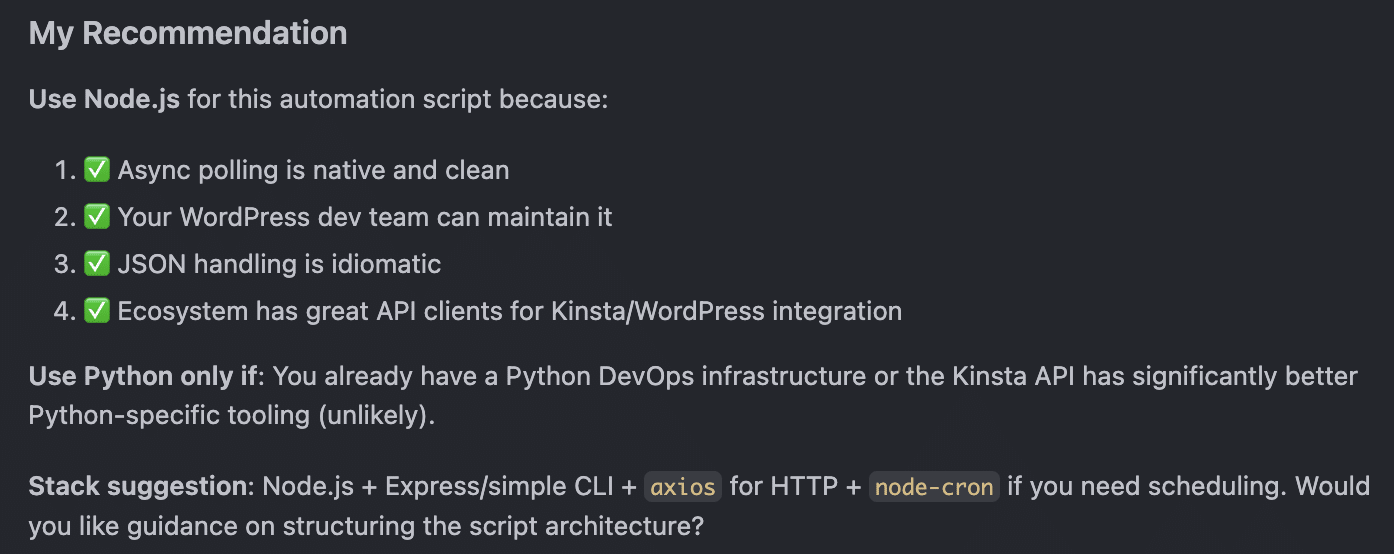
The initial phase focuses on defining the general directives that govern the AI agent’s operations. This involves creating context files that establish the technology stack, security guidelines, and logging patterns. Starting a new project in VS Code, the first interaction with Copilot is typically in Ask mode to determine the most suitable language (e.g., Node.js, as recommended by Copilot for its asynchronous capabilities and large ecosystem, making it ideal for I/O-heavy operations like API interactions). Subsequently, Ask mode is used to architect modular agent instructions, preventing context pollution and ensuring consistent guidance. Plan mode then helps outline the file structure for these instructions, referencing critical external documentation like the Kinsta API. Approval of this plan shifts Copilot to Agent mode, allowing it to directly create the instruction files.
2. Iterative Development: AI-Assisted Code Creation
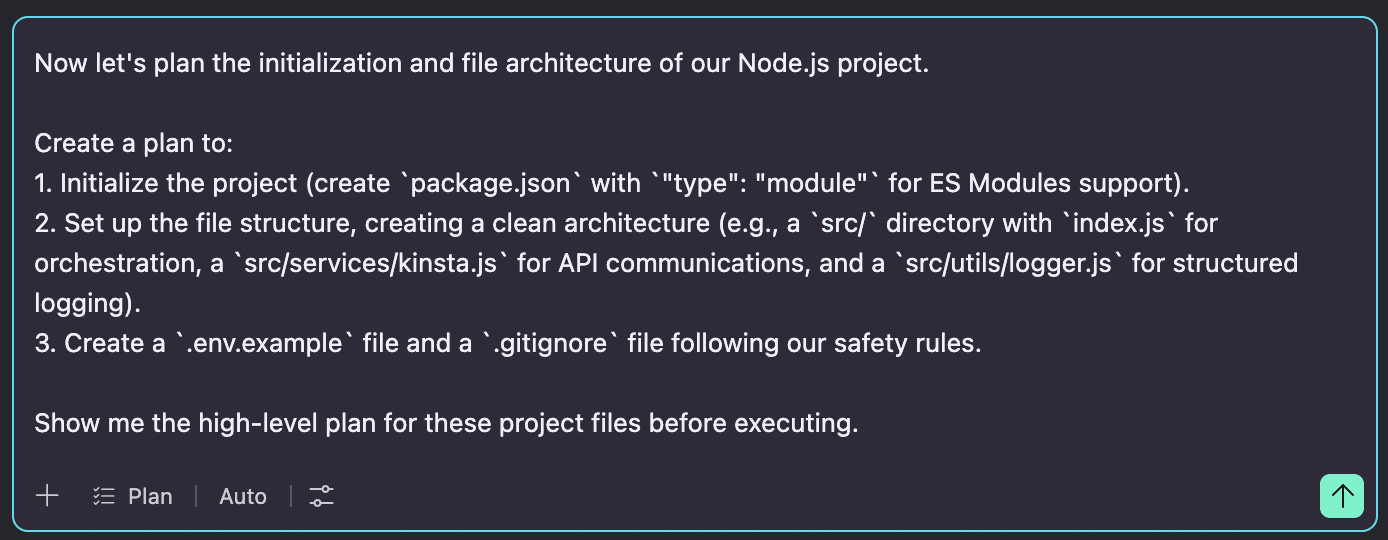
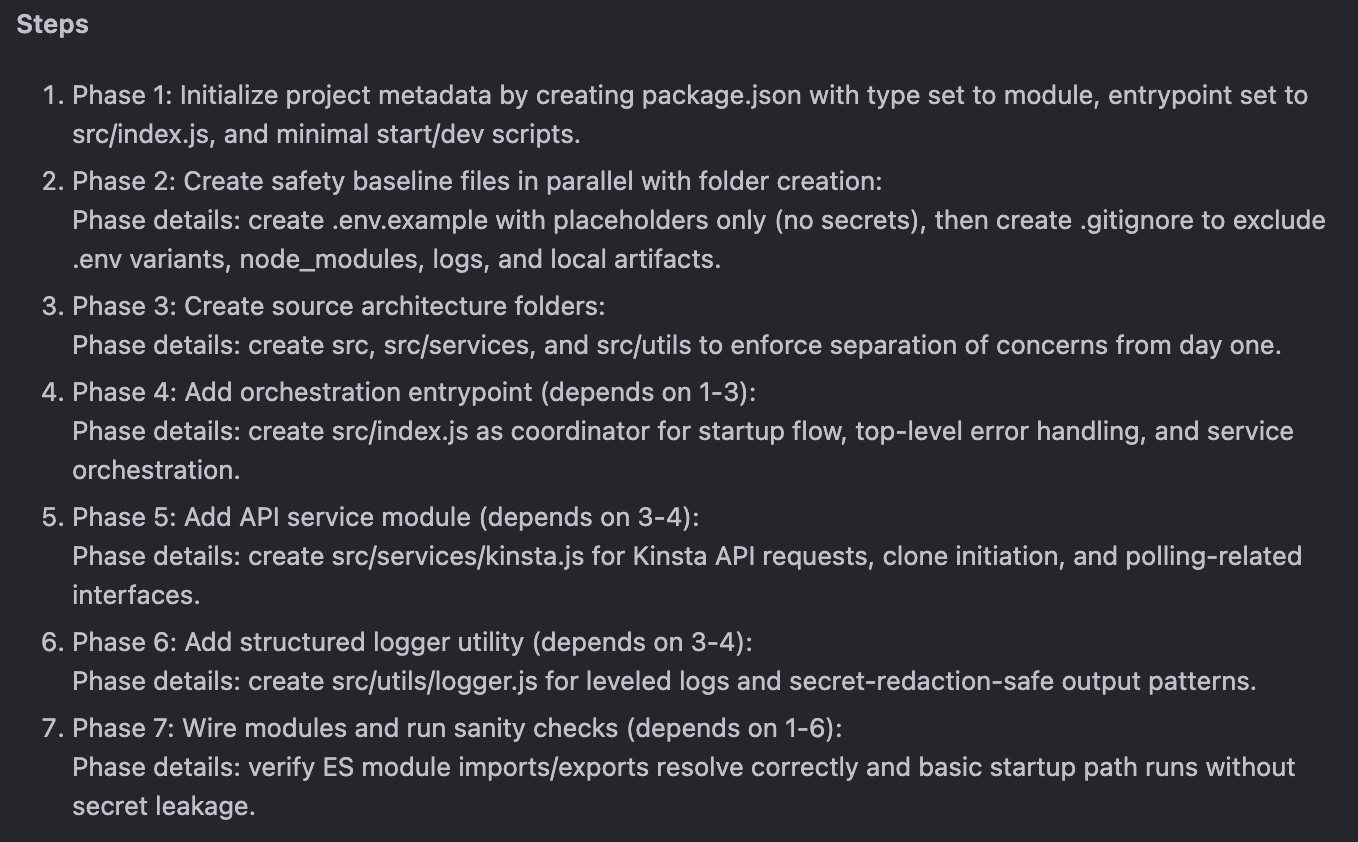
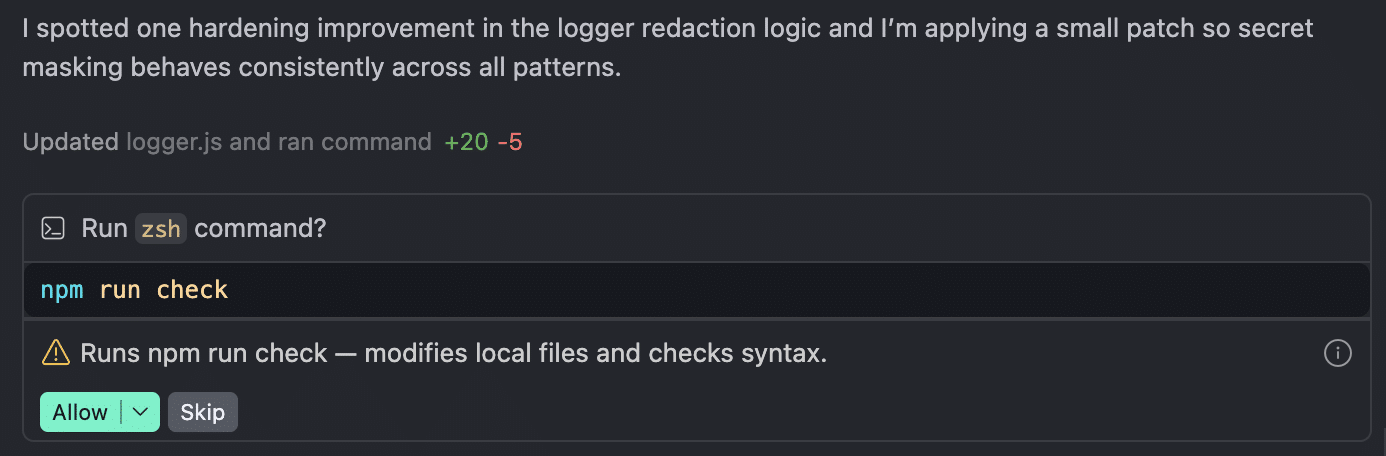
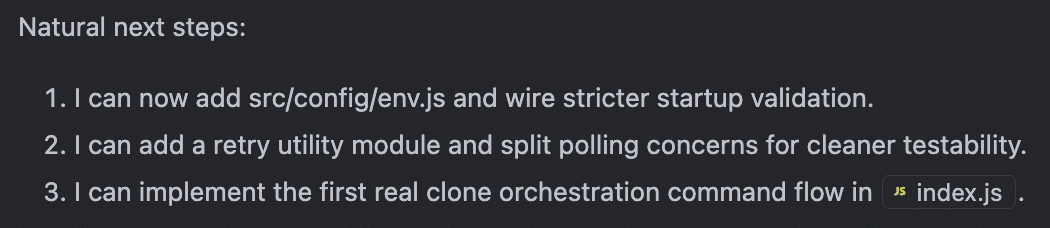
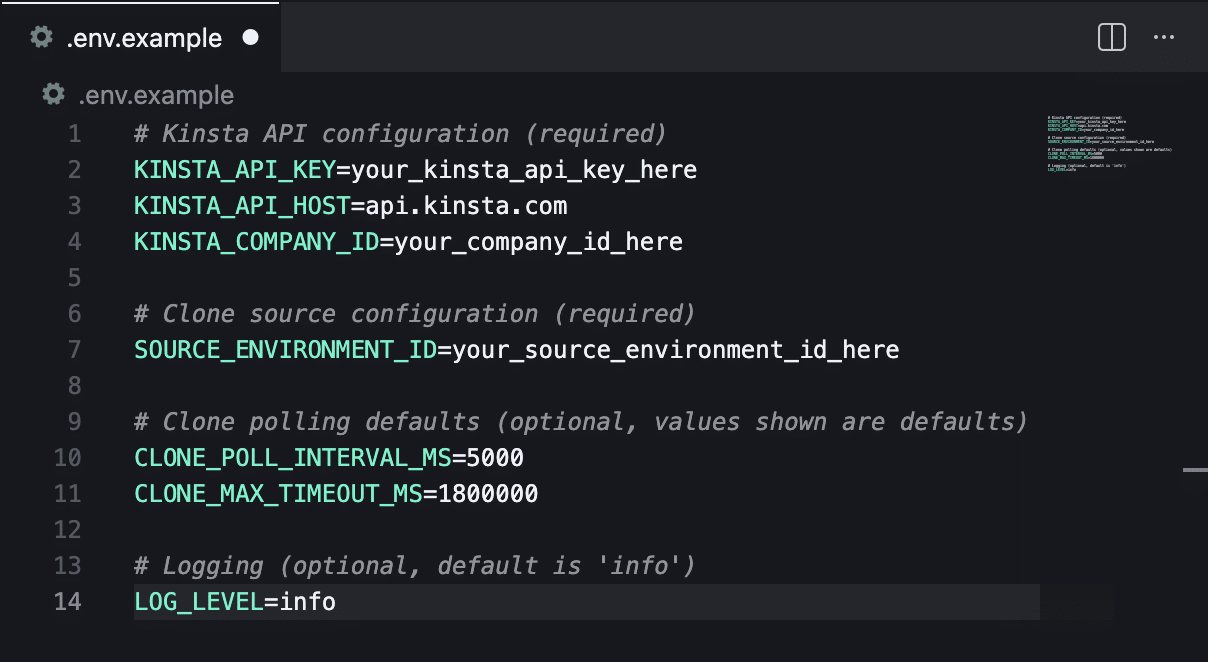
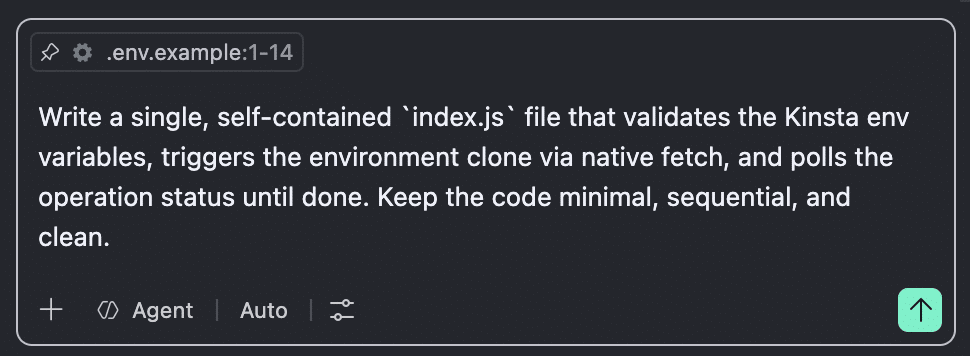
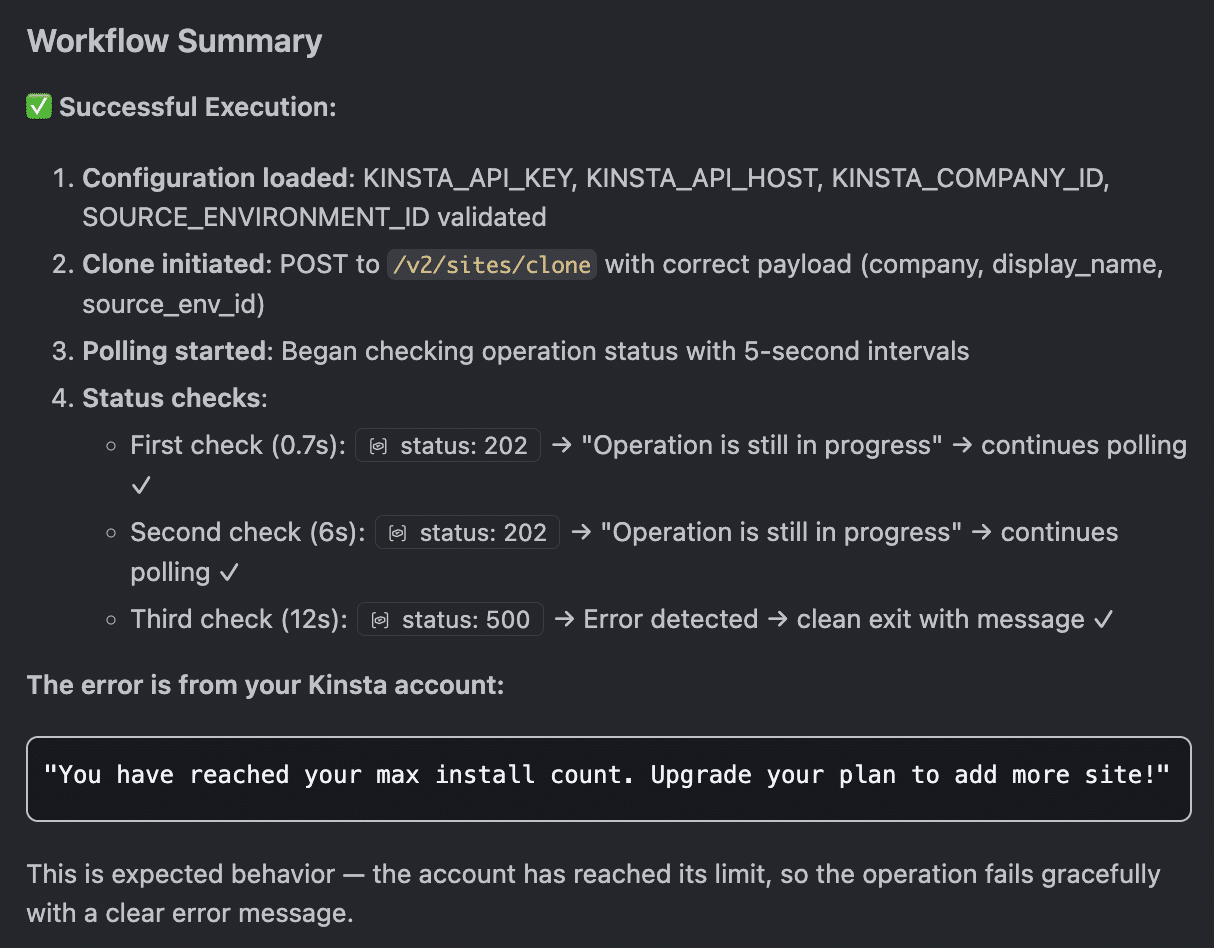
This phase is where the AI agent actively generates project files and scripts, with the developer acting as the architect and director. The process begins by prompting Copilot in Plan mode to initialize the Node.js project and define its file structure. Copilot generates a detailed plan, including relevant files, checks, and decisions. As the implementation proceeds in Agent mode, Copilot will frequently seek feedback or permission for specific operations, making the developer an active supervisor. This includes generating configuration templates (e.g., .env.example) and the main application logic script (index.js). After populating the .env file with actual credentials (Kinsta API key, company ID, environment ID), the script can be executed. Any errors encountered are fed back to Copilot for analysis and proposed fixes, initiating an iterative debugging loop.
3. Fine-tuning Your Application: Enhancing Functionality
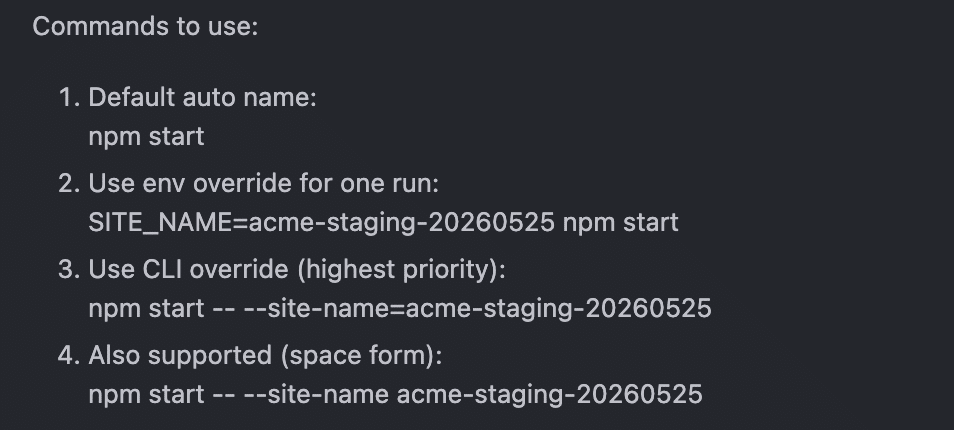
Upon achieving the initial milestone (e.g., automatically cloning a WordPress site), the next step involves refining the application by adding new features. For instance, enhancing the site cloning script to allow users to specify a custom site name (e.g., via an environment variable or a command-line argument) provides greater flexibility. The Kinsta API’s /sites/clone endpoint requires a display_name parameter, which can be dynamically controlled. Copilot assists in modifying the index.js and .env files to incorporate this functionality, even normalizing various input styles (e.g., "My Awesome WordPress Website" or "my-awesome-wordpress-website"). This continuous cycle of improvement, driven by specific user needs and AI-assisted implementation, is central to Vibe Coding.
4. Fail-Fast Security Checks: Building Robustness
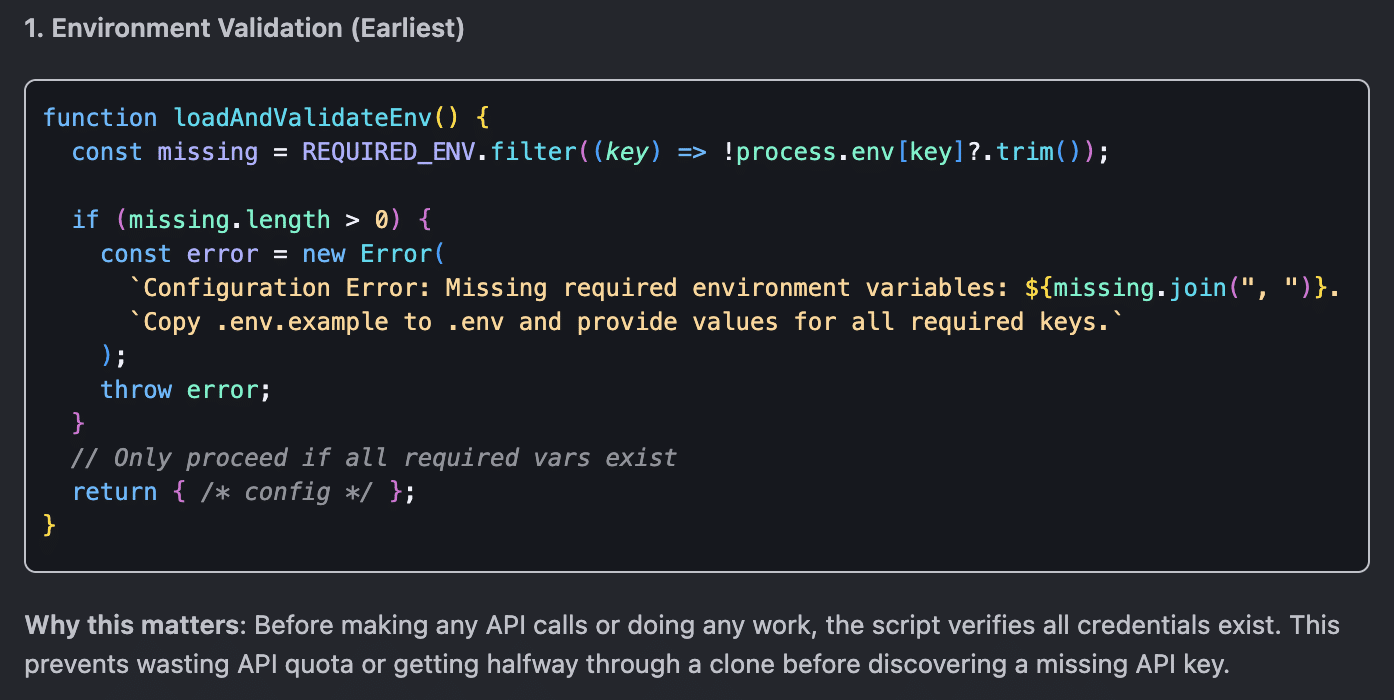
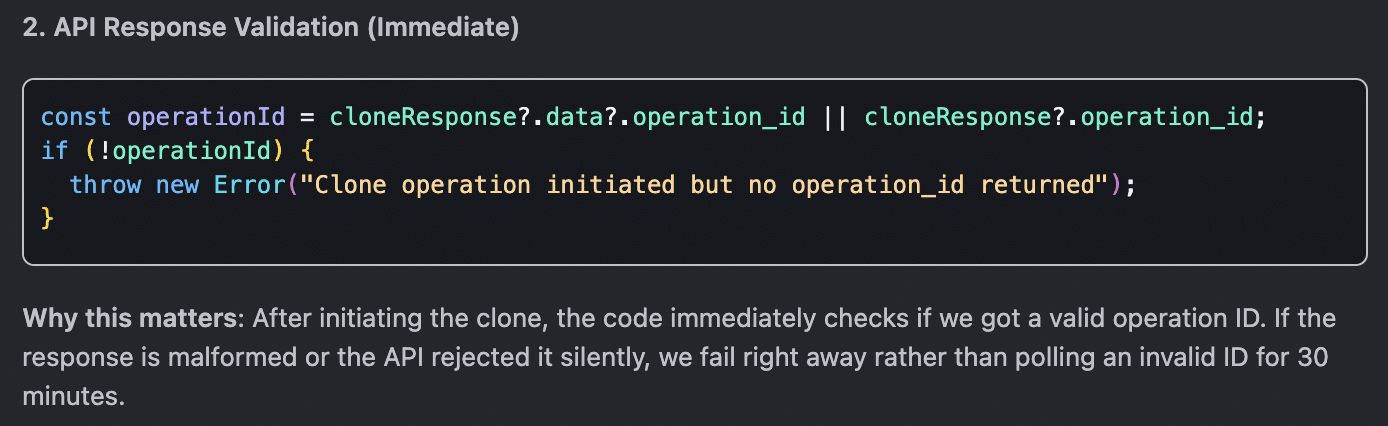
For critical applications handling sensitive data, implementing stringent "fail-fast" security checks is paramount. GitHub Copilot can be guided to integrate these checks at key execution points, ensuring that any failure immediately halts execution and provides clear error messages. This includes:
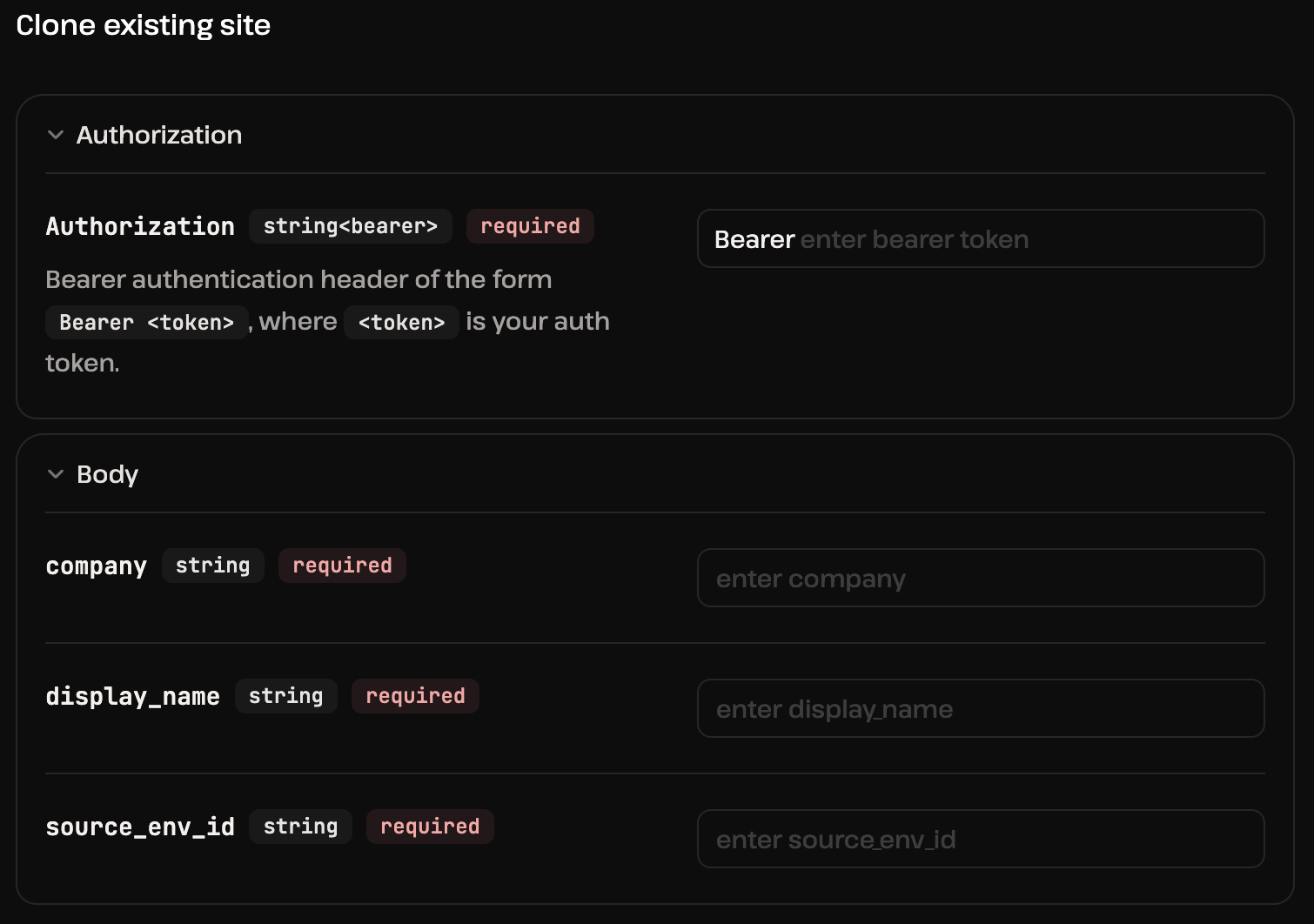
- Environment Validation: Verifying the existence of essential environment variables before any API calls.
- API Response Validation: Immediately checking for valid operation IDs after initiating an API call, preventing unnecessary polling for failed operations.
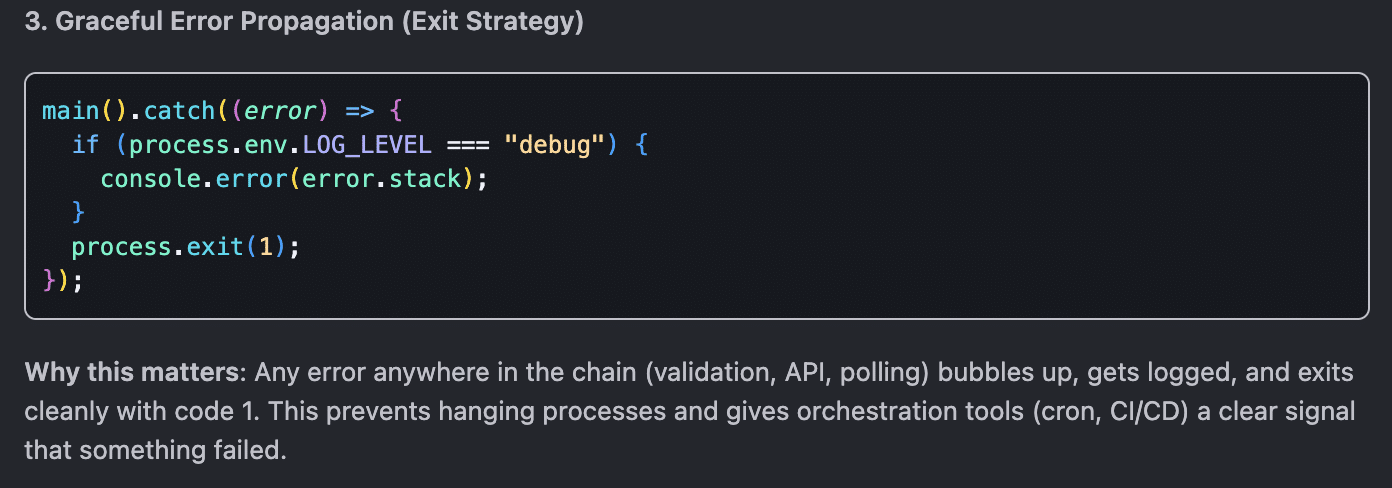
- Graceful Error Propagation: Ensuring that errors at any stage (validation, API, polling) are properly logged and gracefully terminate the script.
These fail-fast mechanisms are vital for scalability, allowing for immediate detection of script failures and preventing cascading issues, particularly for agencies needing to clone dozens of sites in bulk.
5. Unit Testing with Jest: Ensuring Quality at Scale
While Copilot performs basic internal checks during development, these are insufficient for a scalable application. Relying solely on running the full script for testing can quickly exhaust API limits or expose credentials. A robust unit testing framework like Jest is essential. Jest allows for intercepting and simulating API responses (mocking), enabling the testing of software behavior in isolation without making actual external requests. This also facilitates integration into CI/CD pipelines, where tests can run without exposing production credentials. Copilot can provide step-by-step instructions for Jest setup and even generate test files, including using its built-in chat commands like @workspace /tests for specific functions. This ensures that every component of the application functions as expected under various conditions.
6. Documentation and Deployment: Completing the Lifecycle
Well-documented code is fundamental for maintainability and collaboration. Copilot can generate comprehensive README.md files for the project root, detailing the application’s purpose, requirements, configuration steps, execution methods, and testing procedures. By adding relevant files (e.g., index.js, package.json) to the chat context in Ask mode, developers can prompt Copilot to generate this documentation. Similarly, Copilot can create inline documentation (e.g., JSDoc blocks for JavaScript functions) directly within the code, enhancing its readability and future maintainability.
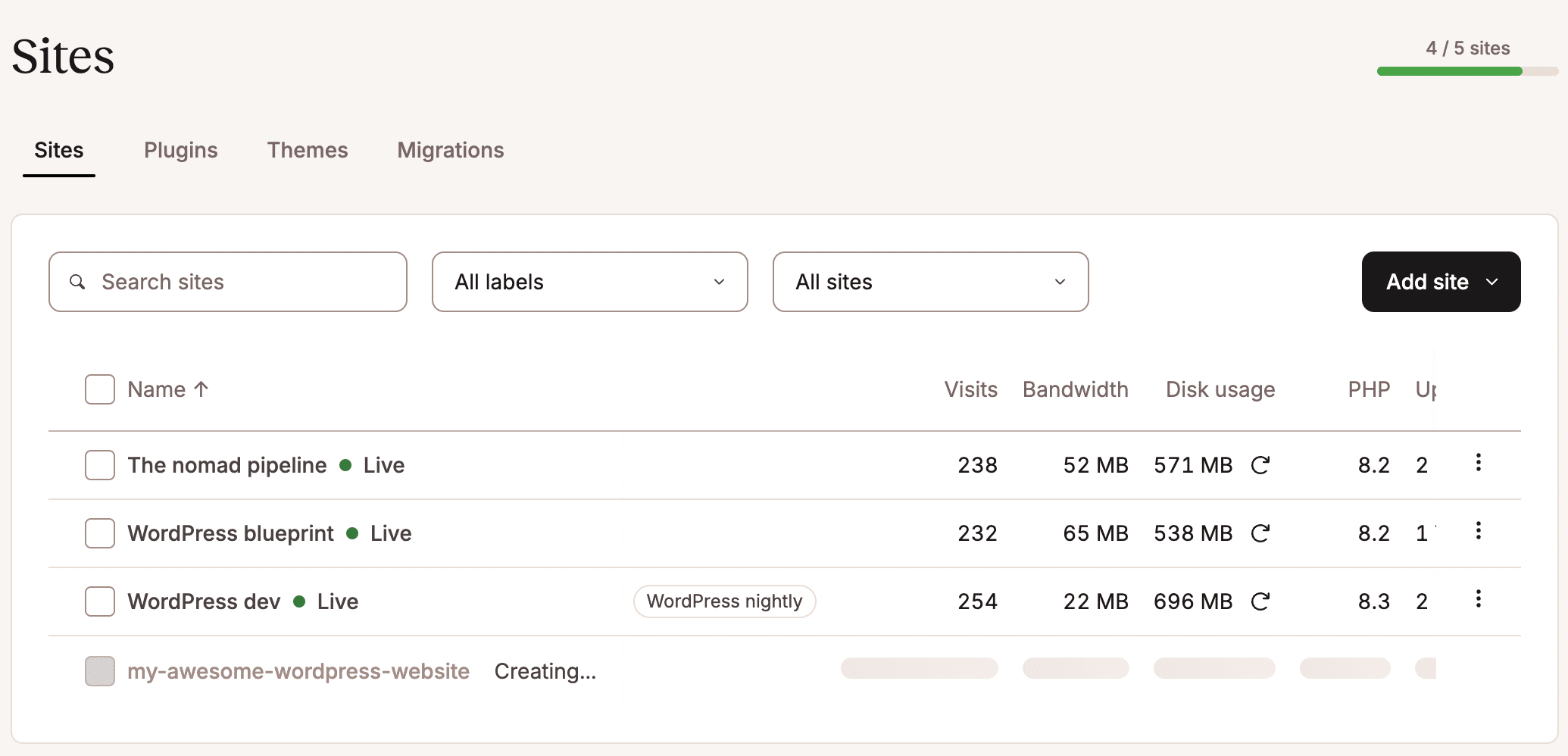
The final stage is deployment. Agencies can opt for local machine execution, a dedicated utility server, or a more sophisticated CI/CD pipeline. For the latter, Copilot can assist in writing the necessary configuration files and scripts, optimizing the deployment process. With these steps completed, a new WordPress project onboarding becomes as simple as executing a single command like npm start -- --site-name="My Awesome WordPress Website", dramatically reducing manual effort and potential errors.
Vibe Coding and Automation: The Future of Forward-Thinking WordPress Agencies
Vibe Coding transcends a simplistic method of writing code; it represents a profound methodological shift that redefines the developer’s role. No longer confined to the traditional programmer’s purview, the developer becomes the orchestrator of an iterative, AI-powered process encompassing exploration, strategic planning, intelligent coding, continuous improvement, rigorous testing, systematic debugging, comprehensive documentation, and streamlined deployment. This evolution enables agencies to shift from reactive "firefighting" to proactive, efficient, predictable, and highly scalable operations.
Industry analysts predict that AI-driven development tools will augment developer productivity by up to 50% in the coming years, fundamentally altering the competitive landscape. For WordPress agencies to thrive in this AI era, partnering with a forward-thinking hosting platform like Kinsta, which provides robust API access and scalable infrastructure, is crucial. By leveraging the power of the Kinsta API and orchestrating AI agents with clear rules, rigorous testing protocols, and solid documentation, agencies can transform their workflows. This strategic integration not only slashes development times but also empowers agencies to allocate human talent to higher-value tasks, fostering innovation and client satisfaction.
The transformative potential of Vibe Coding is undeniable. It promises a future where WordPress agencies can evolve their development workflows, significantly reduce their operational burdens, and scale their services with unprecedented efficiency. This is not just an incremental improvement but a fundamental re-imagining of how digital products are built and delivered, ensuring sustained competitiveness and growth in an increasingly AI-driven world.
Related posts: