Google Expands Limited Ad Serving Policy, Bolstering Trust and Transparency Requirements for Advertisers

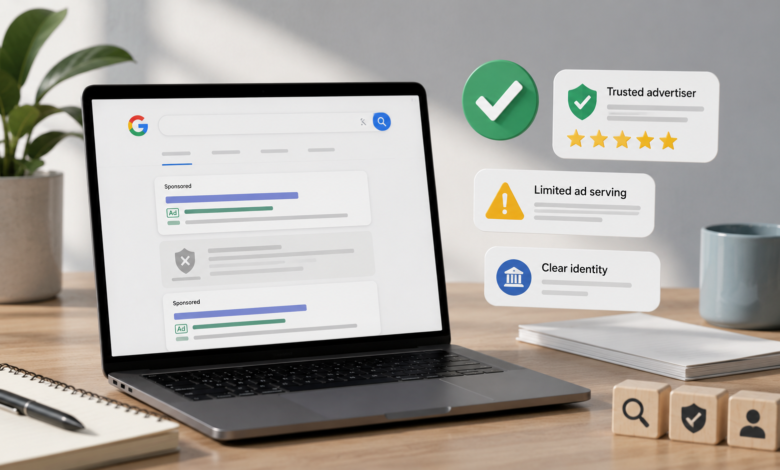
Google has significantly broadened its Limited Ad Serving policy on Search, granting itself expanded authority to restrict ad impressions from advertisers deemed unqualified, potentially confusing, or detrimental to the user experience. This strategic evolution of its ad quality enforcement framework underscores Google’s deepening commitment to fostering a more trustworthy and transparent online advertising ecosystem, a move that is poised to reshape advertiser strategies and potentially impact the visibility of numerous brands across its vast search network. The policy update, which commenced implementation this month and is scheduled for a gradual rollout through 2028, introduces a heightened level of scrutiny on advertiser identity, brand clarity, and user feedback signals, moving beyond mere policy compliance to embrace a more holistic assessment of advertiser trustworthiness.
A New Era of Ad Quality and User Trust
The expansion of Google’s Limited Ad Serving policy represents a pivotal shift in how the tech giant manages its advertising inventory. Historically, Google’s ad policies have primarily focused on preventing illegal content, misleading claims, and technical violations. While these foundational principles remain intact, the updated policy introduces a more nuanced evaluation based on subjective yet critical factors such as perceived brand clarity and the cumulative impact of user feedback. This change is particularly relevant for advertisers whose identity is not clearly communicated, newer advertisers still building their reputation, or brands that have accumulated a history of poor user feedback related to their products, services, or business practices. The goal is unequivocal: to mitigate negative user experiences on Google Search, thereby preserving the platform’s integrity and user confidence.
Under the refined guidelines, Google reserves the right to limit the frequency and visibility of ads on searches where it identifies a heightened risk of generating user dissatisfaction. This proactive approach aims to filter out ads that, while not necessarily violating explicit content policies, contribute to a cluttered, confusing, or untrustworthy advertising environment. The implication for the estimated millions of advertisers globally utilizing Google Ads is profound, necessitating a strategic re-evaluation of their ad copy, landing page experiences, and overall brand presentation to align with Google’s increasingly stringent standards for transparency and user-centricity.
Tracing Google’s Commitment to Ad Quality: A Historical Context
Google’s ongoing efforts to enhance ad quality and protect users are not new. For years, the company has invested heavily in sophisticated algorithms and human review teams to combat a wide array of problematic advertising. From phishing scams and counterfeit goods to misleading health claims and financial fraud, Google’s Ads Safety Report consistently details the billions of ads it removes annually for policy violations. For instance, in 2023 alone, Google blocked or removed 5.5 billion ads and restricted 12.7 million advertiser accounts, alongside taking action on 2.1 billion pages. These numbers highlight the scale of the challenge and Google’s persistent commitment to maintaining a clean ad environment.
The evolution of the Limited Ad Serving policy can be seen as a logical progression from these foundational efforts. Earlier iterations of ad quality control often focused on the content of the ad itself or the technical compliance of the landing page. However, the digital landscape has grown more complex, with sophisticated actors sometimes operating within the letter of the law but failing to provide a clear, trustworthy experience. This new policy addresses that grey area, recognizing that a lack of transparency or consistent negative feedback, even without explicit policy breaches, can erode user trust.
This strategic direction aligns with broader industry trends towards greater consumer protection and data privacy. Regulatory bodies worldwide are imposing stricter rules on online platforms, pushing for clearer disclosures and more responsible advertising practices. Google, as the dominant player in search advertising, is thus not only responding to internal imperatives but also anticipating and influencing the future regulatory landscape by setting higher standards for its advertisers. The multi-year rollout through 2028 suggests a deliberate, long-term strategy, allowing advertisers time to adapt while Google fine-tunes its detection and enforcement mechanisms.
The Mechanics of Limitation: How Google Decides
The crux of the expanded policy lies in Google’s criteria for determining which advertisers are subject to limited ad serving. The official announcement highlights two primary factors: user feedback and advertiser identity clarity.
Firstly, user feedback will play a significantly larger role. Advertisers who receive "persistent and disproportionate reports about misleading content, products, or business practices" are at a higher risk of seeing their ads restricted. This moves beyond isolated complaints, suggesting Google will analyze patterns of user dissatisfaction. While the precise metrics remain proprietary, it is plausible that Google will leverage signals such as:
- Low Quality Scores: A long-standing Google Ads metric, now potentially more heavily weighted by user experience signals.
- High Bounce Rates/Low Engagement: Users quickly leaving a landing page after clicking an ad could indicate a disconnect between the ad’s promise and the landing page’s reality.
- Direct User Complaints: Reports submitted through Google’s various feedback channels.
- Negative Reviews and Ratings: Across Google Business Profile, Merchant Center, or other trusted review platforms, particularly if these reviews consistently highlight issues related to product quality, service delivery, or deceptive practices.
- Post-Click Behavior: If users click an ad and then immediately return to search results to look for alternatives, it could signal dissatisfaction.
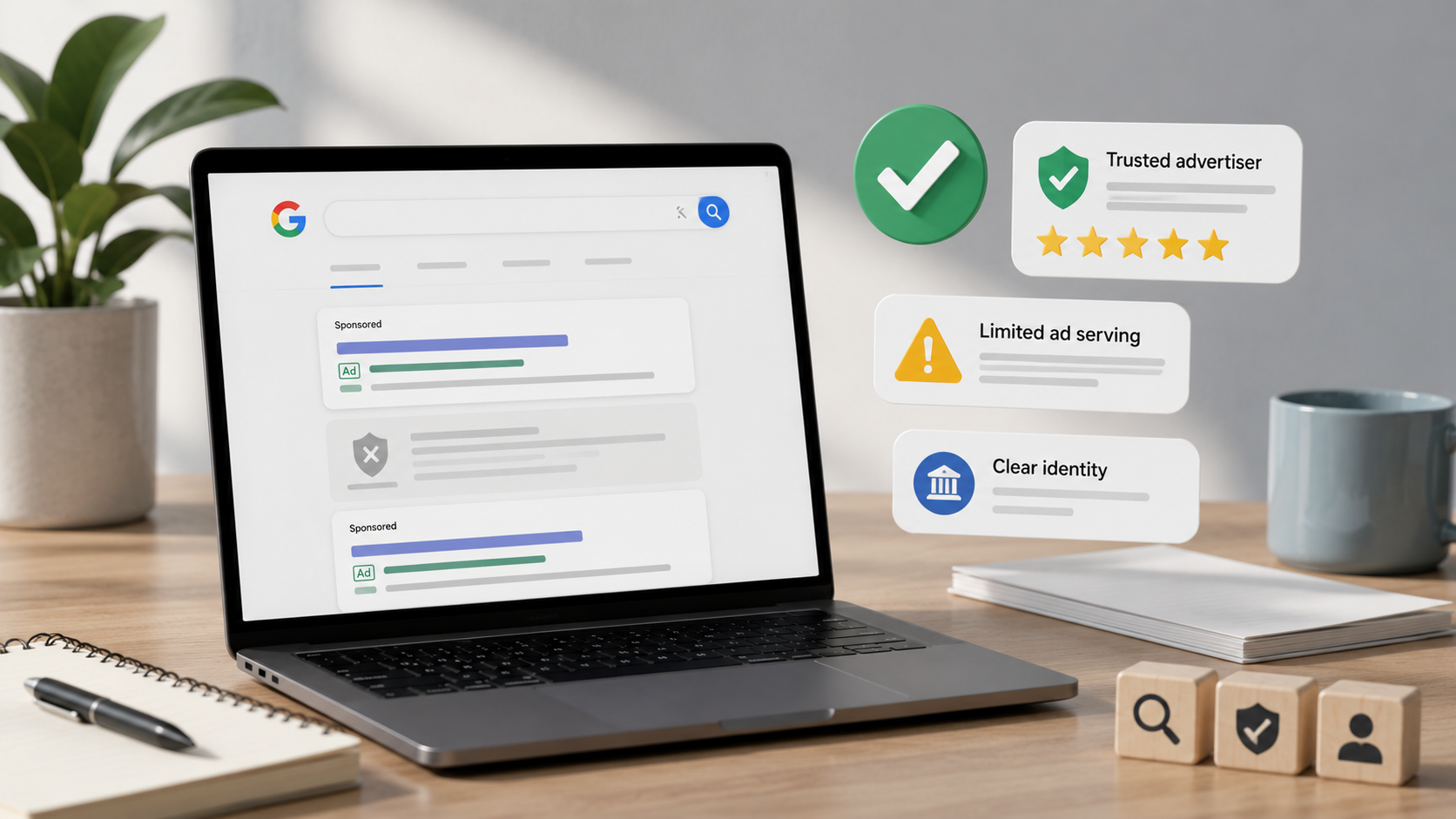
Secondly, Google explicitly states it "may limit ads that make it difficult for users to identify who the advertiser actually is." This emphasizes brand transparency and clear advertiser identity. In an era rife with online impersonation and opaque business practices, Google is prioritizing clarity. This could impact:
- Generic Ad Copy: Ads that lack specific brand identifiers or unique selling propositions.
- Unbranded Landing Pages: Pages that don’t clearly display the company logo, name, or contact information, or that appear to be quickly constructed affiliate sites without a clear business entity behind them.
- Affiliate Marketers: Especially those who do not clearly disclose their affiliation or present themselves as the primary vendor.
- Dropshippers: If their brand identity is inconsistent or hard to trace back to a verifiable business entity.
- Advertisers with Multiple, Disconnected Brands: If their advertising efforts appear fragmented or if different ad creatives lead to sites with varying brand identities, causing user confusion.
The policy’s reliance on user feedback introduces a dynamic element, making ad visibility less about a static compliance checklist and more about an ongoing performance and reputation management challenge. This shift aligns with Google’s broader philosophy of prioritizing user experience across all its products.
A Gradual Rollout: The Timeline and its Implications
The implementation of this expanded policy began in the current month, but crucially, it will roll out "gradually through 2028." This extended timeline offers both opportunities and challenges.
Opportunities:
- Advertiser Adaptation: The multi-year window provides advertisers ample time to audit their current ad strategies, refine their branding, improve landing page experiences, and address any potential areas of user confusion or dissatisfaction.
- Google’s Refinement: A phased rollout allows Google to collect data, identify edge cases, and refine its detection algorithms and enforcement mechanisms, ensuring the policy is applied fairly and effectively.
- Industry Education: The gradual nature facilitates industry education and the development of best practices by agencies and consultants.
Challenges:
- Uncertainty: The lack of immediate, universal application might create initial uncertainty for some advertisers, as they won’t know precisely when and how the policy’s full weight will impact them.
- Disparate Impact: During the rollout phase, some advertisers might experience limited serving before others, potentially creating an uneven playing field.
- Continuous Monitoring: Advertisers will need to continuously monitor their ad performance and user feedback signals over an extended period, as the criteria and enforcement might subtly evolve.
This phased approach underscores the complexity of implementing such a broad policy across a global advertising ecosystem. Google is likely starting with specific categories or advertiser types where the risk of negative user experience is highest, gradually expanding its net as its systems become more robust.
Broader Impact and Implications for the Advertising Ecosystem
The expanded Limited Ad Serving policy is set to ripple across the digital advertising landscape, influencing strategies from individual campaign managers to multinational agencies.
For Advertisers:
- Elevated Importance of Brand Building: Beyond just driving clicks, advertisers must now actively cultivate a strong, transparent brand identity that instills trust. This means consistent messaging, clear value propositions, and a verifiable online presence.
- Holistic User Experience Optimization: The focus shifts from merely optimizing for conversions to optimizing the entire user journey, from the initial ad impression to the post-conversion experience. Landing page design, customer service, and product quality all indirectly influence ad visibility.
- Reputation Management Becomes Paramount: Proactive management of online reviews and customer feedback will be critical. Advertisers will need robust systems to solicit positive feedback and swiftly address negative comments.
- Increased Scrutiny on Affiliate and Dropshipping Models: Businesses relying on these models, particularly those with opaque structures, may face significant challenges. They will need to ensure extreme clarity regarding their identity and relationship with the products/services advertised.
- Potential for Increased CPCs (Cost Per Click): As Google limits impressions for some advertisers, the overall supply of ad inventory might tighten for certain keywords, potentially driving up competition and CPCs for those who remain compliant and highly visible.
- Investment in Transparency Tools: Advertisers may need to invest in clearer "About Us" pages, stronger privacy policies, and enhanced contact information to demonstrate legitimacy.
For the Advertising Industry:
- Shift in Agency Focus: Agencies will need to expand their services beyond traditional campaign management to include more strategic brand consulting, reputation management, and user experience auditing.
- Demand for New Tools: There may be a rise in demand for tools that help advertisers monitor user sentiment, track brand perception, and ensure compliance with Google’s evolving transparency requirements.
- Potential for Cleaner Ad Environment: In the long run, if successfully implemented, the policy could lead to a higher quality ad experience for users, potentially increasing trust in online advertising as a whole.
- Competitive Dynamics: Other ad platforms (e.g., Meta, Microsoft Advertising) may observe Google’s approach closely, potentially adopting similar policies to maintain user trust and compete effectively.
Statements and Reactions from the Industry
The initial reaction to such a significant policy update is often a mix of apprehension and cautious optimism. Anthony Higman, Founder of Adsquire, notably shared his "displeasure" on LinkedIn, signaling concern within the PPC community. This sentiment likely stems from the added complexity and the subjective nature of some of the new criteria. Advertisers and agencies thrive on clear, predictable rules, and policies based on "user perception" can feel less tangible and harder to definitively comply with.
However, many seasoned PPC professionals and consumer advocates may welcome the change. For years, the digital advertising space has grappled with issues of ad fraud, misleading promotions, and a general decline in trust. A cleaner, more transparent ad environment benefits reputable businesses by helping them stand out and by fostering greater consumer confidence, potentially leading to higher engagement and conversion rates in the long run.

Larger, established brands with robust marketing departments and strong brand identities might find it easier to adapt, potentially gaining a competitive edge as less transparent advertisers face restrictions. Conversely, smaller businesses or startups with limited resources for brand building and reputation management might find the new requirements more challenging to meet, potentially raising barriers to entry in competitive ad spaces. This could lead to calls for more detailed guidance from Google on how to practically demonstrate "brand clarity" and manage "user feedback" effectively.
Recommendations for Advertisers: Navigating the New Landscape
To thrive under Google’s expanded Limited Ad Serving policy, advertisers must adopt a proactive and comprehensive strategy focused on transparency and user experience.
-
Strengthen Brand Visibility Across All Touchpoints:
- Ad Copy: Ensure your brand name, unique selling proposition, and core values are clearly articulated in ad headlines and descriptions. Avoid overly generic language that could apply to any business.
- Landing Pages: Your landing page should be a seamless extension of your ad. Prominently display your brand logo, company name, and clear contact information. Ensure consistency in messaging, visuals, and tone.
- Google Business Profile: Maintain an up-to-date and optimized Google Business Profile, as this is a key source of local information and customer reviews that Google likely considers.
-
Prioritize Clear Advertiser Identity:
- Pin Domain Headline: As recommended by Google, pinning your domain URL in the first position of responsive search ads (RSAs) makes your identity immediately obvious.
- "About Us" and Contact Information: Ensure your website has a comprehensive "About Us" page detailing your company’s mission, history, and team. Provide clear and accessible contact information (phone, email, physical address if applicable).
- Affiliation Disclosure: If you are an affiliate marketer, clearly disclose your relationship with the product or service provider on both your ads (where space permits) and, crucially, on your landing pages.
-
Proactive Reputation Management:
- Solicit and Respond to Reviews: Actively encourage satisfied customers to leave positive reviews on platforms like Google, Trustpilot, and Yelp. More importantly, respond promptly and professionally to all reviews, both positive and negative, demonstrating your commitment to customer satisfaction.
- Monitor Feedback Channels: Regularly monitor social media, online forums, and direct customer feedback channels for mentions of your brand. Address any issues swiftly and transparently.
- Address Misleading Content Claims: If your business receives reports about misleading content or practices, investigate thoroughly and take corrective action. Communicate these actions clearly to your customers and, if necessary, to Google.
-
Enhance User Experience on Landing Pages:
- Relevance: Ensure your landing page content is highly relevant to the ad copy and the user’s search query.
- Clarity and Simplicity: Design landing pages that are easy to navigate, with clear calls to action and minimal distractions.
- Speed and Mobile-Friendliness: Fast-loading, mobile-responsive pages are crucial for a positive user experience and are strong ranking factors for Google.
- Security: Ensure your website uses HTTPS and has a clear privacy policy.
-
Audit Your Ad Practices Regularly:
- Conduct periodic audits of your ad creatives, landing pages, and overall campaign setup to ensure ongoing compliance with Google’s evolving policies and best practices.
- Stay informed about Google Ads policy updates through official channels and industry publications.
The Bottom Line: A Future of Greater Accountability
Google’s expanded Limited Ad Serving policy marks a significant inflection point for the digital advertising industry. It signals a future where advertiser trustworthiness and transparency are not merely desirable attributes but fundamental prerequisites for visibility and success on the world’s largest search engine. By giving greater weight to subjective signals like user feedback and brand clarity, Google is pushing advertisers to adopt a more holistic, user-centric approach to their online presence.
While the multi-year rollout through 2028 provides a grace period, the underlying message is clear: the era of opaque, generic, or user-unfriendly advertising is drawing to a close on Google Search. Advertisers who embrace these new standards, prioritizing clear communication, genuine value, and robust reputation management, will be best positioned to thrive in an increasingly accountable and user-focused digital advertising landscape. The policy ultimately aims to cultivate a search experience where users can interact with ads confidently, knowing that the businesses behind them are transparent, trustworthy, and committed to their satisfaction.