Navigating the Evolving Landscape of Email Marketing: The Strategic Shift from Feature-Rich Platforms to Streamlined, Cost-Effective Solutions.

The digital marketing ecosystem is witnessing a significant trend among businesses, particularly small enterprises and independent creators, to re-evaluate their email marketing strategies, often leading to a migration from established, feature-heavy platforms like Mailchimp to more specialized, cost-effective alternatives such as Flodesk. This strategic pivot is primarily driven by escalating operational costs associated with comprehensive platforms and a desire for simplified interfaces that align more closely with specific business needs, rather than encompassing a plethora of unused functionalities. The recent decision by many users to lock in favorable pricing with platforms like Flodesk before impending plan revisions underscores a broader industry movement towards value optimization and efficiency in digital outreach.
The Evolution and Current State of Email Marketing Platforms
Email marketing has long been a cornerstone of digital engagement, consistently delivering one of the highest returns on investment (ROI) in marketing. Platforms facilitating this engagement have evolved significantly over the past two decades. Early solutions offered basic list management and broadcast capabilities, gradually expanding to sophisticated automation, segmentation, analytics, and e-commerce integrations. Mailchimp, founded in 2001, emerged as a pioneer and dominant player, especially appealing to small businesses with its user-friendly interface and freemium model. Its growth trajectory, culminating in its acquisition by Intuit in 2021 for approximately $12 billion, saw it expand into an all-in-one marketing and CRM platform, offering a vast array of tools beyond basic email.

However, this expansion came with a significant shift in its pricing structure. As Mailchimp integrated more features and scaled its offerings, its pricing model became increasingly complex and, for many users, substantially more expensive, particularly as their subscriber lists grew. A 2023 industry analysis indicated that while Mailchimp maintained a substantial market share, particularly among small to medium-sized businesses, a growing segment of its user base expressed concerns over the cost-to-feature utility ratio. This sentiment paved the way for newer entrants like Flodesk, which launched in 2019 with a distinct value proposition: beautifully designed templates, a simplified user experience, and a flat-rate pricing model, often appealing directly to creatives, bloggers, and boutique businesses seeking aesthetic appeal without the complexity and cost overhead of larger platforms.
The Catalyst for Migration: Cost, Complexity, and Feature Bloat
The decision to migrate an email list, a critical asset for any business, is rarely taken lightly. For many, the primary driver is financial. Mailchimp’s tiered pricing, based on subscriber count and feature access, can become prohibitive for businesses with growing audiences but limited budgets or those who primarily utilize only core email functionalities. For instance, a business with 50,000 subscribers might find its monthly Mailchimp bill significantly higher than a flat-rate alternative, even if it only sends a handful of newsletters a month and doesn’t leverage advanced automation or CRM tools.
A survey of marketing professionals in late 2024 revealed that "cost-effectiveness" was cited by 68% as a major factor in considering a platform switch, followed by "ease of use" (55%) and "unnecessary features" (42%). This highlights a growing disconnect between the comprehensive, all-encompassing strategy of platforms like Mailchimp and the streamlined needs of a segment of the market. Flodesk, with its promise of unlimited subscribers and emails at a flat rate, directly addressed this gap, offering a compelling alternative for those seeking simplicity and predictable expenses. The urgency to migrate for some users was further amplified by Flodesk’s announced intention to transition away from its unlimited plan, prompting a rush to secure existing favorable rates, effectively creating a critical window for decision-making.

A Structured Approach to Email List Migration
Migrating an email subscriber list, while seemingly straightforward, requires meticulous planning and execution to ensure data integrity and minimize disruption. The process, typically spanning several steps, is crucial for maintaining communication channels and preserving the value of an accumulated audience.
Step 1: Exporting Subscriber Data from the Source Platform
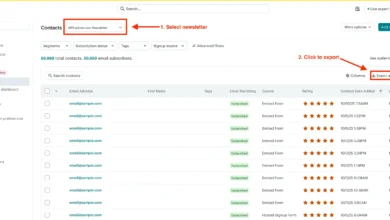
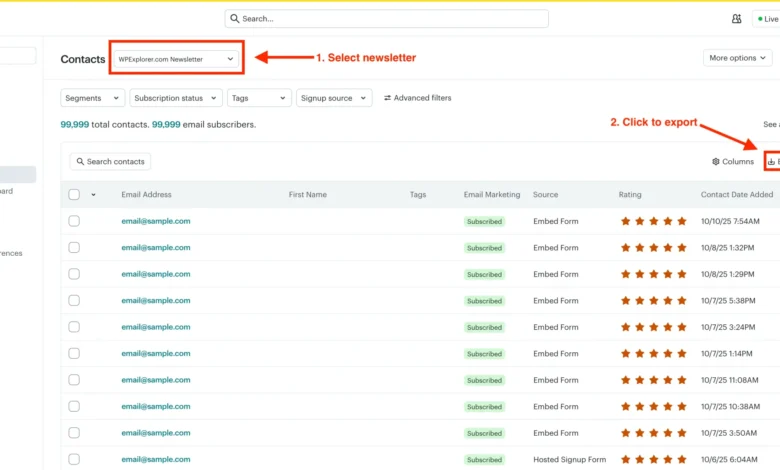
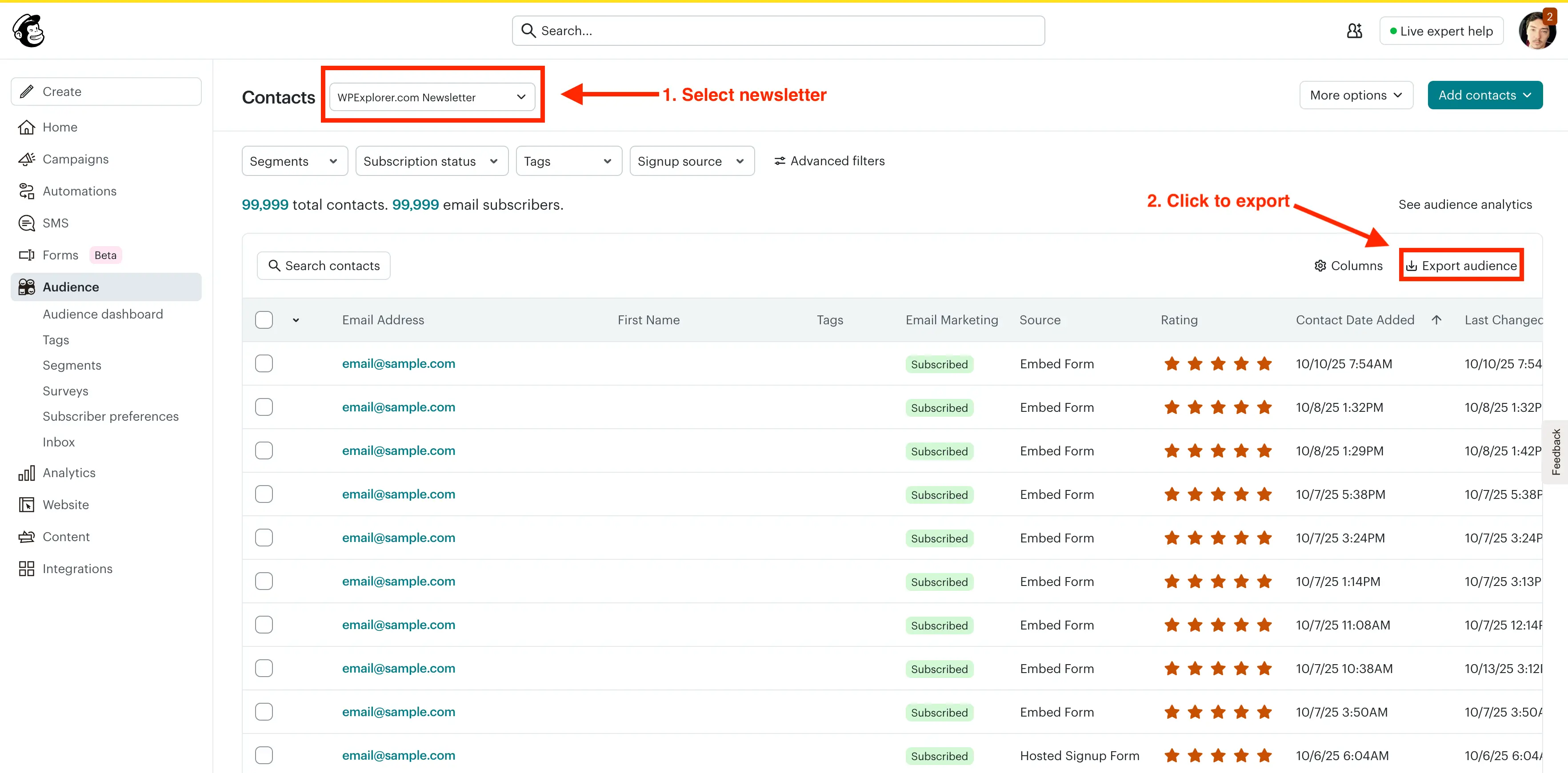
The initial and foundational step involves securely extracting the complete subscriber list from the current email marketing platform, such as Mailchimp. This process typically yields a ZIP file containing a Comma Separated Values (CSV) file, which serves as the portable data format for subscribers. In Mailchimp, users navigate to the "Audience" section, select the desired audience, and initiate an export. The system then processes the request, generating a downloadable archive. This archive contains essential subscriber information, including email addresses, first names, last names, subscription dates, and potentially engagement metrics or custom fields.
Step 2: Preparing the CSV File for Import into the New Platform
Upon downloading the export file, the next critical phase involves preparing the CSV data to align with the import requirements of the target platform, in this case, Flodesk. This often necessitates a review and optional modification of the CSV file. While many modern email marketing platforms are robust enough to intelligently map common fields, optimizing the CSV can prevent potential errors and streamline the import process.
- Extraction: Unzip the downloaded archive to access the raw CSV file.
- Review and Standardization: Open the CSV file in a spreadsheet editor (e.g., Microsoft Excel, Google Sheets, LibreOffice Calc). Examine the column headers. Mailchimp exports can include numerous fields that Flodesk might not use by default, such as ‘Member Rating,’ ‘Last Changed,’ ‘OPTIN_TIME,’ and various e-commerce data points.
- Column Renaming (Optional but Recommended): To ensure a smooth mapping process, consider renaming key columns to match Flodesk’s expected fields, such as "Email Address" to "Email," "First Name" to "First_Name," and "Last Name" to "Last_Name." While Flodesk typically offers a manual mapping interface during import, pre-emptive renaming can simplify the procedure.
- Data Cleaning: This is an opportune moment to perform light data cleaning. Remove any extraneous columns that are not required in Flodesk and consolidate or standardize data where necessary. For example, if ‘Member Rating’ (a Mailchimp-specific engagement score) is to be preserved, it should be mapped to a custom field in Flodesk.
- Format Verification: Ensure the file is saved in a standard UTF-8 encoded CSV format to prevent character encoding issues during import.
Step 3: Establishing Segments in the New Platform
Before initiating the actual import of subscribers, it is highly recommended to pre-create relevant segments within the new platform. Segments are crucial for organizing audiences, facilitating targeted communication, and enhancing future marketing efforts. If a business manages multiple distinct lists in Mailchimp, each should correspond to a unique segment in Flodesk.
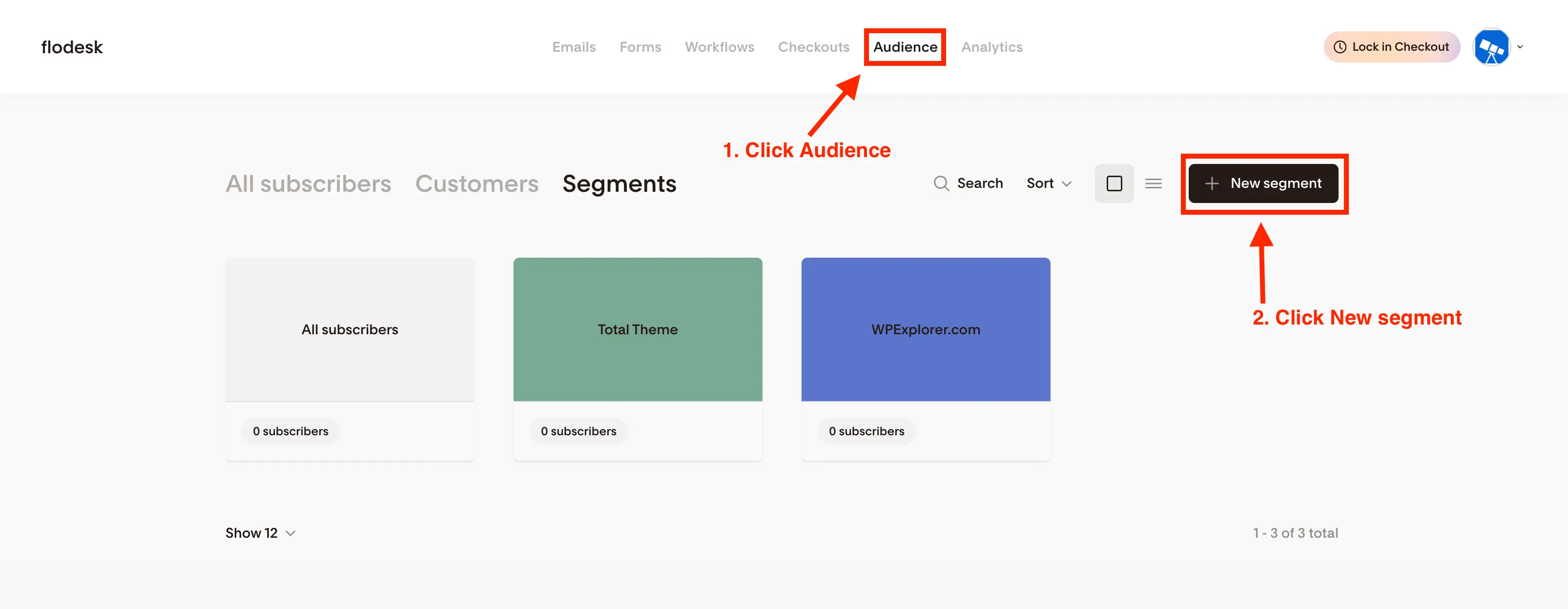
- Access Audience Management: Navigate to the "Audience" or "Subscribers" section in Flodesk.
- Create New Segment: Locate the option to create a new segment.
- Name Segments Descriptively: Assign clear, intuitive names to each segment, such as "WPExplorer Newsletter Subscribers," "Customers (2024)," or "Imported from Mailchimp – Original List." This nomenclature aids in future identification and management.
- Purpose of Segmentation: This proactive segmentation strategy is vital. It allows for precise targeting, personalization of content, and avoids the complexities of managing a single, undifferentiated master list, which can hinder campaign effectiveness and analysis.
Step 4: Importing the Prepared Subscriber List into the New Platform
With the CSV file prepared and segments established, the final step involves uploading the subscriber data into Flodesk.
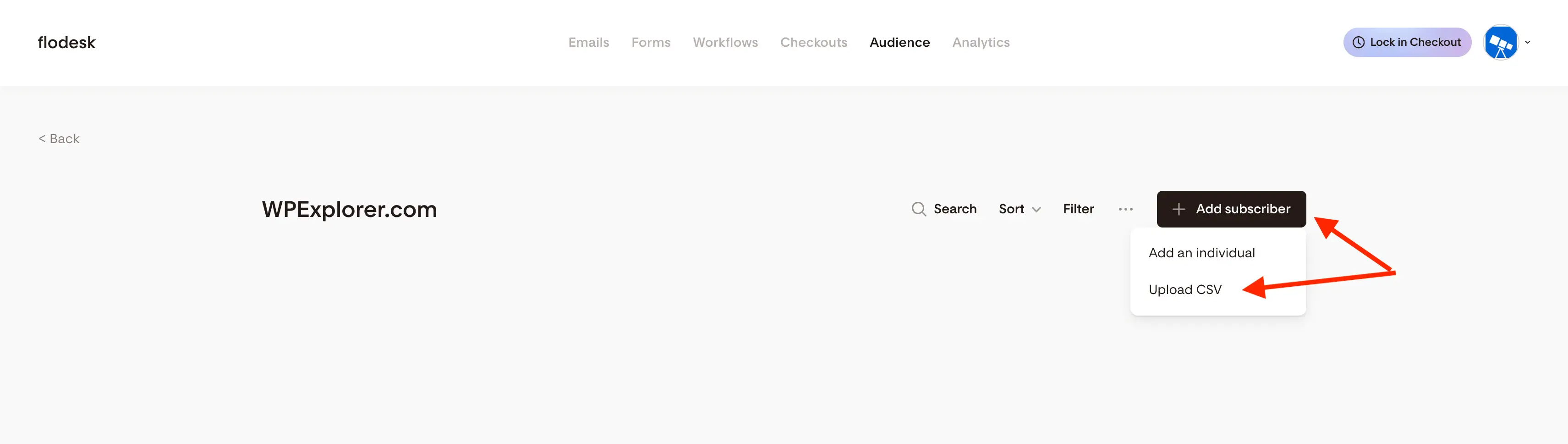
- Initiate Import: From the Flodesk dashboard, typically within the "Audience" or "Subscribers" section, select the option to "Add Subscribers" or "Import Subscribers."
- File Upload: Upload the prepared CSV file.
- Segment Assignment: Crucially, during the import wizard, assign the incoming subscribers to the previously created segment (e.g., "Imported from Mailchimp"). This ensures proper categorization from the outset.
- Field Mapping: The platform will then present an interface to map the columns from the uploaded CSV file to the corresponding fields in Flodesk (e.g., "Email" from CSV to "Email Address" in Flodesk, "First_Name" to "First Name"). This is where the optional CSV preparation in Step 2 proves beneficial. Custom fields can be created on the fly if there are unique data points from Mailchimp that need to be retained.
- Review and Confirm: Review the mapping and import settings carefully before confirming the import. Flodesk will then process the list. Depending on the size of the subscriber list, this process can take some time. An email notification is typically sent upon completion.
Critical Post-Migration Considerations: Domain Warming and Sender Reputation
Beyond the technical steps of migration, a crucial, often overlooked aspect of switching email service providers (ESPs) is the process of "domain warming." This is particularly vital for maintaining high deliverability rates and avoiding emails being flagged as spam by internet service providers (ISPs). When a domain starts sending emails from a new IP address or through a new ESP, ISPs are cautious. A sudden influx of emails from a previously unknown sender can trigger spam filters.
Understanding Domain Warming:
Domain warming is the gradual process of building a positive sender reputation with ISPs by slowly increasing email volume from a new sending domain or IP address. This reassures ISPs that the sender is legitimate and not a spambot.
Strategies for Effective Domain Warming:
- Phased Rollout: Instead of sending the first campaign to the entire migrated list, segment the audience based on engagement levels. Start by sending emails to the most active and engaged subscribers first (e.g., those with a high ‘Member Rating’ from Mailchimp, if that data was imported). These subscribers are most likely to open, click, and reply, sending positive signals to ISPs.
- Gradual Volume Increase: Over several days or weeks, progressively increase the volume of emails sent. For example, send to 10% of the list on day one, 20% on day two, and so on, until the full list is reached.
- Monitor Deliverability: Closely monitor open rates, click-through rates, bounce rates, and spam complaint rates. Any significant deviations could indicate a problem that needs immediate attention. Tools provided by ESPs or third-party deliverability services can assist in this monitoring.
- Authenticity and Content Quality: Ensure the content of initial emails is highly relevant and valuable to the audience. This encourages engagement and reduces the likelihood of spam complaints.
- Authentication Protocols: Verify that all domain authentication protocols (SPF, DKIM, DMARC) are correctly configured for the new ESP. These technical safeguards are fundamental to establishing sender legitimacy.
According to a 2024 report by Return Path (now Validity), domains that undergo proper warming procedures experience an average of 15-20% higher inbox placement rates in the first month post-migration compared to those that do not. Neglecting this step can severely impair campaign performance and damage long-term sender reputation, making it exponentially harder to reach the intended audience.
Broader Industry Implications and Future Outlook
The trend of businesses migrating from comprehensive, high-cost platforms to more niche, cost-effective solutions like Flodesk carries significant implications for the email marketing industry. It signals a maturation of the market where users are becoming more discerning about the value they receive for their investment.
- Market Segmentation: It reinforces the segmentation of the email marketing platform market. While enterprise-level businesses may continue to benefit from and justify the cost of all-in-one solutions, small businesses and creatives are increasingly gravitating towards specialized tools that excel in specific areas (e.g., design, simplicity, flat-rate pricing).
- Competitive Pressure: This shift puts competitive pressure on established players to justify their pricing models and feature sets, potentially leading to more flexible plans or a renewed focus on core offerings for different user segments.
- Focus on Core Value: For platforms like Flodesk, the challenge will be to balance their promise of simplicity and affordability with the inevitable demands for feature expansion as their user base grows. Their move away from an unlimited plan suggests an adaptation to sustainable growth, aligning with industry norms while still aiming to retain their core value proposition.
- Deliverability as a Differentiator: With increased scrutiny on email deliverability, ESPs that can consistently ensure high inbox placement through robust infrastructure and user education (like emphasizing domain warming) will gain a significant competitive advantage.
- The Rise of Niche Solutions: This migration trend validates the business model of niche email marketing solutions that cater to specific user needs, rather than attempting to be everything to everyone.
The strategic migration of email lists from Mailchimp to Flodesk exemplifies a broader re-evaluation within the digital marketing sphere. Businesses are increasingly prioritizing cost-efficiency, ease of use, and targeted functionality over feature-rich but expensive platforms. The meticulous execution of the migration process, coupled with crucial post-migration steps like domain warming, ensures that this strategic shift translates into sustained and effective audience engagement. As the email marketing landscape continues to evolve, platforms that can offer clear value, predictable costs, and intuitive experiences are poised to attract a growing segment of the market seeking optimized digital outreach solutions.