Google Ads Launches Ads Decoded Podcast Series to Address AI Integration and Data Strategy in Modern Marketing

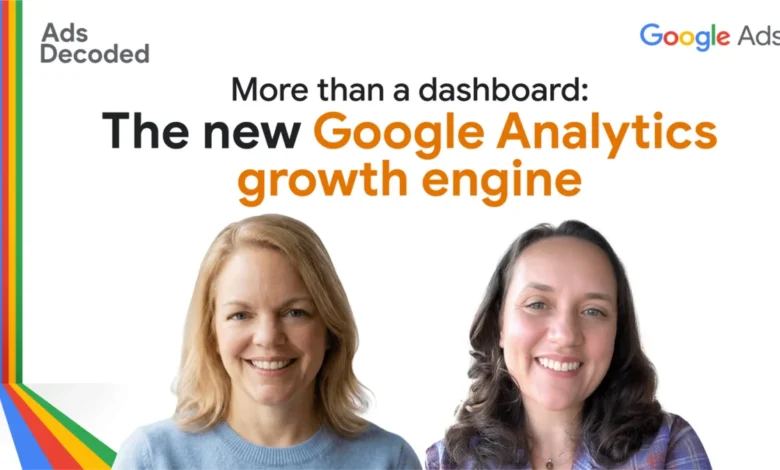
Google has officially launched the first full season of Ads Decoded, a strategic podcast initiative designed to bridge the communication gap between the company’s product developers and the global advertising community. Hosted by Ginny Marvin, the Google Ads Product Liaison, the series serves as a direct pipeline for marketers to gain insights into the technical and strategic shifts occurring within the Google Ads ecosystem. The debut episode features Eleanor Stribling, Group Product Manager at Google Analytics, focusing on the critical intersection of Google Analytics 4 (GA4), artificial intelligence, and business growth. This initiative comes at a pivotal moment for the digital advertising industry, which is currently grappling with the deprecation of third-party cookies, increased privacy regulations, and the rapid integration of generative AI into creative and bidding processes.
The Strategic Pivot: From Passive Reporting to Active Activation
The central theme of the inaugural discussion involves a fundamental shift in how Google Analytics is perceived and utilized by modern enterprises. For over a decade, web analytics was largely viewed as a retrospective tool—a "passive reporting" mechanism used to document what had already occurred on a website. However, Stribling emphasizes that in the AI era, the role of Google Analytics has evolved into an "activation engine." This transition signifies a move toward using real-time data to feed machine learning models that predict user behavior and optimize ad spend instantaneously.
By leveraging GA4’s machine learning capabilities, marketers can now move beyond basic metrics like page views and bounce rates. The platform is designed to identify patterns in user journeys that lead to high-value conversions. When these insights are exported to Google Ads, they allow for more sophisticated bidding strategies. The podcast highlights that the true value of GA4 lies in its ability to serve as the foundation for "Predictive Audiences," which uses AI to identify users likely to purchase or churn within the next seven days. This proactive approach allows brands to allocate budgets toward the most promising leads, effectively transforming data from a static record into a dynamic growth driver.
The Concept of Data Strength and the AI Prerequisite
A significant portion of the dialogue between Marvin and Stribling focuses on "Data Strength," a term that has become a cornerstone of Google’s current marketing philosophy. In the context of AI-driven advertising, the quality of the output is strictly determined by the quality of the input—a principle often referred to in data science as "garbage in, garbage out." Stribling argues that data strength is no longer just a technical requirement but a unique strategic advantage for brands.
Data strength is defined by the accuracy, volume, and relevance of the first-party data a company collects. As privacy landscapes shift and traditional tracking methods become less reliable, brands that possess a robust first-party data strategy gain a competitive edge. AI models, such as those powering Performance Max campaigns, require high-signal data to learn effectively. Without strong data, AI-driven automation may optimize for the wrong goals, leading to inefficient spending. The podcast outlines that establishing this data foundation is a critical prerequisite for any brand looking to capitalize on the efficiencies promised by automated advertising technologies.
Chronology of Google’s Measurement Evolution
To understand the current state of Google’s advertising tools, it is necessary to look at the timeline of the company’s measurement evolution over the last several years. The transition to the current AI-centric model has been a multi-step process:
- October 2020: Google officially introduces Google Analytics 4 (formerly App + Web), signaling a shift away from the session-based tracking of Universal Analytics (UA) toward an event-based model.
- March 2022: Google announces the sunsetting of Universal Analytics, setting a deadline for July 2023 for standard properties. This move forced millions of businesses to migrate to the new, AI-ready infrastructure.
- May 2023: At Google Marketing Live (GML), the company unveils a suite of generative AI tools for Ads, including the conversational experience for campaign construction and enhanced automatically created assets.
- July 2023 – July 2024: The final phase-out of Universal Analytics occurs, with GA4 becoming the sole platform for Google’s analytics services.
- Present Day: The launch of "Ads Decoded" represents the "education and optimization" phase, where Google aims to help users who have migrated to GA4 actually utilize its more complex AI features effectively.
This timeline illustrates a deliberate move toward an ecosystem where privacy-safe measurement and machine learning are inextricably linked.
Supporting Data: The Impact of AI on Modern Marketing
The push for better data integration is backed by significant industry trends and internal Google research. According to a 2023 study by Boston Consulting Group (BCG) in collaboration with Google, companies that use first-party data for their marketing efforts can achieve up to a 2.9x revenue uplift and 1.5x increase in cost savings. Despite this, the study found that only a small fraction of marketers are fully utilizing their data’s potential.
Furthermore, internal data from Google suggests that advertisers who adopt GA4 see a marked improvement in attribution accuracy. By using data-driven attribution (DDA), which is the default in GA4, advertisers can see the fractional contribution of every touchpoint in a consumer’s journey. This contrasts with the older "last-click" models, which often undervalued early-funnel interactions like brand awareness ads or social media referrals. The shift to DDA, powered by AI, allows for a 6% to 10% improvement in conversion volume on average at a similar cost-per-action, according to Google’s internal benchmarks.
Industry Reactions and the Need for Clarity
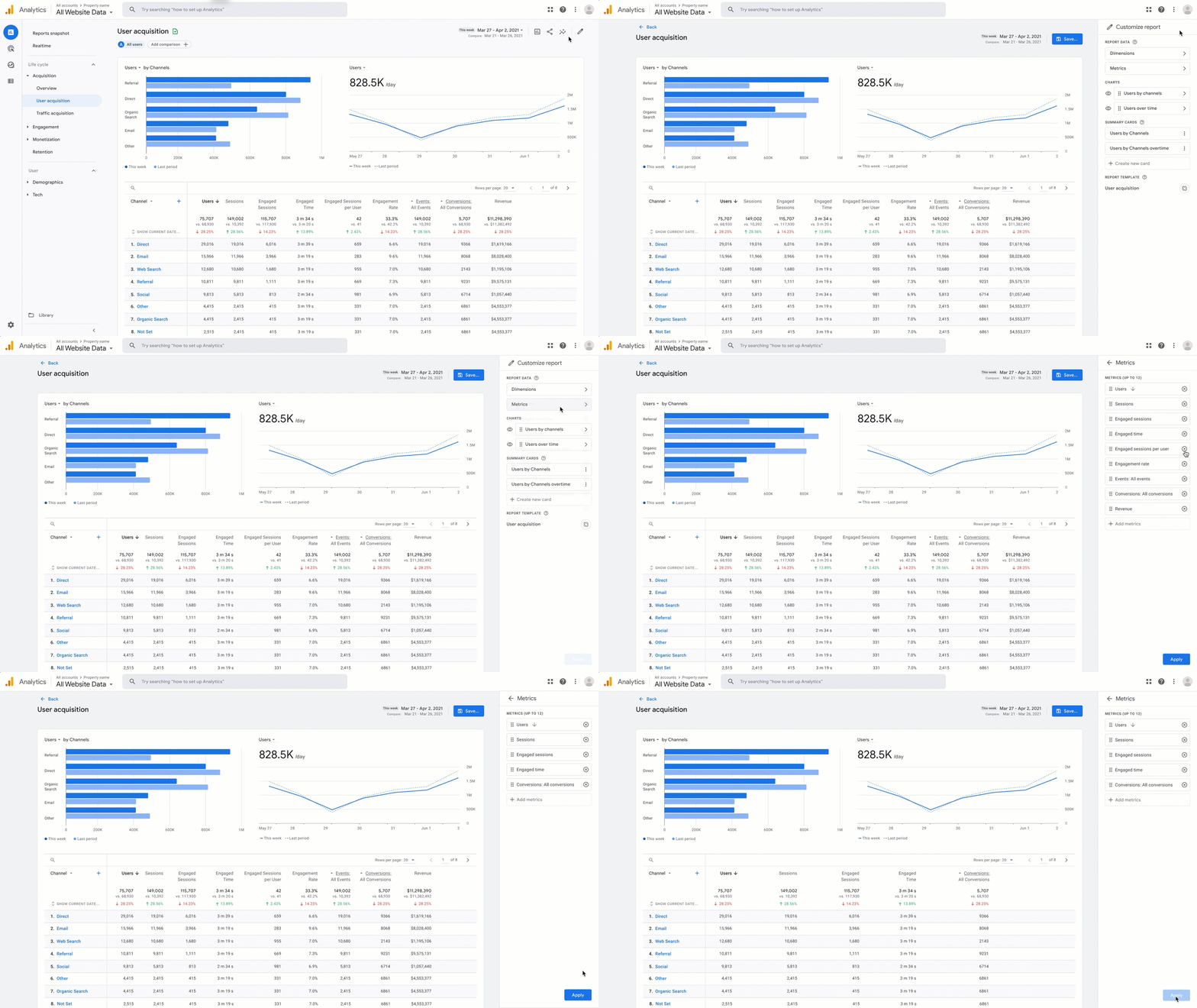
The launch of the podcast and the focus on GA4 activation come at a time when many in the advertising industry have expressed frustration with the complexity of the new platform. Since the forced migration from Universal Analytics, professional forums and industry publications have been filled with critiques regarding the steep learning curve of GA4’s interface and the differences in how data is reported.
By introducing Eleanor Stribling and other product managers directly to the audience, Google is attempting to humanize its technical shifts and provide "practical talk" that addresses these pain points. Industry analysts suggest that this direct-to-advertiser communication strategy is intended to reduce churn and encourage the adoption of more advanced features that require deeper integration, such as Enhanced Conversions and Consent Mode. These tools are vital for Google to maintain its ad revenue in a world where users are increasingly opting out of tracking.
Broader Impact and Future Implications
The implications of the "Ads Decoded" series extend beyond mere product tutorials; they signal a broader shift in the digital economy. As Google emphasizes "Data Strength" as a strategic advantage, the gap between data-mature organizations and those relying on legacy methods is expected to widen. Smaller businesses may find it increasingly difficult to compete if they cannot generate enough first-party data to "train" the AI models they use for advertising.
Moreover, the focus on measurement accuracy highlights the growing importance of technical marketing roles. The "Ads Decoded" series suggests that the modern marketer must be part strategist and part data scientist. To ensure optimization is effective, measurement must be set up with surgical precision. This includes implementing server-side tagging, ensuring correct event naming conventions, and maintaining compliance with regional privacy laws like the GDPR in Europe and the CCPA in California.
In the long term, the success of Google’s AI ambitions depends on the collective "data hygiene" of its advertising base. If the majority of advertisers provide high-quality, privacy-compliant data, Google’s machine learning algorithms will become more accurate across the board, benefiting the entire ecosystem. Conversely, if measurement remains fragmented or inaccurate, the promise of AI-driven ROI may remain unfulfilled for many brands.
As the first season of Ads Decoded progresses, it is expected to cover further topics such as the integration of Large Language Models (LLMs) in ad copy generation, the future of the Privacy Sandbox, and the role of YouTube in a cross-channel attribution world. For now, the focus remains clear: laying the groundwork for a data-driven year where AI is not just a buzzword, but a functional component of business growth. By providing a platform for direct dialogue between product builders and users, Google is attempting to ensure that its massive user base is not just using its tools, but mastering them in an era of unprecedented technological change.