Beyond the Notification Bell: Why Social Listening is the New Standard for Strategic Brand Intelligence

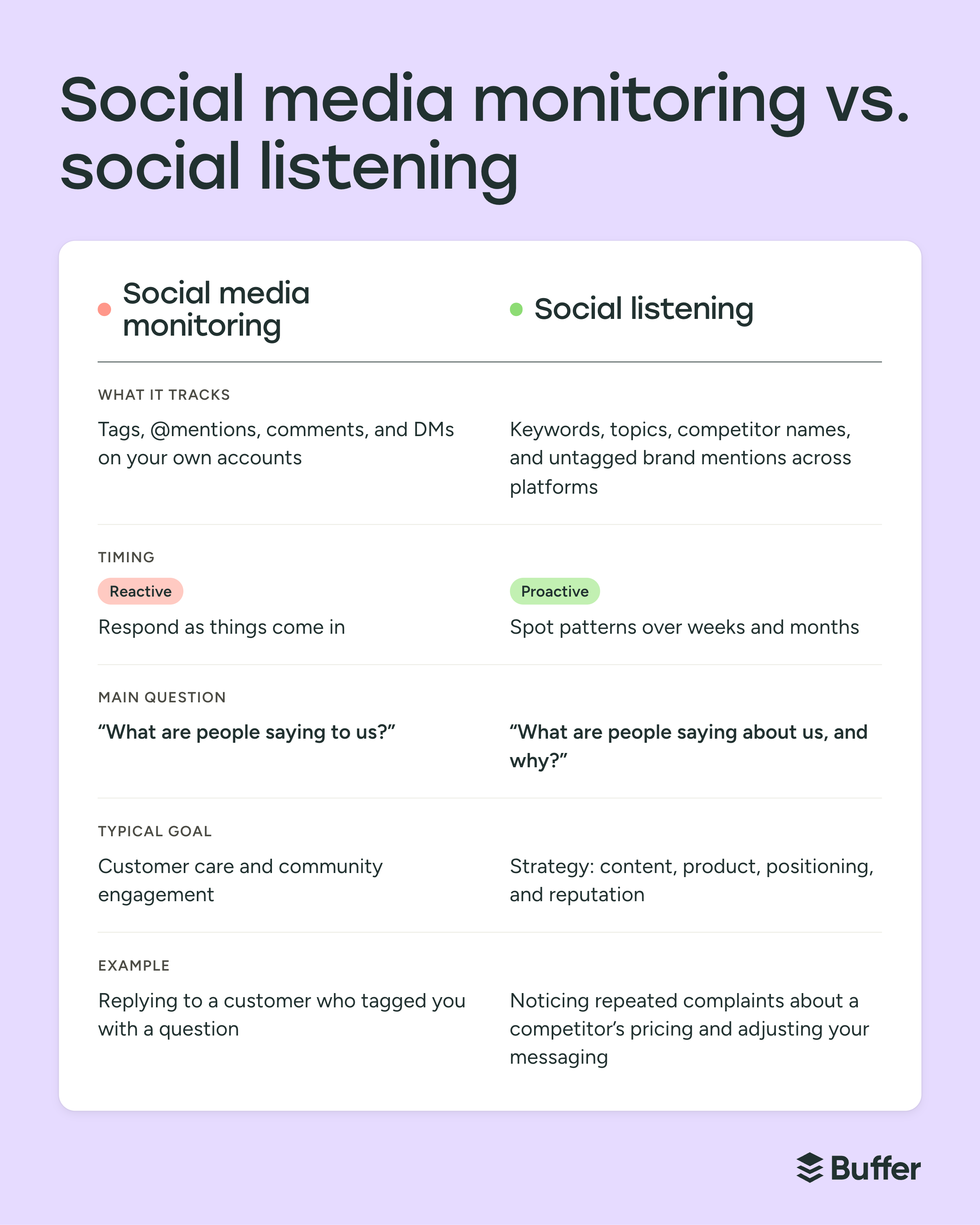
In the digital era, the most valuable business insights are rarely found in a company’s own internal reports or direct feedback channels. They are hidden in the vast, unorganized sprawl of social media commentary—in the Instagram Stories where a product is featured without a tag, the Reddit threads debating the merits of a competitor, and the TikTok comment sections where users vent frustrations or share hacks. While many organizations rely on social media monitoring to manage customer service, industry leaders are increasingly adopting social listening to decode the "why" behind consumer sentiment, shifting from reactive customer care to proactive, data-driven strategy.
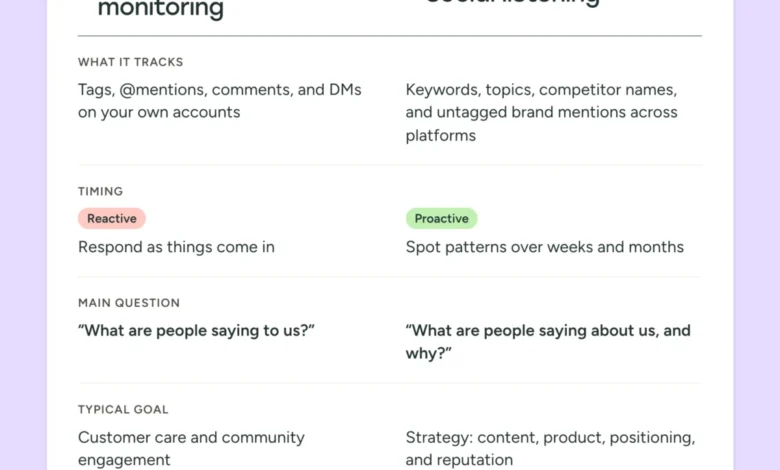
The fundamental distinction between monitoring and listening lies in the scope of analysis. Social media monitoring functions as a reactive customer service tool, primarily focused on tracking direct interactions such as @mentions, tags, and private messages. It is an essential component of brand health, ensuring that no customer query or complaint goes unanswered. Conversely, social listening is a proactive, analytical practice. It involves aggregating large-scale data points across social platforms—including untagged mentions, industry-specific keywords, and competitor activity—to identify recurring patterns. By treating these conversations as a collective data set, companies can extract actionable intelligence that informs product development, marketing positioning, and long-term business strategy.
The Chronology of a Data-Driven Shift

The evolution of social listening can be traced back to the rise of user-generated content (UGC) in the early 2010s. Initially, brands viewed social media as a broadcast channel. However, as consumers began using platforms like Twitter (now X) and Instagram as primary venues for product discovery and critique, the sheer volume of discourse overwhelmed traditional monitoring methods.
By the mid-2010s, the market for enterprise-level social listening software surged. Brands began to realize that an echo chamber—where companies only listen to customers who tag them—was inherently biased. If a brand only engages with direct mentions, it misses the perspective of the majority: the "silent" audience that may be considering a competitor or struggling with a product feature in silence.
The current landscape involves a multi-stage process: data collection, filtering, sentiment analysis, and, finally, strategic integration. Modern tools now utilize natural language processing (NLP) to categorize sentiment, allowing companies to distinguish between genuine praise, sarcastic criticism, and neutral brand discussion.
Case Studies in Market Responsiveness
Several high-profile brands have demonstrated the efficacy of this methodology. For instance, Grillo’s Pickles identified a recurring pain point regarding its packaging—specifically that the proprietary "lift-up" lids were prone to leaking and were difficult for some customers to open. Rather than dismissing these as isolated complaints, the company tracked the volume of these mentions over several months. This data signaled a significant barrier to customer retention, leading the brand to redesign its packaging with a more functional, user-friendly twist-off lid.
Similarly, the confectionery giant Crayola utilized social listening to navigate a nostalgic market demand. For years, social media users had been vocal about their desire for the return of retired crayon colors. By tracking these requests, the company was able to quantify the potential market interest, resulting in a strategic decision to reintroduce eight retired shades in 2025. This move not only satisfied the core fan base but also generated significant earned media coverage, illustrating how listening can drive product roadmaps.
In the beauty and wellness sector, Tree Hut’s experience with its "Cinnamon Dolce" line serves as a masterclass in trend capitalization. After fans consistently requested that the seasonal scent be made available year-round and expanded into different formats, such as body wash and shave oil, the brand moved from seasonal limited releases to a permanent, expanded collection. The inclusion of this product in a 2026 Super Bowl advertisement solidified the transition from a niche community request to a centerpiece of the company’s national marketing strategy.
The Competitive Edge: Strategic Implications
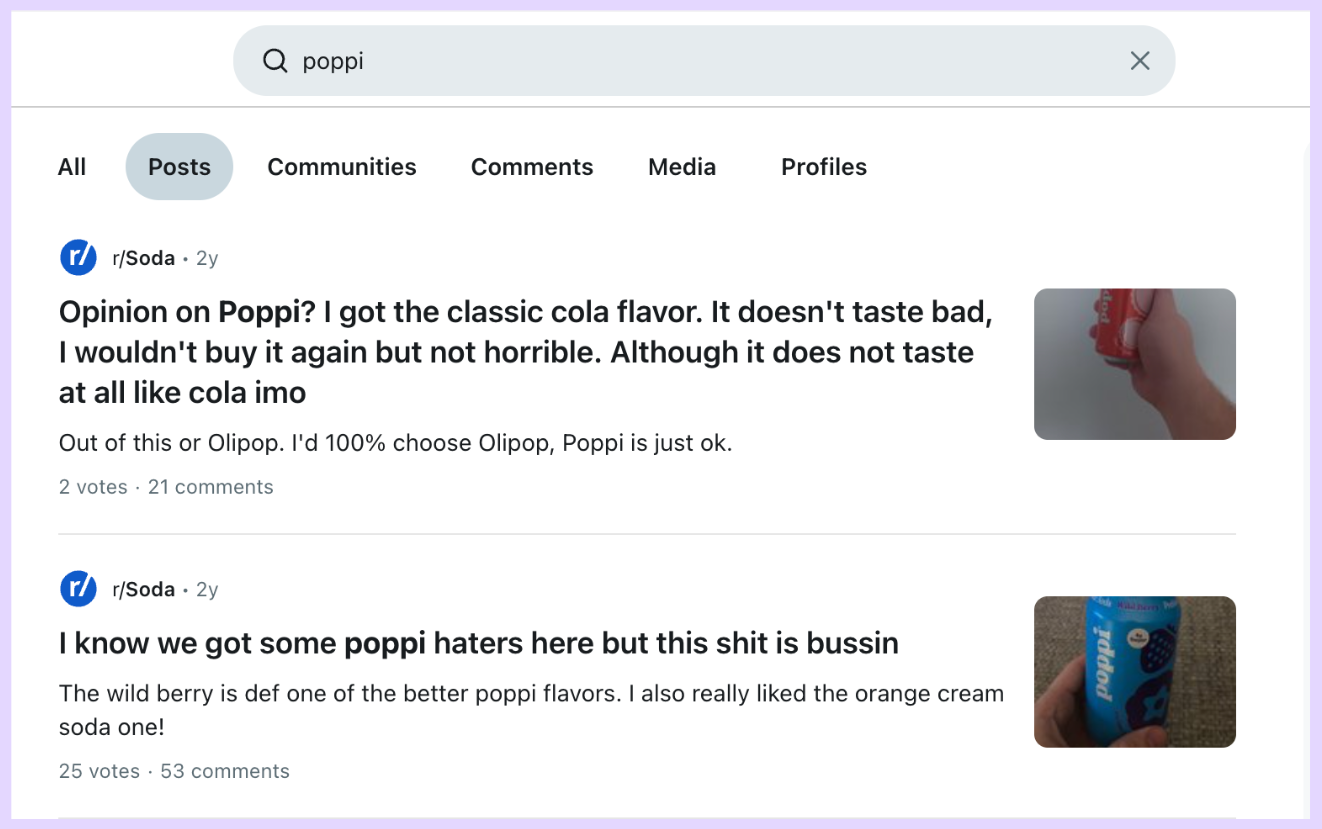
Social listening is no longer just a marketing function; it is a competitive intelligence asset. By monitoring competitor brand names and specific product keywords, companies can identify weaknesses in rival offerings. For instance, if a competitor’s users frequently express frustration with a specific feature or price point on platforms like Reddit, an agile firm can adjust its own messaging or onboarding process to highlight its superiority in those exact areas.
This process provides a "first-mover advantage." When Sprite observed a viral trend on TikTok involving users mixing tea bags into their lemon-lime soda, they did not merely monitor the content; they analyzed the behavior. Recognizing that this was an organic, consumer-led innovation, the company launched "Sprite + Tea" as an official product. This transition from consumer-led behavior to corporate product strategy exemplifies how social listening can shorten the time-to-market for new innovations.
Building a Sustainable Listening Framework
For organizations looking to implement a social listening strategy, the process must be disciplined and goal-oriented. The initial phase involves defining specific objectives: Is the goal to improve product quality, refine brand positioning, or gain competitive intelligence?
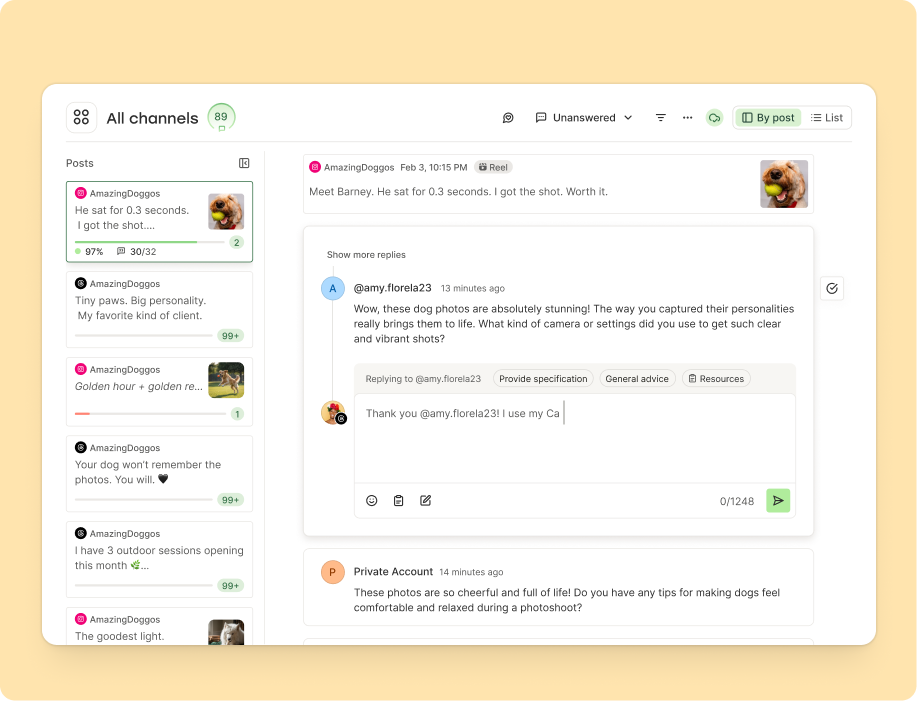
Once goals are set, the second phase involves a "home-base" audit. A company must first ensure it is effectively managing its own comments and direct messages. Tools like Buffer serve as a central hub, allowing teams to consolidate conversations from multiple platforms. This prevents the fragmentation of data and ensures that the baseline of customer service is met before expanding into wider digital eavesdropping.
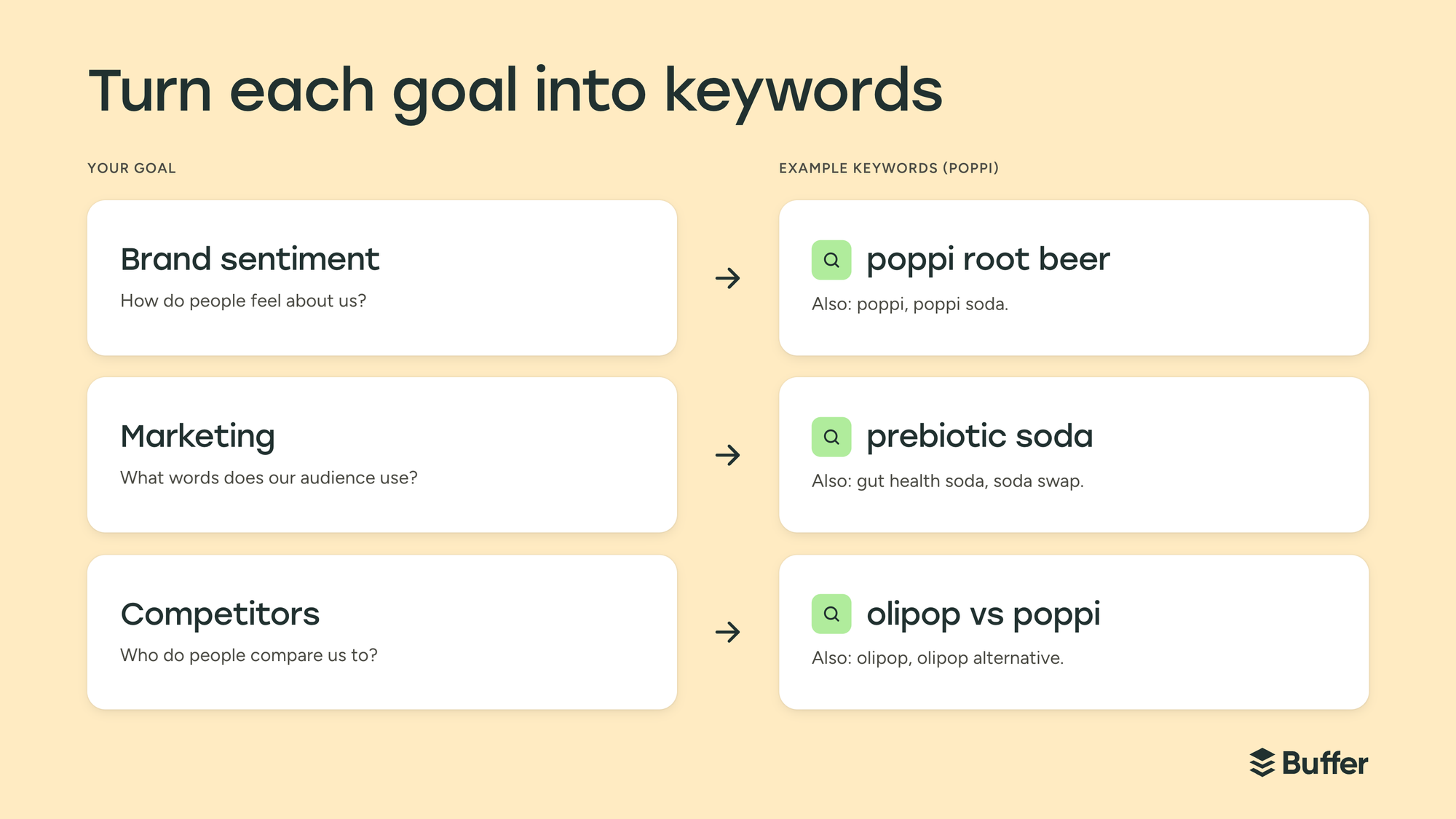
The third phase is keyword selection. This requires careful consideration of the specific language used by the target audience. Brands must look beyond their own names to include:
- Competitor brand names.
- Industry-specific hashtags and jargon.
- Common misspellings of their own brand.
- Product-related pain points (e.g., "how to fix," "why is my [product] leaking").
Finally, the human element remains irreplaceable. While software can flag negative sentiment, algorithms often struggle with the nuances of human communication, such as irony, regional slang, or cultural context. Consequently, human analysis must accompany automated reporting. A team should review the flagged data, look for underlying themes, and cross-reference them with existing sales or customer support data to determine whether the online sentiment is a representative sample of the broader customer base.
Broader Impact on Business Operations
The implications of robust social listening extend to every department within an organization. Product teams receive direct, unfiltered feedback that can influence R&D; marketing teams can tailor their messaging to match the actual language customers use to describe their problems; and executive leadership can use sentiment trends to forecast potential reputational crises.
In an age where public opinion can shift in an instant, social listening serves as an early-warning system. By monitoring the pulse of the digital conversation, brands can identify, address, and often resolve issues before they escalate into full-blown public relations crises. This proactive stance is the hallmark of a resilient modern organization.
Ultimately, social listening is about empathy at scale. It acknowledges that the customer’s experience does not stop at the brand’s own digital property. By choosing to listen to the unfiltered, un-tagged, and sometimes brutal honesty of the internet, businesses can transform passive online chatter into a rigorous framework for growth and innovation. The brands that win in the coming decade will be those that realize the most important conversation about their business is the one happening when they aren’t in the room—and that by listening, they can become a part of it.
Related posts: