The Best Times to Post on LinkedIn in 2026: A Data-Driven Shift in Professional Engagement

Buffer, a leading social media management platform, has released comprehensive findings on the optimal times to post on LinkedIn in 2026, revealing a significant shift in professional user behavior. Analyzing over 4.8 million posts, the research, spearheaded by Buffer’s data scientist Julian Winternheimer, indicates a strong trend towards increased engagement during late afternoon and evening hours, a departure from the traditional workday-centric patterns observed in previous years. This evolution mirrors similar shifts seen on platforms like Instagram and TikTok, suggesting a broader redefinition of online professional engagement.
For years, the prevailing wisdom for LinkedIn engagement centered on the typical 9-to-5 workday. However, the 2026 data paints a different picture. While midday hours, including lunch breaks and mid-afternoon, still show decent engagement, the peak performance windows have migrated to the later part of the day, extending into the early evening. This suggests that professionals are increasingly consuming and interacting with LinkedIn content after they have officially logged off from their work responsibilities, whether during their commute, while unwinding at home, or even during late-night browsing.
"By ‘we,’ I mean Julian Winternheimer, our resident data scientist," the article states, highlighting the meticulous data analysis underpinning these conclusions. "We’ve (OK, Julian has) been running these numbers for around two years now, and the 2026 LinkedIn findings surprised me a little. In 2025, peak engagement was almost entirely confined to working hours – things fell off pretty sharply once 5 p.m. hit. This year, we’re seeing those peak windows shift later into the day, which mirrors what’s been happening on Instagram and TikTok for a while now."
The implications of this behavioral shift are substantial for marketers, content creators, and businesses aiming to maximize their reach and impact on LinkedIn. Understanding these evolving engagement patterns is crucial for optimizing posting schedules and ensuring that professional content resonates with its intended audience.
Key Takeaways from the 2026 LinkedIn Engagement Study
The core finding of Buffer’s extensive analysis is the clear migration of peak LinkedIn engagement from traditional working hours to the late afternoon and evening. This shift is not a minor fluctuation but a notable trend that impacts the entire weekly posting calendar.
- Late Afternoon and Evening Dominance: The period between 3 p.m. and 8 p.m. on weekdays now consistently yields the highest engagement rates.
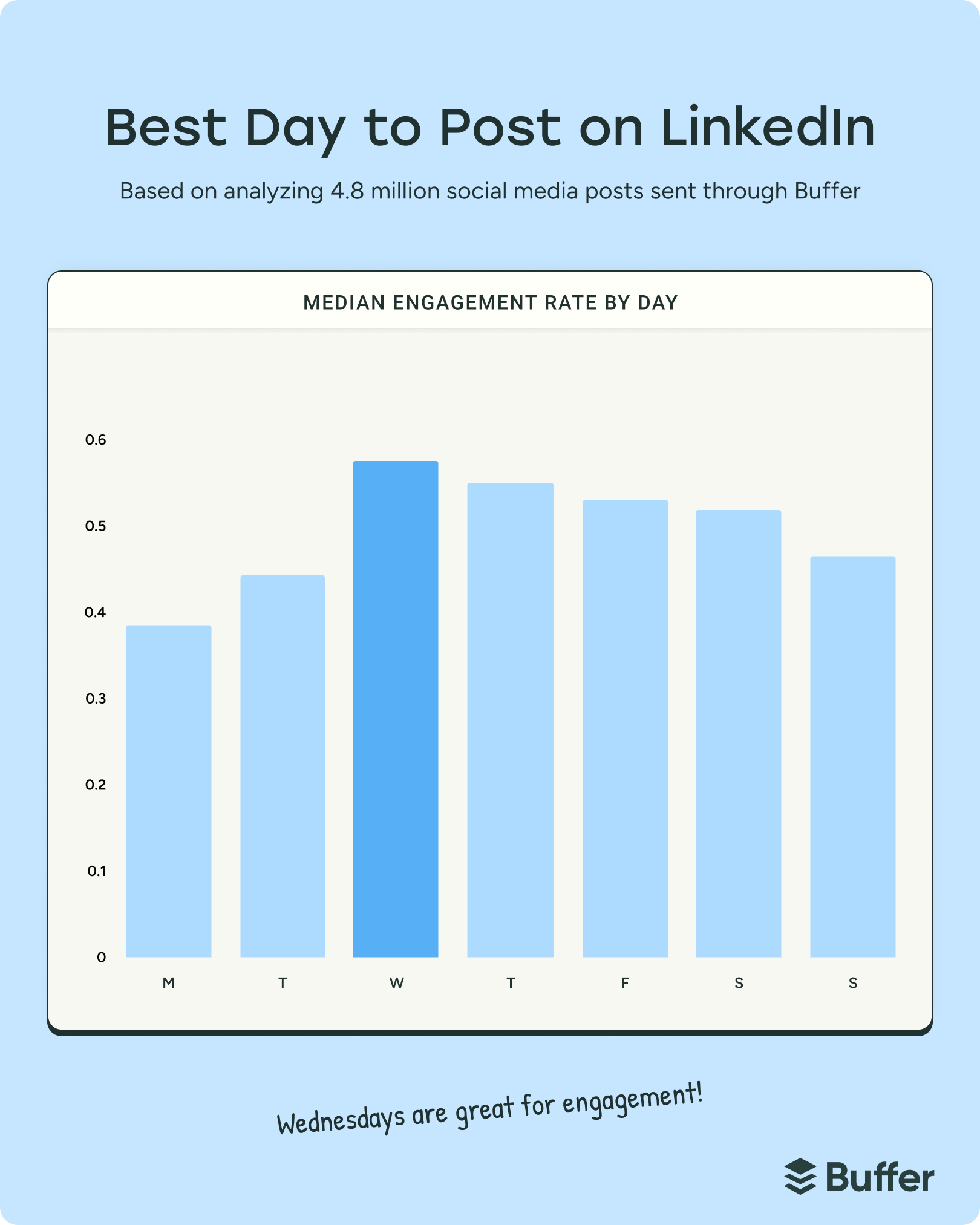
- Midweek Strength: Wednesday and Thursday emerge as the strongest days for overall engagement, with Friday also showing significant activity.
- Weekend Lull: While pockets of activity exist on weekends, engagement levels generally remain lower compared to weekdays.
- Morning Decline: Morning posts (6 a.m. to 11 a.m.) are now seeing comparatively lower engagement, a stark contrast to previous years.
These findings are particularly relevant given LinkedIn’s algorithm, which prioritizes content that garners significant interaction. Reactions, comments, and reposts serve as vital signals to the algorithm, influencing how widely a post is distributed. Therefore, timing content for peak engagement is not merely about visibility but also about triggering the algorithm’s amplification mechanisms.
Unpacking the Data: The Best Times to Post on LinkedIn for Engagement
Buffer’s research, derived from an analysis of over 4.8 million LinkedIn posts, has pinpointed specific time windows where content is most likely to achieve higher engagement. This data applies to both LinkedIn Pages for brands and individual professional profiles.
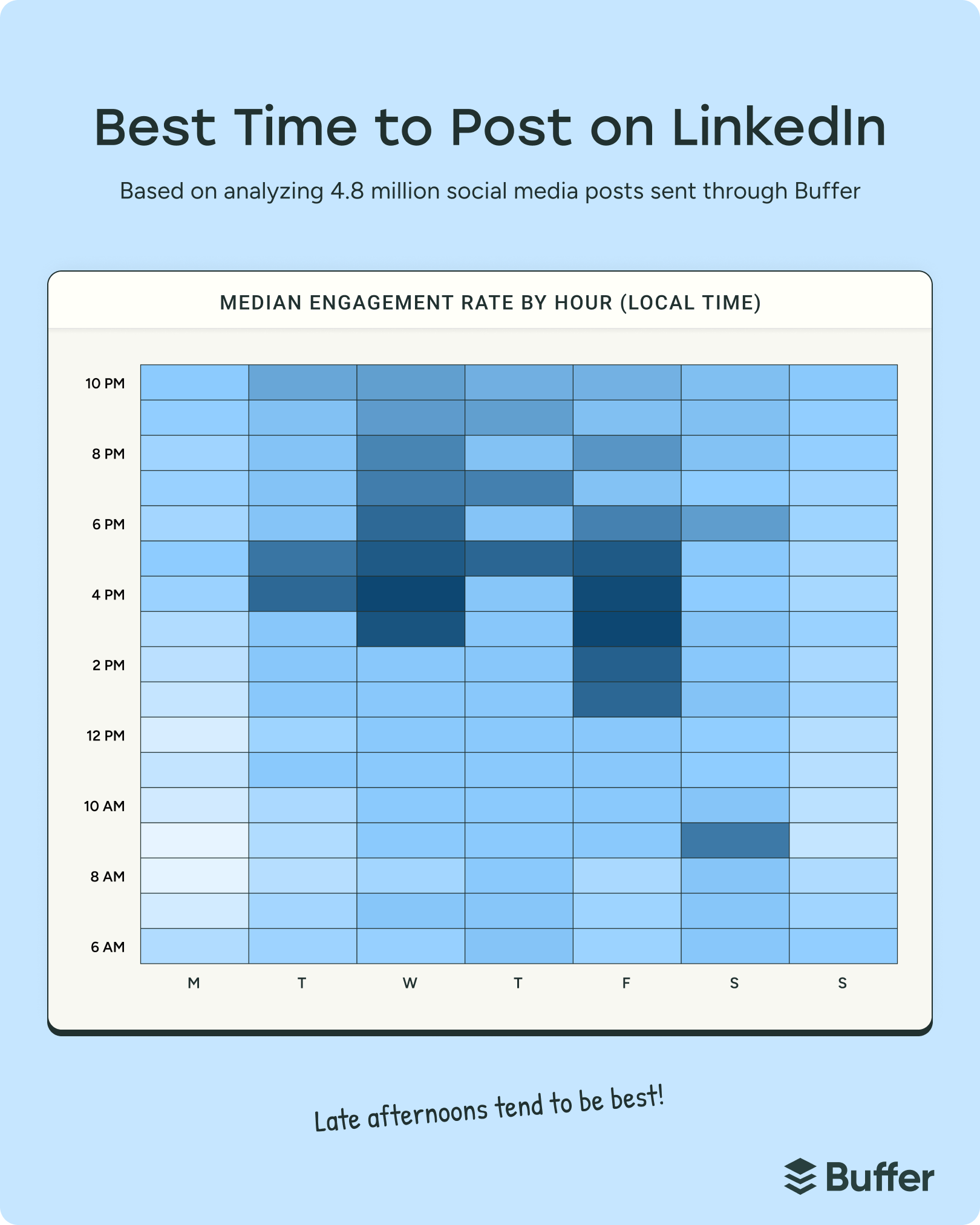
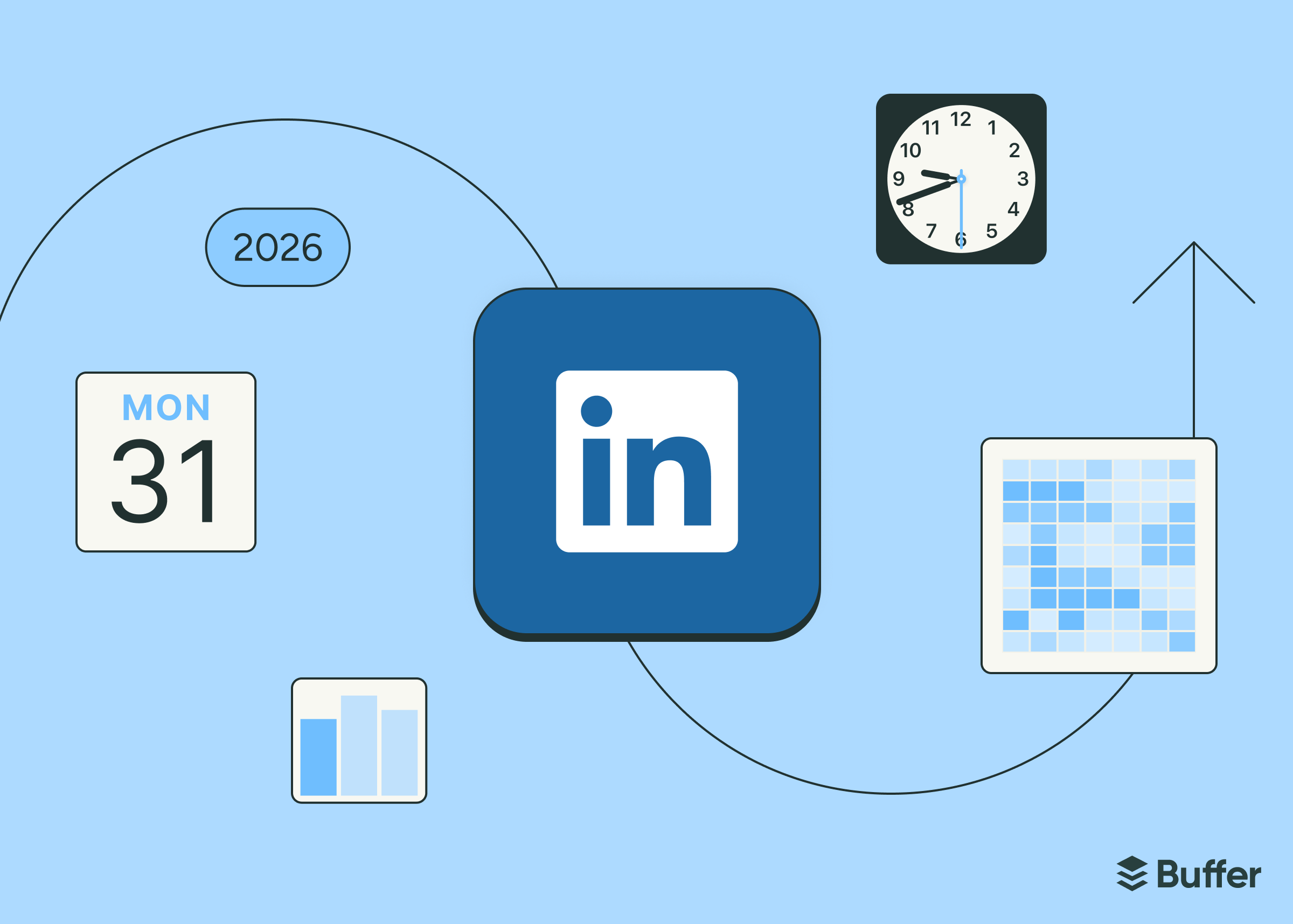
The heatmap visualization of the data clearly illustrates this trend. Darker blocks represent periods of highest engagement, which are predominantly concentrated in the late afternoon and evening. The shift is palpable, with engagement levels increasing as the traditional workday concludes and extending well into the evening hours.
While LinkedIn’s own marketing blog acknowledges that timing is not an exact science and individual audience behavior can vary, the aggregated data from millions of posts provides a strong baseline for strategic decision-making. The platform’s algorithm uses engagement as a key metric to determine content relevance and distribution. Higher engagement signals to LinkedIn that a post is valuable, increasing its likelihood of being shown to a broader audience.
The Shifting Landscape: A Look at Daily Posting Windows
The breakdown of the best posting times by day reveals a nuanced picture of professional online activity:
Wednesday: The Midweek Powerhouse
Wednesday stands out as the prime day for LinkedIn engagement. The highest engagement slot of the entire week falls on this day, specifically at 4 p.m. Other top-performing times on Wednesday include 3 p.m. and 5 p.m. This suggests that professionals are fully immersed in their work week by midweek and actively seeking valuable content, but not yet in a weekend-winding-down mindset.
Thursday: Continued Afternoon and Evening Strength
Following Wednesday, Thursday also demonstrates strong engagement, particularly in the late afternoon and evening. The optimal posting time for Thursday is 5 p.m., with 7 p.m. and 9 p.m. also showing significant engagement. This reinforces the trend of users interacting with professional content after their workday has concluded.
Friday: The End-of-Week Engagement Window
Friday remains a strong day for LinkedIn engagement, with the best time to post being 3 p.m., coinciding with the winding down of the work week. Other effective slots include 4 p.m. and 5 p.m. This indicates that professionals are still receptive to relevant content as they transition into the weekend.
Tuesday and Monday: Early Week Challenges
While engagement picks up midweek, Monday and Tuesday tend to see lower overall engagement compared to the latter half of the week. The best times on Tuesday are 4 p.m., 5 p.m., and 10 p.m. For Monday, the optimal posting time is 10 p.m., followed by 5 p.m. and 9 p.m. The data suggests that users might be more focused on their tasks at the beginning of the week, making them less receptive to passive content consumption.
Weekends: Lower Engagement, Specific Pockets
Weekends generally present a challenge for high engagement on LinkedIn. Saturday’s best posting time is 9 a.m., with some activity also observed at 6 p.m. and 10 p.m. For Sunday, the most effective time is 10 p.m., preceded by 9 p.m. and an early 6 a.m. slot. However, the overall engagement on weekends is considerably lower than on weekdays, making them less ideal for critical content pushes.
It is important to note that these times are normalized by local time zone, meaning a recommended time of 4 p.m. should be interpreted as 4 p.m. in the target audience’s local time zone, eliminating the need for complex time zone conversions.
The Strategic Implications of the Engagement Shift
The consistent rise of late afternoon and evening engagement on LinkedIn is a critical development for social media strategists. This shift suggests that the professional audience is no longer solely consuming content during their work hours. Instead, they are integrating LinkedIn into their personal routines, likely viewing it as a valuable source of industry news, career development, and networking opportunities outside of their immediate work tasks.
This evolution can be attributed to several factors:
- Blurred Work-Life Boundaries: The increasing prevalence of remote and hybrid work models may have led to more flexible schedules, with individuals checking professional platforms at times that suit them best, rather than adhering to strict office hours.
- Information Overload During Work: During busy workdays, professionals may be too focused on immediate tasks to engage with social media content. They may prefer to save content consumption for moments of downtime.
- The "Second Screen" Phenomenon: As with other social media platforms, users may be using their mobile devices during commutes or evenings to catch up on professional updates and industry trends.
The data also highlights that while midday engagement has decreased in relative importance, it is not entirely absent. LinkedIn’s own research indicates that professionals still pause during their workday, particularly during lunch breaks, to scroll through their feeds. This suggests a multi-peak engagement model, with late afternoon and evening being the primary peaks, and midday offering secondary opportunities.
Optimizing Your LinkedIn Strategy with Buffer
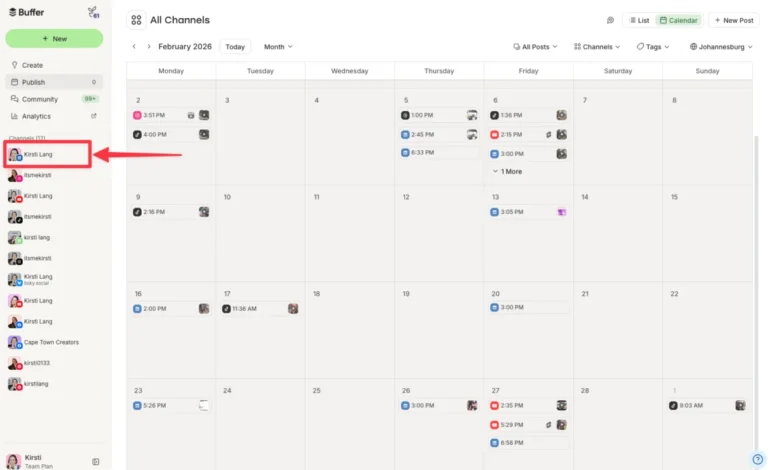
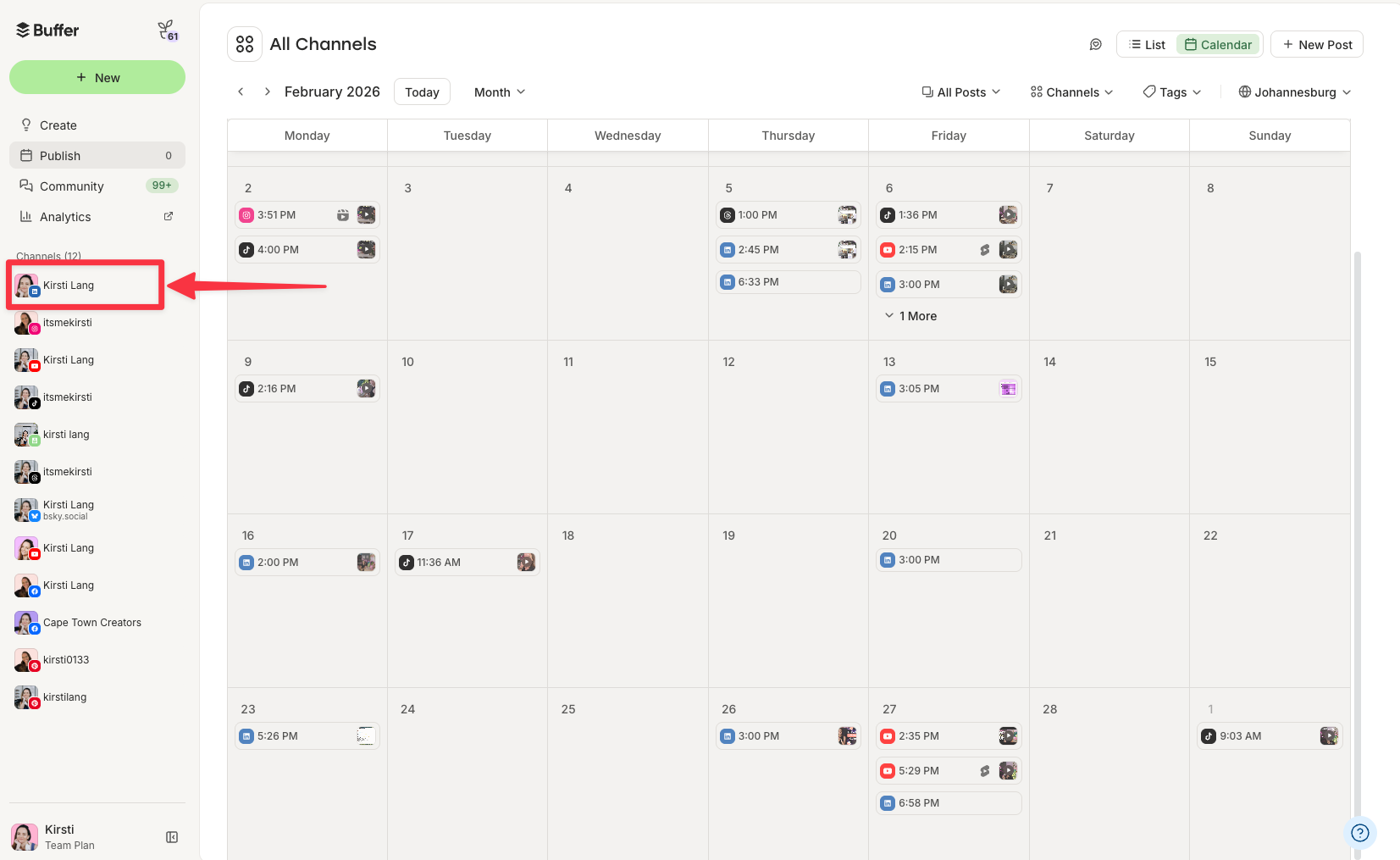
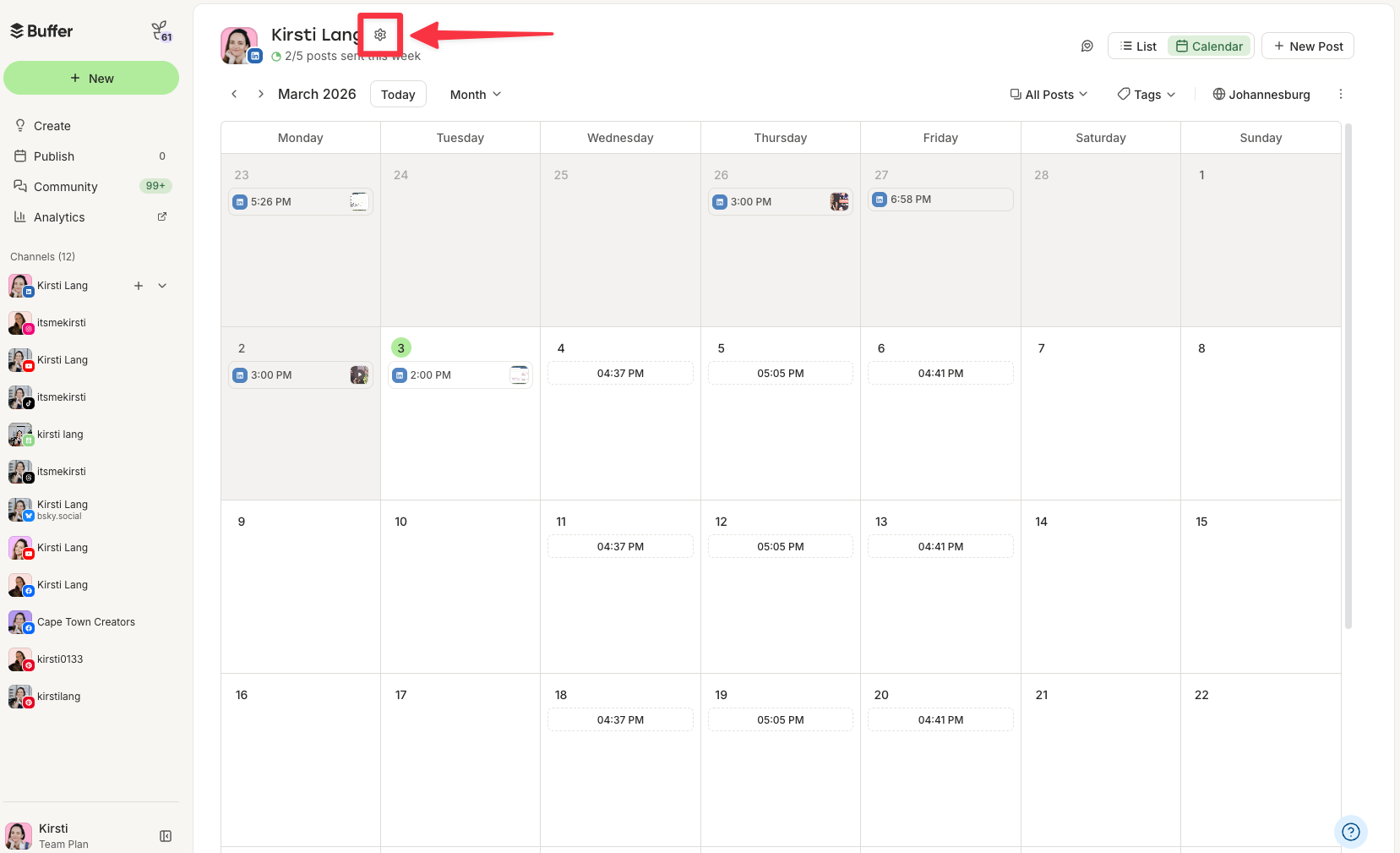
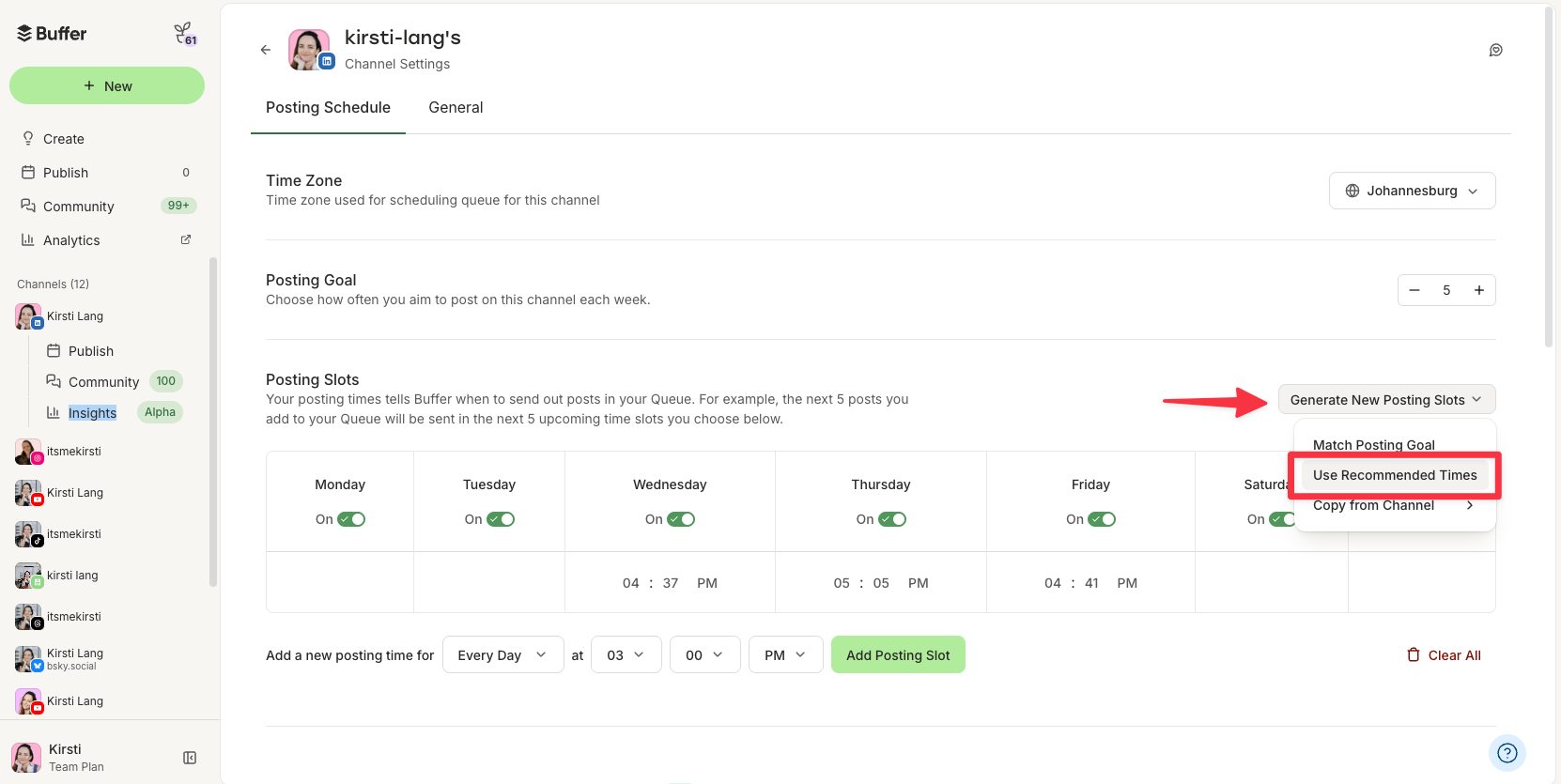
For businesses and individuals looking to leverage these insights, Buffer offers integrated tools to streamline the process of posting at optimal times. The platform automatically suggests posting slots based on the latest engagement data, allowing users to easily schedule content for maximum impact.
"With Buffer, you can have your posting schedule automatically set to the best times," the article explains. "That goes for all the other channels that Buffer supports, too. They’ll appear as posting slots in your queue and calendar, making it super easy for you to schedule posts at the best times."
This feature automates the complex task of identifying and adhering to peak engagement windows, freeing up users to focus on creating high-quality content. The platform’s calendar and list views provide clear indications of these optimal slots, and the "Next available" option simplifies the scheduling process.
Beyond Timing: Content and Consistency
While timing is a critical factor, it is essential to remember that it is only one piece of the puzzle. The quality and relevance of the content itself remain paramount. Even the most perfectly timed post will fail to engage if it does not resonate with the target audience.
Buffer’s research also touches upon content frequency and type:
- Posting Frequency: Posting 2 to 5 times per week is recommended as a starting point for most creators and brands, delivering a significant lift in impressions and engagement compared to less frequent posting. For even greater reach, increasing frequency to 6-10 posts per week, or 11+ posts per week, can yield dramatic improvements.
- Content Format: Carousel (document) posts are identified as a standout format, generating significantly more engagement than text-only posts. Content that offers genuine insight, professional value, or a unique perspective is consistently favored on LinkedIn.
Ultimately, while Buffer’s data provides a powerful guide, the most effective strategy involves a combination of data-driven insights and continuous experimentation. Analyzing personal social media analytics and observing audience responses are crucial for refining posting schedules and content strategies to suit unique niches and follower behaviors.
Frequently Asked Questions About LinkedIn Posting Times
To address common queries, Buffer has compiled a set of FAQs:
- Does the time you post on LinkedIn actually matter? Yes, data from millions of posts confirms that timing significantly impacts engagement, particularly during peak windows like late afternoon and evening weekdays.
- When is the worst time to post on LinkedIn? Early in the week (Monday and Tuesday) and early morning hours generally see lower engagement. Weekends are also less optimal, though specific slots can still yield some activity.
- What is the "golden hour" for LinkedIn posts? While there isn’t a defined "golden hour," the period immediately following a post’s publication is critical for early engagement, which can influence distribution. Publishing when your audience is active can help boost this initial momentum.
- Is LinkedIn engagement higher in the morning or evening? Evening hours (3 p.m. to 8 p.m. on weekdays) now consistently outperform mornings, reflecting a significant shift in user behavior.
- What’s the best time to post on LinkedIn on weekends? Saturday at 9 a.m. is the strongest weekend slot, followed by Sunday late evening. However, weekday posting is generally recommended for higher engagement.
- Do these posting times apply to my time zone? Yes, the recommended times are normalized for local time zones, making them universally applicable.
- How often should I post on LinkedIn? Posting 2-5 times per week is a good starting point, with higher frequencies yielding progressively greater reach and engagement.
- What type of content performs best on LinkedIn? Carousel posts are highly effective, alongside content offering genuine insight, professional value, and unique perspectives.
In conclusion, the professional landscape on LinkedIn is evolving, with users increasingly engaging with content beyond traditional working hours. By understanding and adapting to these shifts, individuals and organizations can optimize their LinkedIn strategies for greater reach, impact, and meaningful professional connections. Buffer’s data-driven approach provides a valuable roadmap for navigating this dynamic environment, empowering users to connect with their audience at the most opportune moments.
Related posts: