The Evolution of Instagram Link in Bio Strategies: Driving Revenue and Social Commerce in 2026


The ubiquitous phrase “link in bio” has long transcended its origins as a mere internet meme to become a critical revenue-generating mechanism for digital marketers, content creators, and global enterprises alike. As Instagram maintains its status as a digital retail powerhouse boasting three billion monthly active users globally, the functionality of the single clickable space within a user profile has undergone a profound transformation. What was once a restrictive single-link policy has evolved into a multi-url ecosystem, fundamentally altering how brands convert casual social media engagement into measurable commercial outcomes.
Background Context and Platform Evolution
Historically, Instagram’s user interface was intentionally designed to keep users enclosed within its native ecosystem. The platform strictly prohibited clickable hyperlinks within individual post captions and comments, leaving the designated profile biography section as the sole gateway to external web destinations. For years, this limitation forced digital marketers into a perpetual cycle of updating a single URL to align with their latest product launch, blog post, or promotional campaign.

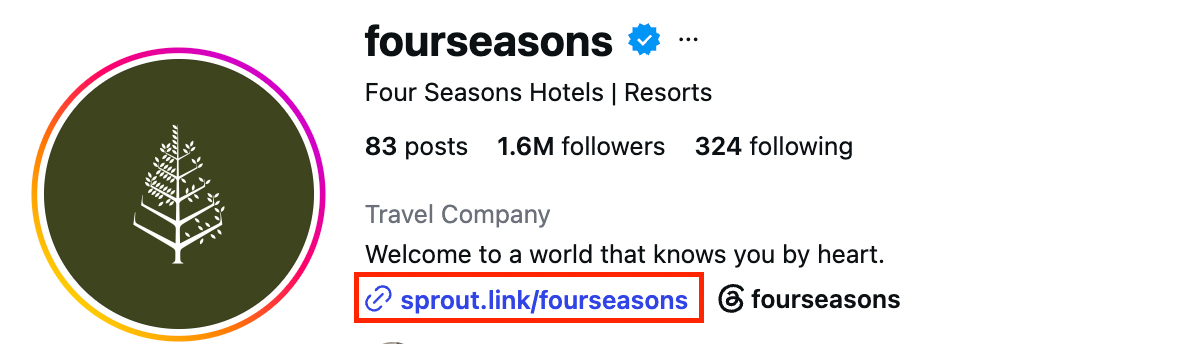
The turning point in platform usability arrived in 2023, when Instagram updated its framework to allow users to incorporate up to five distinct external URLs within their profile bios. While this expansion granted brands greater flexibility, it introduced a new user experience hurdle: only the primary link remains prominently visible on the profile landing page, requiring an additional tap from the consumer to reveal the remaining four options. In an era defined by shrinking attention spans and micro-moments of digital interaction, this extra step introduced friction that could potentially deter prospective buyers.
Platform Demographics and the Scale of Social Commerce
To understand the economic significance of optimizing the link-in-bio real estate, one must examine the sweeping scale of Instagram’s audience metrics. According to industry data, 65% of social media users maintain an active Instagram profile, solidifying its position as the second most popular social network globally. Within the United States, half of all adults utilize the platform, a figure that surges to 80% among demographics aged 18 to 29. Furthermore, approximately 60% of consumers interact with brand-sponsored content on a weekly basis.
This immense user engagement coincides with a massive boom in social commerce. United States social commerce revenue surpassed $104 billion, driven largely by consumers who increasingly bypass traditional search engines to discover and purchase products directly through social media applications. Industry reports indicate that over a quarter of social media users across all generational cohorts rely on Instagram as their primary channel for product discovery. Without a streamlined pathway from discovery to transaction, however, brands risk losing prospective customers during the transition from the social application to an external e-commerce storefront.
Native Functionality Versus Specialized Link-in-Bio Tools
As businesses evaluate their digital marketing infrastructure, a distinct operational divide has emerged between native Instagram linking features and dedicated third-party link-in-bio solutions.
The native Instagram bio link feature adequately serves organizations with straightforward, low-frequency campaigns. Entities running limited promotions can easily manually update their five allowable URLs as needed without requiring advanced integration. However, for mid-market brands, global enterprises, and prolific creators who require frequent updates across multiple product lines, manual management introduces logistical inefficiencies and brand inconsistency.
Conversely, specialized link-in-bio tools—such as SproutLink—provide customizable, branded landing pages that mirror an organization’s social grid. These platforms generally lift arbitrary link caps, offering virtually unlimited URL capacity while simultaneously equipping digital teams with robust data analytics. Through these integrations, businesses gain granular visibility into page views, click-through rates, and specific post-level attributions, allowing marketing departments to directly correlate social media engagement with tangible financial return on investment.
Data-Driven Analysis of Link-in-Bio Performance
Empirical research highlights the measurable advantages of deploying optimized link-in-bio ecosystems. An extensive analysis conducted across more than 47,000 public Instagram profiles evaluated the performance differentials of accounts utilizing integrated link tracking tools versus those relying solely on standard methods.
The findings demonstrated a clear correlation between structured link management and elevated audience engagement. On average, accounts utilizing optimized link-in-bio solutions experienced a 17% increase in daily engagements compared to non-users. This data suggests that minimizing friction in the user journey not only facilitates direct transactions but also encourages deeper interaction with the underlying content.
Performance impacts vary significantly across distinct industrial sectors, reflecting the diverse ways organizations leverage social media:
Small Businesses and Entrepreneurial Ventures: Small business profiles reaped the most substantial engagement benefits, registering a 23% increase in average daily engagements compared to non-users. Because smaller enterprises often operate with limited follower counts, maximizing the utility of every available digital touchpoint remains essential for competitive positioning.
Consumer Goods and Retail: Brands operating within consumer products and retail sectors witnessed a 41% surge in daily follower acquisition and a 29% increase in unique daily impressions. For these entities, an optimized link-in-bio functions effectively as a dynamic, shoppable digital catalog, allowing consumers to transition instantaneously from inspiration to purchase.
Financial Services: Financial institutions experienced a notable 40% average daily increase in impressions when implementing structured linking solutions. This data challenges the conventional assumption that visual platforms are unsuitable for financial marketing, illustrating that Instagram effectively builds institutional trust, fosters client relationships, and attracts prospective talent.
Retail and Leisure: Organizations managing expansive inventories, travel itineraries, or multi-tiered event schedules benefit from centralized landing pages that allow consumers to immediately self-select their desired products or booking pages without navigating convoluted website architectures.

Implementation and Performance Tracking
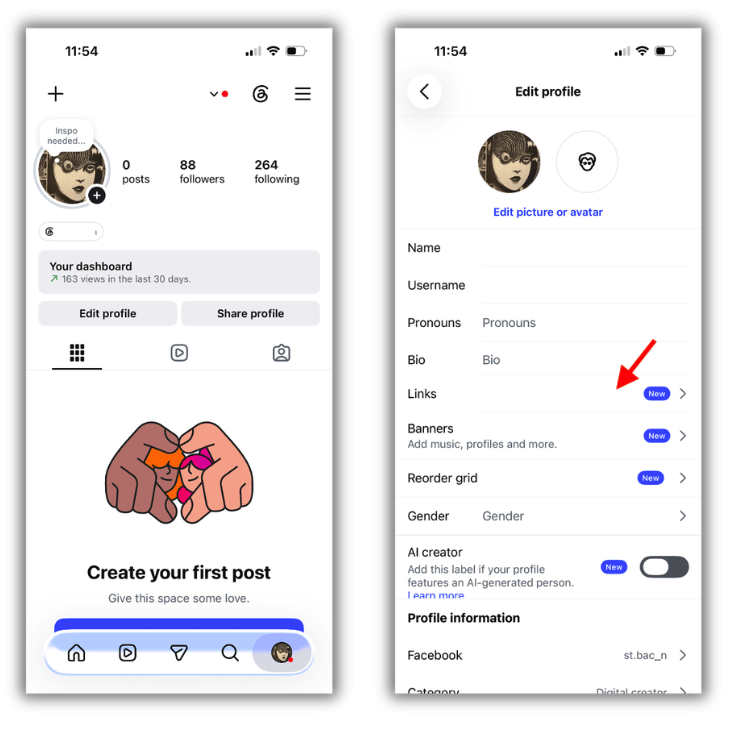
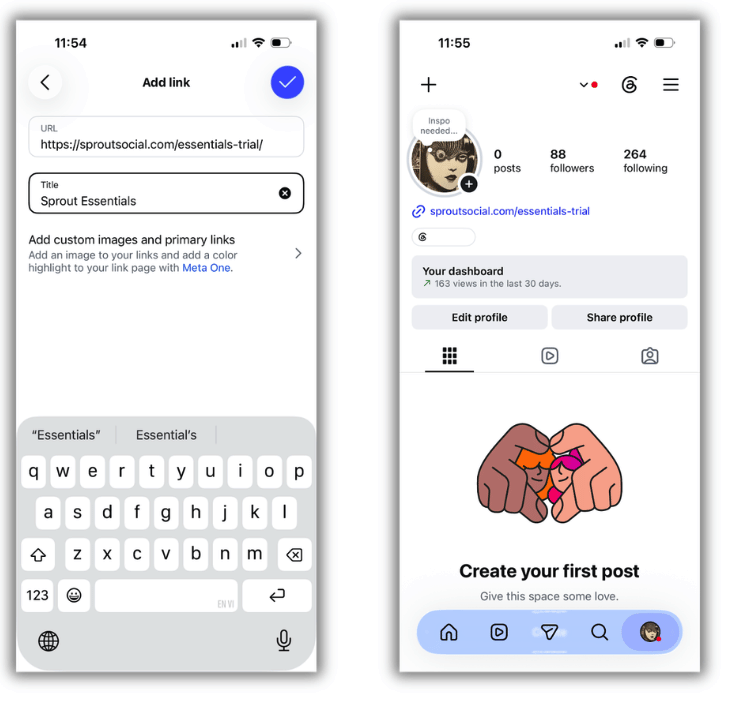
Deploying an effective link-in-bio strategy requires adherence to both structural setup and rigorous analytical tracking. Organizations typically follow a standardized procedure to update their native profiles: navigating to the profile dashboard, accessing the edit profile and links menu, and systematically adding destination URLs paired with descriptive titles for internal organization.
To measure the efficacy of these campaigns, digital marketers increasingly rely on advanced tracking methodologies. While built-in link tool analytics offer high-level visibility into page views and aggregate click counts, deep-funnel attribution often requires the deployment of UTM parameters. By appending custom UTM tracking codes to URLs—capturing metadata regarding specific traffic sources, mediums, and campaign titles—marketers can accurately attribute conversions back to individual posts, Stories, or direct messages. Automated publishing platforms further streamline this process by dynamically appending tracking parameters to scheduled content.
Broader Implications and Future Outlook

The maturation of the link-in-bio ecosystem reflects a broader evolution within the digital marketing landscape: the blurring lines between content discovery and transactional commerce. As social media platforms continue to refine their native shopping capabilities, the imperative for brands to maintain frictionless, highly trackable pathways from social content to web conversion will only intensify.
Industry analysts suggest that the future of digital marketing will be defined by hyper-personalization and instantaneous consumer gratification. Tools that successfully bridge the gap between aesthetic social curation and functional e-commerce infrastructure provide a distinct competitive advantage. By transforming static profile links into dynamic, data-informed landing pages, organizations can protect themselves against shifting consumer attention spans while securing verifiable, revenue-driven outcomes from their social media investments.