Sprout Social Unveils Next-Generation AI Tools and Multi-Platform Expansion to Shape 2027 Social Media Strategies at Breaking Ground Q4


As digital communication continues to evolve at a rapid pace, enterprise organizations face an increasingly complex digital landscape characterized by massive volumes of unstructured data, shifting consumer sentiments, and an expanding ecosystem of social networks. Addressing these multifaceted challenges, social media management leader Sprout Social hosted its quarterly virtual innovation showcase, Breaking Ground, to outline a comprehensive roadmap for 2027 strategy. Designed for social media professionals, industry analysts, and enterprise brand leaders, the 30-minute session focused heavily on bridging the gap between raw data collection and actionable business intelligence through advanced artificial intelligence, automated insights, and broadened publishing capabilities.
The virtual event arrived at a critical juncture for the social media industry. Over the past several years, organizations have transitioned from viewing social media purely as a broadcast mechanism for brand awareness to leveraging it as a foundational pillar for customer service, market research, and competitive intelligence. However, this shift has created a secondary hurdle: data overload. Marketing teams routinely accumulate millions of data points across dozens of channels but frequently struggle to extract coherent, timely narratives that can directly influence executive decision-making. Sprout Social’s Q4 2026 showcase directly targeted this friction point, structuring its strategic recommendations around a three-step framework: analyzing internal social data, contextualizing those findings against broader market behaviors, and executing targeted campaigns across an expanding array of digital networks.
Deconstructing Social Data: The Evolution of Trellis AI and Intelligent Tagging

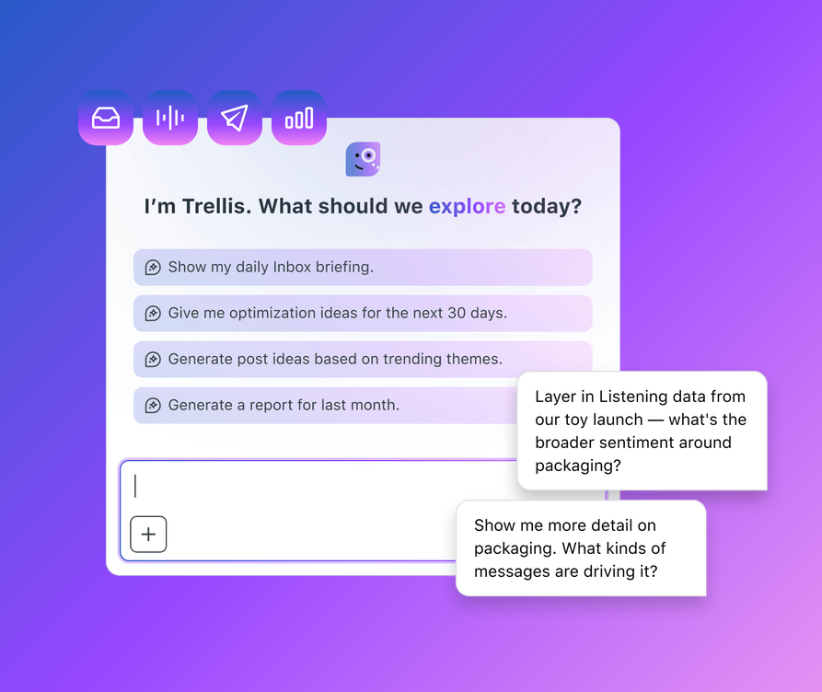
The foundational phase of Sprout Social’s 2027 strategy framework centers on deepening internal data analysis. Rather than accumulating vanity metrics, the company emphasizes cultivating a granular understanding of underlying consumer behaviors and engagement drivers. To achieve this, Sprout highlighted major enhancements to Trellis, its proprietary conversational AI teammate, designed to democratize data access through natural language processing.
Under the updated architecture, users can query Trellis using plain, conversational language to uncover overarching themes, performance trends, and prescriptive next steps backed by concrete data examples. For instance, a marketing analyst can initiate an open-ended dialogue by asking what drove the highest engagement volumes over the preceding fiscal year, subsequently drilling down into specific follow-up queries such as high-performing content verticals or experimental formats. Trellis retains contextual memory across the conversation thread, allowing users to build complex analytical inquiries iteratively without restarting the data-retrieval process.
Compounding this conversational capability is a new platform-wide universal search function. Users can now simultaneously query tags, labels, user accounts, and specific brand profiles from a single unified window. Behind the scenes, Trellis automatically aggregates and correlates the disparate data sources to deliver precise answers instantaneously.
Complementing these AI-driven querying tools are significant upgrades to Sprout’s tagging infrastructure—historically considered an essential yet labor-intensive component of enterprise social analysis. To streamline data hygiene, the platform has introduced AI-recommended tags that automatically categorize incoming content, alongside mandatory tagging rules to ensure compliance and eliminate data gaps across teams. Furthermore, organizations can now nest tags up to seven levels deep, enabling unprecedented precision in slicing and dicing metrics by campaign, region, product line, or customer sentiment.
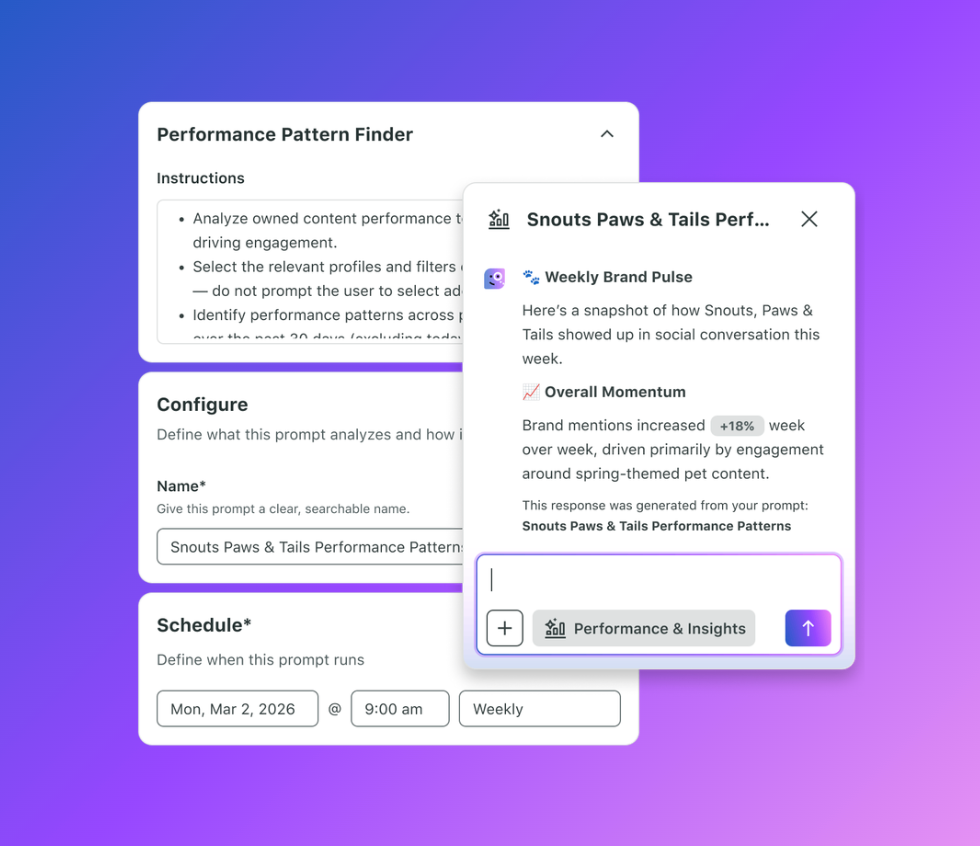
For continuous monitoring, Sprout introduced Trellis Studio, an advanced environment enabling teams to configure custom AI skills. Users can select specific analytical focus areas—such as sentiment shifts, emerging vocabulary, or engagement spikes—and establish automated schedules for the AI to execute these analyses in the background. Once the process concludes, the system issues a notification, prompting a conversational review of the findings between the user and Trellis. To support collaborative enterprise usage, Sprout also unveiled Trellis Plus: Shared Credits, an account-level pooling model that eliminates rigid per-seat usage caps and allows multidisciplinary teams to dynamically allocate AI resources based on real-time operational demands.
Contextualizing Insights Through Market Behaviors and NewsWhip Integration
While internal channel metrics reveal how audiences interact directly with a brand, they provide only a fraction of the broader corporate narrative. Recognizing that external market forces heavily influence brand perception, Sprout’s second strategic pillar stresses the importance of contextualizing internal analytics with macroeconomic and industry-wide sentiment.
To operationalize this, the company rolled out Listening Topic Highlights, a feature engineered to automatically surface critical external developments without requiring manual chart scanning or data synthesis. Operating continuously in the background, the tool evaluates enterprise listening topics on a daily basis, flagging statistically meaningful shifts in public conversation, detailing the catalyst behind the change, and contextualizing its potential impact directly on the user’s main Sprout dashboard. Team members can immediately interact with Trellis to explore the anomaly further or click through directly to the underlying social posts driving the shift.
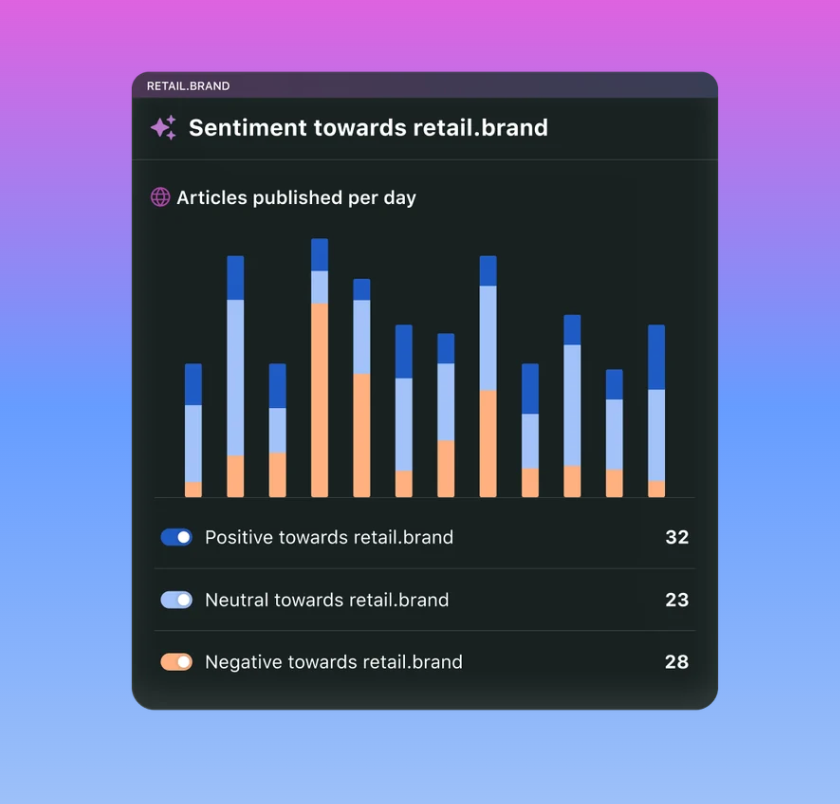
To expand this external context into mainstream media and web publishing, Sprout formally launched NewsWhip AI Sentiment Analysis during the Breaking Ground event. Engineered to ingest and interpret news articles, editorials, and digital media coverage through the specific lens of an individual brand, the tool evaluates how external news cycles resonate with target audiences. It tracks core messaging themes and provides communications leaders with immediate, data-backed answers regarding the brand reputation implications of unfolding news events. By bridging social listening data with global web and news coverage, organizations gain a holistic, 360-degree view of their public standing.
Operational Execution: Expanding Publishing Networks and AI-Driven Campaigns
Insights remain theoretical without efficient operational execution. Consequently, the third pillar of Sprout’s 2027 blueprint focuses on expanding workflow capabilities to meet audiences wherever digital conversations transpire.
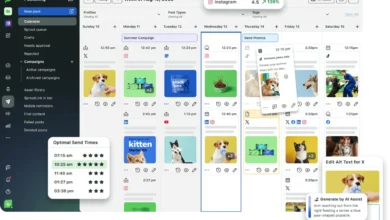
Throughout 2026, Sprout systematically broadened its native publishing integrations, extending workflow capabilities to encompass high-engagement, visually driven platforms such as Snapchat and Reddit. Building upon this momentum, the company announced the upcoming Q4 2026 rollout of native YouTube Posts management. This integration will empower content creators and enterprise marketing teams to schedule, publish, and monitor community posts directly within their established Sprout workflows, eliminating the friction of switching between disparate native applications to manage audience engagement on the world’s largest video platform.
Concurrently, Sprout unveiled a major overhaul to its Influencer Marketing AI Campaigns module. Designed to eliminate the administrative drag traditionally associated with managing creator partnerships through spreadsheets and manual outreach, the updated system allows brands to upload campaign creative briefs directly into the platform. Advanced AI algorithms then parse the brief to automate campaign setup, identify high-affinity content creators matching the brand’s demographic criteria, and draft personalized outreach communications.
Once activated, creators populate within a unified, customizable matrix featuring AI-powered summary columns. These columns automatically distill recent creator activity, audience engagement metrics, and content performance indicators, allowing campaign managers to act swiftly on real-time updates rather than manually auditing individual profiles.
In keeping with standard corporate governance, Sprout issued standard safe-harbor reminders regarding these forward-looking product statements, noting that projected timelines and feature rollouts remain subject to operational variables and market risks as detailed in the company’s recent SEC filings and Form 10-K/10-Q documentation.
Industry Perspectives: Real-World Applications from Higher Education and Banking

To ground these technological innovations in practical application, the Breaking Ground session featured strategic insights from prominent social media leaders navigating enterprise-scale communications: Jill Trimbach of Indiana University and Marie Obsuna of Bell Bank.
Both leaders shared operational reflections on managing high-stakes digital environments throughout 2026 and outlined how they are proactively restructuring their teams for the upcoming year. Trimbach and Obsuna emphasized the vital importance of institutional resilience, highlighting the specific cross-departmental workflows they rely on to maintain brand stability during unexpected viral moments or reputational crises. Their discussions underscored a common industry consensus: as digital channels multiply, the margin for error narrows, necessitating deeply integrated workflows that connect customer service, marketing, and executive communications into a singular operational unit.
Actionable Preparedness: The 2027 Starter Checklist
Concluding the 30-minute virtual briefing, Sprout Social provided attendees with an actionable four-step starter checklist designed to establish immediate momentum heading into January:

- Initiate Data Structuring via Tags: Organizations that have not yet implemented comprehensive tagging frameworks are advised to leverage AI-recommended tags to jumpstart categorization, while mature users should audit existing hierarchies to maximize granularity.
- Engage Trellis Chat: Social managers are encouraged to run baseline exploratory queries regarding past performance and industry trends, utilizing Sprout’s publicly available AI Prompt Library for structured inquiry templates.
- Deploy a Trellis Skill: Teams should configure at least one automated Trellis skill aligned with their specific internal reporting cadences to streamline ongoing sentiment tracking.
- Professional Development: Sprout recommended enrolling team members in its dedicated Social Intelligence certification course to ensure staff are fully versed in advanced data analysis methodologies ahead of the new fiscal year.
The complete 30-minute replay of the Breaking Ground Q4 session, including live product demonstrations and extended customer panels, remains accessible via Sprout Social’s digital events portal, providing organizations with a comprehensive blueprint for navigating the complexities of digital engagement in 2027.
Related posts: