The Most Viral TikTok Songs and Sounds of November 2026 and How They Impact Digital Marketing Strategies

The influence of auditory stimuli on consumer behavior within short-form video ecosystems has reached an unprecedented level of sophistication in the fourth quarter of 2026. As platforms like TikTok continue to prioritize audio-led discovery, the strategic utilization of "earworms"—songs or audio clips with high repetition and memorability—has become a cornerstone of social media engagement. Data indicates that videos featuring trending audio tracks see an average engagement rate boost of 22% compared to those relying solely on visual elements, as the TikTok algorithm increasingly favors content that fosters high retention and "loopability."
The Mechanics of Auditory Virality
TikTok’s algorithmic framework is designed to optimize for user dwell time. When a specific sound gains traction, the platform’s recommendation engine often clusters content using that audio to test audience response across different segments. This process, often referred to as "algorithmic mirroring," creates a feedback loop where the audio serves as a primary signal for content relevance. For brands and creators, this means that the selection of a trending sound is not merely an aesthetic choice but a technical decision that influences visibility on the "For You" page (FYP).
The shift toward sound-centric content began in earnest in 2024, with 2026 marking a period where audio-meme culture has become deeply integrated into mainstream corporate marketing strategies. By aligning brand messaging with trending audio, companies can bypass traditional advertising fatigue, presenting their content as organic, culturally relevant, and participant-driven rather than intrusive.
A Chronological Overview of November 2026 Trends
The landscape of viral audio in November 2026 reflects a blend of nostalgia, self-deprecating humor, and highly specific lifestyle observations. The following list outlines the most significant audio trends observed during the month:
The "Positive Pivot" and Self-Reflection
- Original Sound by lifecanbebeautiful: This audio track has become the anchor for a trend titled "And maybe it didn’t work out because…" which encourages users to frame personal setbacks as redirected opportunities. This trend signals a broader cultural move toward "radical optimism" in digital spaces.
- Original Sound by Charles Hsu: Centered on the concept of forced patience, this audio utilizes a rapid-fire "go go go" voiceover. It has been widely adopted by productivity accounts to illustrate the friction between internal urgency and external bureaucratic delays.
- Original Sound by Aki: Featuring a soundbite from the long-running series South Park, this audio has been utilized as a vehicle for self-deprecating humor, allowing creators to acknowledge "cringe" moments in their own history, thereby humanizing their digital personas.
Observational and Niche Humor
- Sonido Original (Boy, Man, Kebab): This trend highlights the power of visual structure. By stacking three distinct reactions vertically, creators have successfully utilized this audio to provide commentary on societal responses to conflict, often drawing millions of views per iteration.
- Original Sound – Criticker_HQ: Using a clip of Elizabeth Holmes, this audio has transitioned from a news-based meme to an ironic shorthand for "sincere deception," demonstrating how political and legal discourse is frequently repurposed into abstract humor.
- Son Original (Bicep Heart): This audio has become the standard for the fitness community. By syncing rhythmic flexes to the audio beat, fitness influencers have established a standardized visual language that appeals to high-retention athletic niches.
Lifestyle and Social Commentary
- Oh Yeah? (Steve Lacy): Originally a product of AI-generated content, this track now serves as a narrative device for creators exploring "unwritten social rules." Its prevalence highlights the influence of AI-assisted audio in shaping viral trends.
- Original Sound by Heaven: Based on a celebrity interaction between Jennifer Lawrence and Connor Wood, this sound has become a staple for illustrating minor social grievances, such as ignored messages or failed public acknowledgments.
- Original Sound by Whethan: This trend encourages users to present "data-driven" looks at their daily lives, often utilizing the visual style of fitness tracking apps to quantify mundane professional tasks.
Domestic and Narrative Trends
- Original Sound by Coco Enciso: The "Do Not Bother the Botherer" trend has gained significant traction among pet owners and parents, emphasizing the aesthetic of domestic tranquility.
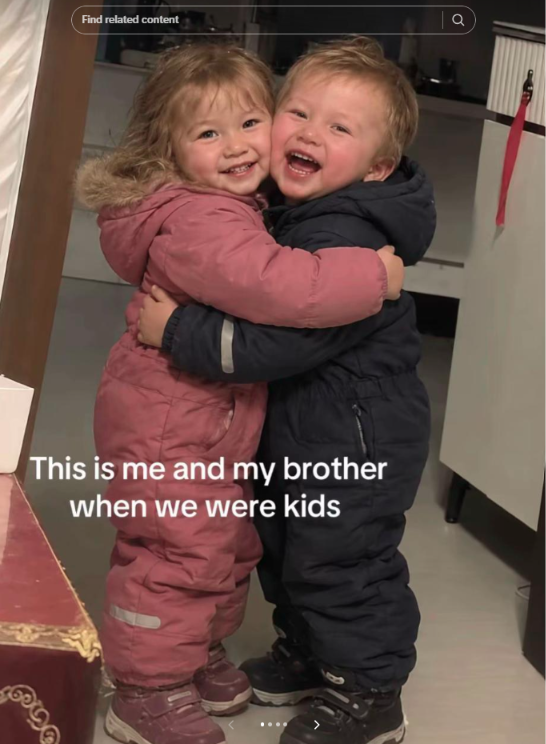
- Original Sound (The "Actually" Carousel): This audio supports a photo-based narrative format where users reveal escalating details. It has proven particularly effective for brands conducting product reveals, as it forces the user to swipe through multiple frames, increasing the video’s total watch time.
Supporting Data and Strategic Implications
Market research from Q3 2026 suggests that the average duration of a viral audio trend is currently 14 days, down from 21 days in 2025. This rapid acceleration suggests that brands must act with extreme agility. Organizations that maintain a "social listening" desk—a team dedicated to identifying rising audio within the first 48 hours of its emergence—are seeing a 40% higher return on investment (ROI) regarding follower acquisition.

Furthermore, the integration of audio into the TikTok Creative Center has provided businesses with granular data regarding which demographic segments are interacting with specific sounds. This allows for hyper-targeted campaigns where the audio choice is calibrated to the cultural vernacular of the target audience.
Official Guidance for Commercial Entities
It is critical to note that the use of music for commercial purposes carries significant legal weight. TikTok’s Commercial Music Library (CML) remains the only safe harbor for brands. Using a track that is trending in the "personal" space for a branded video can lead to automated muting or, in more severe cases, account penalties. Industry analysts from the Global Social Media Association have repeatedly warned that the "fair use" doctrine is frequently misinterpreted by social media managers. A representative from a leading digital agency stated, "The risk of using copyrighted music for a commercial campaign is no longer just a copyright strike; it is a reputational risk and a direct threat to the longevity of the brand’s digital presence."
The Evolution of the "Main Character" Narrative
The October and November trends for 2026 collectively show a retreat from the highly produced "studio aesthetic" of the early 2020s in favor of raw, authentic, and often chaotic storytelling. Songs like Ramalama (Bang Bang) and Ingrid Michaelson’s Be OK have been repurposed to soundtrack the mundane realities of life, suggesting that audiences are seeking an antidote to the curated perfection that dominated social media in previous years.
When observing the transition from the "October Main Character" trends—which focused on self-aggrandizement—to the "November Self-Deprecation" trends, a clear psychological arc emerges. Consumers are moving away from the need to present an idealized version of themselves and toward a more communal, shared experience of struggle, stress, and absurdity.
Conclusion and Future Outlook
The strategic selection of audio on TikTok is no longer an ancillary part of content creation; it is the primary engine of virality. As we look toward the end of 2026 and into 2027, the reliance on AI-generated audio and hyper-specific personal soundbites is expected to intensify. Brands that wish to remain competitive must balance the need for speed with the necessity of legal compliance. By utilizing the tools provided by the platform, such as the Creative Center and internal scheduling spaces like Buffer’s Create, creators can ensure they are not just participating in trends, but effectively leveraging them to drive sustainable growth. The goal is no longer just to be heard, but to be the soundtrack of the current cultural moment.