The landscape of search engine optimization has undergone a significant transformation with the introduction of Google’s E-E-A-T framework, a strategic expansion of the search giant’s long-standing quality evaluation criteria. By adding a second "E" for "Experience" to the established "Expertise, Authoritativeness, and Trustworthiness" (E-A-T) model, Google has signaled a paradigm shift in how it assesses the credibility and utility of online information. This development is largely considered a direct response to the proliferation of mass-produced, AI-generated content that threatens to dilute the quality of search results. For website owners, digital marketers, and content creators, understanding the nuances of this update is no longer optional but essential for maintaining visibility in an increasingly competitive digital marketplace.

The Chronology of Quality: From E-A-T to E-E-A-T
The evolution of Google’s Search Quality Rater Guidelines reflects the company’s ongoing efforts to balance automated algorithmic efficiency with human-centric quality assessments. The concept of E-A-T first emerged in the public consciousness around 2014, when Google began providing explicit instructions to its human quality raters—a global team tasked with evaluating search results to help calibrate the core search algorithm.
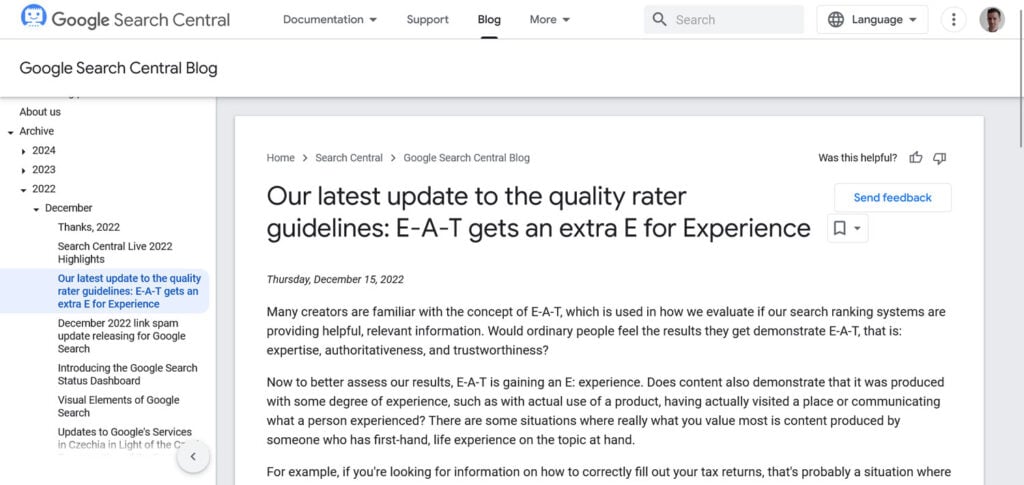
In 2018, the "Medic" update brought E-A-T into the spotlight, as it became clear that websites failing to demonstrate clear authority and expertise were suffering significant ranking losses, particularly in "Your Money or Your Life" (YMYL) sectors such as finance and medicine. Following this, the December 2022 update marked the official transition to E-E-A-T. This addition of "Experience" acknowledged that, in the era of sophisticated generative AI, technical expertise is insufficient if the content lacks the subjective, real-world context that only a human can provide.
The Impetus Behind the Update
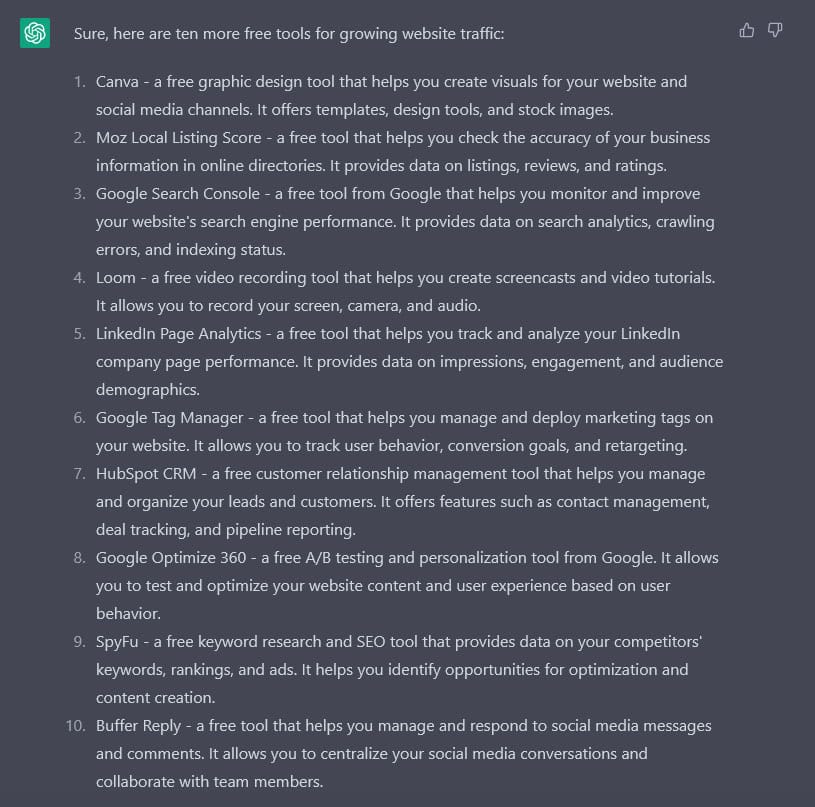
The rapid advancement of Large Language Models (LLMs) such as ChatGPT has fundamentally altered the web’s content ecosystem. While these tools offer undeniable productivity benefits, they have also facilitated the creation of low-effort, synthetic content that often lacks original insight, factual accuracy, or personal perspective. Google’s internal data and public statements suggest that the search engine is attempting to filter out "content-first" strategies that prioritize keyword density over genuine value.
By prioritizing "Experience," Google is essentially raising the barrier to entry for content creators. The algorithm now seeks evidence that the author has interacted with the subject matter, whether through using a product, visiting a location, or living through a specific experience. This shift aims to demote content that is purely theoretical or recycled from other sources, favoring instead narratives that offer unique, first-hand insights.

Dissecting the Four Tenets of E-E-A-T
To navigate the current SEO environment, creators must align their output with the four pillars of the framework:
- Experience (The New Standard): This measures the degree to which the content creator possesses first-hand or life experience. A review of a camera, for example, is weighted more heavily if the author has actually used the device to capture images and encountered real-world usage hurdles.
- Expertise: This relates to the knowledge or skill of the content creator. For YMYL topics, Google requires that content be created by, or under the guidance of, professionals with recognized credentials, such as doctors, financial advisors, or certified specialists.
- Authoritativeness: This is an external validation of the site and the creator. It is built through backlinks, mentions from reputable sources, and the overall reputation of the website within its specific industry.
- Trustworthiness: This is the most critical element of the entire framework. It concerns the accuracy, transparency, and safety of the content. A site that presents well-researched, cited, and objective information will consistently outperform one that appears designed solely to manipulate search rankings.
The Impact on YMYL Content
"Your Money or Your Life" (YMYL) pages remain the most strictly scrutinized segments of the web. Google defines these as pages that could potentially impact a user’s future happiness, health, financial stability, or safety. Because the stakes are high, the criteria for E-E-A-T in these categories are significantly more rigorous.
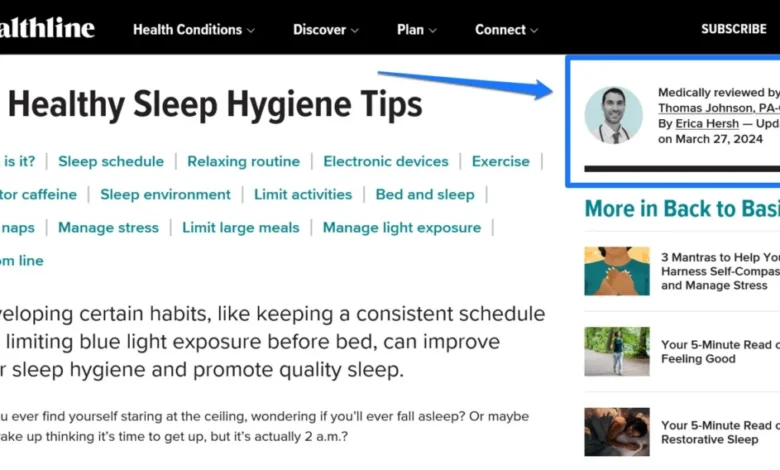
For instance, a blog post offering medical advice must demonstrate not only medical expertise but also a high degree of transparency regarding the author’s credentials. Conversely, for personal finance, while professional advice is paramount, Google also values "life experience" in terms of personal budgeting or debt management strategies, provided they are presented as personal anecdotes rather than professional financial advice. Distinguishing between professional expertise and lived experience is a key challenge for site administrators operating in these spaces.
Practical Strategies for Demonstrating Experience
To comply with the new guidelines, content creators should implement specific, evidence-based practices that demonstrate the human element of their work:
- Evidence of Interaction: Authors should include original photography, video walkthroughs, or data visualizations that could not have been produced by an AI. Documentation of the "how-to" process through personal photos of a product setup or a field test creates an undeniable record of experience.
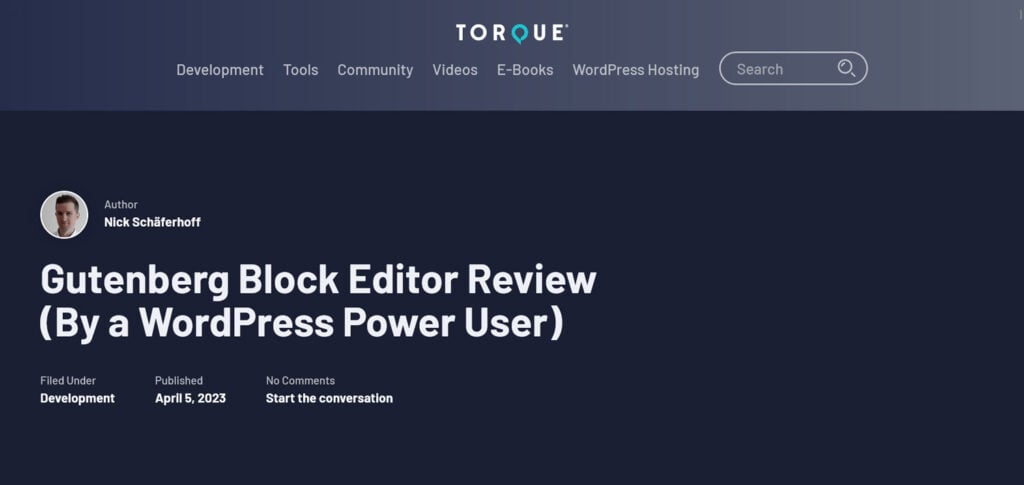
- Transparency and Attribution: Every piece of content should be clearly attributed to an author with a verifiable biography. Linking these bios to professional profiles (such as LinkedIn or specialized industry sites) reinforces the author’s background.
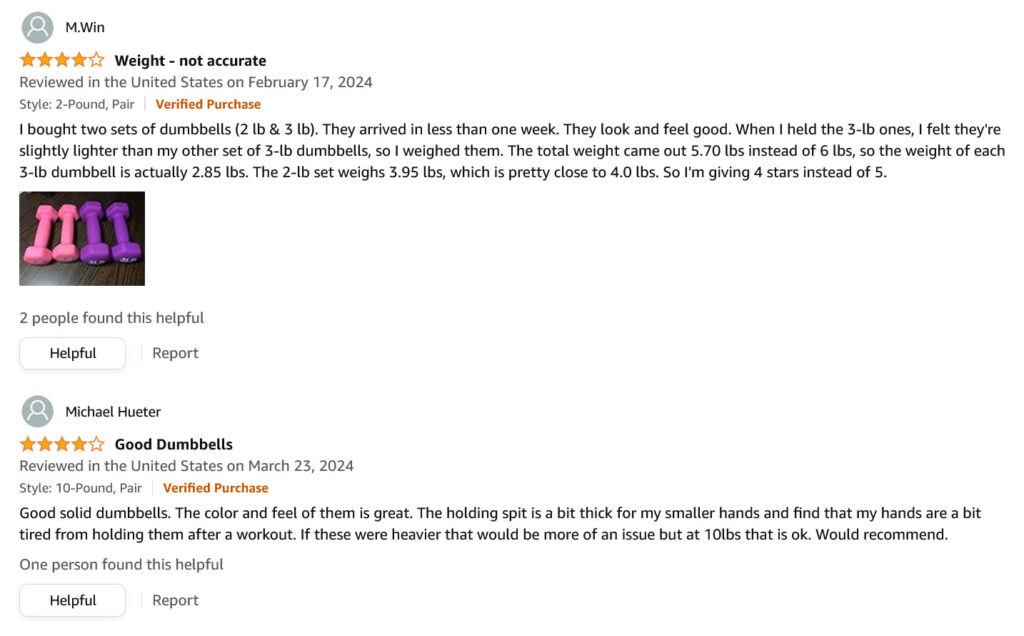
- Editorial Integrity: Moving away from purely promotional language is essential. Providing balanced reviews—including both the benefits and the drawbacks of a product—signals to both users and search evaluators that the opinion is genuine and unbiased.
- Rigorous Citation: When discussing facts, data, or scientific studies, linking to primary sources is vital. AI often hallucinates or misinterprets data; by providing clear links to credible institutions or original research, the creator establishes a chain of accountability.
The Role of Human-in-the-Loop Content
While AI tools remain useful for brainstorming, outlining, or grammar checking, the "human-in-the-loop" approach is now a competitive necessity. The goal is not to abandon technology but to use it as a scaffold upon which human insight is built. Content that is "AI-first"—meaning it is generated and published without significant human editorial oversight—is increasingly susceptible to being flagged as low-quality.
Analysis from SEO experts indicates that "Helpful Content" signals are now deeply integrated into the ranking process. These signals evaluate whether the content serves the user’s intent or merely satisfies a search query. A page that answers a user’s question with brevity, clarity, and the benefit of human experience will, by definition, be more "helpful" than a wordy, AI-generated summary that merely repeats information already available on the web.
Broader Implications for the Future of Search
The shift toward E-E-A-T represents a maturation of search technology. As the web becomes saturated with synthetic content, the value of human-verified information increases. In the long term, this update may lead to a more fragmented search experience, where users gravitate toward platforms and creators they trust, rather than just the highest-ranking generic results.
For website owners, the implications are clear: the era of "SEO-only" content writing is closing. Success now requires a commitment to building a brand that possesses a voice, a reputation, and a verifiable history of interaction with its subject matter. By focusing on the "Experience" that an AI cannot simulate, creators can protect their search status while providing genuine value to their audience. This move by Google is not just an algorithmic adjustment; it is an attempt to preserve the integrity of the information ecosystem in the face of rapid technological change. Adopting these standards requires time and resources, but it serves as the most effective long-term insurance against future volatility in search engine rankings.