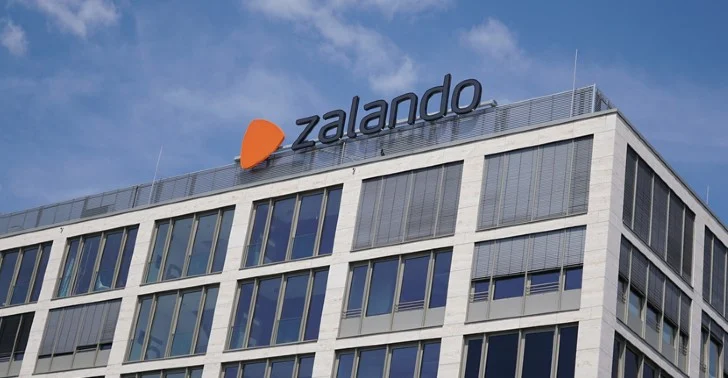
This strategic pivot marks a fundamental shift for the Berlin-based fashion giant. By moving beyond its traditional model of housing inventory within its own logistics network or through standard marketplace partnerships, Zalando is positioning itself as a comprehensive "shopping gateway." The introduction of Zalando Extended, highlighted during the company’s Q3 financial results, represents a long-term vision to capture a larger share of consumer spending by aggregating products from across the internet into a singular, cohesive mobile experience.
The Evolution of the Zalando Marketplace Model
For fifteen years, Zalando has steadily moved away from being a pure-play online retailer toward functioning as a multi-layered ecosystem. Historically, the company operated as a traditional merchant, buying inventory and reselling it. Over the last decade, however, the Partner Program—which allows third-party brands to sell directly on Zalando—has become the primary engine of the group’s growth.
The latest financial data underscores this transition. Third-party sellers now account for 33.6 percent of the Zalando Group’s B2C gross merchandise volume (GMV), a significant increase from 30.7 percent in the previous year. While the company’s first-party retail business experienced a modest 3 percent growth during the third quarter, the third-party marketplace segment surged by 18 percent. This divergence in performance suggests that the future of Zalando lies not in holding more stock, but in facilitating more transactions for others.
Understanding Zalando Extended: The Future of Frictionless Shopping
Zalando Extended is designed to bridge the gap between discovery and transaction for products that Zalando does not directly manage. Currently, the system is in its nascent stage, with high-end home goods retailer Westwing serving as the pilot partner.
Under the current setup, customers can discover Westwing products within the Zalando app. However, the purchase journey remains fragmented; clicking on an item redirects the user to the Westwing website to finalize the checkout. This experience is a temporary bridge to a more sophisticated, AI-driven future.
By 2027, Zalando intends to deploy an AI-powered shopping agent capable of executing transactions on behalf of the user without them ever leaving the Zalando app environment. The agent will handle the backend communication with the external retailer’s platform, effectively masking the technical complexity of the purchase from the consumer. This "zero-friction" approach is intended to increase conversion rates, as users are historically less likely to complete a purchase if they are forced to navigate through multiple sign-up or checkout pages on external, unfamiliar websites.
Strategic Implications and Revenue Streams
The financial architecture of Zalando Extended relies on two primary revenue drivers: commissions and retail media.
CFO Anna Dimitrova confirmed during the company’s Q3 earnings call that Zalando will capture a commission on every sale facilitated through the Extended service. While the specific rates remain confidential, the model allows Zalando to monetize traffic without the associated costs of warehousing, inventory management, or last-mile delivery for these external goods.
The second, and potentially more lucrative, pillar is retail media. By integrating external shops into its ecosystem, Zalando creates a massive new inventory of advertising space. Participating retailers will be able to purchase sponsored placements within the Zalando app, leveraging the company’s vast user base and proprietary fashion-focused data. For smaller retailers or those with niche inventories, this provides an immediate pathway to millions of potential customers without requiring them to overhaul their existing technical or logistical infrastructure.
A Pivot Toward B2B as a Core Growth Pillar
The success of the broader ecosystem is increasingly tied to Zalando’s B2B division, which has become a standout performer in the company’s portfolio. In the third quarter, the group reported a 5.1 percent revenue increase to 3.17 billion euros, with an adjusted EBIT of 107 million euros.
Notably, 42 million euros of that profit—nearly 40 percent of the total—originated from the B2B division. With a growth rate of 27.9 percent, the B2B segment is significantly outpacing the core consumer-facing retail business. This division, bolstered by the integration of the acquired About You assets, provides the infrastructure, logistics, and technology for other brands to operate their own e-commerce channels. Zalando Extended is the logical evolution of this B2B strategy, as it effectively merges the company’s consumer-facing front end with its powerful B2B technological backbone.
Market Context and Future Challenges
Zalando’s decision to move toward an "internet-wide" catalog comes at a time when the fashion e-commerce sector faces significant headwinds. Declining gross margins across the industry have forced platforms to look for alternative, high-margin revenue streams. By acting as an intermediary, Zalando is attempting to insulate itself from the volatility of inventory-heavy retail.
The challenges for this model are primarily technical and logistical. Integrating the product catalogs and checkout APIs of hundreds or thousands of external retailers is a monumental task. Furthermore, maintaining a consistent customer experience—ranging from product search quality to secure payment processing and potential returns—will require a level of AI precision that the company has yet to demonstrate at scale.
There are also questions regarding the "walled garden" approach. While the convenience of a single app is appealing to consumers, the success of the initiative depends on whether third-party retailers are willing to sacrifice their own brand direct-to-consumer (DTC) relationships in exchange for the reach offered by Zalando. For retailers like Westwing, the value proposition is clear: exposure to Zalando’s 28-country footprint without the need for complex, manual integration.
The Road Ahead: 2027 and Beyond
Zalando’s leadership has framed this transition as a way to "open up an ever-growing range of products from shops across the internet." The initial focus on "complex categories" like bulky home goods suggests a strategic choice to target segments where logistics are difficult and standard marketplace models have historically struggled. By using AI to handle the purchase, Zalando removes the barrier of entry for these retailers.
As the company prepares for an international rollout, the market will be watching closely to see if this model can be replicated outside of Germany. If successful, Zalando Extended could fundamentally alter the online shopping landscape, turning the fashion retailer into a "super-app" for lifestyle products.
However, the company remains tight-lipped regarding the specific technical requirements for future partners and the international timeline. As it stands, the third quarter of 2026 has served as a proof-of-concept phase. The next 18 to 24 months will be critical in determining whether Zalando can move beyond its origins as a clothing store and successfully establish itself as the primary digital infrastructure for European e-commerce.
For investors, the shift is clear: the focus is no longer on how many garments Zalando can move through its warehouses, but on how many transactions it can facilitate through its software. As the company continues to refine its AI capabilities and expand its partner network, the definition of a "fashion retailer" is being rewritten in real-time, with Zalando at the forefront of this digital evolution.