Website Marketing in 2026: Why the Customer Journey Now Happens Beyond Your Domain


The paradigm of digital marketing has shifted irrevocably. For decades, the foundational playbook of website marketing was straightforward: build a high-performing digital storefront, optimize it for search engines, drive traffic through targeted campaigns, and convert visitors into customers on your own domain. While the corporate website remains the critical terminal point for transactions and deep engagement, industry data shows that the vast majority of the modern consumer journey now transpires across a fragmented ecosystem of external digital touchpoints.
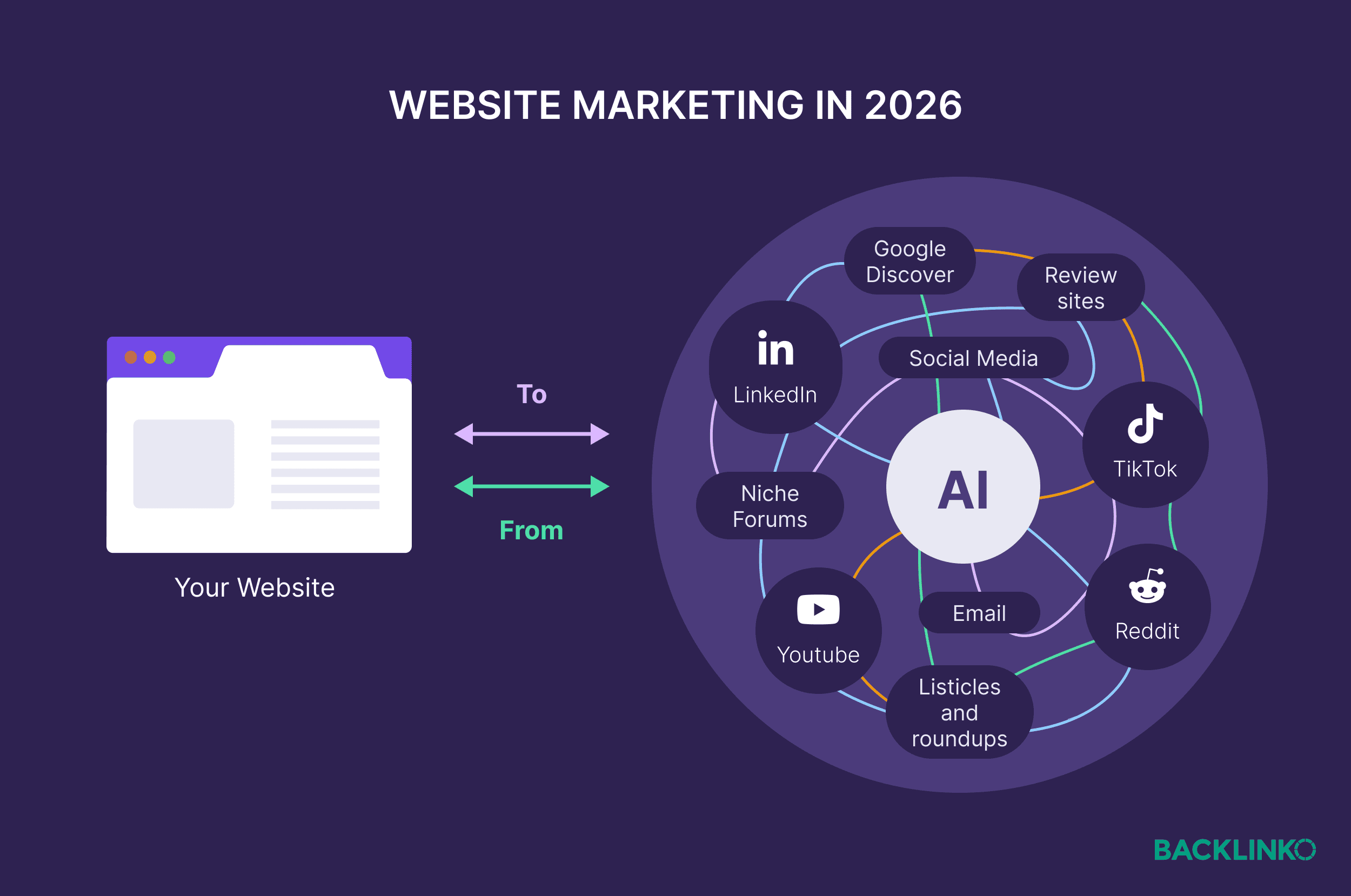
By the time a prospective buyer reaches a commercial website today, they have typically already consulted a constellation of external sources. Artificial intelligence answer engines, peer-to-peer discussion forums like Reddit, and decentralized social media channels have fundamentally preempted traditional discovery phases. According to recent market research from Clutch, more than 65% of enterprise and consumer buyers utilize generative AI tools to research products, services, and vendor reputations before ever navigating to a brand’s official web property. Consequently, prospective customers arrive with deeply ingrained perceptions, heavily influenced by third-party narratives and algorithmic summaries.
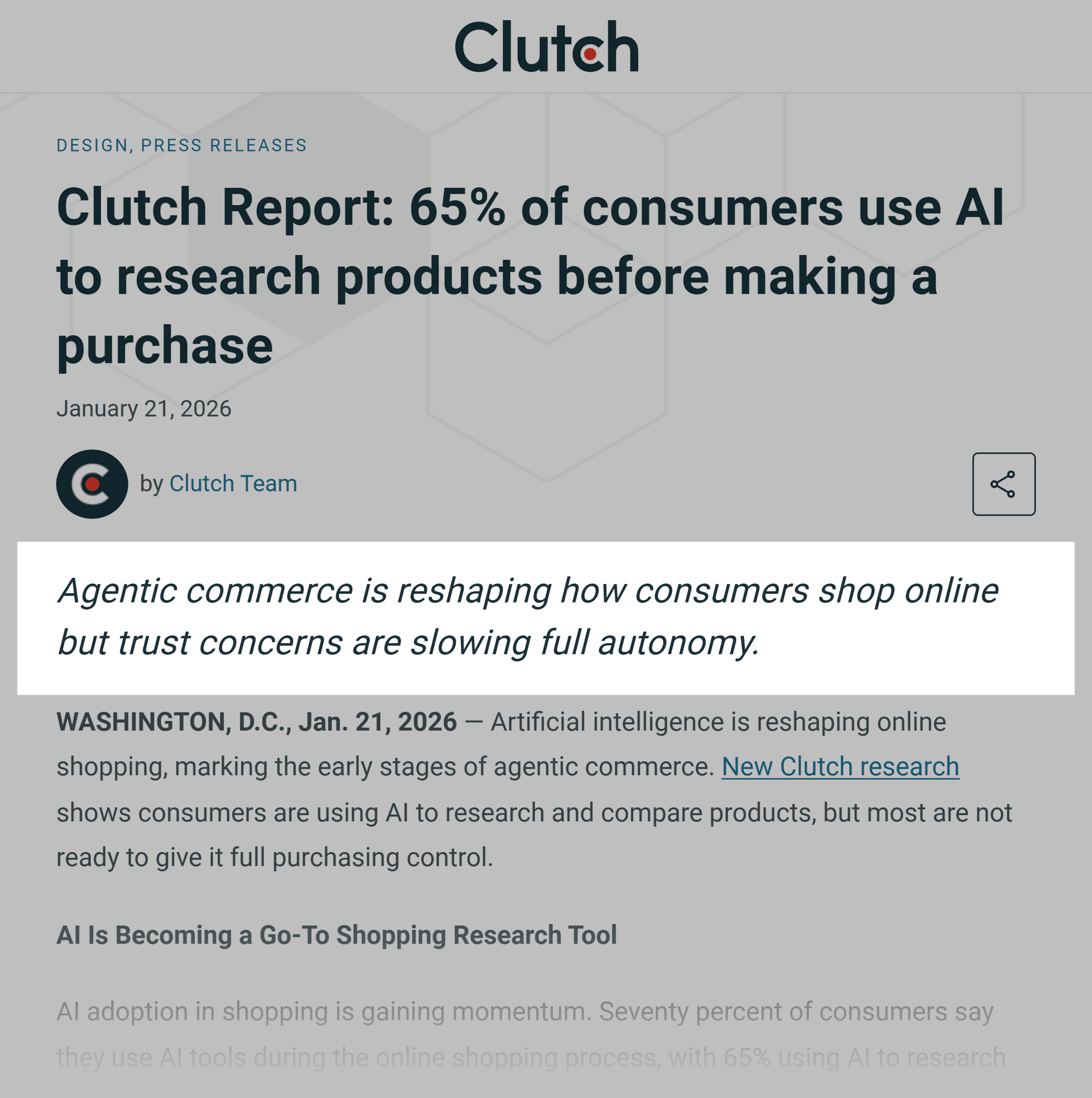
This market transformation has forced digital strategists to abandon insular optimization tactics. Visibility and credibility must now be systematically engineered across the entire digital landscape to ensure that when an AI model or a prospective buyer evaluates a brand, the contextual narrative is accurate, authoritative, and compelling.

The Evolution of Brand Discovery and Algorithmic Perception
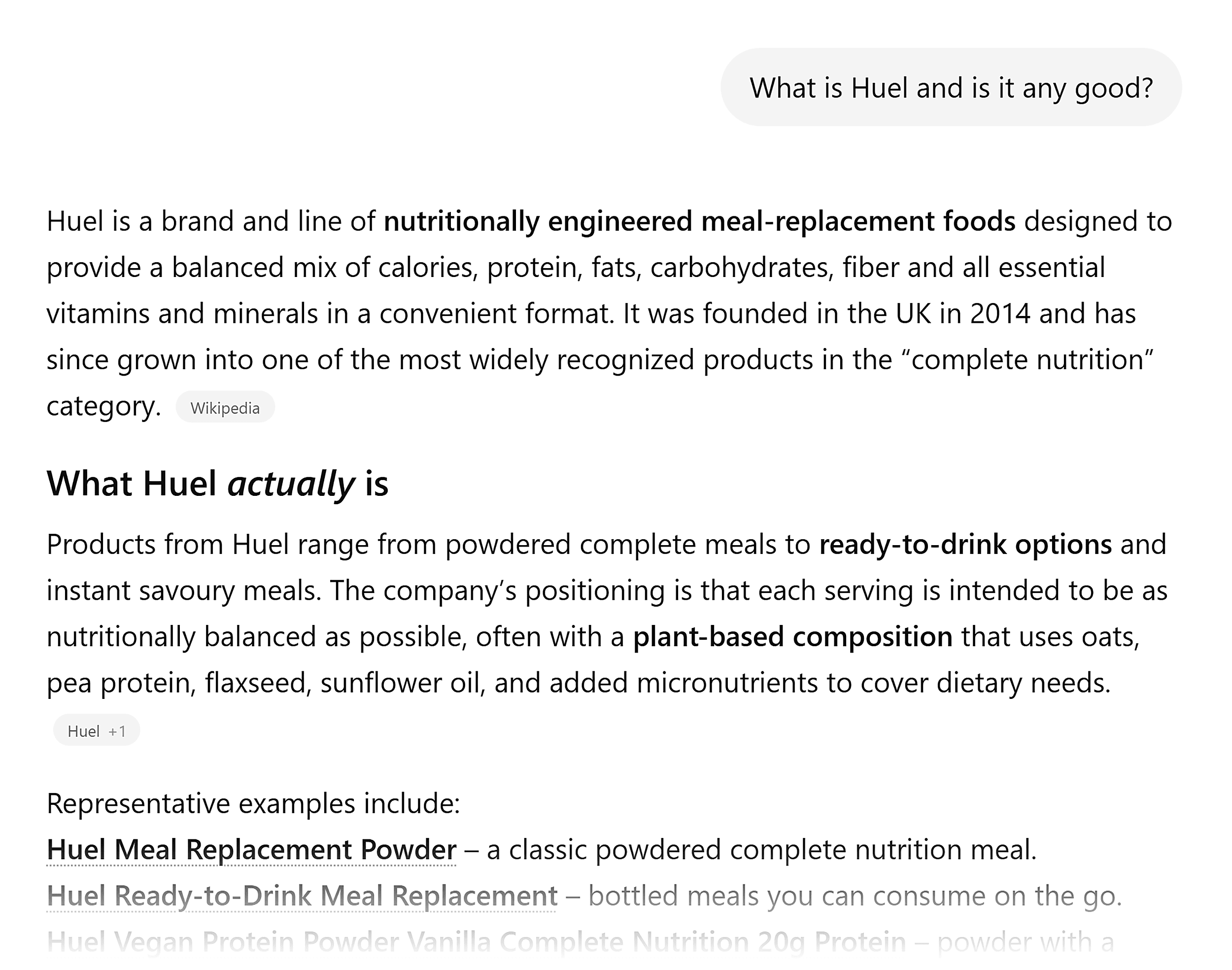
The proliferation of large language models (LLMs) and conversational search interfaces has changed how information is indexed and retrieved. In the past, search engine optimization (SEO) relied heavily on keyword density, backlink profiles, and technical site architecture. While these elements remain necessary foundational components, they are no longer sufficient. Modern search and discovery engines synthesize data from across the web, pulling opinions from product review sites, niche forums, social media commentary, and syndicated news articles to construct a synthesized view of a brand.

To successfully navigate this ecosystem, organizations are adopting a holistic messaging strategy designed to influence not just human readers, but the training data and real-time retrieval parameters of AI engines. This requires establishing a codified brand messaging document—a centralized repository of company positioning, core values, and specific problem-solving claims. When sales teams, executives, public relations partners, and external content creators consistently repeat precise phrasing across multiple platforms, that semantic association solidifies within LLM databases.
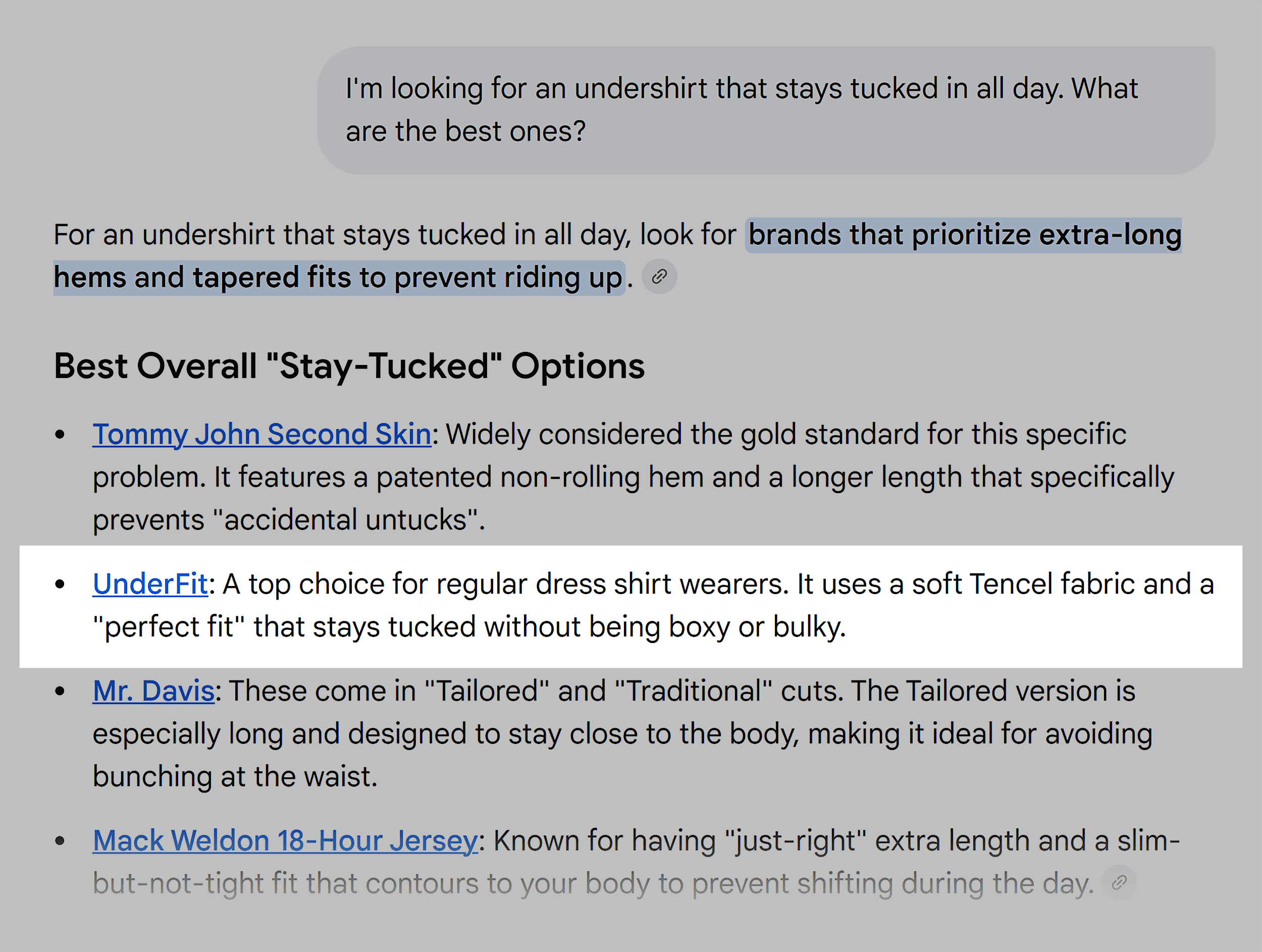
Industry case studies illustrate the efficacy of this approach. Brands that maintain strict consistency regarding their primary product benefits across off-site reviews, community discussions, and owned channels frequently dominate conversational search outputs in AI-driven discovery tools. Conversely, companies that neglect their off-site digital footprint risk ceding narrative control to unverified third-party commentary and algorithmic hallucinations.
Structuring Digital Infrastructure for Dual Audiences
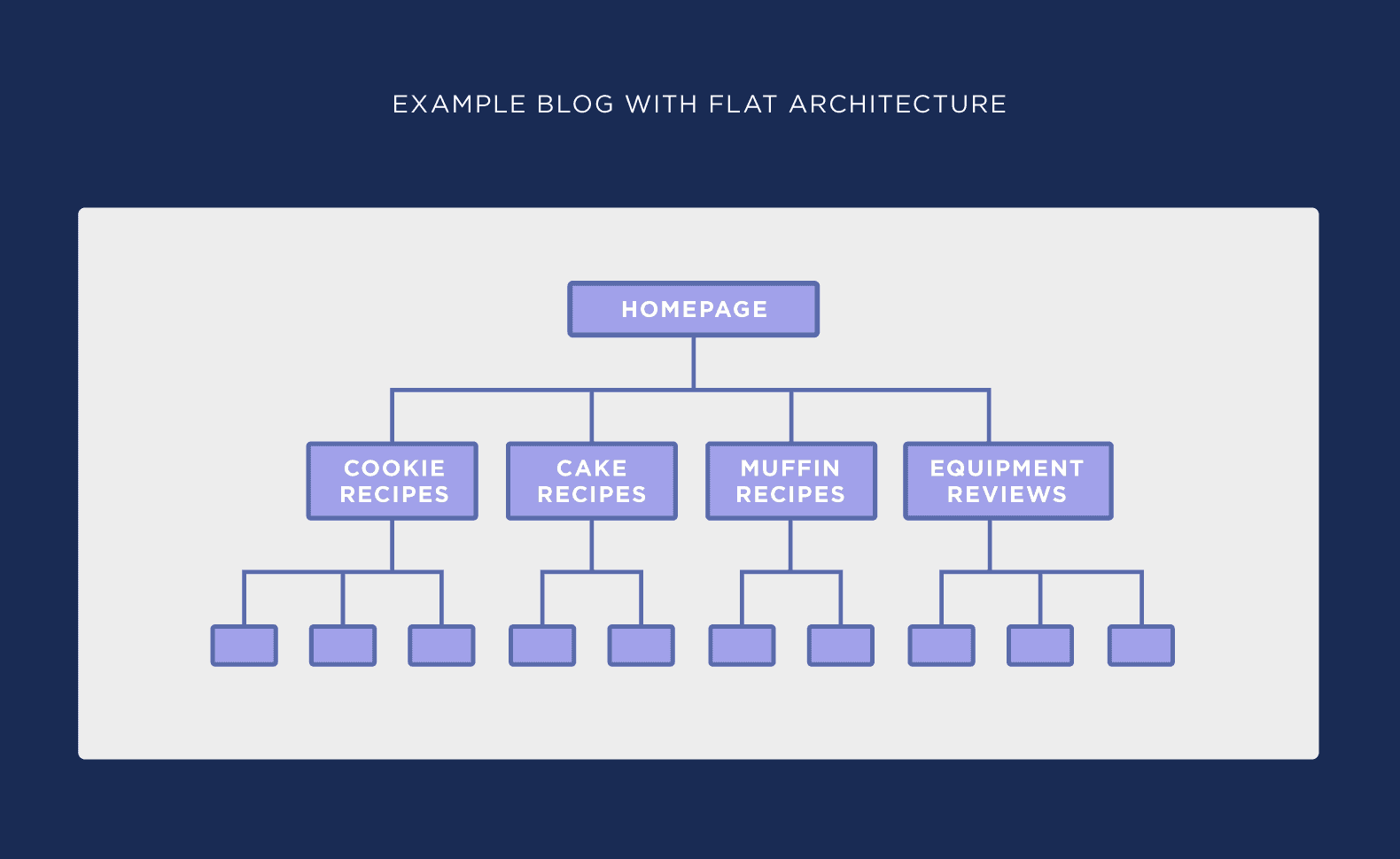
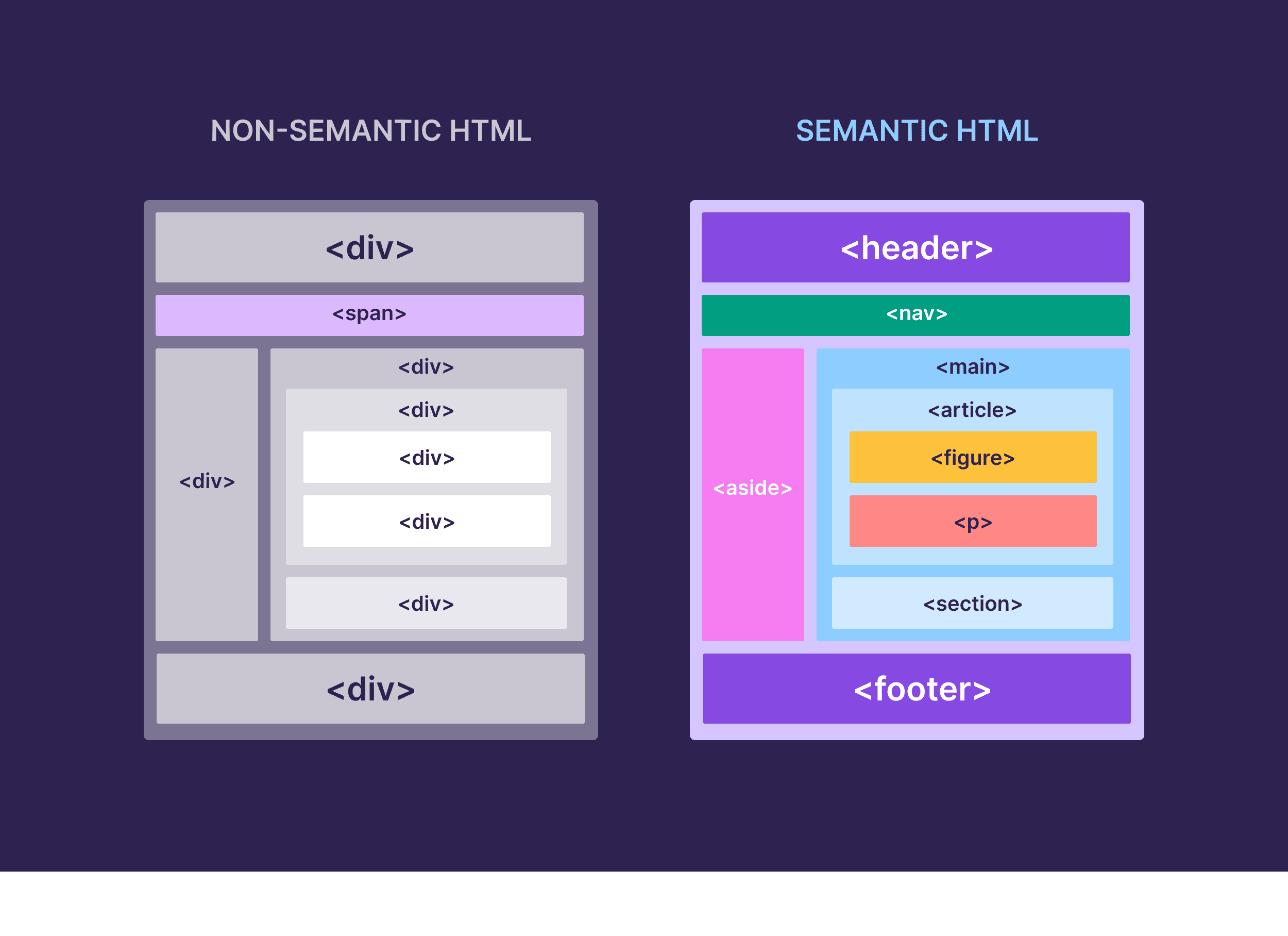
While external visibility drives initial brand awareness, the corporate website must be meticulously architected to satisfy both human users and automated parsing tools. Modern web architecture requires a flat, logical hierarchy that allows search crawlers and AI agents to efficiently traverse and index content. Semantic HTML—utilizing proper heading tags, unordered lists, and distinct section elements—provides the structural clarity necessary for machines to comprehend content relationships and contextual relevance.
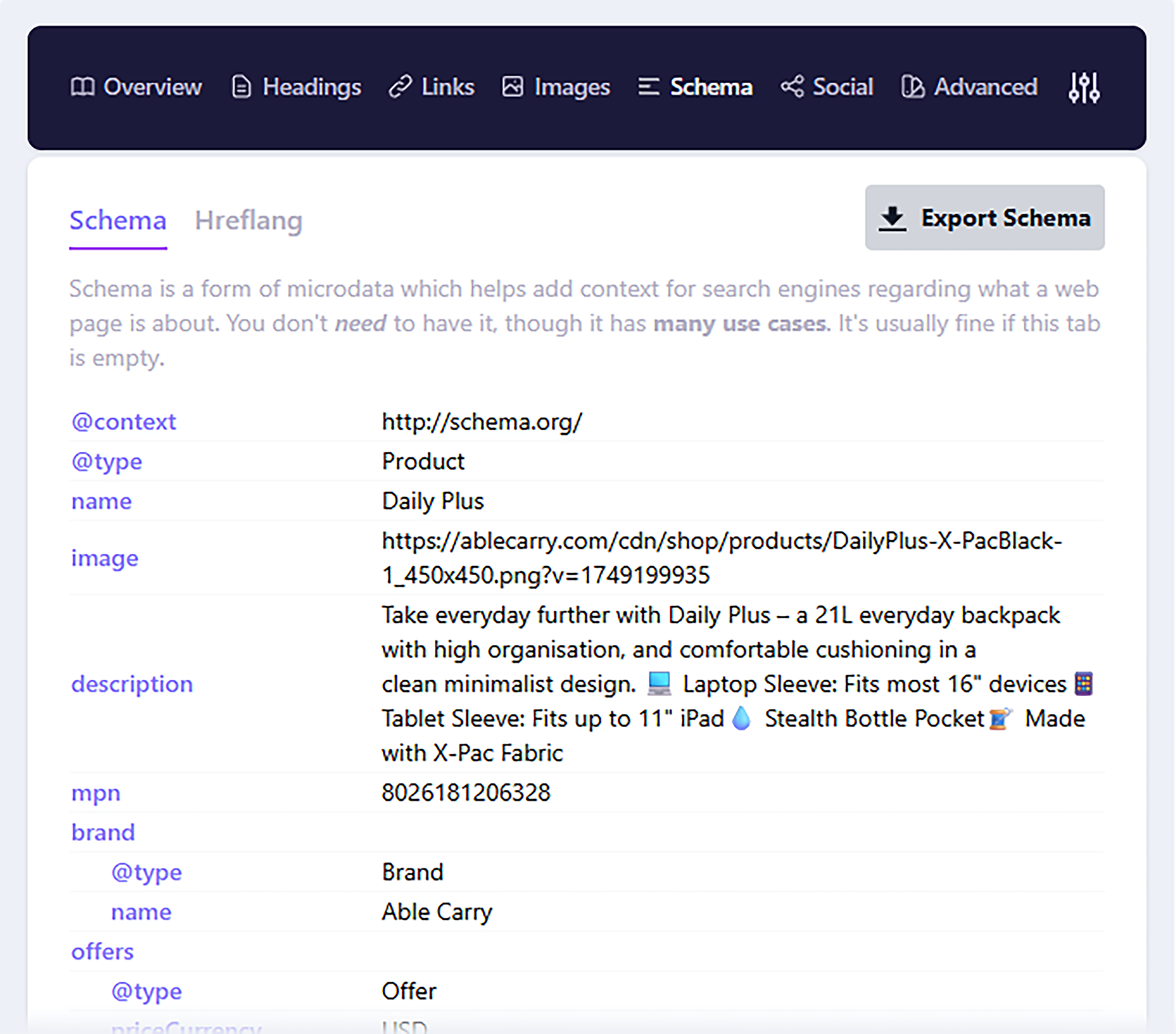
Furthermore, technical execution must align with rigorous on-page optimization standards. Page speed, mobile responsiveness, and cleanly implemented schema markup are mandatory baseline requirements. Structured data enables search engines to accurately categorize product specifications, organizational entities, author credentials, and customer reviews, thereby increasing the probability of inclusion in rich snippets and generative search overviews.

Beyond code-level optimizations, information architecture must prioritize scannability. Contemporary users, accustomed to receiving immediate answers from AI assistants, exhibit low tolerance for convoluted site navigation or opaque value propositions. High-intent traffic requires frictionless pathways to conversion, minimizing cognitive load through clear headings, bulleted summaries, and easily digestible data tables.
The Amplification of Credibility Through Evidence and Human-Centric Leadership
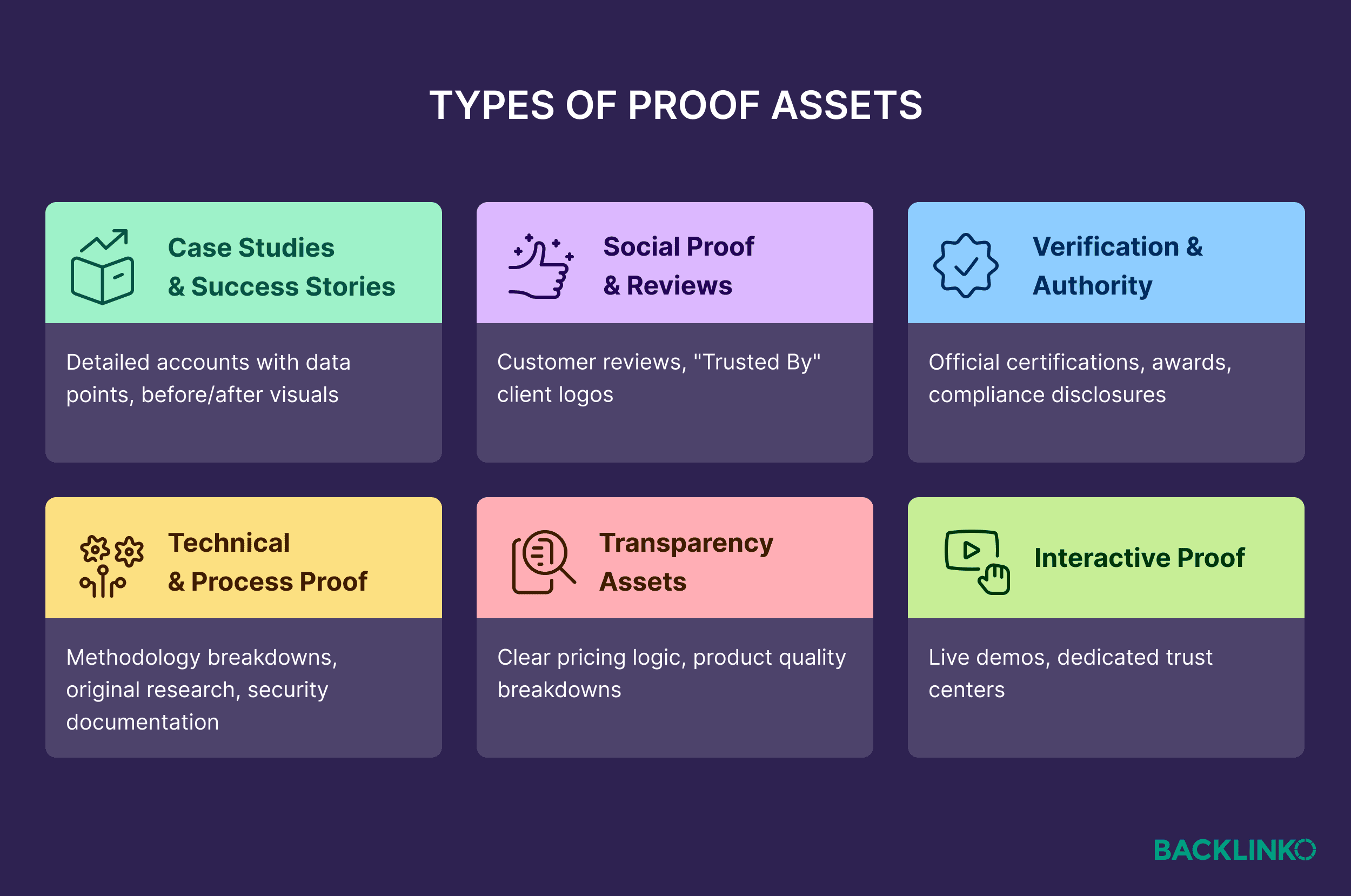
As AI-generated text saturates the digital landscape, authenticity has emerged as a premium commercial asset. Consumers and enterprise procurement teams increasingly demand tangible proof to substantiate marketing claims. Consequently, the publication and strategic surfacing of verified proof assets—such as empirical case studies, third-party security certifications, verifiable uptime data, and granular product quality disclosures—have become central pillars of website marketing.
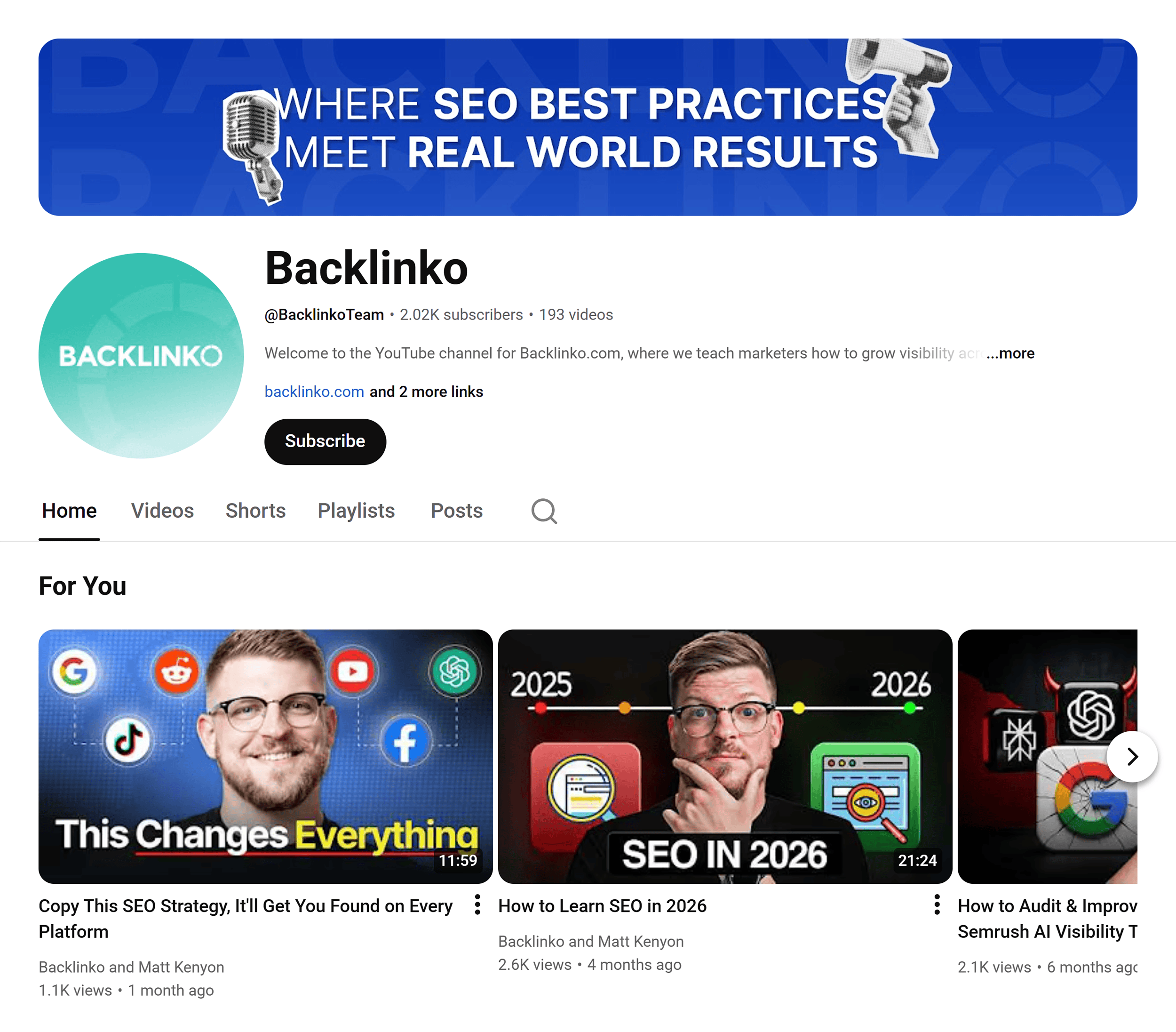
Market analysis indicates that buyer skepticism is particularly pronounced in high-stakes sectors such as financial technology, healthcare, and enterprise software. To mitigate this friction, organizations are increasingly placing recognizable human faces and distinct personalities at the forefront of their brand strategies. Thought leadership initiatives, when championed by corporate founders, executives, or subject-matter experts, humanize corporate entities and establish emotional resonance.
This human-centric approach extends beyond executive branding to encompass employee advocacy. When internal experts actively participate in industry discussions, contribute to technical panels, and publish original insights on professional networks, they scale the organization’s authority. Crucially, these individual profiles must maintain an explicit, transparent association with the corporate brand, ensuring that personal thought leadership directly reinforces commercial equity.

Navigating the Zero-Click Ecosystem and Behavioral Engagement
The rise of zero-click search results—where users extract immediate answers from search engine result pages or AI summaries without visiting a source website—places an unprecedented premium on conversion rate optimization (CRO) and post-visit engagement strategies. Because incoming traffic is often pre-educated and further along the buyer’s journey, conversion funnels must be ruthlessly streamlined.

Digital strategists are actively auditing their web properties to eradicate friction and anxiety. Friction, manifested through slow load times or complex checkout forms, actively repels motivated buyers. Anxiety, driven by ambiguous pricing, insufficient trust signals, or a lack of compliance documentation, induces hesitation. By systematically resolving these barriers, particularly on high-intent landing pages such as pricing calculators, product showcases, and demo request forms, organizations maximize revenue per visitor.
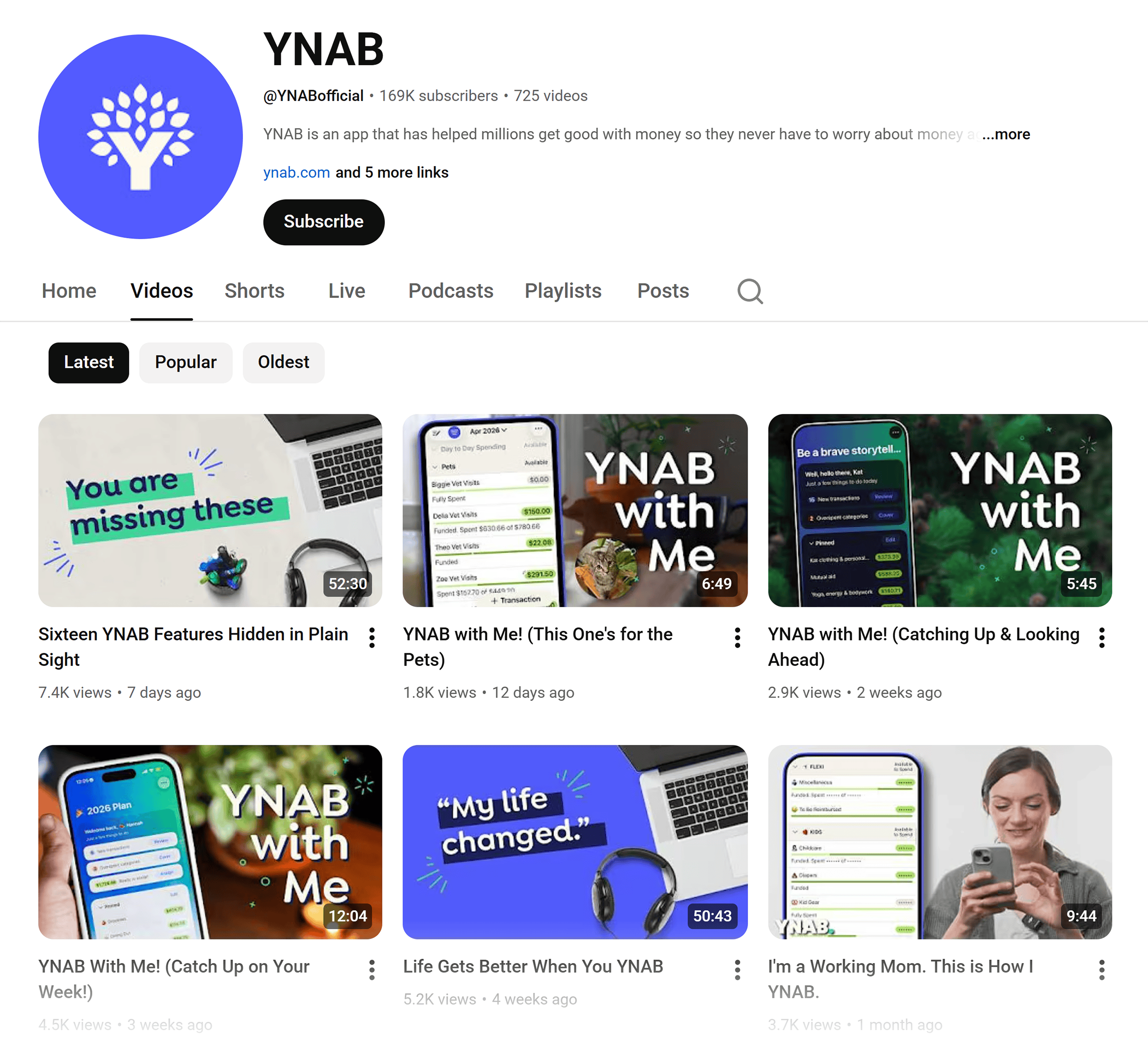
To sustain momentum after a user departs a website, forward-thinking brands employ sophisticated behavioral targeting via email automation. Rather than relying on static drip campaigns, modern email workflows are triggered dynamically by specific on-site actions, such as cart abandonment, recurring visits to enterprise pricing pages, or post-purchase milestones. By delivering hyper-relevant, timely follow-up content—such as targeted case studies or personalized incentives—brands leverage psychological principles like reciprocity to convert latent interest into completed transactions.
Strategic Implications for Modern Digital Strategists
The evolution of website marketing through 2026 demonstrates that isolated, domain-centric promotional tactics are no longer viable. The modern customer journey is fluid, multi-channel, and heavily mediated by algorithms and peer networks. Sustainable digital growth requires a synchronized strategy that combines rigorous technical architecture, proactive off-site reputation management, human-centric thought leadership, and data-driven conversion optimization.

Organizations that successfully adapt to this interconnected ecosystem will not only capture higher-intent traffic but will also build enduring brand equity capable of withstanding the rapid technological shifts defining the modern digital economy.