The Unseen Engine of AI Visibility: Why Query Fan-Out Redefines Content Strategy in the Age of LLMs

Content that secures a coveted first-page ranking on Google may paradoxically remain invisible to large language models (LLMs), never receiving a citation or mention. This emerging reality stems from a sophisticated background process utilized by AI systems known as "query fan-out," fundamentally reshaping the landscape of digital content visibility. As generative AI becomes an increasingly dominant interface for information retrieval, understanding and optimizing for query fan-out is no longer an optional enhancement but a strategic imperative for brands and publishers.
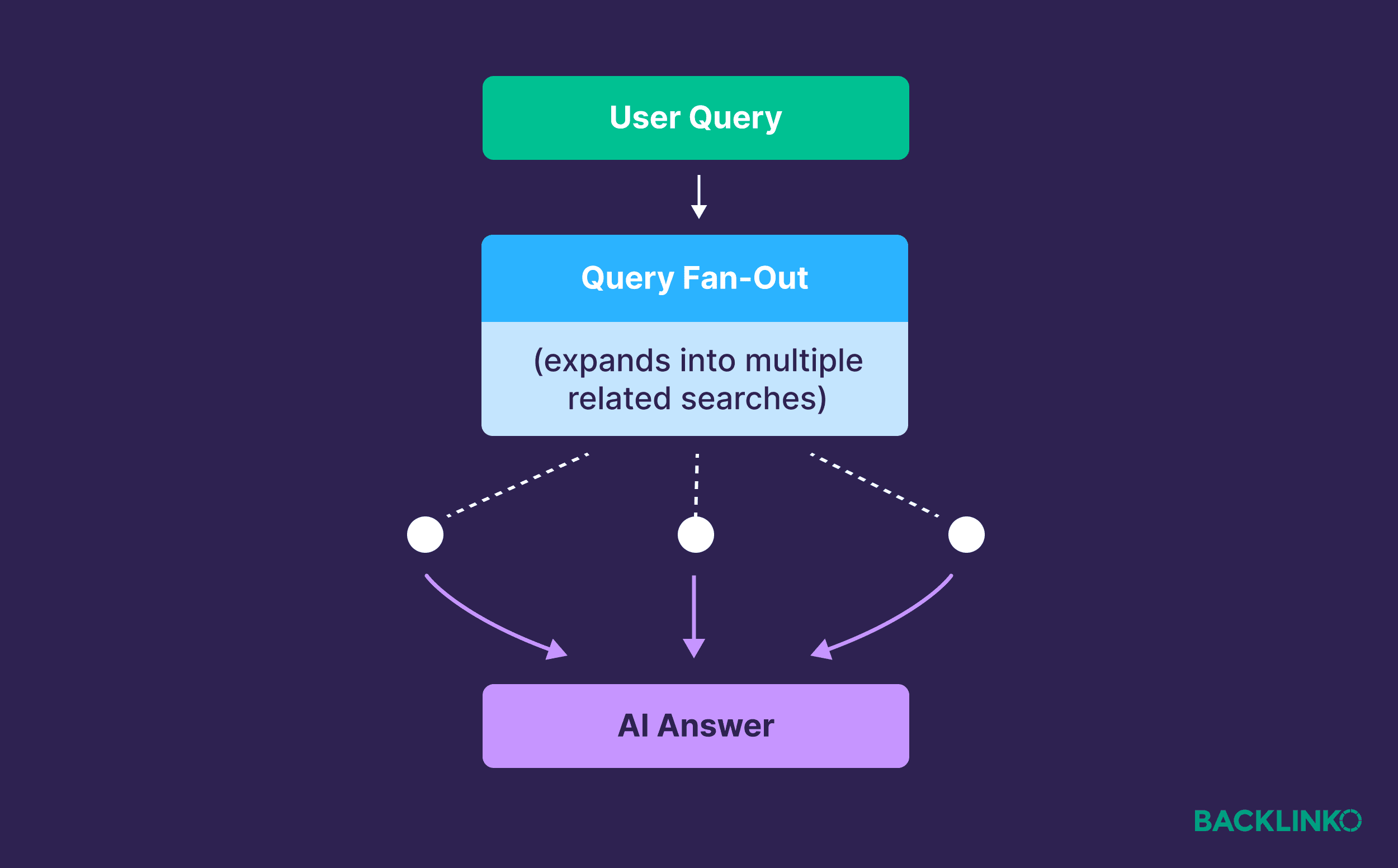
The traditional paradigm of search engine optimization (SEO) has long revolved around achieving top organic rankings for specific keywords. Marketers meticulously crafted content to satisfy Google’s algorithms, aiming for the top spots on the Search Engine Results Page (SERP) to capture user clicks. However, the advent of conversational AI tools like ChatGPT, Perplexity, and Google’s own AI Overviews and AI Mode has introduced a new layer of complexity. These systems do not merely direct users to the highest-ranking page; instead, they operate by intelligently dissecting a user’s initial prompt into a multitude of related, granular sub-queries. This "fanning out" allows AI to conduct a comprehensive, multi-faceted search across a vast array of sources, prioritizing relevance and reliability over traditional positional rankings.
The Mechanics of Query Fan-Out: A Deeper Look
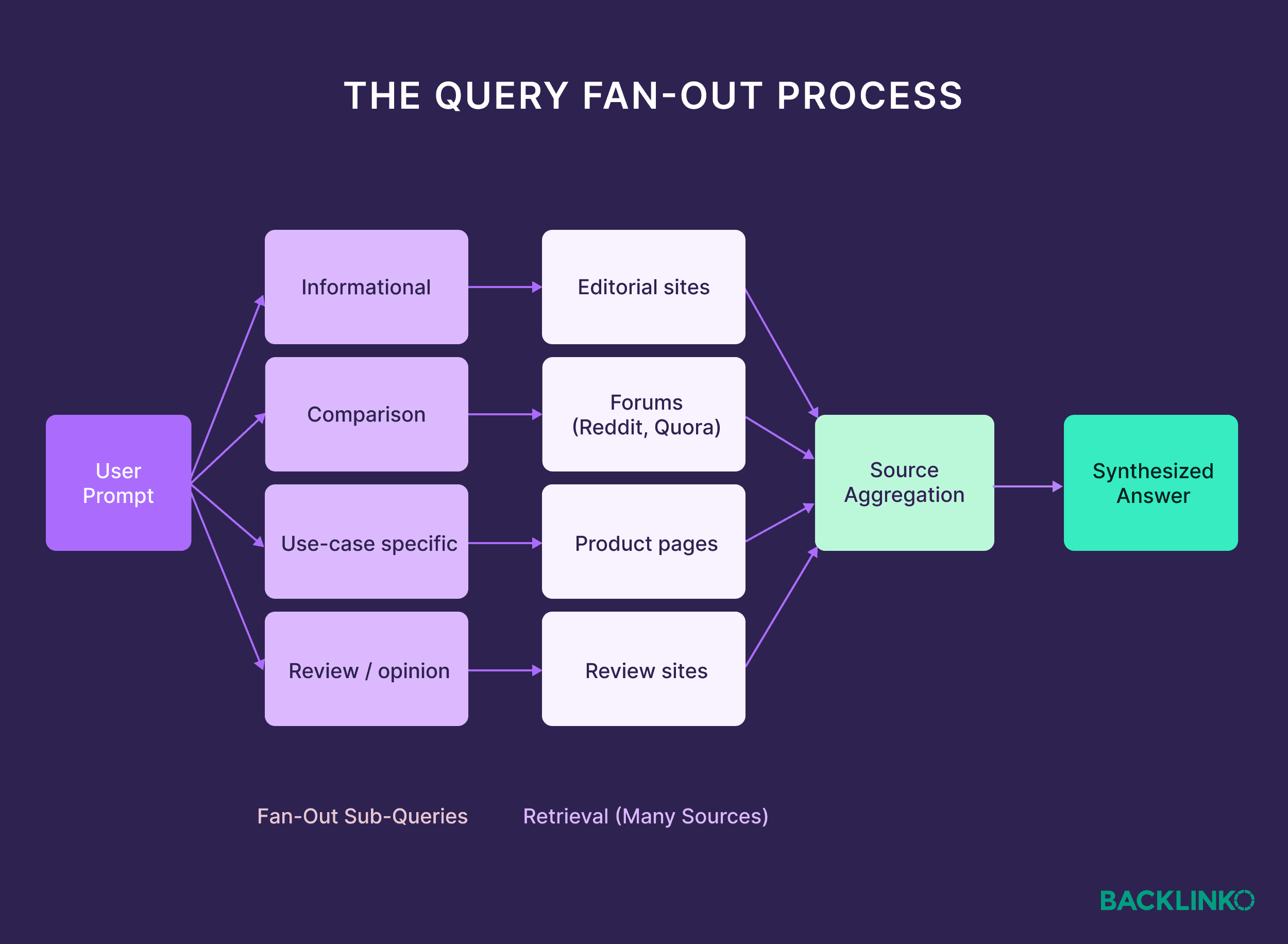
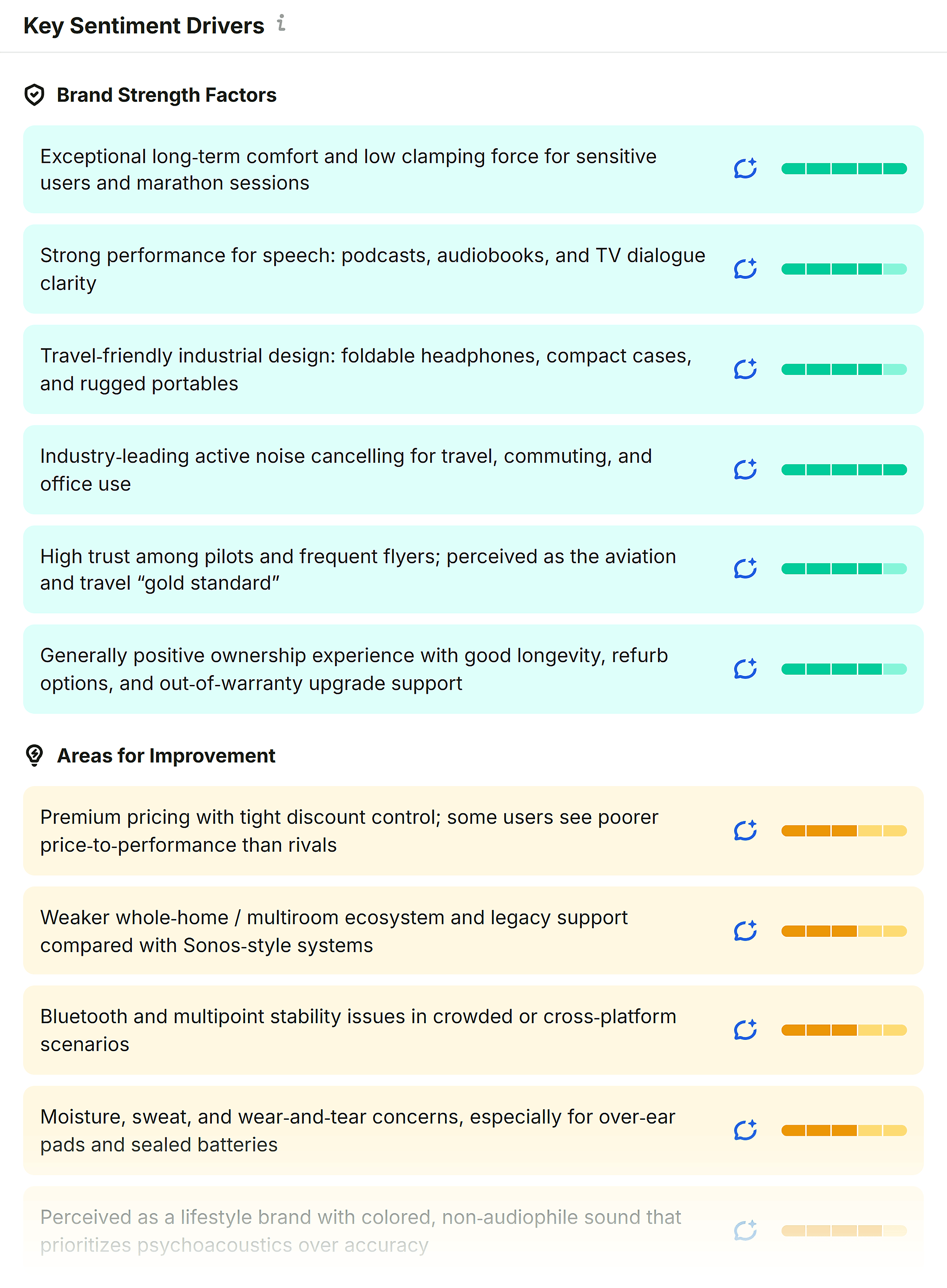
Query fan-out is an algorithmic process where an AI system breaks down a single, often broad, user query into numerous specific sub-queries. These sub-queries are then executed in parallel, drawing information from a diverse pool of sources, which can include editorial articles, academic papers, product pages, forum discussions (like Reddit threads), and comparison sites. The AI then synthesizes these disparate pieces of information into a single, cohesive, and comprehensive answer, often anticipating follow-up questions or related informational needs that the original user query did not explicitly state.
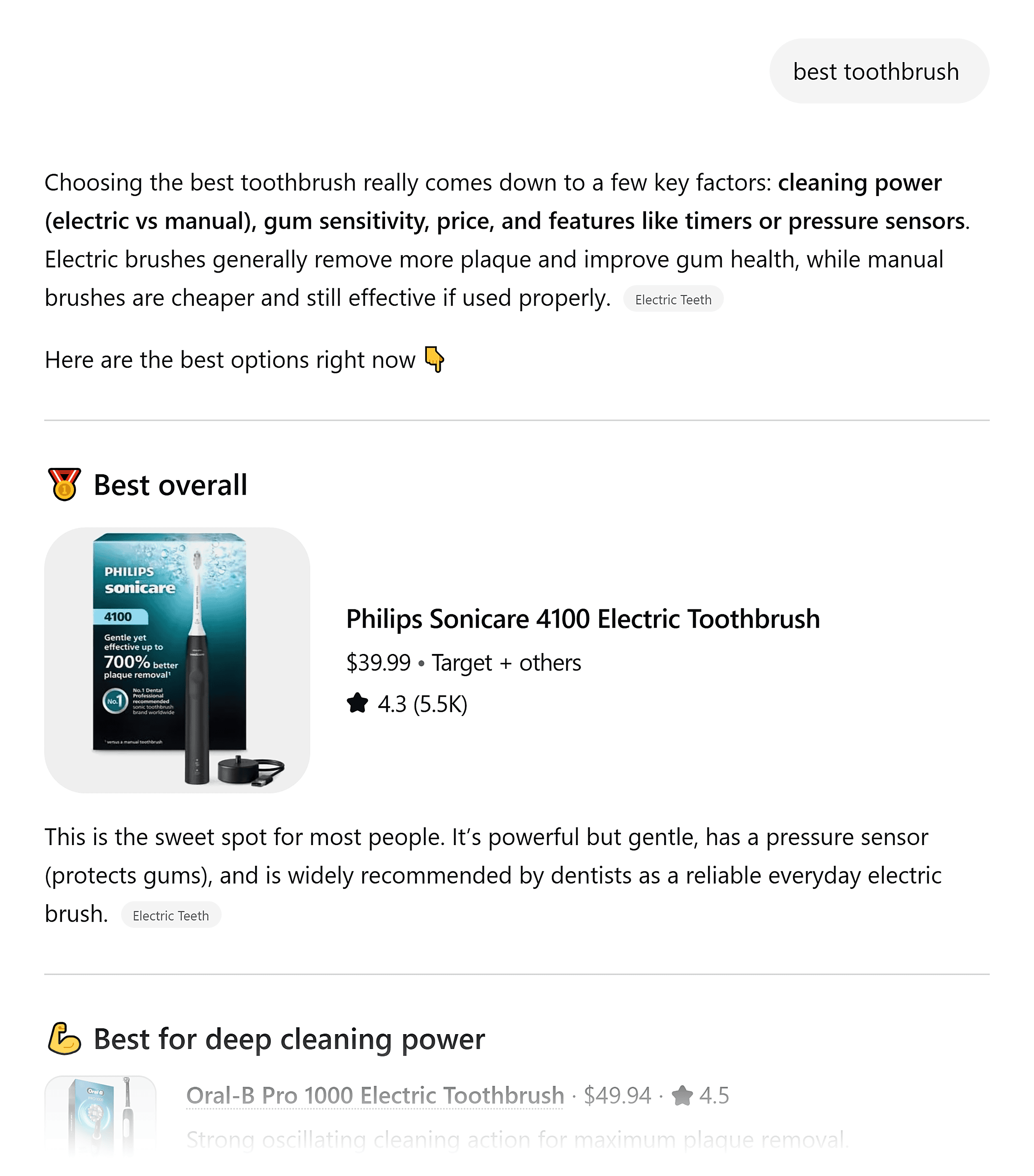
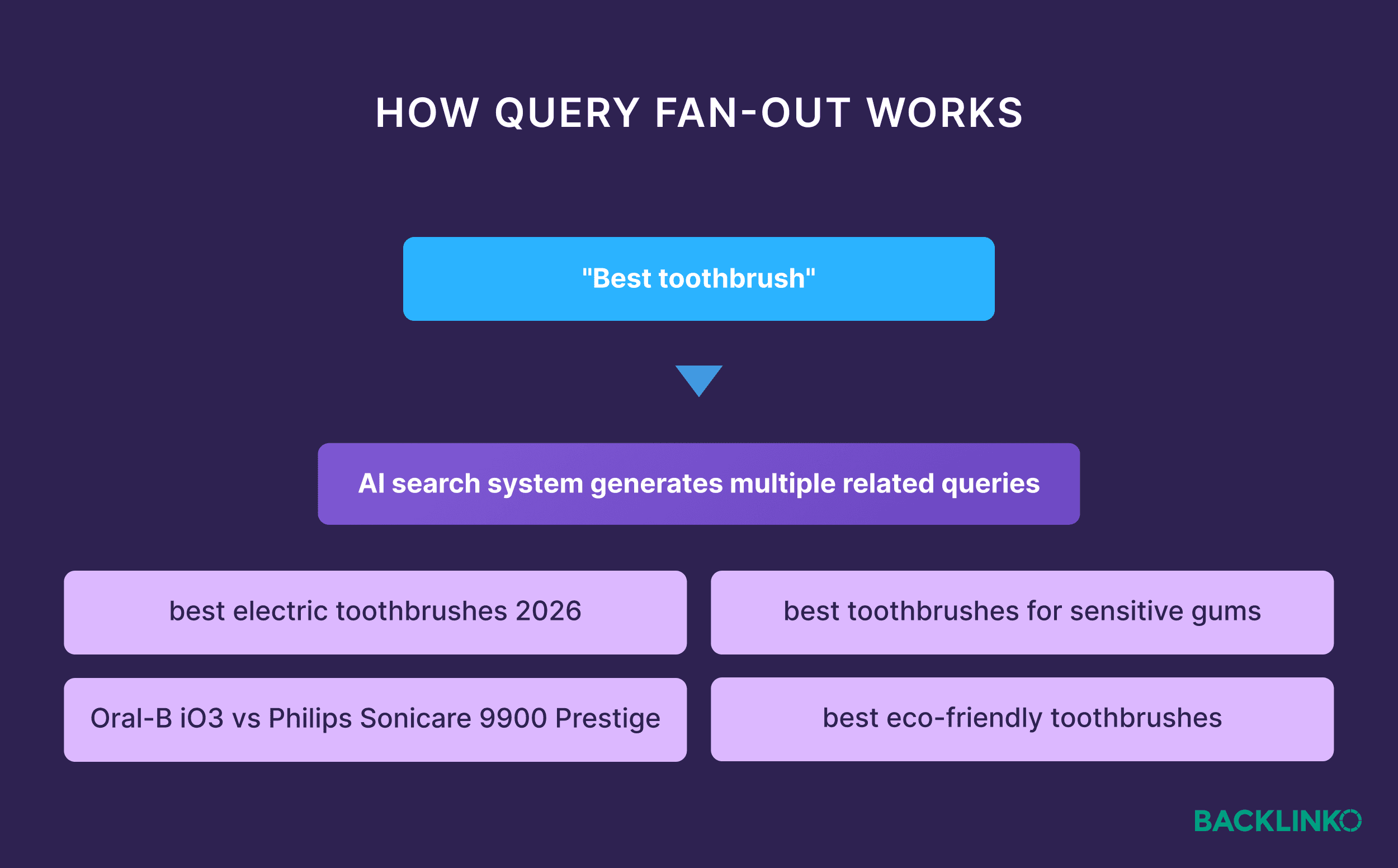
Consider a simple query such as "best toothbrush." A human user might manually search for "best electric toothbrushes," then "best toothbrushes for sensitive gums," followed by "Oral-B vs. Philips Sonicare," and perhaps "best eco-friendly toothbrushes." Query fan-out automates this entire investigative process. The AI might generate sub-queries like:
- "Top-rated electric toothbrushes [current year]" (for editorial consensus and recency)
- "Toothbrush recommendations for gum sensitivity" (for specific use-case advice)
- "Comparative analysis of leading electric toothbrush brands" (for head-to-head data)
- "Affordable and sustainable toothbrush options" (for value and niche preferences)
This simultaneous exploration allows the AI to construct an answer that is far more detailed and tailored than what a single top-ranking page could typically provide. The outcome is a holistic response covering top picks, price ranges, use-case breakdowns, and comparisons, all presented as a single, synthesized answer. This capability represents a significant evolution from the keyword-matching logic of previous search generations, moving towards a more semantic and context-aware understanding of user intent.
It’s crucial to distinguish what query fan-out is not. It is not merely a rephrasing of the original search term, nor is it exclusively focused on finding a single "best" answer. Instead, it’s about building a rich, multifaceted response from a wide array of credible information. This implies a shift from optimizing for direct keyword matches to optimizing for comprehensive topic coverage and clear, extractable information.
Why Query Fan-Out Demands a New Content Paradigm
The emergence of query fan-out as a core AI search mechanism necessitates a fundamental re-evaluation of content strategy for businesses and publishers. Several critical shifts underscore this urgency:
-
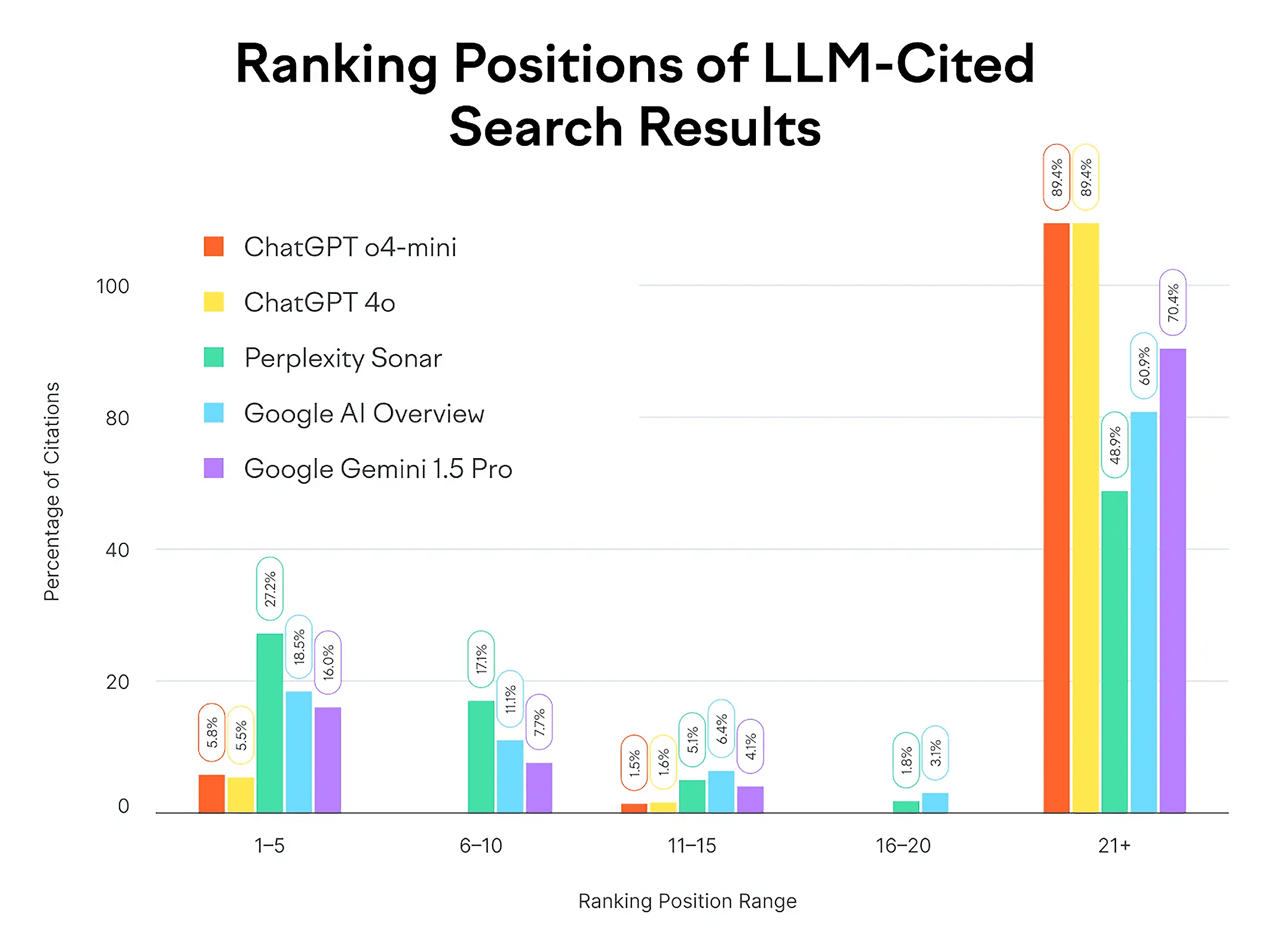
Diminished Reliance on Top Rankings for AI Citations: A seminal study by Semrush revealed that approximately 90% of ChatGPT’s citations originate from pages ranking outside the top 20 positions on traditional Google SERPs. This data challenges the long-held belief that only top-tier rankings guarantee visibility. In the AI era, "coverage" and "retrievability" supersede "position" as paramount metrics. Content that is deemed highly relevant and reliable for a specific sub-query, regardless of its overall domain authority or conventional ranking, stands a strong chance of being cited by an LLM.

-
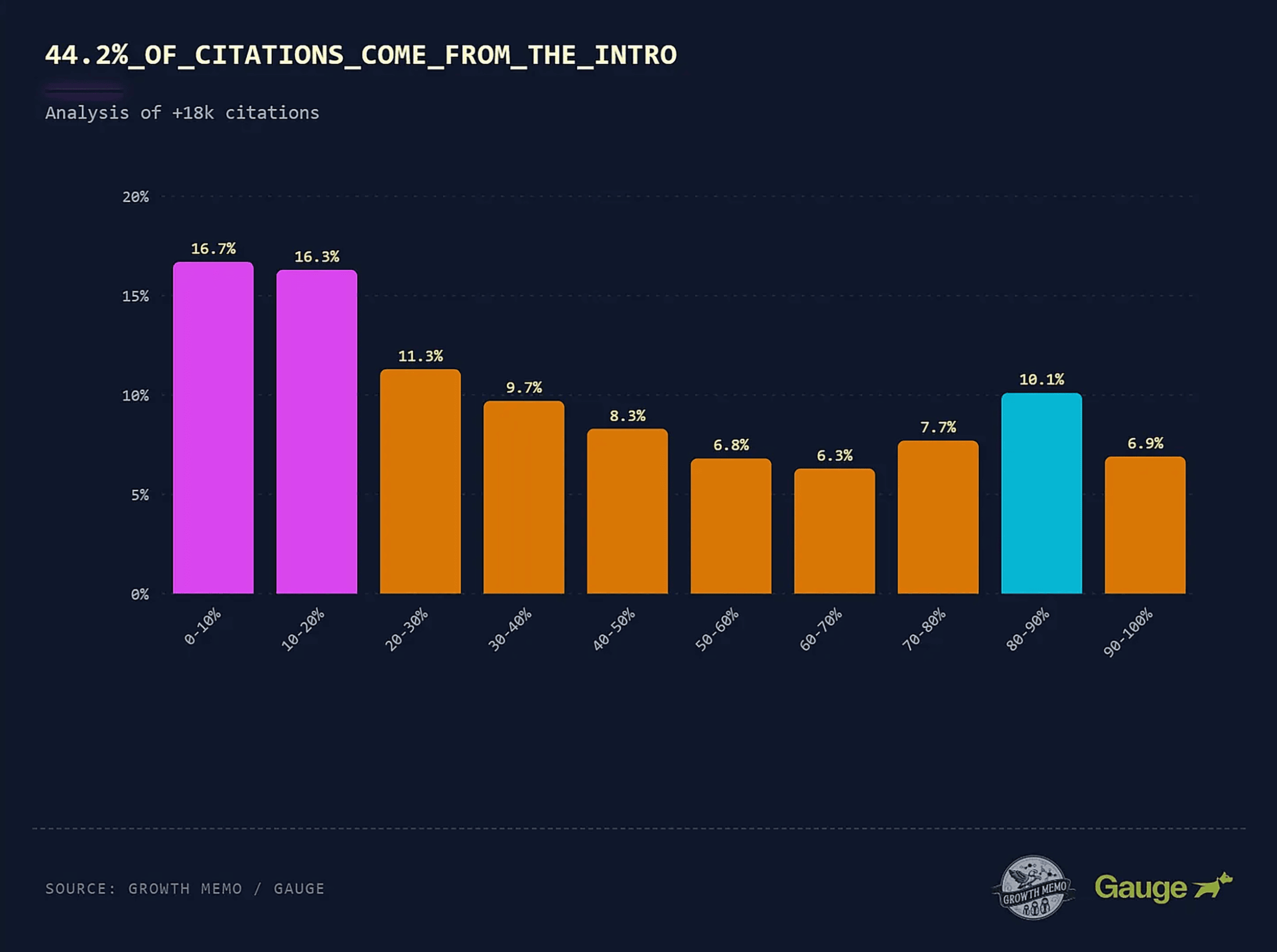
AI Retrieves Passages, Not Pages: Unlike traditional search engines that direct users to entire web pages, AI systems often scan content to extract and synthesize specific passages that directly resolve a query. This means that the conciseness and clarity of your answers within a piece of content become vital. According to an analysis by growth advisor Kevin Indig, 44.2% of citations in ChatGPT responses come from the first 30% of a page, with 31.1% from the middle, and 24.7% from the final third. This emphasizes the need to front-load critical information, ensuring that answers to potential sub-queries are immediately accessible and self-contained, rather than buried deep within lengthy articles. Content creators must think in terms of "answer blocks" that AI can easily identify and pull.

-
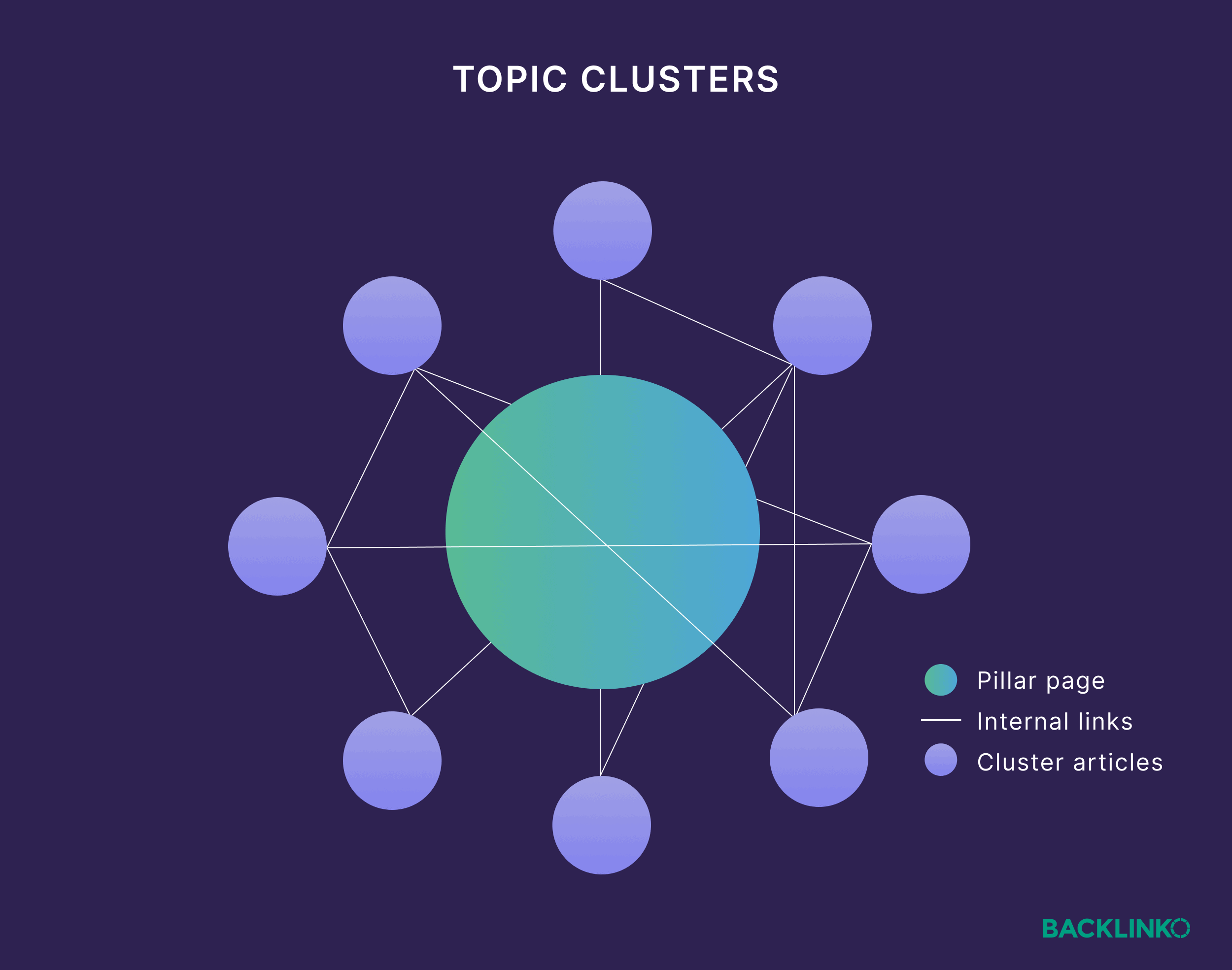
Competition Across Topics, Not Just Keywords: Traditional SEO often focuses on optimizing individual pages for specific keywords. Query fan-out, however, evaluates content based on its comprehensive coverage across an entire topic. This places a premium on "topical authority" – the depth and breadth of a website’s expertise on a subject. Strategies like developing pillar pages supported by extensive topic clusters become far more potent. By demonstrating authoritative coverage across all facets of a topic, a brand signals to AI systems that it is a highly reliable and comprehensive source, increasing the likelihood of its content being selected for a wide range of sub-queries.
-
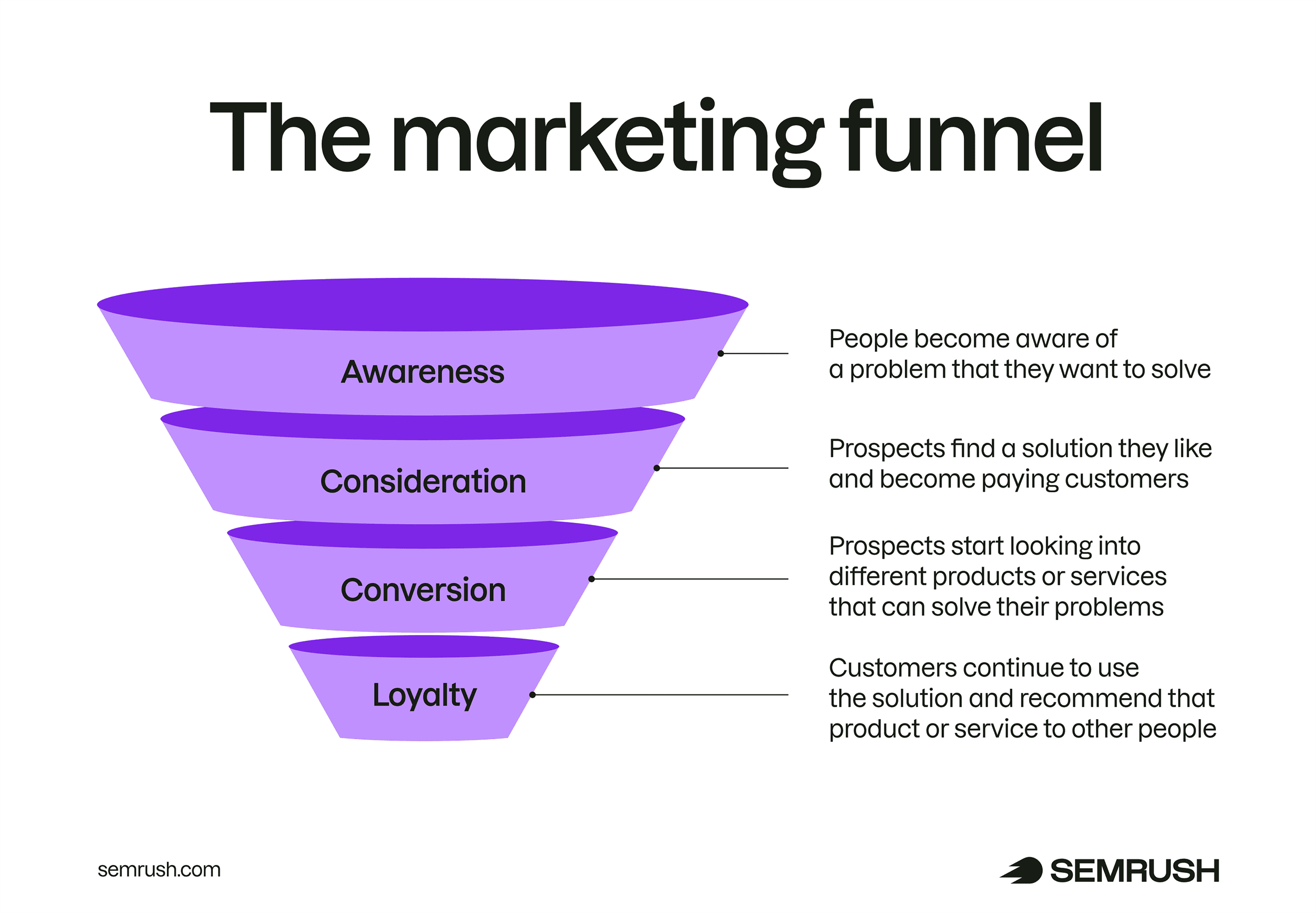
The Collapse of the Buying Journey: Marketing funnels have historically segmented content into stages like awareness, consideration, and decision. With AI, these distinct stages often collapse into a single interaction. A user’s initial, often high-intent, question can trigger an AI to fan out and pull information spanning all stages of the buyer journey – from introductory context to detailed comparisons and purchase-specific recommendations. This demands that content be adaptable and comprehensive enough to serve multiple user needs within a single AI-generated response. Brands must ensure their content effectively addresses not just what a product is, but why it’s relevant, how it compares to alternatives, and what makes it the best choice for specific scenarios.
The Query Fan-Out Workflow: A Six-Step Adaptation Strategy
To thrive in this evolving landscape, content creators and marketers must adopt a systematic approach to optimizing for query fan-out. Here is a six-step workflow designed to enhance AI visibility and secure valuable citations:
Step 1: Identify Your "Money Prompts"
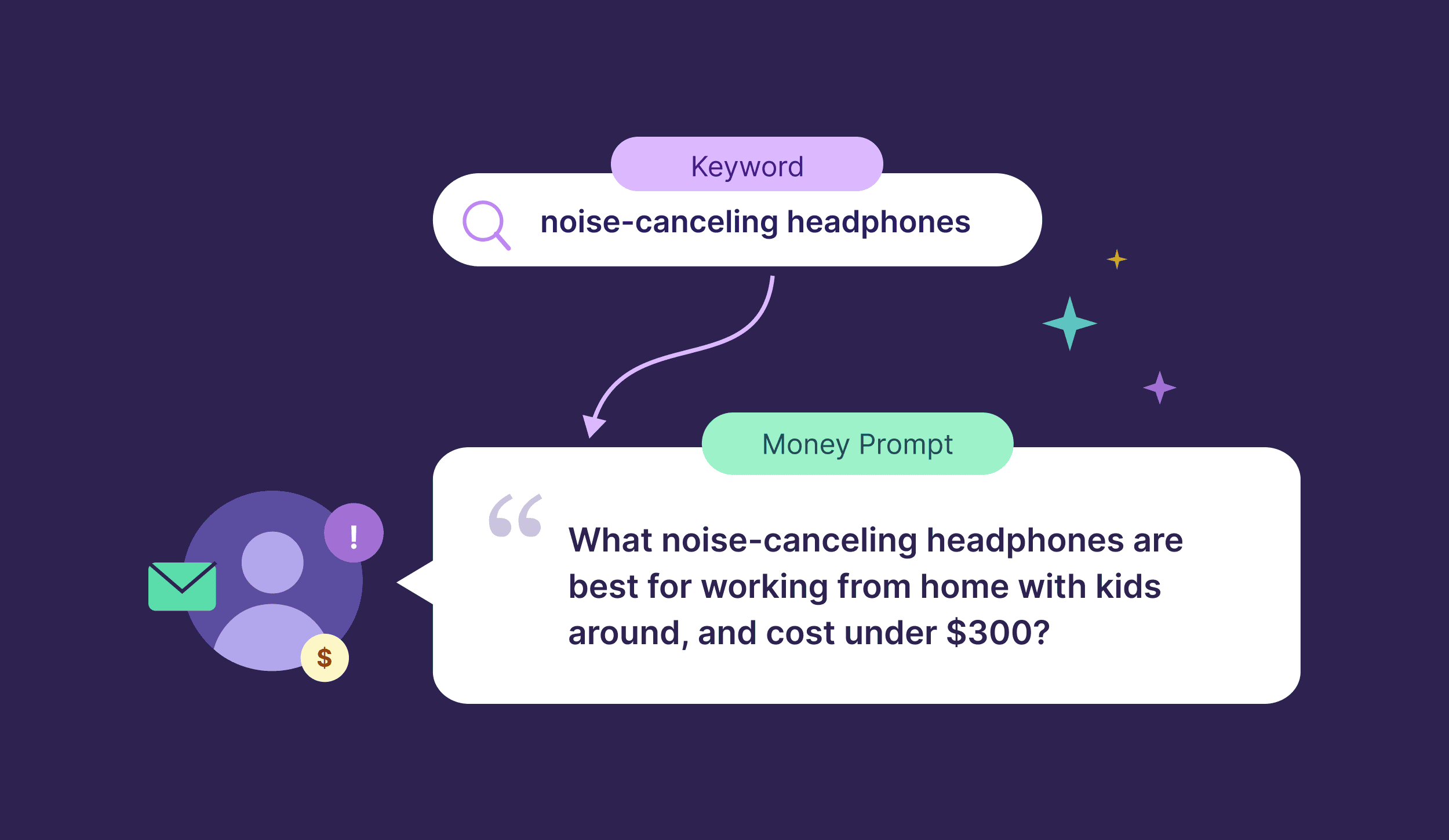
The first step involves identifying "money prompts" – conversational phrases or questions that your ideal customer would pose to an AI tool when seeking solutions your product or service provides. These are the high-commercial-intent inquiries designed to drive sales or conversions. Unlike traditional keywords, money prompts are typically longer, more nuanced, and often include specific constraints or use cases. For example, "noise-canceling headphones" is a keyword; "What noise-canceling headphones are best for working from home with kids around, and cost under $300?" is a money prompt.
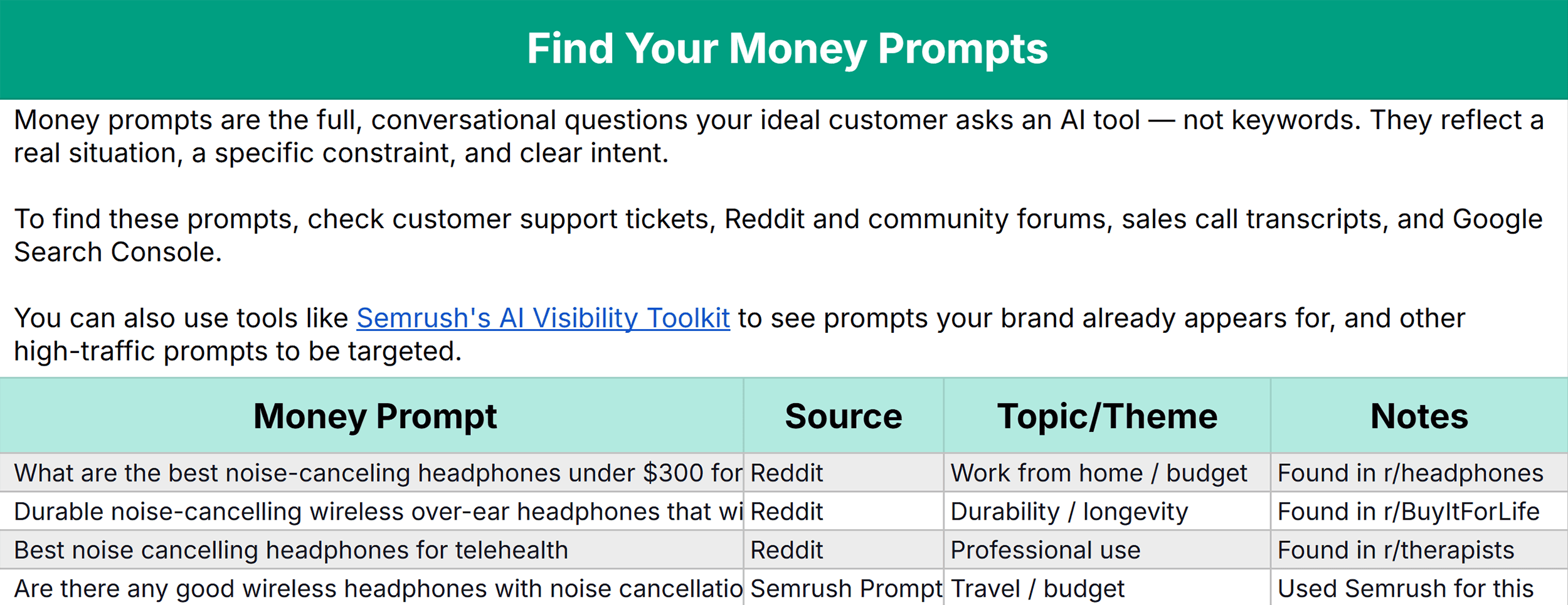
Sources for discovering money prompts include:
- Customer service interactions: Analyzing FAQs, support tickets, and direct customer inquiries.
- Community forums and social media: Platforms like Reddit are rich with real user questions and discussions.
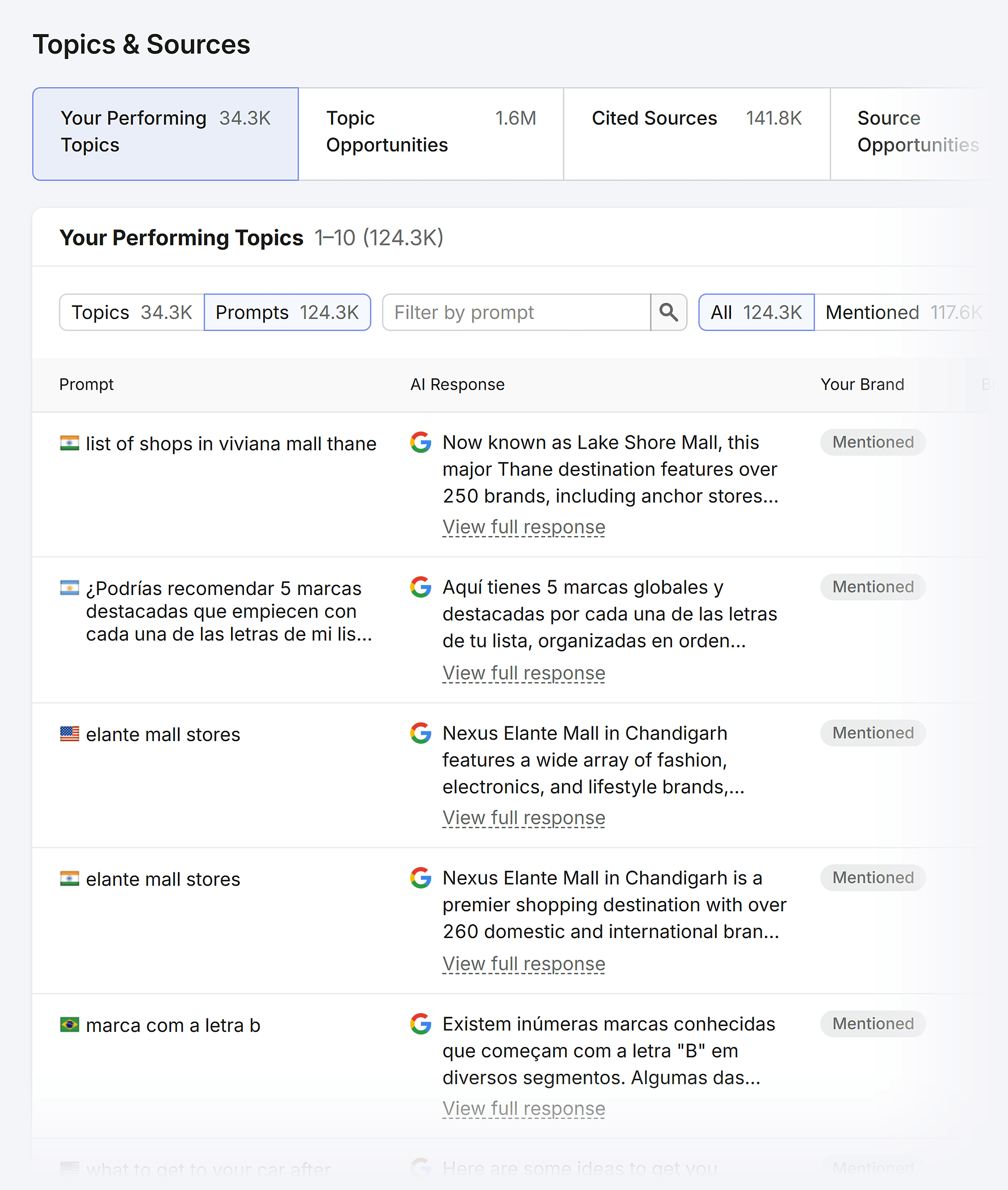
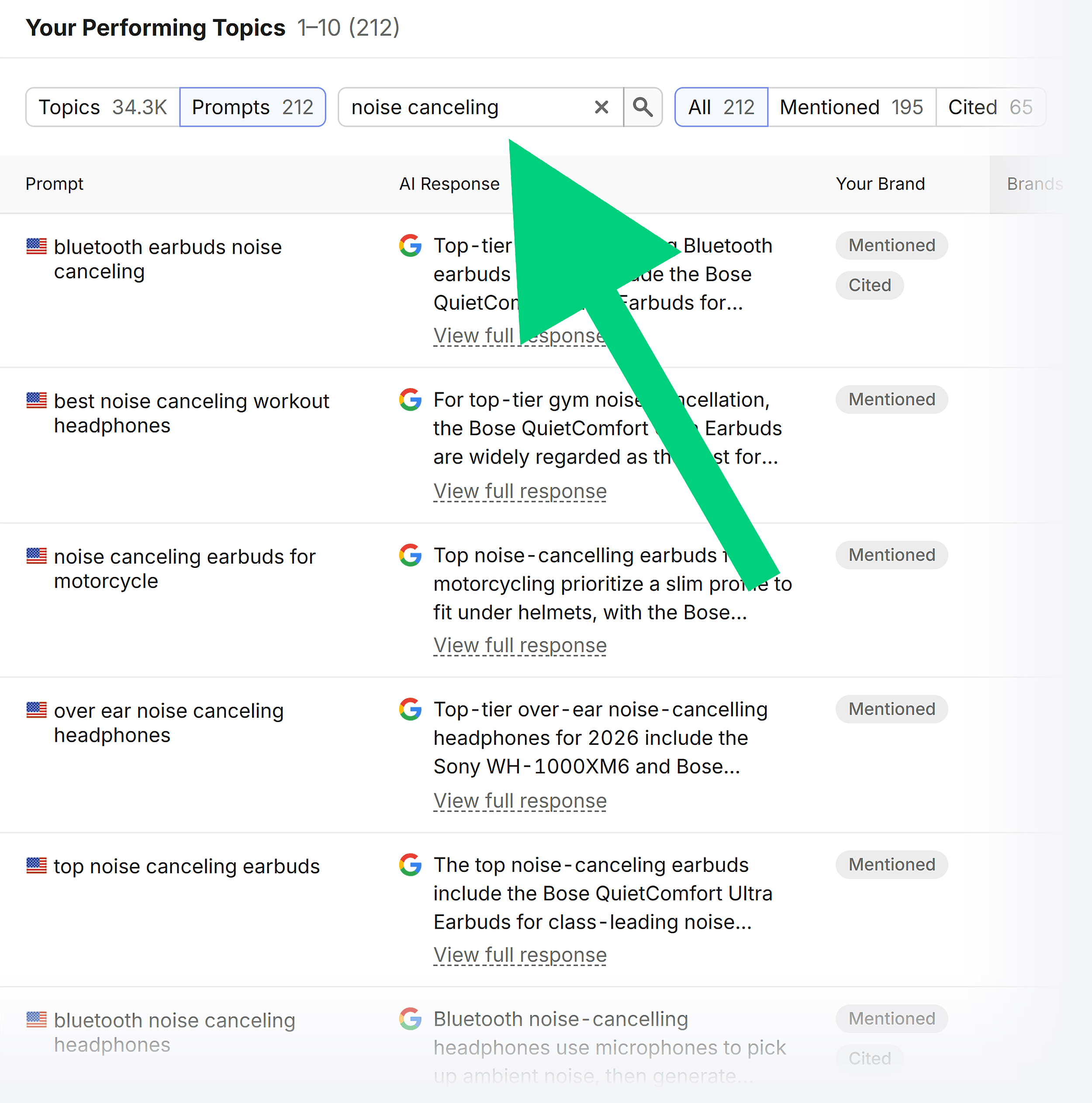
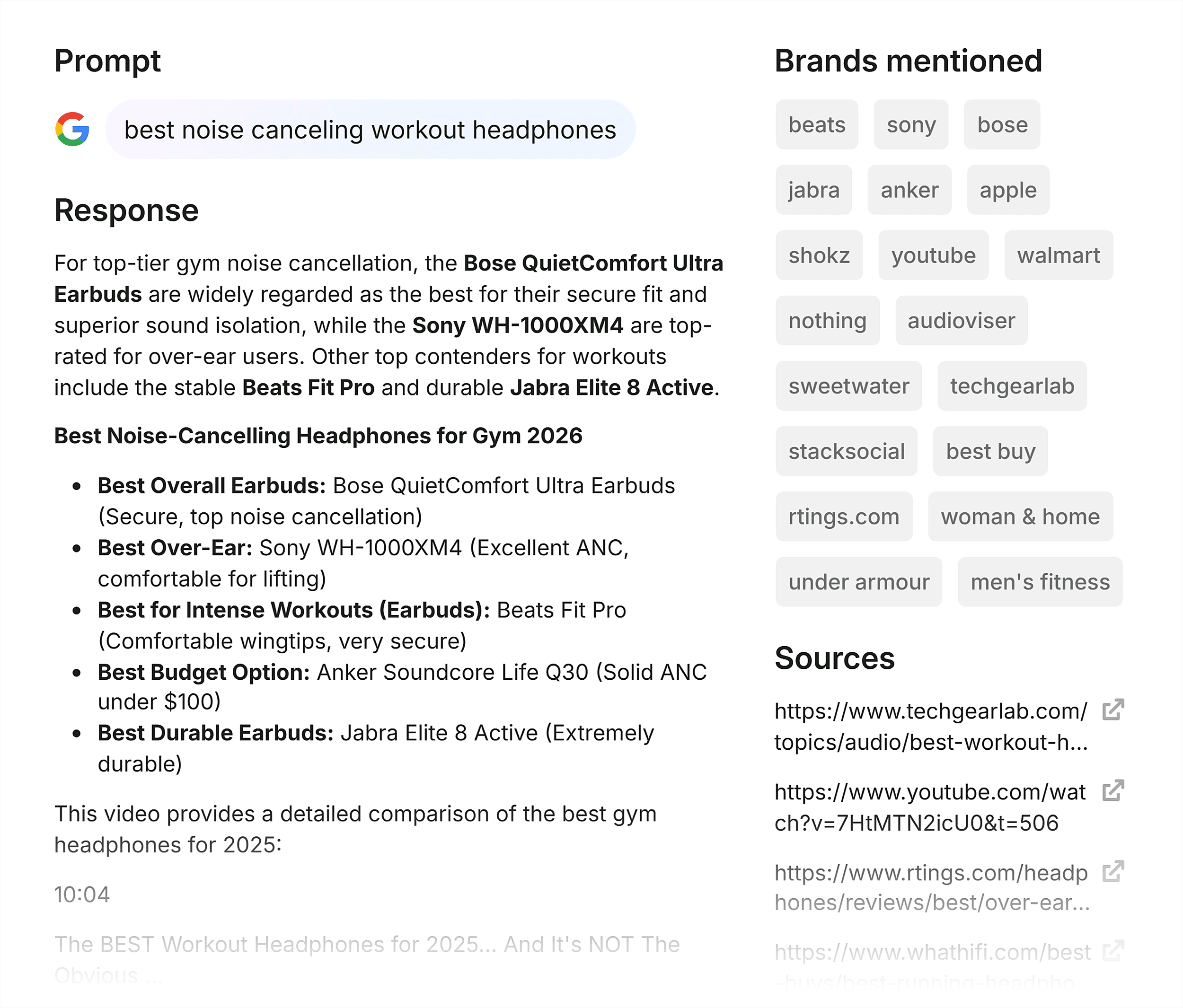
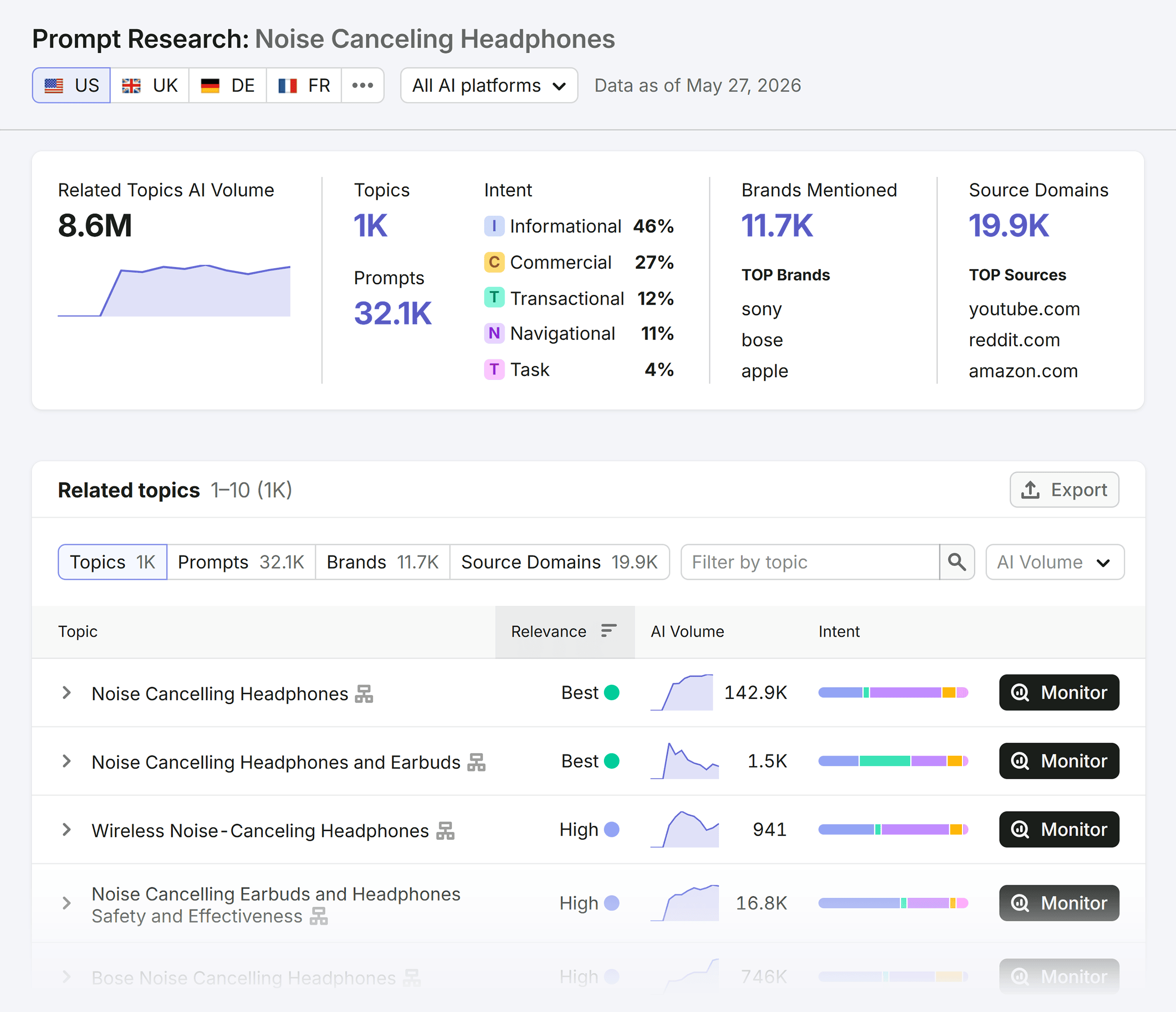
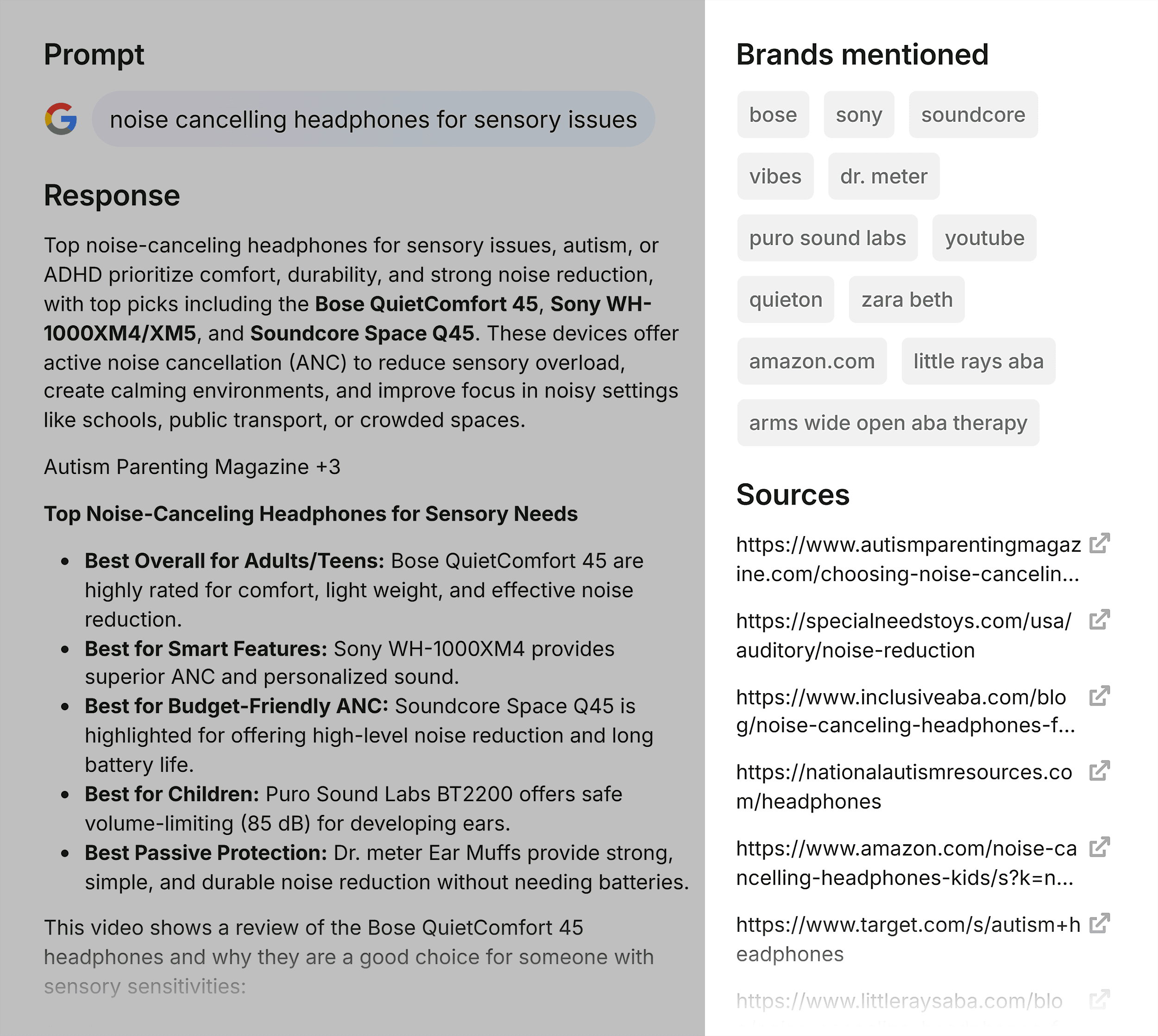
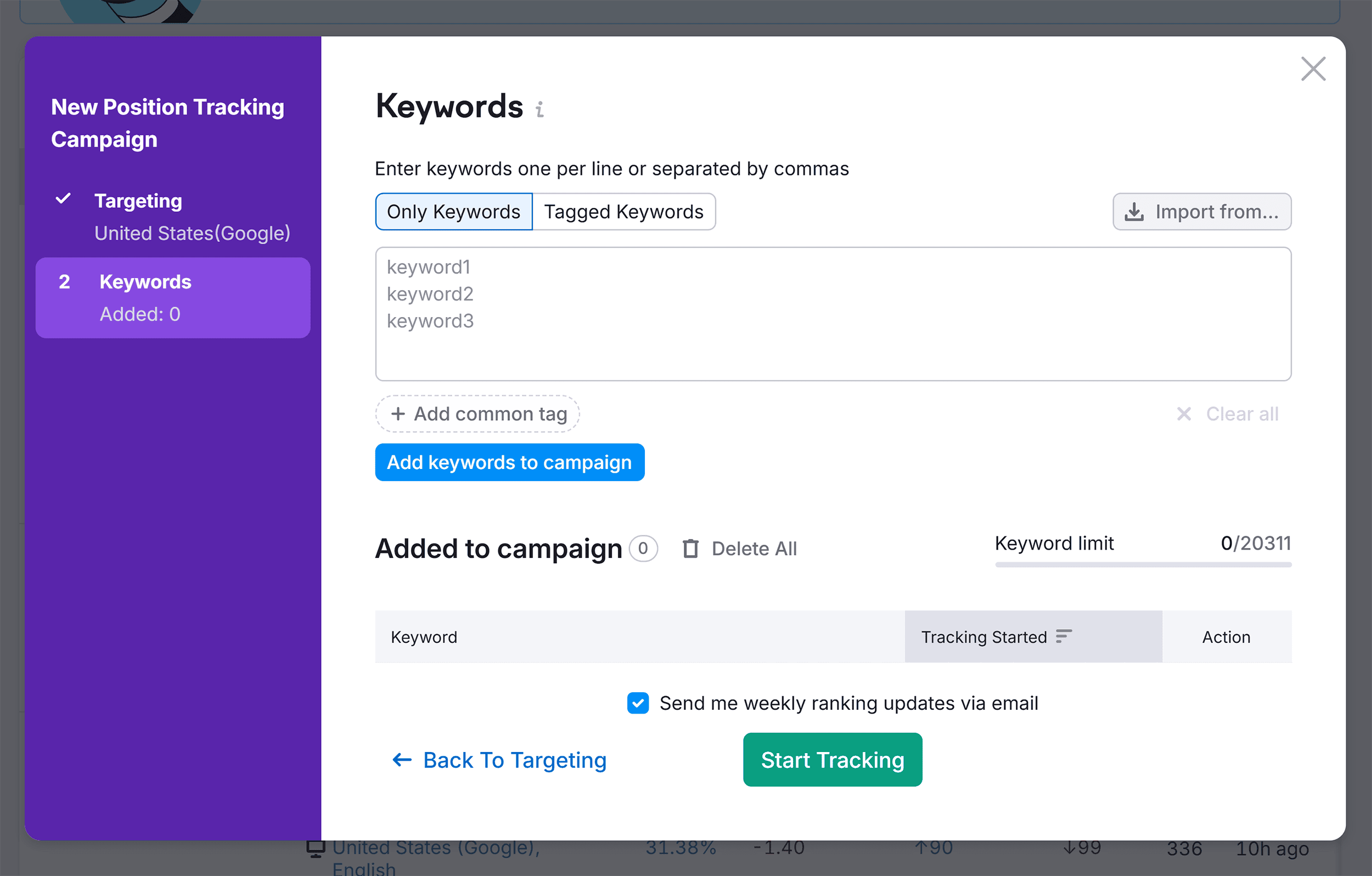
- AI Visibility Tools: Specialized tools like Semrush’s AI Visibility Toolkit can directly reveal prompts where your brand, or competitors, already appear in AI answers, offering insights into actual AI search behavior. This allows marketers to identify existing strengths to protect and significant gaps to address.
Step 2: Generate Your Fan-Out Set
Once money prompts are identified, the next step is to understand how AI systems would "fan out" from these prompts. This involves generating the associated sub-queries that an LLM would explore.
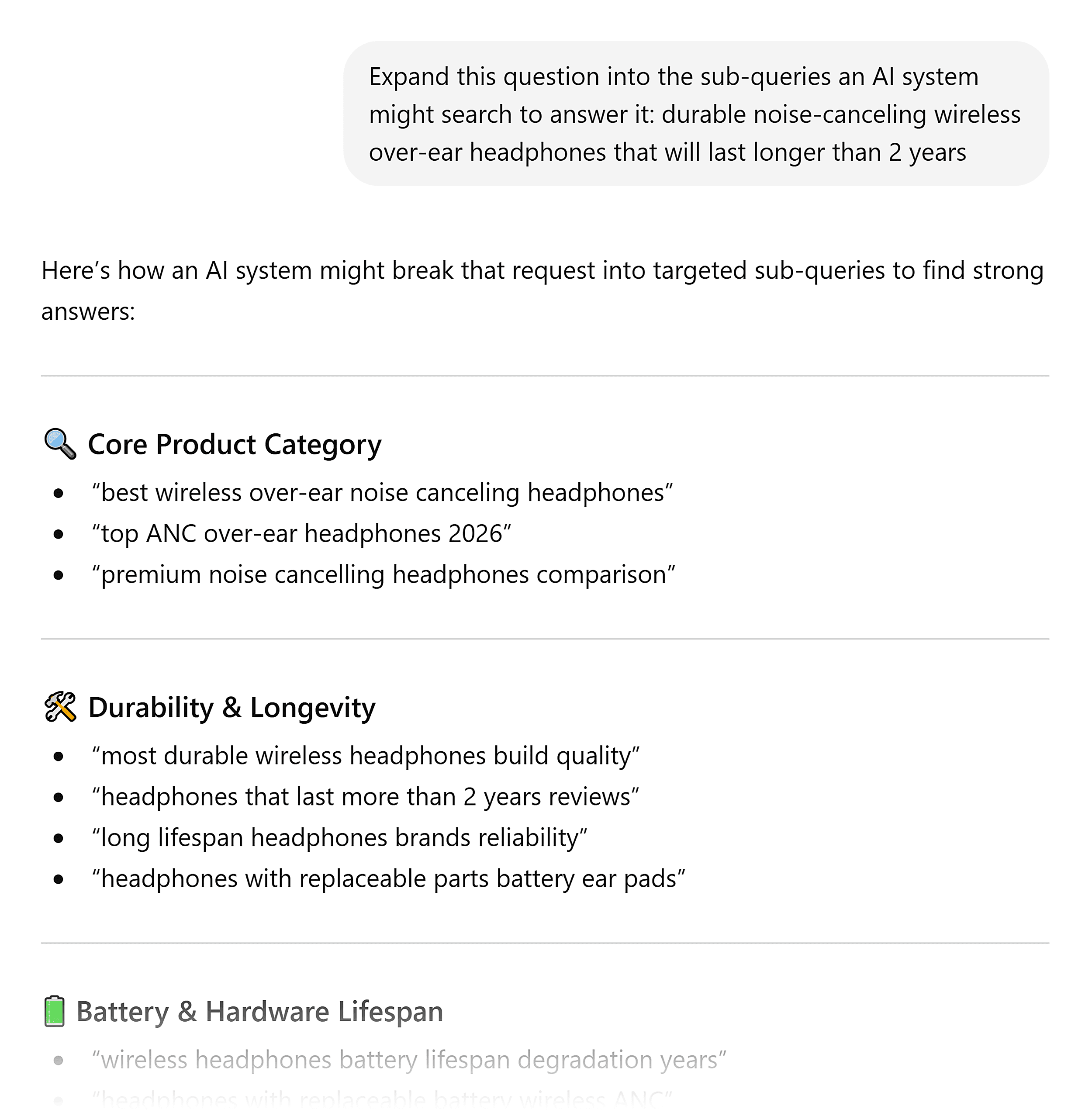
- Manual Method (AI Platforms): Use a prompt template like "Act as an AI system performing a query fan-out. Given the user prompt ‘[Your Money Prompt],’ list the 10-15 most likely sub-queries you would execute to generate a comprehensive answer. Categorize these sub-queries by type (e.g., Reformulation, Comparative, Implicit, Personalized, Entity Expansion, Related)." Running this across multiple AI platforms (ChatGPT, Perplexity, Claude) provides a broader view, as each may interpret and expand queries differently.
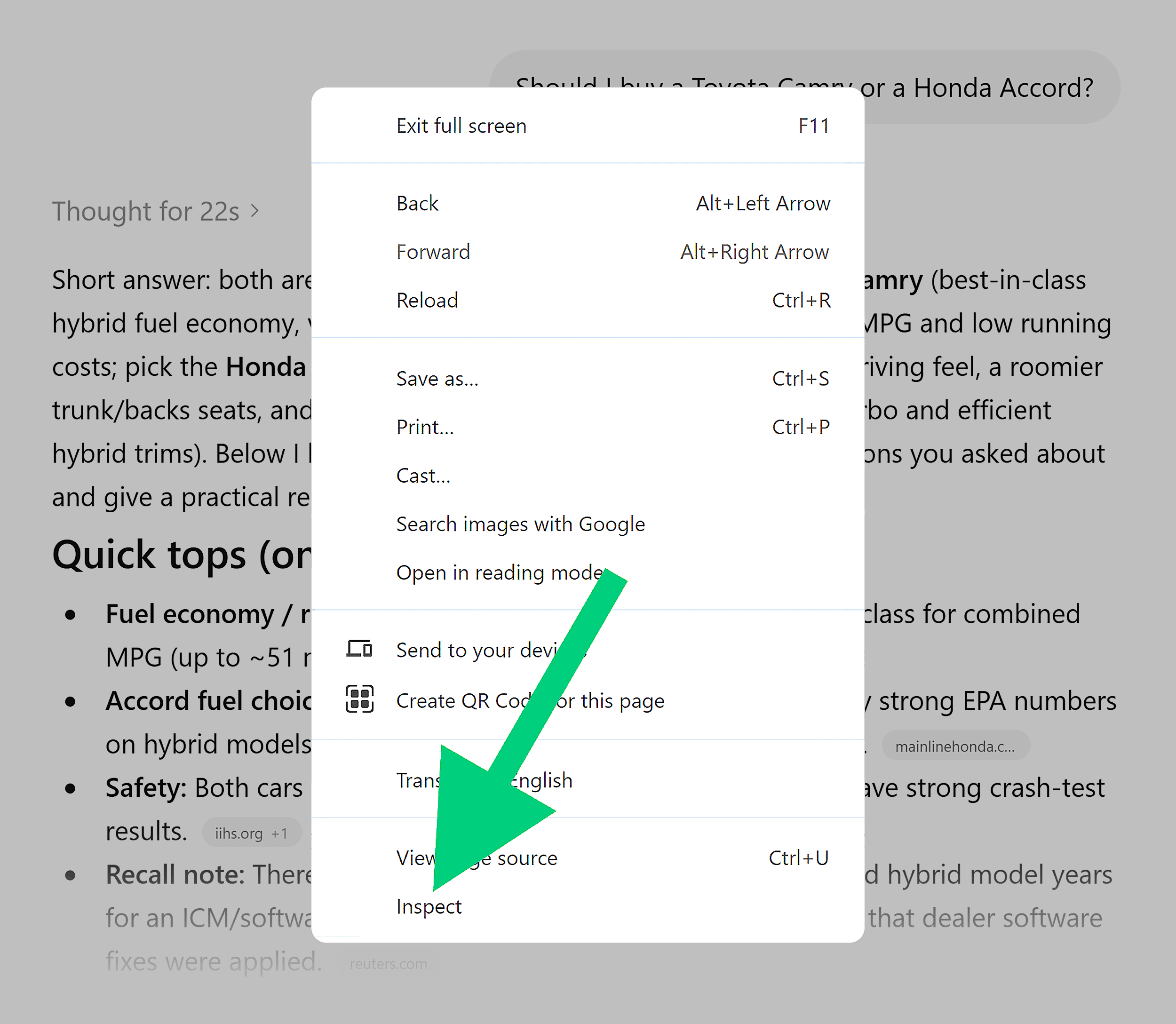
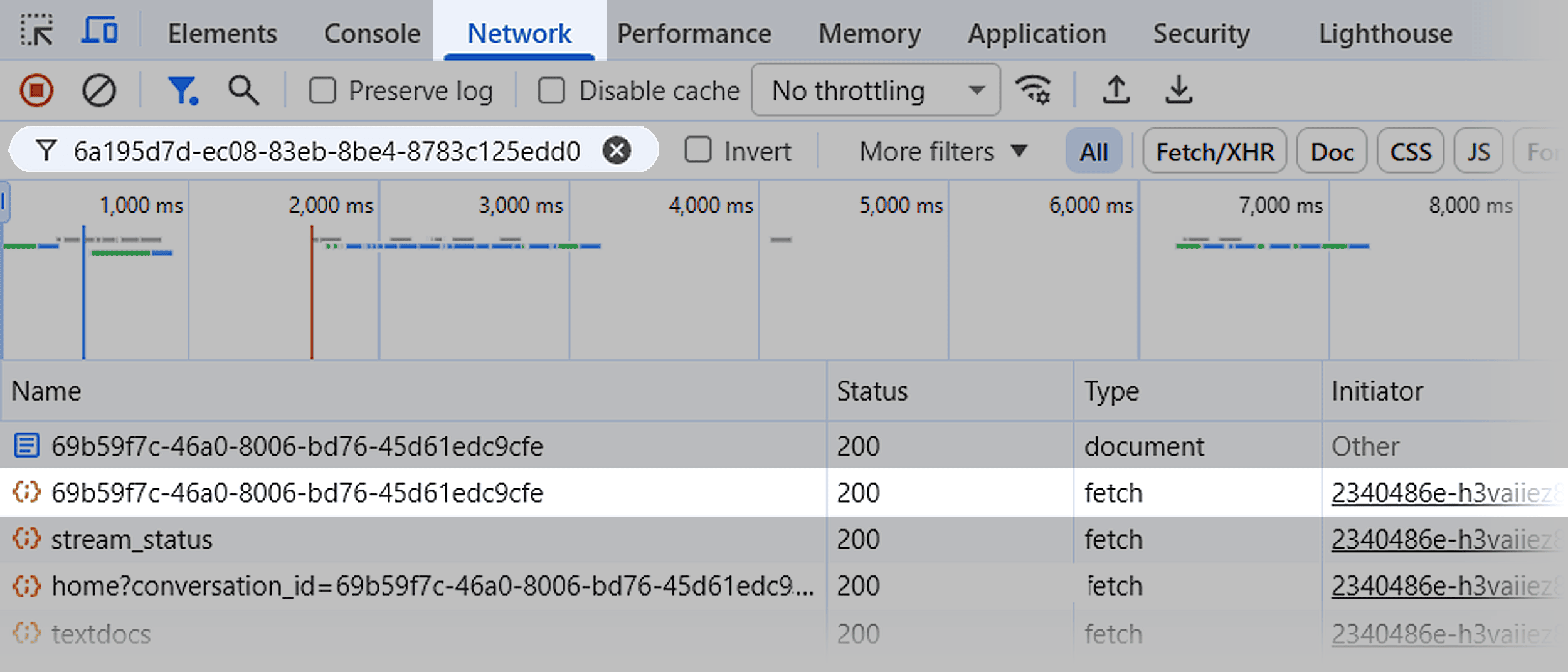
- Automated Tools: Tools like Backlinko’s ChatGPT Query Fan-Out Tool (a Chrome extension) can capture real-time sub-queries run by ChatGPT, offering a faster and more scalable approach.
Categorizing these sub-queries (e.g., "Reformulation" for reworded prompts, "Comparative" for head-to-head options, "Implicit" for unstated user needs, "Personalized" for specific situations, "Entity Expansion" for drilling into brands/products, "Related" for anticipated follow-ups) helps in understanding the diverse informational needs the AI is trying to satisfy.
Step 3: Bucket Sub-Queries by Intent Type
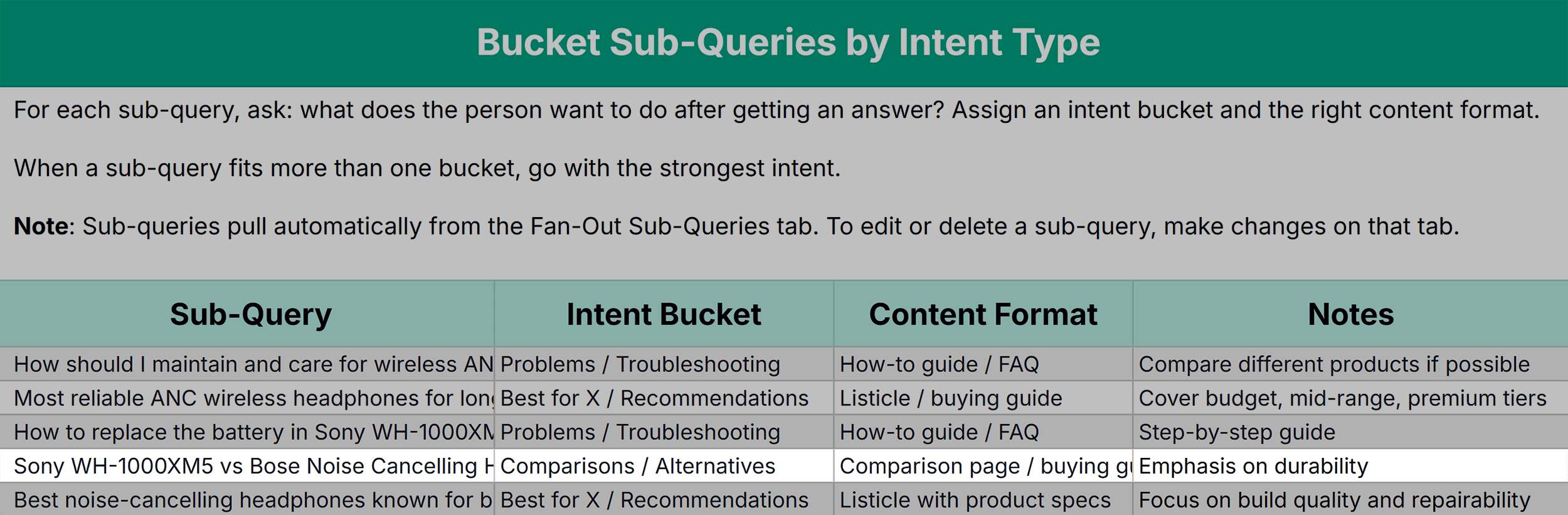
After generating the fan-out set, categorize each sub-query by its underlying user intent. This informs the type of content needed and its optimal format. The core question to ask is: "What does the user genuinely want to do after receiving an answer to this sub-query?"
Common intent buckets include:
- Definitions/Basics: Users seeking fundamental understanding ("How does X work?"). Content: Explainer articles, glossary sections.
- Comparisons/Alternatives: Users weighing options ("X vs. Y," "alternatives to Z"). Content: Comparison pages, detailed versus sections.
- Best for X/Recommendations: Users looking for tailored suggestions ("Best X for Y use case"). Content: Listicles, buying guides, curated recommendations.
- Problems/Troubleshooting: Users seeking solutions to issues ("How to fix X," "Why does Y happen?"). Content: How-to guides, FAQ sections, troubleshooting steps.
- Pricing/Value: Users evaluating cost-effectiveness ("How much does X cost? Is X worth it?"). Content: Pricing pages, value analysis, cost breakdown sections.
- Social Proof/Discussions: Users seeking real-world experiences and opinions ("Reviews of X," "Reddit opinions on Y"). Content: Review roundups, user testimonials, community insights.
Step 4: Audit Your Existing Content for Gaps
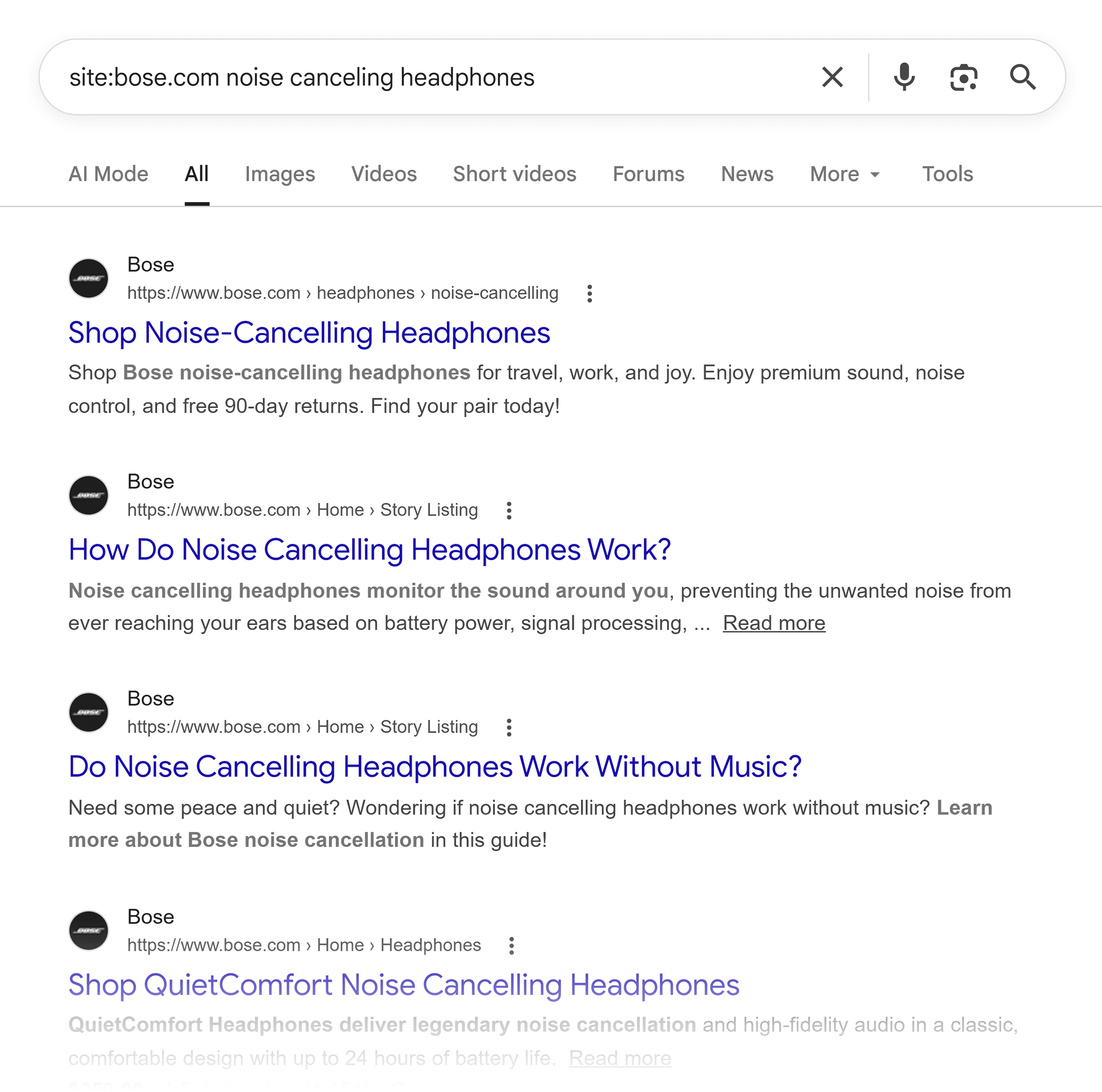
With sub-queries categorized, conduct a thorough content audit to identify where your existing content aligns with these fan-out needs and where gaps exist. Use site:yourdomain.com [sub-query topic] searches on Google to surface relevant pages. Evaluate each page for:
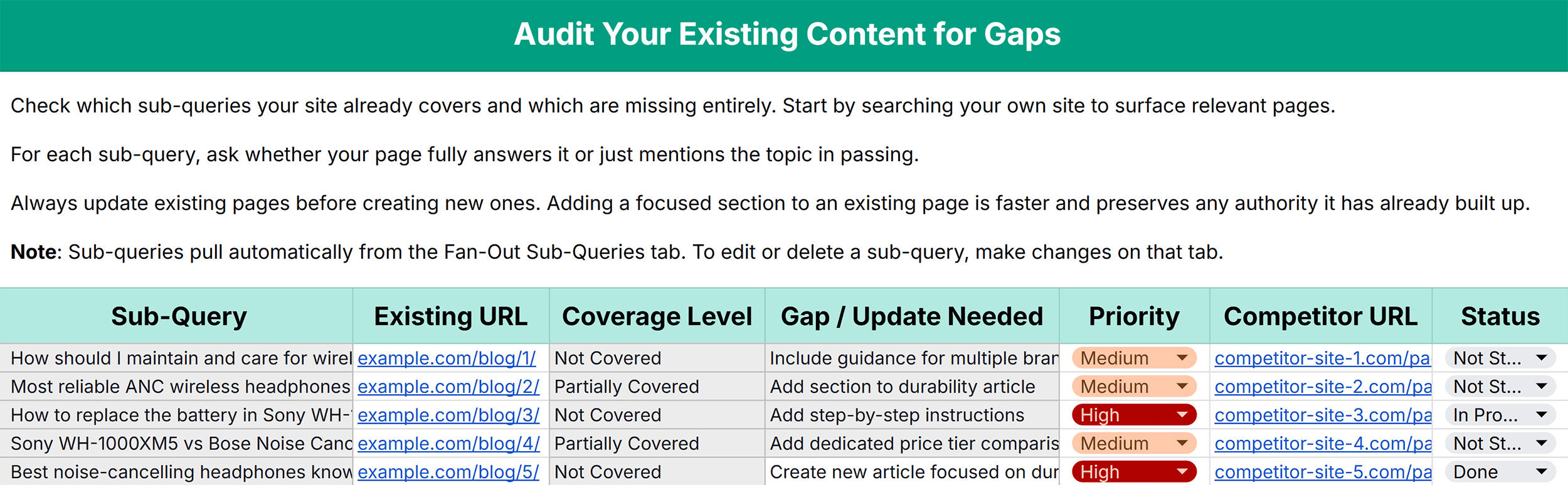
- Direct Answer: Does it explicitly and completely answer the sub-query?
- Clarity: Is the answer easy for an AI to parse and extract?
- Completeness: Does it offer sufficient detail without requiring external context?
Categorize your content’s coverage level for each sub-query:
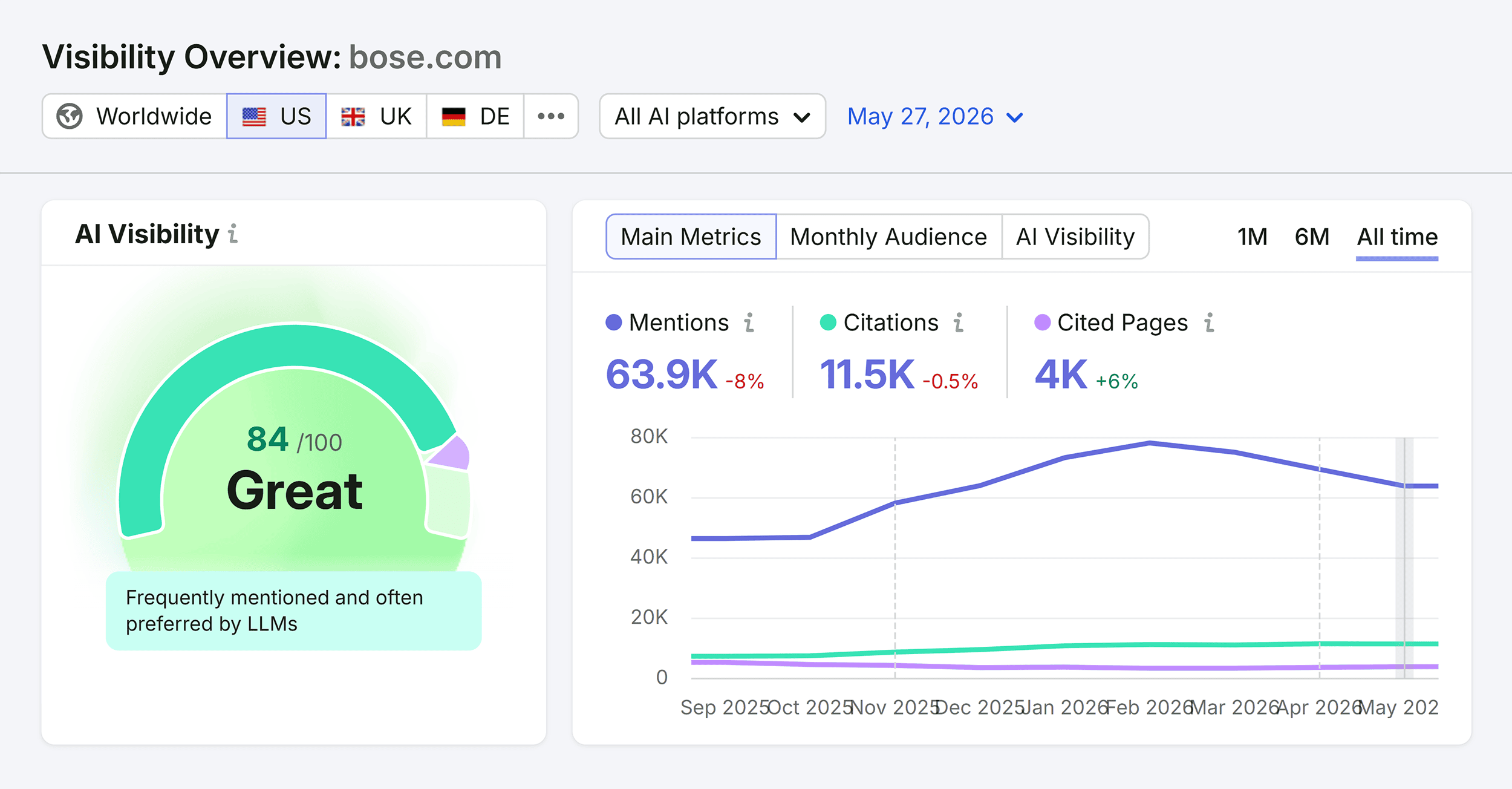
- Not Covered: No existing content addresses the sub-query. Action: Create new, dedicated content.
- Partially Covered: The topic is mentioned but not fully resolved. Action: Expand existing pages with dedicated, self-contained sections.
- Fully Covered: A page or section completely answers the sub-query. Action: Monitor for AI citations and maintain accuracy.
Additionally, use AI visibility tools (like Semrush’s AI Visibility Toolkit) to see which competitors are being cited for your money prompts. This competitive intelligence helps prioritize which gaps to close first and which strongholds to defend.
Step 5: Structure Your Content for AI Extraction
Creating the right content is only half the battle; it must also be easily consumable by AI. Structure is key.
- Front-Load Answers: Place direct answers to potential sub-queries early in your content. This aligns with AI’s tendency to cite passages from the initial sections of a page.
- Descriptive Subheadings: Use clear, explicit subheadings (H2, H3) that function as questions or direct statements answering sub-queries. This acts as a roadmap for AI.
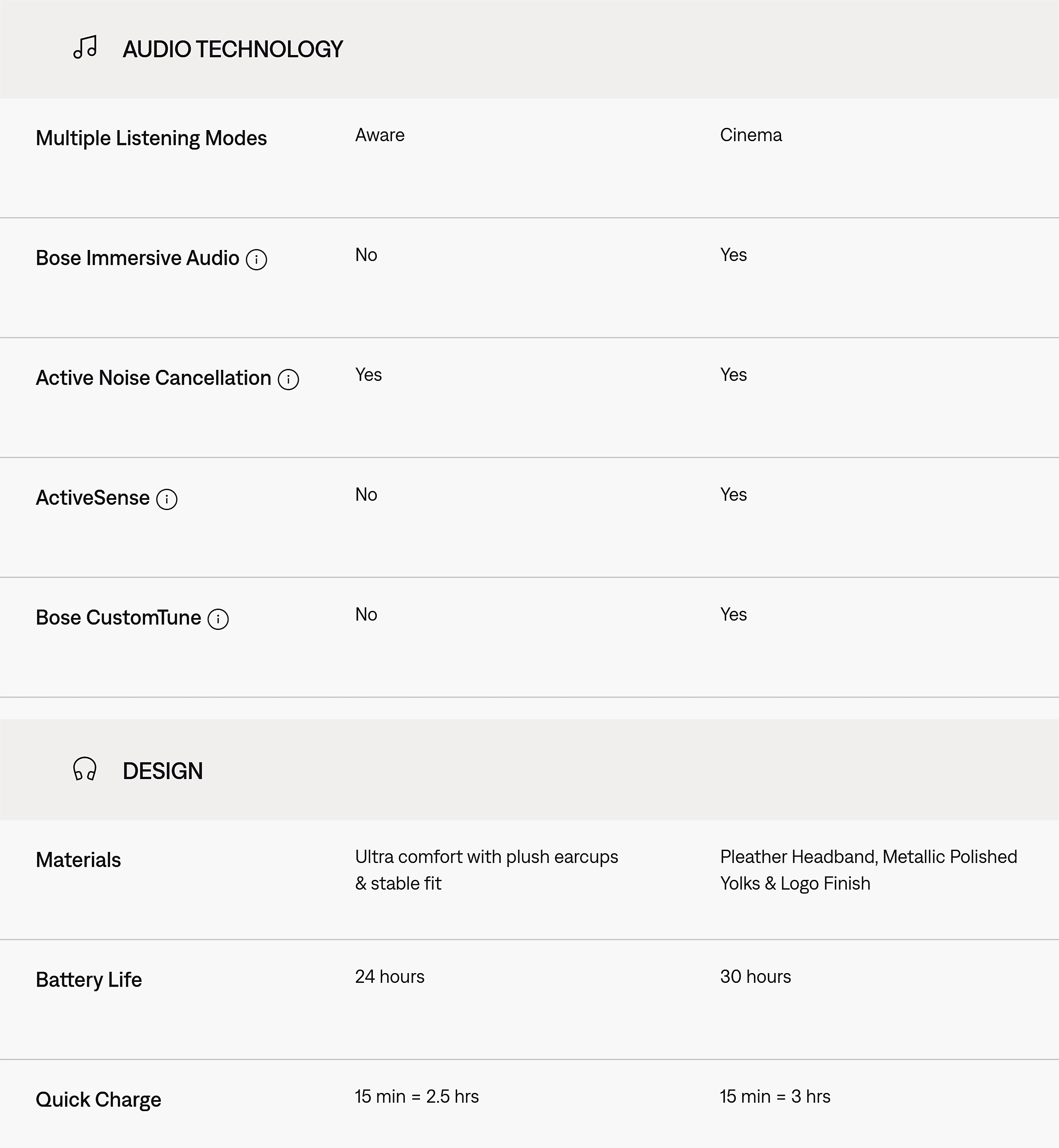
- Structured Data: Employ lists, tables, comparison charts, and FAQ sections. These formats are inherently easy for AI to parse and extract specific data points.
- Self-Contained Passages: Ensure that individual paragraphs or sections can stand alone, providing complete answers without requiring the AI to infer meaning from surrounding text.
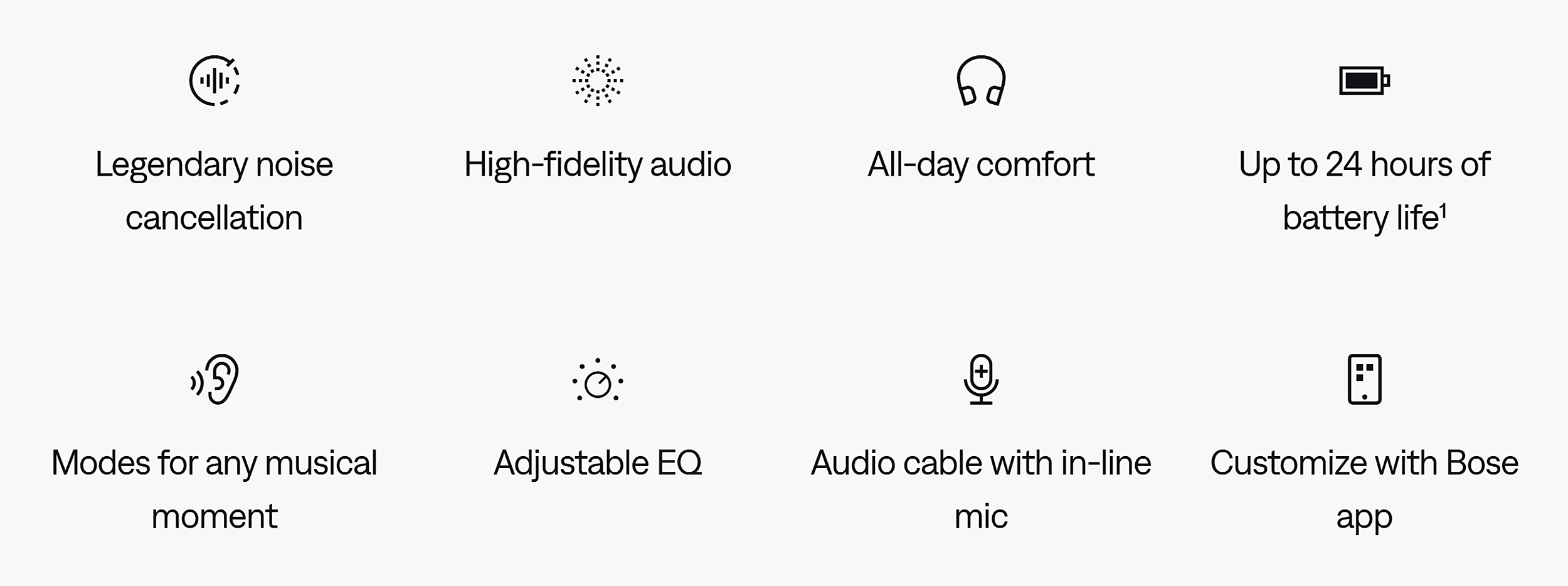
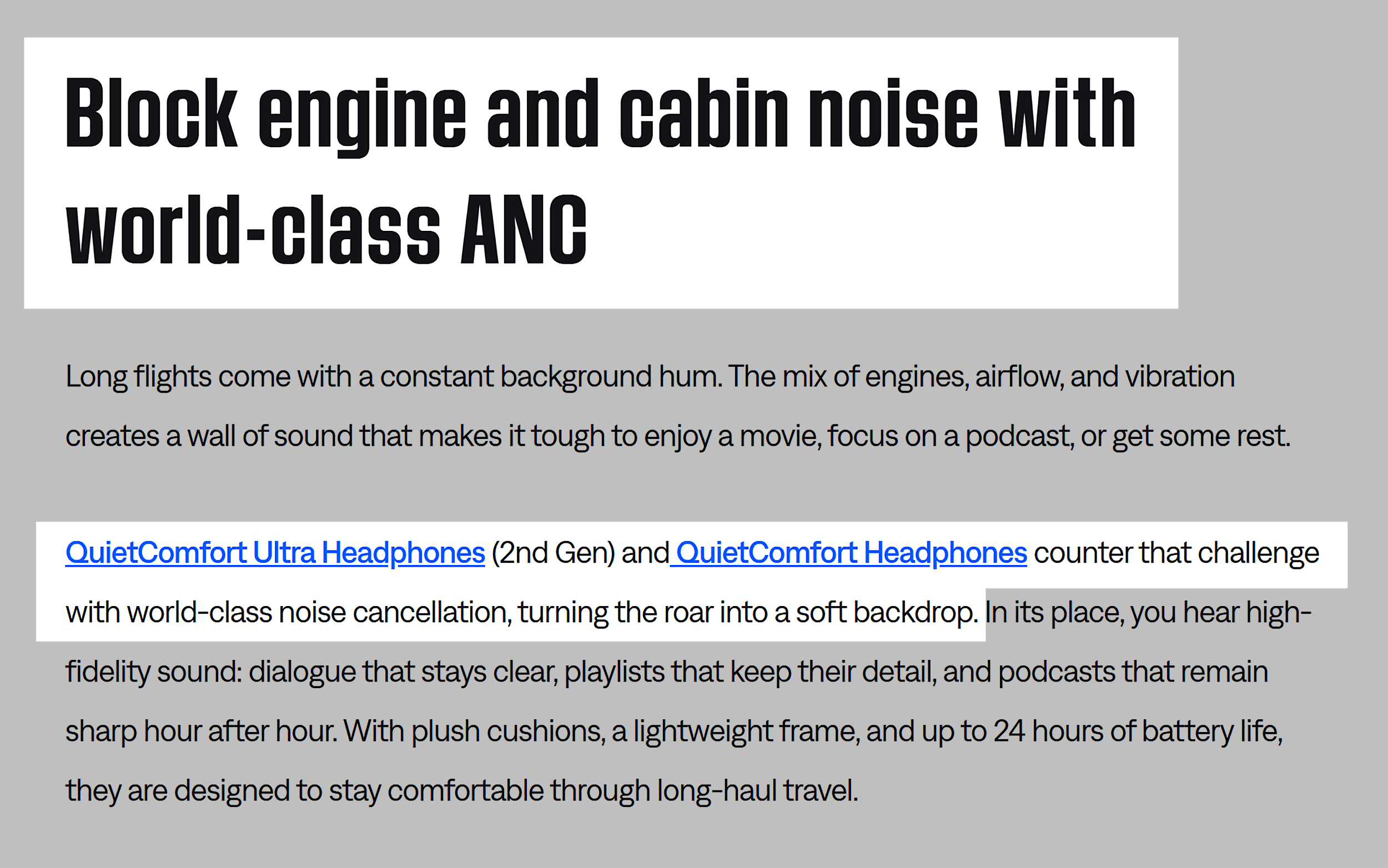
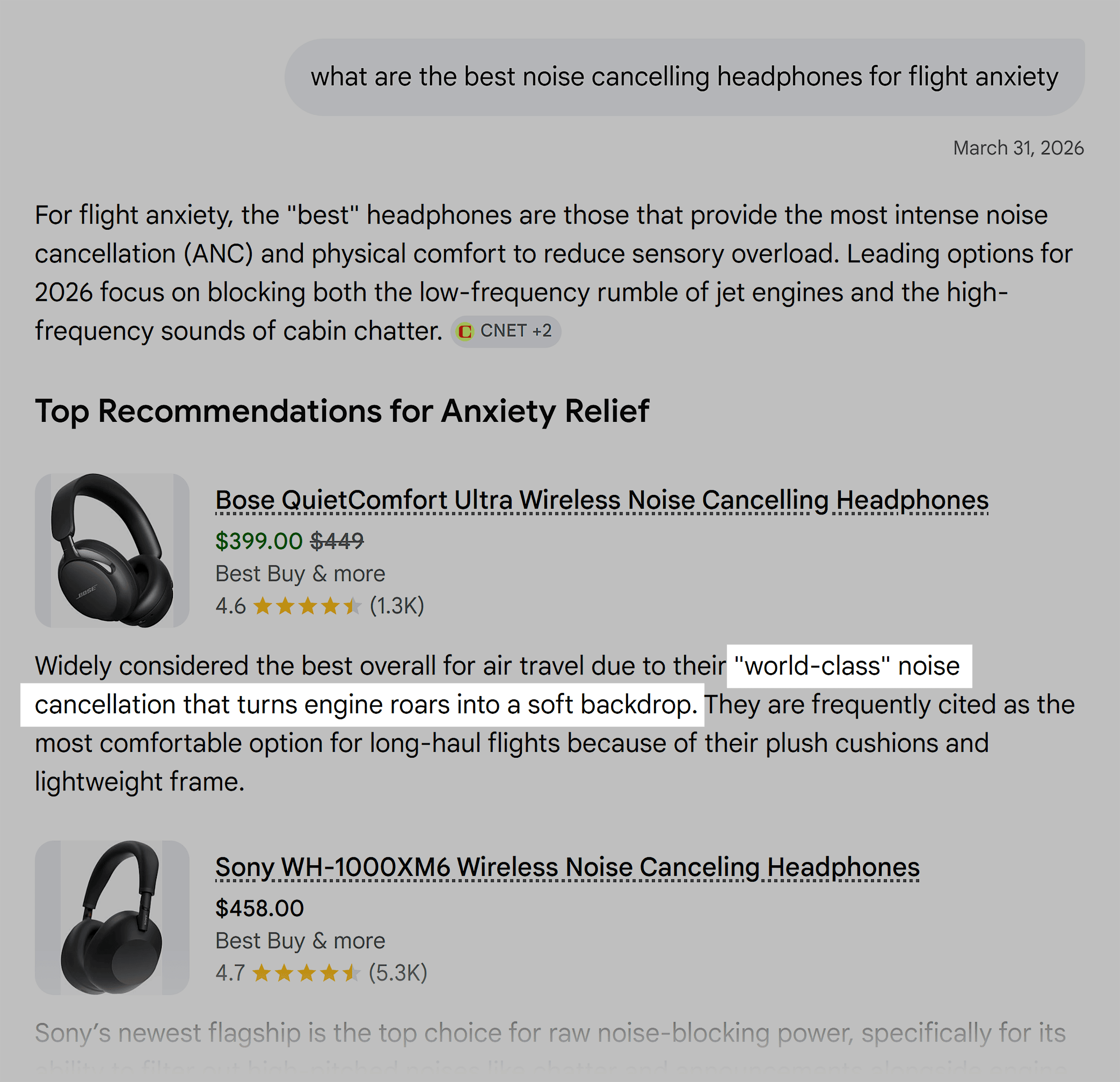
Take Bose’s product pages as an example: they strategically front-load key features as scannable elements ("24 hours of battery life," "legendary noise cancelation") and organize specifications into structured comparison tables. They also create dedicated landing pages for specific use cases (e.g., "noise-canceling headphones for flights") using scenario-specific language. This targeted approach allows AI to easily match a user’s prompt ("best noise-canceling headphones for flight anxiety") with the most relevant, extractable content.
Step 6: Measure Your Performance in AI Search
The final step is ongoing monitoring and adaptation. Traditional SEO metrics may not fully capture AI visibility, necessitating new tracking methods.
- Manual Tracking: Regularly run your identified money prompts through various LLMs (using private browsing) and record whether your brand is mentioned, which pages are cited, and the sentiment of the mention.
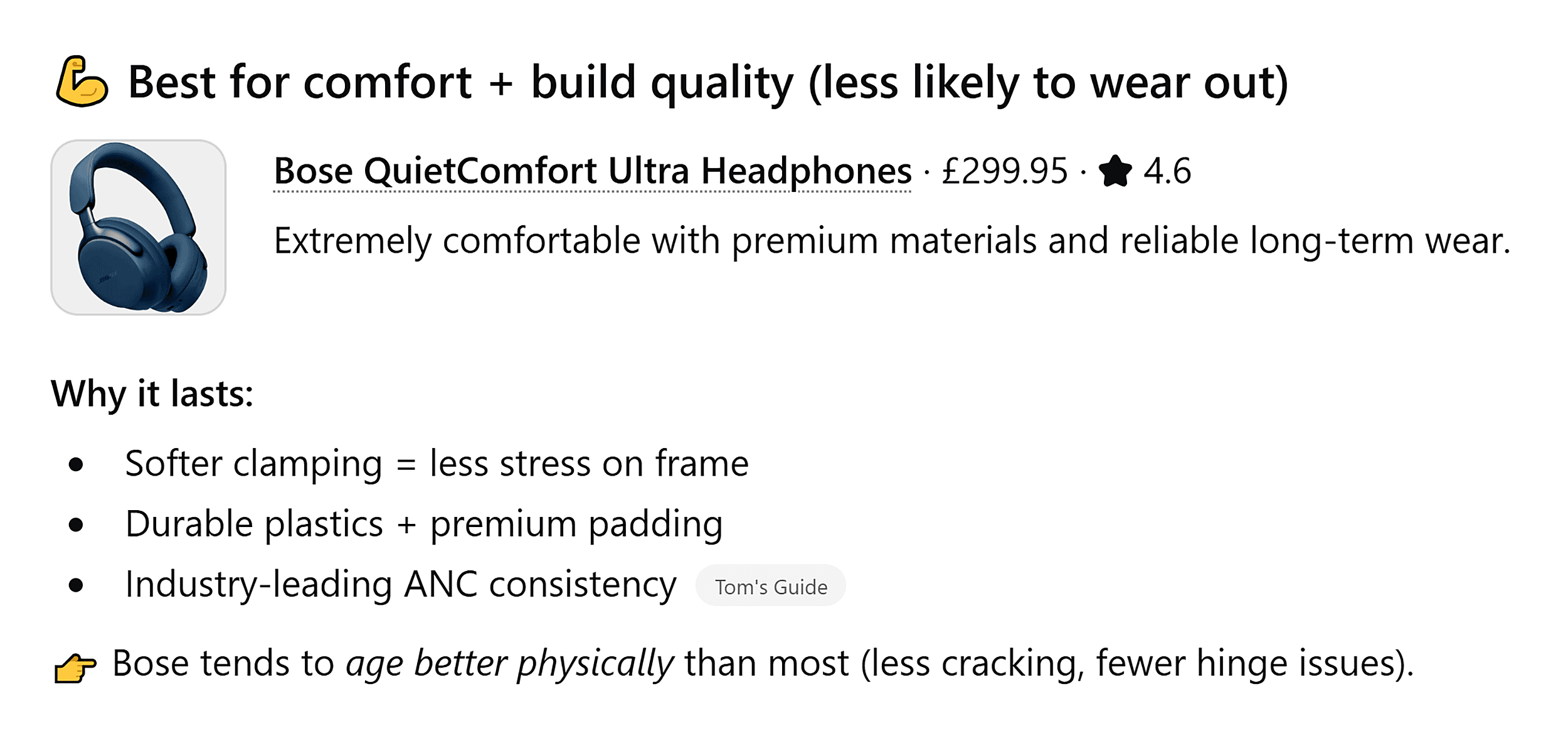
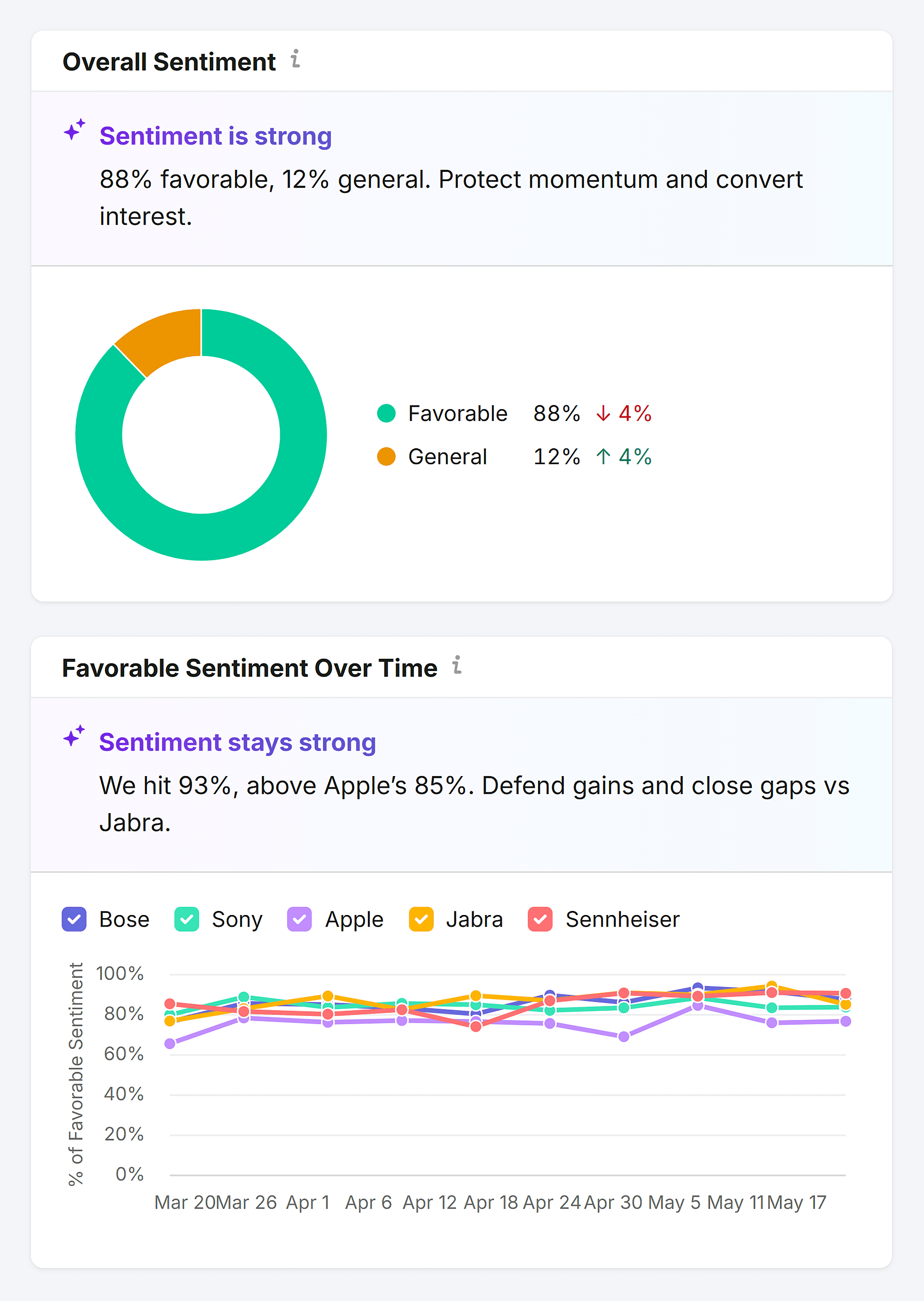
- Automated Tools: Leverage specialized tools like Semrush’s Prompt Tracker, which can monitor changes in mentions for your money prompts across LLMs. The AI Visibility Overview provides a comprehensive score of your brand’s presence in AI answers relative to competitors. Furthermore, sentiment analysis tools like Semrush’s Perception tool can reveal how LLMs describe your brand, identifying strengths ("industry-leading noise cancellation") and weaknesses ("over-the-ear models not sweatproof") that can inform future content creation.
Query Fan-Out Across Different AI Platforms
The execution of query fan-out can vary subtly across different LLMs, each with its own underlying architecture and priorities. Understanding these distinctions helps fine-tune content optimization efforts:
-
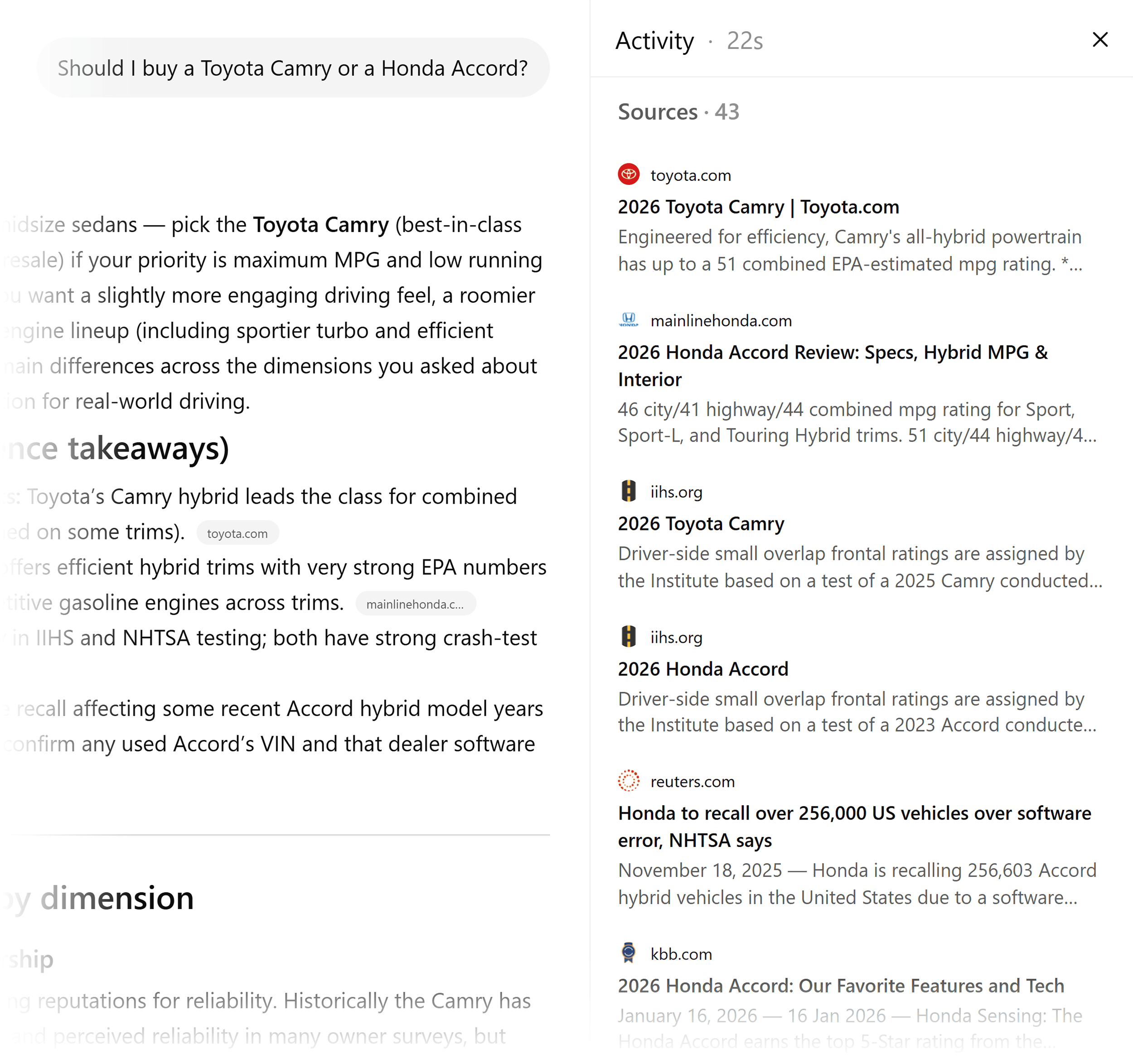
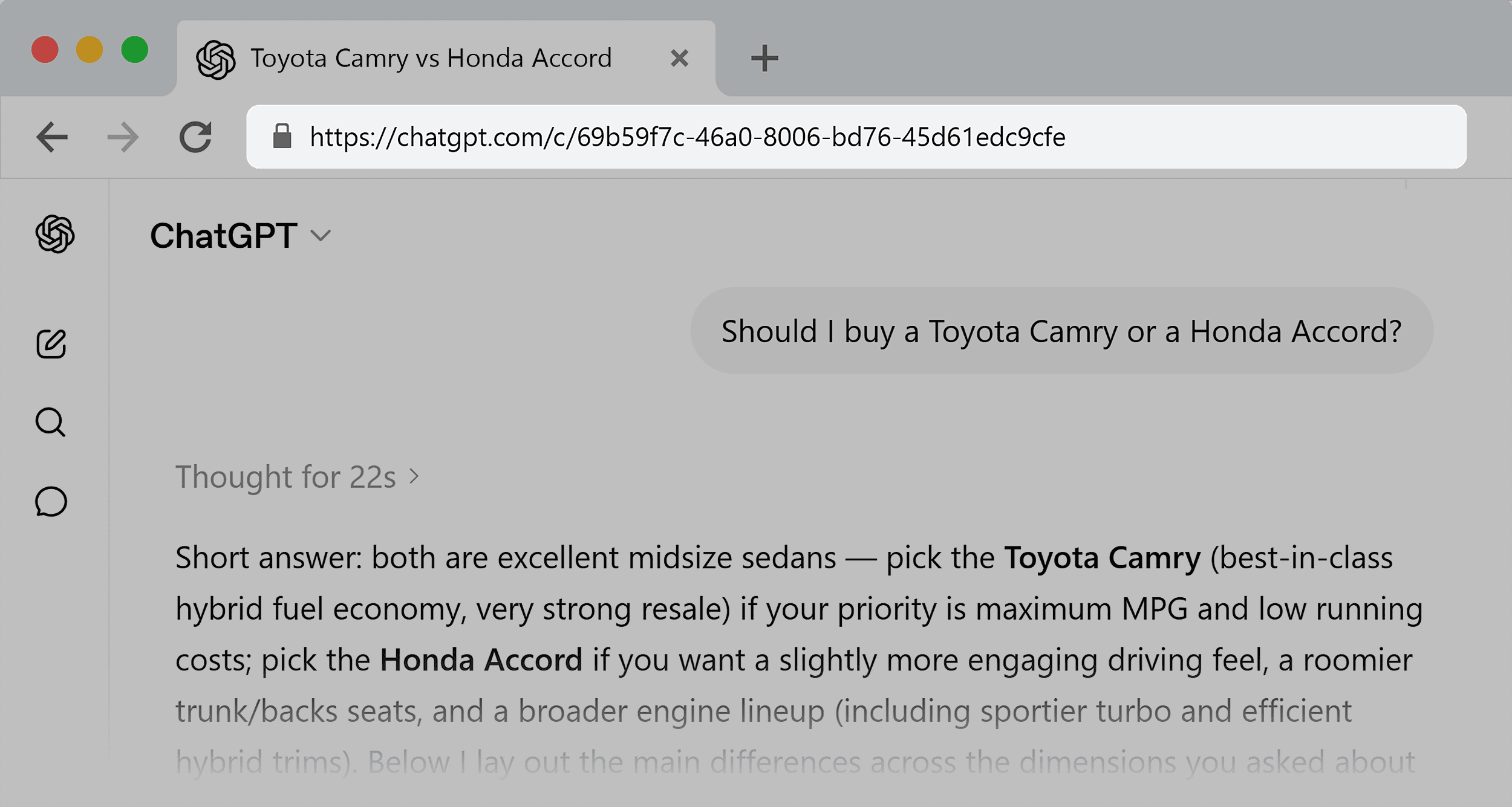
ChatGPT: Often relies on its extensive training data for simple informational queries. However, for questions requiring fresh data, real-time comparisons, or current information (e.g., "Toyota vs. Honda"), it performs live web searches, generating a multitude of internal sub-queries. The sheer volume and diversity of sources cited (often 40+ for complex queries) underscore the need for broad topical authority.
-
Perplexity: This platform is designed for real-time web search. It employs a two-pronged fan-out approach:
- Contextual Fan-Out: It analyzes the ongoing conversation, user history, and implicit preferences to generate personalized sub-queries (e.g., checking if the user previously mentioned budget constraints or specific driving habits).
- Web Search Fan-Out: Simultaneously, it executes traditional web searches based on the explicit query.
Perplexity’s approach means content must be not only accurate but also specific and self-contained enough to remain relevant when paired with unpredictable user context.
-
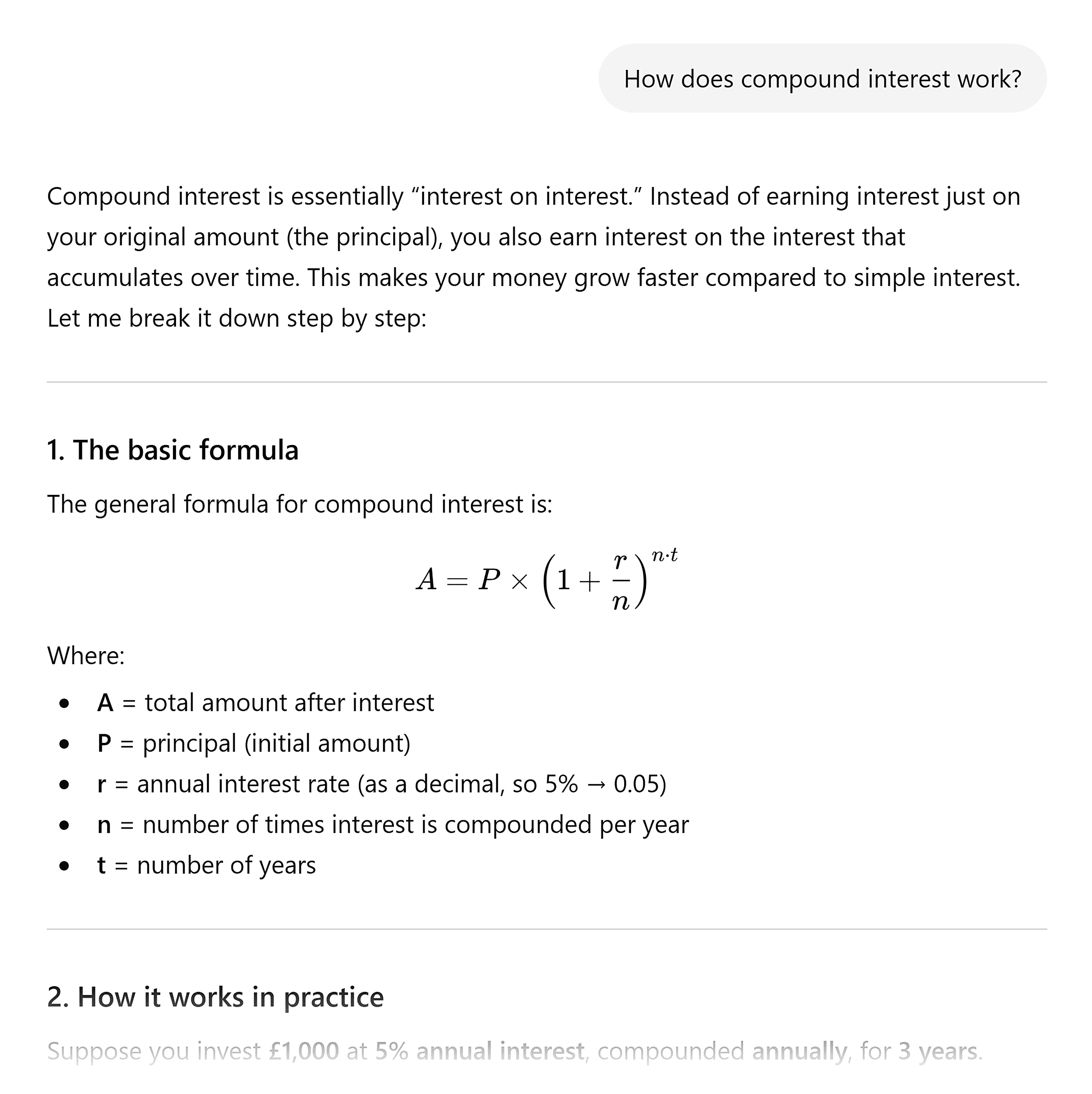
Claude: Distinguished by its emphasis on clarifying user intent upfront. Instead of immediately fanning out, Claude often engages in a brief conversational exchange, asking clarifying questions or presenting preference widgets to narrow down the user’s needs. Once the intent is clarified, it generates a more targeted set of sub-queries, often drawing more heavily on its foundational training data for nuanced responses. For content optimization, this implies focusing on clear, direct answers to specific, well-defined use cases rather than attempting to cover every conceivable angle on a single page.
-
Google AI Overviews and AI Mode:
- AI Overviews: These appear as concise, AI-generated summaries directly within Google’s traditional SERP, with sources listed alongside. They synthesize information from Google’s vast web index, akin to enhanced featured snippets.
- AI Mode: A dedicated conversational search tab within Google, designed for more complex, multi-part questions, offering deeper interaction and iterative refinement.
Both Google’s AI features draw upon its extensive index. While the exact sub-queries are not publicly exposed, the optimization strategy remains consistent: front-load answers, use descriptive subheadings, and structure content with self-contained passages that are easily extractable. Tools like Screaming Frog configured with a Gemini API can be used by SEOs to infer Google’s fan-out behavior.
The Broader Impact and Future of Content
The rise of query fan-out signals a profound shift in the digital ecosystem. SEO is evolving from a game of keyword rankings to one of comprehensive content coverage, demonstrable authority, and structural clarity. Content creators must become "AI-fluent," crafting information that is not only valuable to human readers but also easily digestible and extractable by machines.
This new reality encourages a focus on:
- Deep Expertise: Brands that genuinely possess and articulate deep expertise across a topic will be favored.
- Structured Information: The ability to present complex information in clear, organized formats (tables, lists, FAQs) will become a competitive advantage.
- Anticipatory Content: Creating content that anticipates a wide array of user needs, even those not explicitly stated in an initial prompt, will be critical.
- Brand Mentions and Authority Signals: Cultivating a strong brand presence across diverse reputable sources (editorial, review sites, industry forums) will be essential for AI systems to recognize and cite a brand as authoritative.
The shift towards AI-driven search, powered by mechanisms like query fan-out, represents a new frontier for digital strategy. Success hinges on a willingness to move beyond traditional SEO tactics and embrace a more holistic, intelligent approach to content creation and distribution. By meticulously identifying money prompts, understanding AI’s fan-out logic, structuring content for optimal extraction, and continuously measuring performance in this evolving environment, businesses can secure their visibility and influence in the age of generative AI.