The Silent Shift: Why WordPress Freelancers are Leaving Upwork and How the Marketplace is Evolving

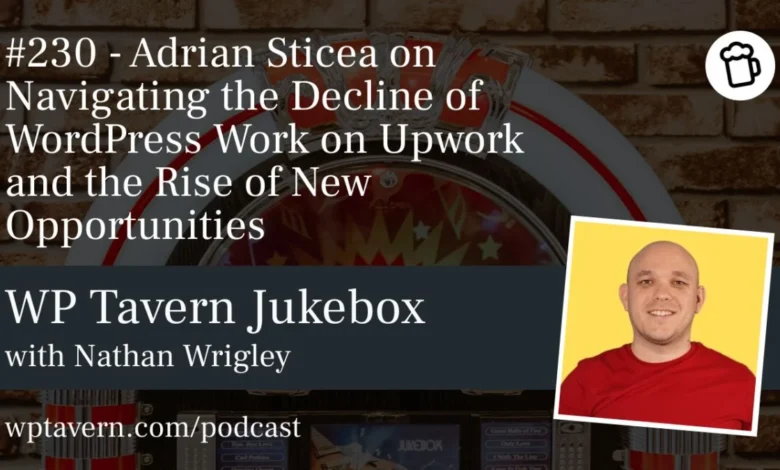
The landscape for independent WordPress developers has undergone a seismic shift over the past 24 months, characterized by a marked decline in project volume across major freelance marketplaces, most notably Upwork. This trend, highlighted by a viral data-driven analysis from veteran developer Adrian Sticea, suggests that the "gig economy" model for high-end technical talent is experiencing a structural transformation. As developers report a sharp decrease in consistent leads, the industry is grappling with the convergence of artificial intelligence integration, shifting client expectations, and the maturity of the digital labor market.
For over a decade, platforms like Upwork served as the primary nexus for web professionals to find steady work. However, data from long-term participants indicates that the era of relying solely on these platforms for professional growth is waning. This shift is not merely a decrease in the number of jobs posted, but a fundamental change in the nature of work being commissioned, with complex, high-value projects migrating toward private networks, specialized recruitment agencies, and direct B2B partnerships.
The Anatomy of a Market Decline
The decline in WordPress-related work on global freelance platforms did not happen overnight. Between 2013 and 2020, the industry experienced a period of hyper-growth. With the pandemic-driven digital transformation of 2020, demand for web services spiked, leading many developers to rely almost exclusively on marketplace platforms. For many, this was a sustainable, if not lucrative, career path.
However, internal data tracking from independent contractors reveals a stark downward trend beginning in late 2022. According to Sticea, whose professional history includes work with IBM and StellarWP, the volume of high-level development leads—specifically those involving complex plugin architecture and enterprise-level maintenance—began to evaporate. While simple, brochure-style website builds remain available, the specialized technical tasks that once defined the upper tier of the WordPress freelance market have become increasingly scarce on public bidding platforms.
This decline is corroborated by a broader trend in the tech sector: the "efficiency squeeze." Following the mass layoffs of 2022 and 2023, companies have become more cautious with their budgets. Simultaneously, the integration of generative AI into the development workflow has altered the demand-supply ratio.
The Role of Artificial Intelligence and Economic Pressures
Artificial intelligence is frequently cited as the primary catalyst for this shift, but industry analysts argue the reality is more nuanced. AI has not necessarily replaced developers, but it has significantly increased the efficiency of junior and mid-level programmers. A task that previously required 20 hours of labor can now be completed in a fraction of the time with the assistance of AI-driven coding tools.
Consequently, clients are no longer seeking developers for labor-intensive, time-consuming tasks. Instead, they are prioritizing speed and cost-effectiveness. This commoditization of entry-level coding tasks has left many freelancers in a difficult position: they must either compete with the lower price points of AI-assisted developers or transition to highly specialized roles that AI cannot yet effectively execute.
Furthermore, the global economic climate has played a significant role. With rising interest rates and a focus on fiscal consolidation, organizations are less likely to initiate experimental or non-essential digital projects. Those that do proceed often opt for established, pre-vetted agencies rather than individual contractors, seeking the security and accountability that a firm provides.
The Migration to Professional Networks and Agencies
As the volume of high-quality work on public marketplaces has diminished, professional developers have pivoted toward more traditional business acquisition methods. This transition is characterized by three distinct strategies:
- Direct Networking and Agency Partnerships: Rather than competing for bids, many developers are now positioning themselves as specialized contractors for established digital marketing and software agencies. These agencies frequently outsource complex technical work that falls outside their in-house capabilities, creating a more stable, recurring revenue stream.
- Specialized Recruitment and Temp Agencies: Platforms like Toptal or industry-specific recruitment firms like Robert Half have gained traction. These organizations provide a "pre-vetting" layer that ensures clients are paired with talent that meets rigorous standards, a service that public marketplaces often struggle to provide at the same level of quality.
- Building Direct Client Relationships: The "long-term value" approach is becoming the new standard. By fostering personal relationships and securing recommendations, developers are creating a portfolio of work that generates organic referrals. This eliminates the need for middleman platforms and allows for higher billing rates, as clients are paying for a proven track record rather than a low bid.
Implications for the WordPress Ecosystem
The decline of WordPress project volume on platforms like Upwork does not signify the decline of WordPress as a technology. In fact, WordPress continues to power over 40% of the web. However, the ecosystem is evolving. Newer, JavaScript-based frameworks are increasingly favored for bespoke, enterprise-scale web applications, while WordPress remains a dominant force for content-heavy sites and enterprise CMS needs.
The implication for individual freelancers is clear: the era of the "platform-dependent" developer is ending. Success in the current climate requires a shift from being a "task-completer" to being a "business partner." This involves a greater emphasis on soft skills, such as clear communication, strategic consulting, and the ability to demonstrate tangible ROI to clients.
Expert Outlook and Future Trends
Market observers note that the current environment is forcing a natural selection process within the freelance community. Those who can adapt by specializing in niche areas—such as high-end plugin development, performance optimization, or technical auditing—are seeing their rates increase despite the drop in overall volume.
The "vibe coding" phenomenon, where developers rely heavily on AI to build out entire applications, is also creating a new form of technical debt. This shift suggests a future surge in demand for experienced developers who can come in and rectify poorly constructed AI-generated codebases. As businesses realize that "cheaper and faster" often leads to long-term maintenance issues, the value of deep technical expertise is expected to rebound.
Ultimately, the lesson for the WordPress community is the importance of diversification. Relying on a single source of lead generation, regardless of how reliable it has been in the past, represents a significant business risk. Professionals who have moved to build their own brands, maintain personal portfolios, and nurture professional networks are proving to be more resilient to the fluctuations of the gig economy.
As the digital landscape continues to mature, the focus will likely move away from the "marketplace bidding" model toward a more sophisticated, relationship-based economy. For the WordPress developer of the future, the ability to build and sustain trust will be just as critical as the ability to write clean, efficient code. The decline of Upwork as a primary income source for many is not a signal of professional obsolescence, but rather a catalyst for a more sustainable, and ultimately more profitable, way of working.