The Evolution of Professional Identity: How Personal Branding Became the Ultimate Career Catalyst in the Modern Economy

In an era dominated by digital noise, algorithmic curation, and hyper-competitive global job markets, the concept of professional identity has undergone a radical transformation. What was once considered a vanity metric reserved for public figures and corporate executives has evolved into an essential operational strategy for modern professionals across all industries. Whether actively managed or passively neglected, every individual maintains a public digital persona. Industry analysts, recruitment specialists, and workforce strategists now emphasize that taking deliberate control of this perception is no longer optional; it is a primary driver of career longevity, business development, and professional mobility.
The historical roots of personal branding can be traced back to the late 20th century. In 1997, management theorist and writer Tom Peters published a seminal essay in Fast Company titled "The Brand Called You," introducing the revolutionary notion that individuals must view themselves as distinct commercial enterprises. However, the true democratization of this concept arrived with the proliferation of social media platforms throughout the 2000s and 2010s. Armed with smartphones and ubiquitous internet access, workers gained the unprecedented ability to broadcast their expertise, share insights, and cultivate professional networks directly, bypassing traditional media gatekeepers and corporate public relations departments.
Defining the Modern Personal Brand
At its core, a personal brand represents the synthesis of an individual’s professional expertise, core values, and unique interpersonal voice as perceived by their target audience. Unlike corporate branding—which focuses on promoting a company, product, or service through synchronized marketing channels and unified style guides—personal branding centers exclusively on the human element. The owner of a personal brand is the individual practitioner, utilizing a first-person narrative shaped by lived experiences, professional triumphs, and acknowledged challenges.
The strategic goal of a corporate brand is to generate consumer awareness, direct sales, and corporate revenue. Conversely, the objective of an individual brand is to build authentic trust, cultivate industry influence, and unlock strategic opportunities such as career advancement, consulting engagements, partnerships, and speaking engagements.
Despite common misconceptions that equate personal branding with internet influencer culture, workforce data indicates otherwise. Software engineers, registered nurses, financial analysts, and tradespeople increasingly leverage targeted personal branding strategies to establish authority within niche domains without ever seeking mainstream celebrity status.
The Economic and Professional Value of Visibility
The imperative to build a distinct professional identity has intensified due to structural shifts in how labor markets and consumer audiences operate. According to extensive market research, modern audiences—spanning B2B buyers, corporate recruiters, and general consumers—place an exceptionally high premium on authenticity and relatability.
Data from the 2025 Sprout Social Index highlights that authenticity remains among the most critical content traits influencing audience engagement. In an employment landscape saturated by automated applications and standardized resumes, individual visibility acts as a powerful differentiator. Professionals who consistently articulate their unique perspectives cut through the noise, capturing the attention of decision-makers who are increasingly fatigued by sterile corporate messaging.

Furthermore, empirical insights from the 2025 Edelman-LinkedIn B2B Thought Leadership Impact Report demonstrate that robust executive and individual thought leadership significantly outperforms traditional advertising and outbound sales tactics in building long-term trust. When professionals share substantive industry insights using their authentic voices, they effectively position themselves as trusted advisors. Consequently, prospective employers, clients, and collaborators initiate contact directly, short-circuiting traditional hiring and sales funnels.
A Chronological Framework for Developing a Personal Brand
Building a sustainable and credible personal brand requires a systematic, methodical approach rather than erratic bursts of promotional activity. Workforce development experts recommend a seven-phase implementation framework designed to transition a professional from obscurity to recognized industry authority.
Phase 1: Conducting a Comprehensive Brand Audit
The initial step involves evaluating one’s current market standing. Because establishing a brand requires an existing audience—creating a classic chicken-and-egg dilemma—professionals must begin by conducting an honest appraisal of their digital footprint. This includes analyzing existing social media profiles, reviewing search engine results for one’s name, and gathering candid feedback from trusted colleagues regarding external perceptions. Identifying the gap between current public perception and desired professional positioning establishes the baseline strategy.
Phase 2: Platform and Audience Alignment
Attempting to appeal to a universal demographic dilutes the impact of any professional message. Practitioners must identify specific target audiences—such as venture capitalists, software developers, or healthcare administrators—and ascertain where those groups actively convene.
Different digital ecosystems serve distinct strategic purposes:
- LinkedIn: Serves as the primary ecosystem for B2B professionals, corporate executives, and job seekers focusing on career lessons and industry analysis.
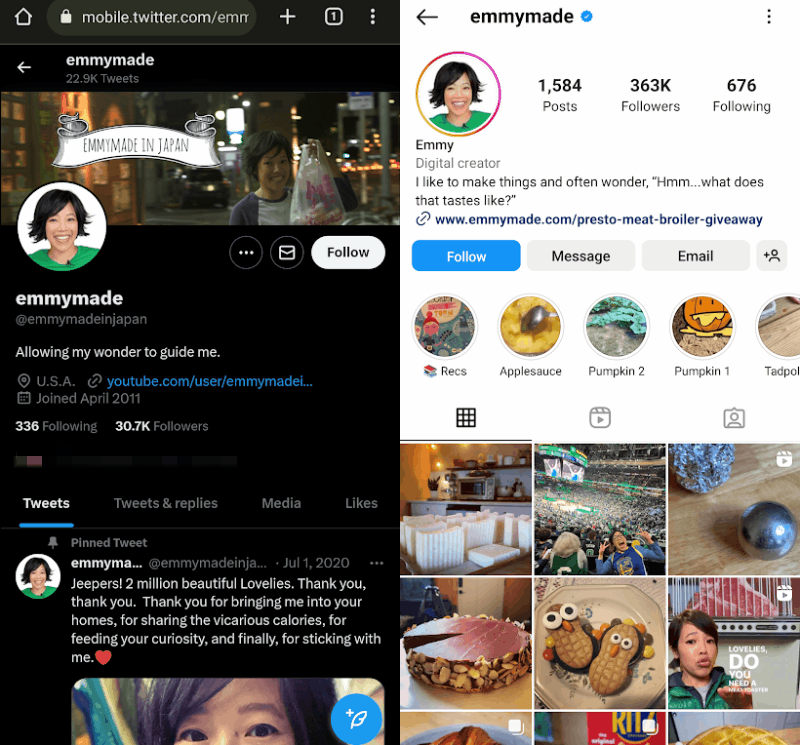
- Instagram and TikTok: Cater to visual niches, lifestyle creators, and those utilizing short-form video to educate or entertain broader consumer bases.
- YouTube: Functions as the optimal channel for long-form, evergreen educational content and deep-dive technical explanations.
- Substack and Independent Newsletters: Provide long-form thought leadership and enable creators to build owned audiences independent of algorithm volatility.
Phase 3: Delivering Distinct Value
Audience retention is predicated entirely on the consistent delivery of value. Successful personal brands do not merely broadcast self-promotion; they solve tangible problems for their peers. Value delivery takes many forms, including original industry research, actionable tutorials, synthesized news analysis, entertaining commentary, or curated resource directories. Recent data from influencer marketing analyses indicates that the vast majority of consumers prioritize subject matter relevance and content quality over an account’s raw follower count, validating that niche expertise outweighs sheer popularity.
Phase 4: Maintaining Operational Consistency
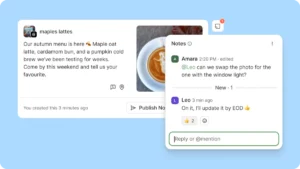
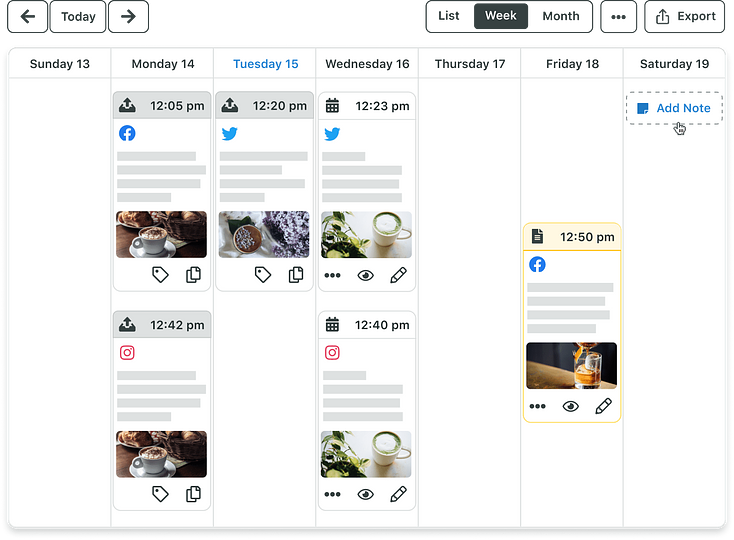
Creating valuable insights represents only half of the equation; maintaining a regular publishing cadence ensures long-term audience retention. Erratic posting schedules lead to algorithmic obscurity and disengagement. Professionals frequently utilize advanced social media management platforms—such as Sprout Social—to schedule content across multiple channels simultaneously, minimizing administrative friction and preventing platform fatigue.
Phase 5: Prioritizing Trust and Relatability
Effective personal branding does not necessitate an extroverted or larger-than-life personality. Introverted practitioners regularly build highly influential brands by focusing on technical depth, transparent problem-solving, and shared professional struggles. Before publishing any content, creators are advised to evaluate whether their output provides genuine utility, aligns with their core professional values, and maintains a respectful, constructive tone.
Phase 6: Analytical Measurement and Iteration
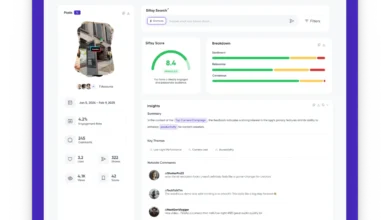
Continuous refinement is vital for long-term viability. Creators must regularly analyze performance metrics—such as profile visits, comment sentiment, direct outreach inquiries, and content shares—to determine which topics resonate most strongly. Leveraging social listening tools allows professionals to monitor un-tagged mentions of their name, brand, or specialized niche across public networks, providing a holistic view of their market impact.
Phase 7: Mitigating Brand Burnout
Because personal branding operates as a long-term professional asset rather than a short-term marketing campaign, practitioners must actively guard against professional exhaustion. Setting clear boundaries regarding digital availability and batch-producing content helps sustain long-term engagement without compromising mental well-being.
The Broader Impact on Enterprise Organizations
The utility of personal branding extends far beyond individual career advancement; it serves as a powerful catalyst for enterprise growth. Forward-thinking organizations increasingly encourage employee advocacy and executive profiling, recognizing that individual voices carry a level of trust that corporate accounts rarely achieve unaided.
Market research indicates that a substantial percentage of consumers discover new commercial products and services through employee-generated content on a monthly basis. Frontline workers and technical specialists are frequently perceived by the public as more authentic and credible than polished, institutional marketing departments.
Enterprise case studies demonstrate the commercial viability of this approach. Major software and technology firms that have implemented structured employee advocacy programs report rapid onboarding of thousands of employee advocates, generating hundreds of thousands of dollars in earned media value within remarkably short timeframes. By empowering employees to build their own professional brands, companies effectively amplify their organic reach, humanize their corporate identity, and attract top-tier talent in an increasingly competitive global economy.
Ultimately, the modern personal brand functions as an portable professional equity. While employers, economic conditions, and industries shift, an authentically built and carefully maintained personal reputation remains entirely under the control of the individual, serving as an enduring asset throughout a dynamic professional lifetime.