The Paradox of Digital Trust: Why Consumers Rely on AI for Discovery But Still Demand Human-Verified Websites for Purchases

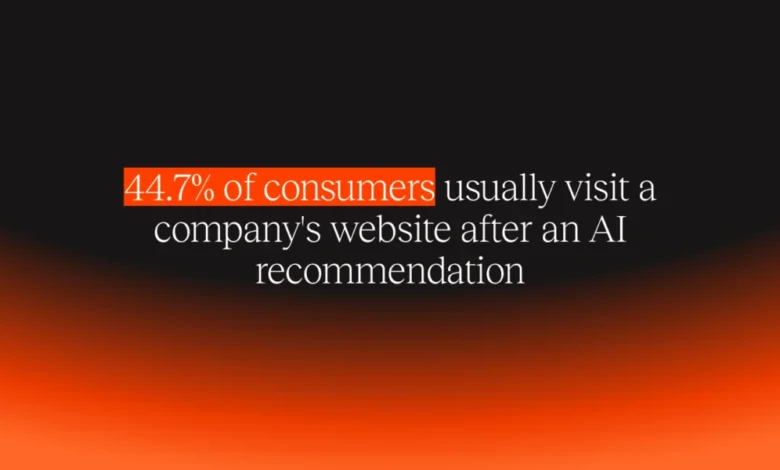
LOS ANGELES — In the rapidly evolving landscape of digital search and consumer behavior, artificial intelligence has fundamentally altered how people discover brands, products, and services. However, a comprehensive new industry report released by managed WordPress hosting provider Kinsta reveals a fascinating and nuanced reality: while consumers increasingly bypass traditional search engines and company homepages in favor of AI-driven research tools, they do not inherently trust the outputs generated by artificial intelligence. Consequently, the company website has not become obsolete; rather, it has transformed into the critical final arbiter of truth, credibility, and transactional security.
The findings, published in September 2026, arrive at a pivotal moment for digital marketers, web developers, and enterprise brands alike. As large language models, generative AI assistants, and conversational search platforms become the default entry point for consumer queries, businesses are forced to reconsider their digital strategies. The core thesis of the Kinsta report suggests that while AI excels at top-of-funnel discovery and narrowing down overwhelming choices, it lacks the definitive authority required to close a sale. For modern consumers, the journey may begin with an AI prompt, but it must conclude on a fast, secure, and transparent human-managed website.
The Shift Toward AI-First Discovery
The integration of artificial intelligence into daily consumer routines has progressed at an unprecedented pace over the past several years. According to Kinsta’s data, nearly three out of every five consumers—specifically 59.2%—now utilize AI tools either often or occasionally to conduct preliminary product research, compare features, and gather initial recommendations. Furthermore, 53.8% of respondents admit to sometimes or frequently bypassing company websites entirely during the early phases of their purchasing journey.
This behavioral shift is widely expected to accelerate. A striking 61.2% of surveyed consumers believe that artificial intelligence will eventually supplant traditional search engines and company directories as the primary mechanism for discovering new products and services. For businesses, this necessitates a fundamental realignment of visibility strategies. Search engine optimization (SEO) is no longer solely about ranking on traditional search engine results pages; it now encompasses generative engine optimization (GEO), ensuring that AI models accurately index, understand, and recommend a brand’s offerings when prompted by users.
The Trust Deficit: Skepticism in the Age of Generative Media
Despite the widespread adoption of AI for discovery, a profound trust deficit lingers among consumers. The proliferation of AI-generated content, synthetic media, and automated fake reviews across the digital ecosystem has heightened public skepticism. When consumers suspect that content has been artificially generated, their trust plummets: 58% of respondents explicitly state they trust content less when they believe it was created by AI.
Furthermore, traditional habits die hard. Despite the convenience offered by modern language models, 52.1% of consumers maintain that they place more trust in traditional search engine results than in AI-generated answers. Perhaps most telling for e-commerce brands is that a mere 18.8% of consumers are willing to blindly trust AI product recommendations without conducting independent, secondary research.
This widespread skepticism points toward a broader authenticity crisis online. As consumers become increasingly adept at identifying machine-generated text and automated marketing tactics, they crave genuine, verifiable human digital experiences. Brands that fail to project authenticity risk alienating a wary consumer base that is constantly looking for signs of manipulation or deception.
Industry Leaders Weigh In on the New Consumer Journey
The implications of this trust gap are reshaping how digital agencies and infrastructure providers approach client strategies. Cody Landefeld, co-founder and partner at Mode Effect, highlighted the psychological shift occurring the moment a consumer transitions from an AI tool to an actual brand destination.
"Our clients tell us that people don’t take AI-generated content or reviews at face value anymore," Landefeld observed. "When someone lands on a website after getting a recommendation from AI, they’re already asking themselves whether they can trust what they’re looking at."
This transition represents a high-stakes moment for digital infrastructure. Visitors arriving via an AI referral are already in a state of heightened scrutiny. They are not merely browsing; they are seeking validation. Consequently, a website’s technical performance—ranging from load speed and uptime to robust security certificates—plays an instrumental role in either alleviating or confirming that initial skepticism.
Jeremy Fremont, director of business development at Multidots, emphasized that while the discovery phase has evolved, the fundamental psychology of purchasing remains rooted in direct verification.
"AI has changed how people discover a brand, but buying still remains largely the same," Fremont explained. "Consumers still make that call once they are on the website, after they’ve had a chance to check things out for themselves."
The Website as the Ultimate Line of Defense
Rather than signaling the death of the traditional corporate website, the rise of artificial intelligence has elevated its importance. Matt Reid, chief marketing officer at Kinsta, encapsulated this dynamic by framing the company website as an indispensable trust anchor.
"People are using AI to narrow their options, then coming to websites to make sure the recommendation checks out," Reid said. "Websites aren’t becoming less important because of AI. If anything, they’ve become the crucial last line of defense against bad information."
In practical terms, this means that web design and hosting infrastructure must evolve beyond simple aesthetic appeal. A slow-loading page, broken links, outdated security protocols, or difficult navigation can instantly shatter the fragile trust built during the AI research phase. For high-traffic e-commerce platforms and enterprise businesses, maintaining flawless technical performance is no longer just a matter of convenience; it is a primary conversion driver.
Chronology of the Digital Search Transformation
To fully understand the current state of consumer trust and web reliance, it is helpful to examine the rapid chronology of recent digital milestones:
- 2022–2023: The explosive public debut of advanced generative AI tools introduces millions of users to conversational search, sparking initial speculation about the imminent demise of traditional web browsing.
- 2024–2025: As generative AI becomes deeply integrated into everyday applications, web traffic patterns begin to shift. Businesses notice a decline in direct organic search traffic, offset by growing referral traffic from conversational AI platforms and automated assistants.
- 2025: The digital landscape experiences a surge in AI-generated content and automated reviews, leading to growing user fatigue and heightened skepticism regarding online authenticity. During this year alone, infrastructure providers like Kinsta experience massive scaling demands, onboarding over 65,000 new sites as enterprises race to optimize their web presence.
- 2026: Comprehensive industry studies, such as the Kinsta report, quantify the dual consumer behavior of utilizing AI for top-of-funnel research while steadfastly relying on verified company websites for bottom-of-funnel validation and purchasing decisions.
Broader Implications and Future Outlook for Brands
The findings from Kinsta’s report offer clear strategic directives for businesses navigating the mid-2020s digital economy. The symbiosis between artificial intelligence and traditional web infrastructure requires a dual-pronged approach to marketing and technology:
- Optimizing for AI Discovery: Brands must ensure their digital footprints are easily parsed and accurately represented by large language models and conversational search engines. This involves structured data optimization, clear product categorization, and transparent brand messaging that AI algorithms can reliably interpret.
- Fortifying Technical Infrastructure: Because AI-referred visitors arrive with an inherent layer of skepticism, companies cannot afford technical friction. Fast page load times, robust cybersecurity measures, seamless mobile responsiveness, and 99.9% uptime are essential baseline requirements to reassure cautious buyers.
- Cultivating Radical Transparency: To combat the skepticism associated with AI-generated content, brands must emphasize human-centric proof points. Verified customer reviews, authentic case studies, transparent sourcing, and clear return policies help bridge the gap between AI recommendation and final checkout.
As artificial intelligence continues to mature and integrate deeper into daily life, the digital ecosystem will undoubtedly face new transformations. However, the prevailing evidence indicates that technology cannot entirely replace the need for verifiable, secure, and authentic human digital destinations. For consumers seeking certainty in an increasingly automated world, the company website remains the ultimate destination where promises are tested, trust is earned, and transactions are finalized.