The Intersection of Artistic Expression and Technical Innovation in Open Source Software Development

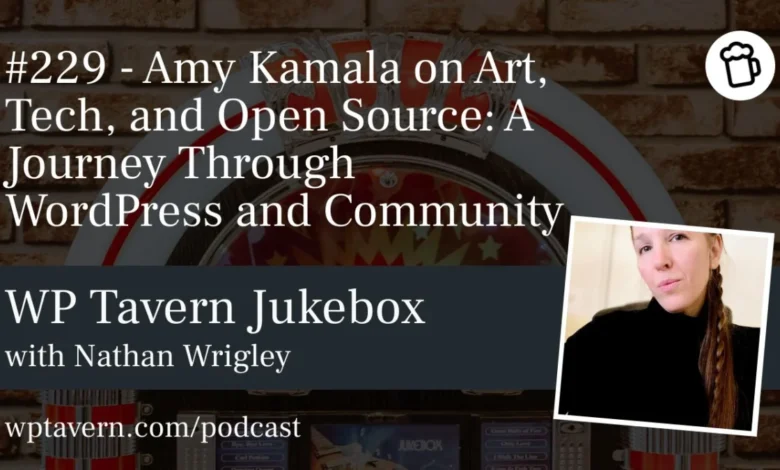
The evolution of the modern web is frequently viewed through the narrow prism of binary logic and efficiency, yet the underlying architecture of digital platforms often relies on a synthesis of creative design and rigorous technical problem-solving. Amy Kamala, a multifaceted professional with an academic background in Fine Arts from UCLA, exemplifies this intersection. Her career trajectory—spanning roles at DreamHost, InMotion Hosting, and local government—serves as a case study for the blurring lines between creative disciplines and software engineering. Currently, as an Elementor-sponsored contributor to the WordPress project, Kamala provides a unique perspective on how artistic intuition informs user experience (UX) design and how community-driven open source development remains a vital, human-centric endeavor.
A Non-Traditional Path to Technical Leadership
Kamala’s entry into the tech sector was not the result of a linear career plan but rather an organic transition triggered by the necessity of digital tools in fine art production. By 2015, while working at DreamHost, she began to formalize her technical skill set, moving from social support roles to managing specialized WordPress teams. Her experience highlights a recurring trend in the tech industry: the increasing demand for "T-shaped" professionals—individuals who possess deep knowledge in one area while maintaining a broad understanding of multiple disciplines.
During her tenure at InMotion Hosting, Kamala managed a diverse team of five developers and three UI/UX designers, overseeing more than 23 corporate assets. This role necessitated a mastery of DevOps pipelines, infrastructure management, and project coordination. Her ability to synthesize these technical requirements with aesthetic considerations underscores a broader industry shift: the recognition that software is not merely a functional tool, but an experiential medium. As noted by industry analysts, the success of platforms like Apple or WordPress often hinges on the "experiential" quality of the software—a factor that requires the creative sensibilities typically honed in arts education.
The Chronology of an Open Source Contributor
The WordPress project, which powers approximately 43% of the world’s websites, relies heavily on a decentralized model of contribution. For Kamala, this involvement began in 2018. Her journey from an eager participant to a recognized leader within the Hosting and Core teams illustrates the accessibility of the WordPress contribution model.
- 2015–2019: Transition from technical support to leadership roles at DreamHost; introduction to WordPress community contribution.
- 2019: First appointment as a team representative for the Hosting Team.
- 2020–2021: Expansion of responsibilities to include infrastructure management and DevOps at InMotion Hosting; early participation in Core release squads.
- 2022–2023: Engagement in the Release Model Working Group to audit and optimize the WordPress release process.
- 2023–Present: Formal sponsorship by Elementor to continue open source development work.
This timeline reflects a maturing commitment to the ecosystem. Sponsorship, a model where corporations provide financial support to developers to contribute to open source, has become a critical pillar for the sustainability of projects like WordPress. By funding developers like Kamala, companies such as Elementor ensure that the software remains robust, secure, and user-friendly, effectively turning the "free" nature of open source into a sustainable professional ecosystem.
The Psychology of Open Source Contribution
One of the most persistent questions regarding open source projects is why individuals volunteer thousands of hours to improve a product they do not own. Data from the Linux Foundation and other open source surveys suggest that while professional advancement is a key driver, the sense of community and the desire to build "something bigger than oneself" are equally significant motivators.
Kamala’s experience reinforces this data. She identifies the "meaningfulness" of the project as a primary catalyst for her continued engagement. In an era of remote work, where isolation can be a significant challenge, the WordPress community provides a social and professional framework that fulfills basic human needs for connection and collective achievement. The "chaotic, creative overlap" between the logical requirements of code and the human-centric focus of community management is where the true value of the ecosystem lies.
Fact-Based Analysis: The Role of Community in Software Longevity
The sustainability of a project like WordPress is often threatened by the "tragedy of the commons," where individuals take value from a project without contributing back. The organizational structure of WordPress.org, which manages thousands of contributors across various teams (Core, Hosting, Documentation, Accessibility, etc.), acts as a buffer against this.
The implications of having contributors with diverse backgrounds—such as Kamala’s art history degree—are profound. Research into team performance indicates that diverse cognitive styles lead to better problem-solving outcomes. By bringing an artist’s perspective to a developer-heavy environment, contributors like Kamala can identify UX flaws that a strictly logical approach might miss. For instance, the "code is poetry" ethos of WordPress is not just a slogan; it is an acknowledgment that the structure, readability, and user experience of code are just as important as its functionality.
The Impact of Public Failure and Collaborative Growth
A defining characteristic of successful open source contributors, according to Kamala, is the willingness to "fail publicly." In a professional environment, this is often discouraged. However, in an open source setting, the transparency of Slack channels and public documentation means that mistakes are documented and used for collective learning.
This culture of "failing forward" is a significant contributor to the rapid iteration cycles of WordPress. When a bug is discovered or a feature is implemented, the feedback loop—which includes input from thousands of volunteers—is significantly faster than that of a closed-source, proprietary software model. The psychological safety required to make this work is fostered by long-term contributors who prioritize mentorship over gatekeeping.
Future Outlook for Open Source Careers
The trajectory of Kamala’s career suggests that the future of software development will continue to demand a hybrid of technical and soft skills. As AI-driven coding assistants become more prevalent, the value of the human developer will likely shift toward architecture, UX strategy, and community coordination.
The professionalization of open source contribution, seen in the rise of sponsorship programs, is an encouraging sign for the health of the web. It ensures that the "digital infrastructure" of the internet is maintained by experts who are properly compensated for their time. As projects continue to evolve, the integration of artistic, psychological, and technical mindsets will remain the hallmark of successful innovation.
Ultimately, the story of WordPress is not just about the code itself, but about the people who, like Kamala, find value in the act of contributing. It is a reminder that even in a world increasingly dominated by automation, the most vital components of global digital infrastructure remain the human connections and the shared sense of purpose that bind the open source community together. Whether it is through the Hosting Team’s quiet maintenance or the Core Team’s high-profile releases, the contributions of volunteers remain the primary engine of web innovation, proving that the most complex technical challenges are often solved by the most human of efforts.
Related posts: