How to Successfully Migrate Your Email Subscriber List from Mailchimp to Flodesk Amid Changing Industry Pricing Models

The digital publishing and email marketing landscape has undergone significant structural transformations over recent years, driven largely by shifts from tiered, volume-based pricing models to flat-rate alternatives. For years, major ESPs like Mailchimp dominated the market, offering robust automation workflows, extensive third-party integrations, and advanced analytics. However, as subscriber bases grow, these tiered platforms frequently become cost-prohibitive for independent creators, small businesses, and niche publishers. This economic pressure has spurred a migration trend toward alternative services such as Flodesk, which initially gained market share by offering unlimited subscribers and flat-rate pricing structures.
Transitioning an email marketing infrastructure from an entrenched provider like Mailchimp to a newer platform requires careful technical execution. Digital publishers must navigate data extraction, schema mapping, subscriber segmentation, and email deliverability protocols—commonly referred to as domain warming—to protect their sender reputation. Industry analysts note that while such platform migrations are increasingly common, improper execution can lead to high bounce rates, spam folder placement, and permanent loss of subscriber metadata. Consequently, a standardized, four-step migration methodology has emerged as the industry best practice for minimizing operational disruption during a transition.

Background Context and Market Evolution
The shift away from legacy email service providers is part of a broader macroeconomic adjustment within the software-as-a-service (SaaS) industry. Over the past decade, tiered subscriber pricing has been the gold standard for monetization. Under this model, publishers pay incrementally higher monthly fees as their database grows, regardless of how frequently they email their audience or how profitable their newsletter operations are. For content-heavy websites that accumulated hundreds of thousands of subscribers over years of operation, monthly overhead costs frequently scaled into hundreds or even thousands of dollars.
In response, alternative platforms introduced flat-rate pricing models, decoupling database size from monthly subscription costs. This democratization of email marketing appealed heavily to bootstrap operations, bloggers, and digital media brands seeking to rein in operational expenses. However, market pressures have recently forced platforms like Flodesk to reconsider unlimited structures, phasing out legacy pricing tiers in favor of sustainable, usage-adjusted models. This regulatory and pricing volatility has created a window of urgency for publishers seeking to lock in predictable software expenditures before grandfathered or unlimited plans are entirely retired.
Chronology of the Migration Process
Executing a seamless database migration requires a structured, chronological approach that safeguards data integrity and ensures continuity of communication. Industry experts recommend breaking the migration lifecycle down into four distinct phases: extraction, preparation, segmentation, and ingestion.

Phase 1: Data Extraction from Mailchimp
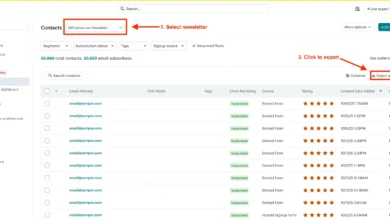
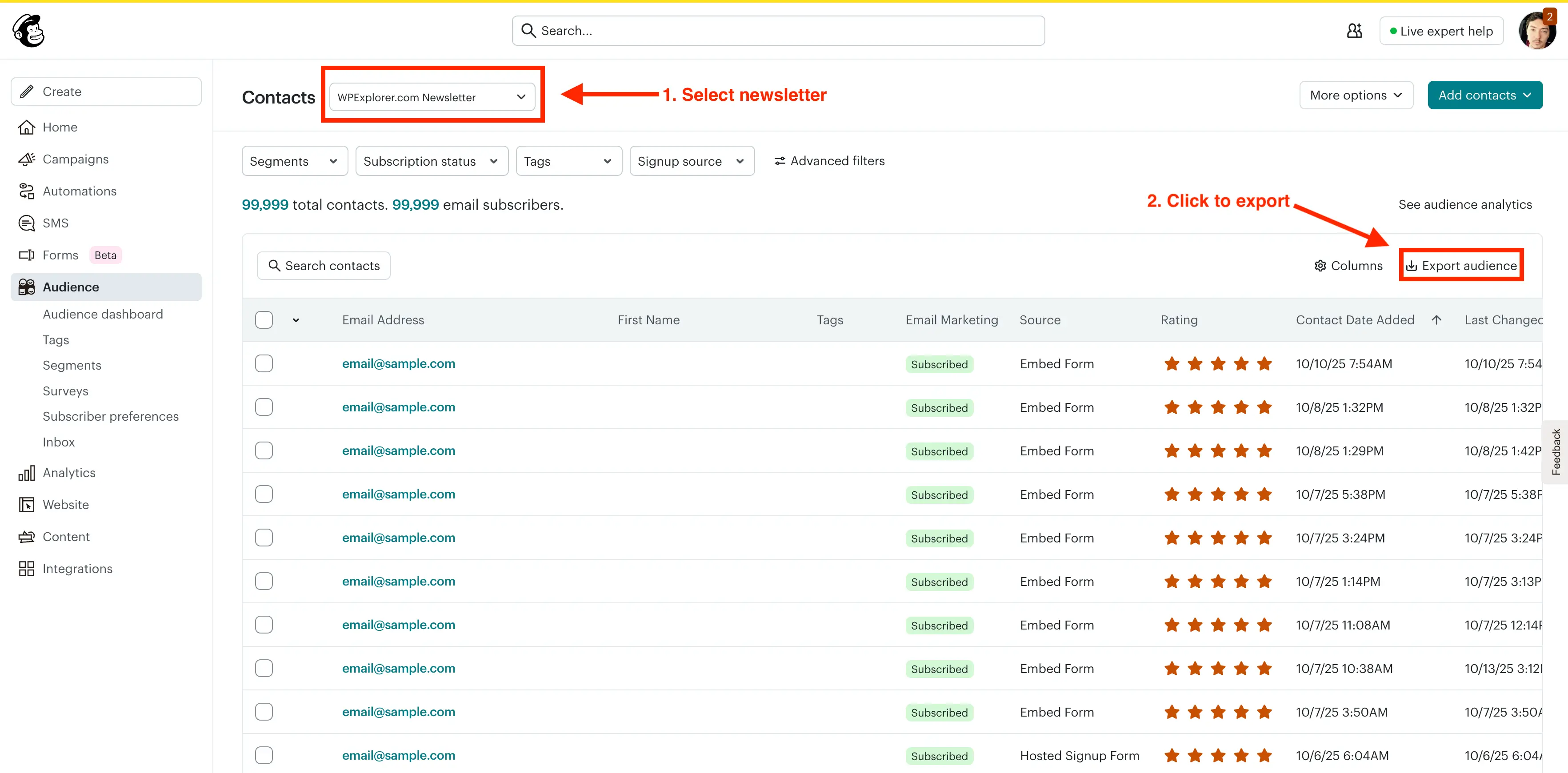
The migration sequence begins within the legacy ecosystem. Publishers must generate a comprehensive data export from their primary audience database. Within Mailchimp, this involves navigating to the Audience dashboard, selecting the active subscriber segment, and executing an archive export. This process compiles all active subscriber records—including email addresses, first and alternate names, signup timestamps, engagement scores, and custom tags—into a compressed archive (ZIP) containing comma-separated values (CSV) format.
Phase 2: Schema Preparation and File Normalization
Raw exports from legacy platforms rarely map directly into the database schemas of destination platforms without manual intervention. Once the Mailchimp ZIP file is extracted, data administrators must inspect the CSV structure. Legacy exports often contain dozens of extraneous system-generated columns—such as internal tracking IDs, specific opt-in source IP addresses, and automated engagement metrics—that are incompatible with target environments like Flodesk.
To prevent import errors, publishers are advised to clean and normalize the CSV file. This involves aligning column headers with the target platform’s native import fields (e.g., standardizing "EMAIL_ADDRESS" to "email" and "FNAME" to "first_name"). Retaining critical historical data, such as Mailchimp’s proprietary Member Rating or engagement tier, requires mapping these metrics to custom fields in the destination database, which later aids in identifying high-value subscribers during the domain warm-up phase.
Phase 3: Structural Segmentation in Flodesk
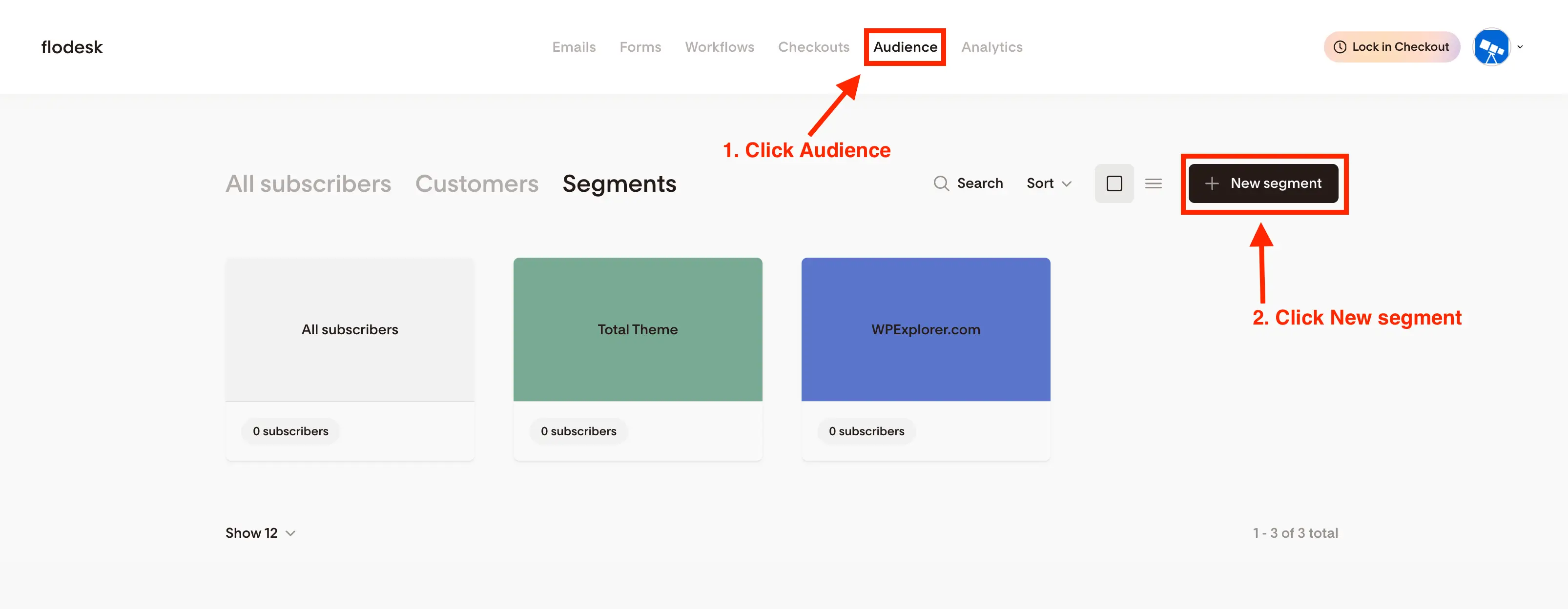
Before importing raw contact data, administrators should establish organizational architectures within the destination platform. Directing an entire migrated list into a single, monolithic database is discouraged by email deliverability experts. Instead, publishers should create distinct segments that mirror previous organizational structures or categorize users by acquisition channel and engagement status.
Creating descriptive segments—such as "Imported_Legacy_Audience" or separating customers from free newsletter subscribers—allows for granular control over future campaigns. This segmentation is foundational for executing targeted re-engagement campaigns and ensures compliance with modern data privacy and anti-spam regulations by keeping active and inactive contacts logically isolated.
Phase 4: Ingestion and Schema Mapping
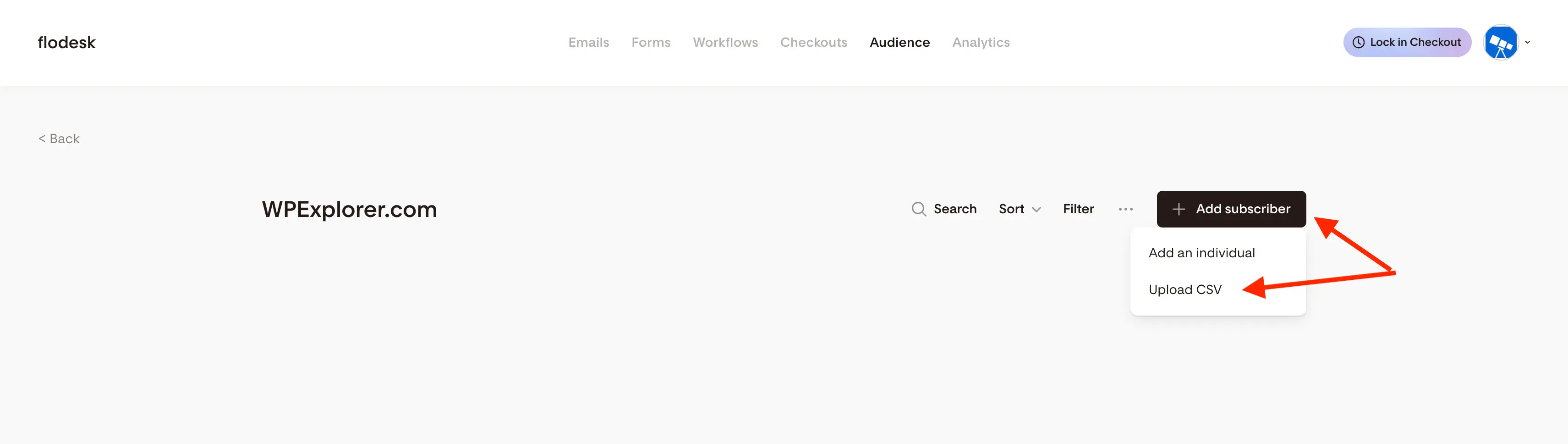
The final technical phase involves uploading the normalized CSV file into the destination platform and executing field mapping. During this stage, the administrator instructs the software on how to pair each column in the CSV file with the corresponding data field in the destination system. Once mapping is confirmed, the import job is queued on the server side. Depending on database size, processing can take anywhere from a few minutes to several hours, concluding with an automated notification confirming the completion of the data ingestion.
Technical Implications and Deliverability Management
A critical oversight in many platform migrations is the neglect of domain reputation management. When a publisher switches email service providers, the underlying sending infrastructure changes. Even if the sending domain remains identical (e.g., [email protected]), the IP addresses and underlying authentication protocols (such as SPF, DKIM, and DMARC alignment) handled by the new ESP must be established with major mailbox providers like Google, Microsoft, and Yahoo.
If a publisher immediately broadcasts a newly imported list of tens of thousands of subscribers using a fresh ESP infrastructure without warning mailbox filters, automated spam detection algorithms frequently flag the sudden volume spike as suspicious. This can result in widespread placement in junk folders, severely degrading open rates and sender reputation.
To mitigate this risk, deliverability engineers recommend a "domain warm-up" protocol. This strategy involves staggering outbound volume over a period of 14 to 30 days, beginning with the most highly engaged subscribers. By utilizing the engagement metrics preserved during the CSV preparation phase—such as historical open rates or legacy member ratings—publishers can send their initial migration broadcasts exclusively to their most loyal readers. Because these recipients routinely open and interact with the incoming mail, mailbox providers quickly register the new sending infrastructure as legitimate, establishing a positive reputation that permits safely scaling up broadcast volume to the wider, unverified database.
Broader Industry Impact and Future Outlook
The migration trend from legacy tiered systems to flat-rate or alternative billing platforms highlights a maturing market where software switching costs are steadily declining. As interoperability standards improve through universal CSV formats and robust API connectors, digital publishers are increasingly willing to audit their software stacks and eliminate redundant features that inflate operational overhead.
At the same time, the tightening of pricing models across the email marketing sector suggests that indefinite, truly unlimited flat-rate plans may become a relic of the past. As email infrastructure costs rise alongside stricter anti-spam compliance enforcement from global tech giants, ESPs must balance economic sustainability with competitive pricing. For digital publishers and content creators, the overarching takeaway is the necessity of maintaining clean, portable subscriber databases and adhering to rigorous deliverability protocols, ensuring that operational migrations can be executed swiftly without sacrificing audience reach or brand equity.