The Future of Open Source Sustainability and the Shift from Charity to Utility Models

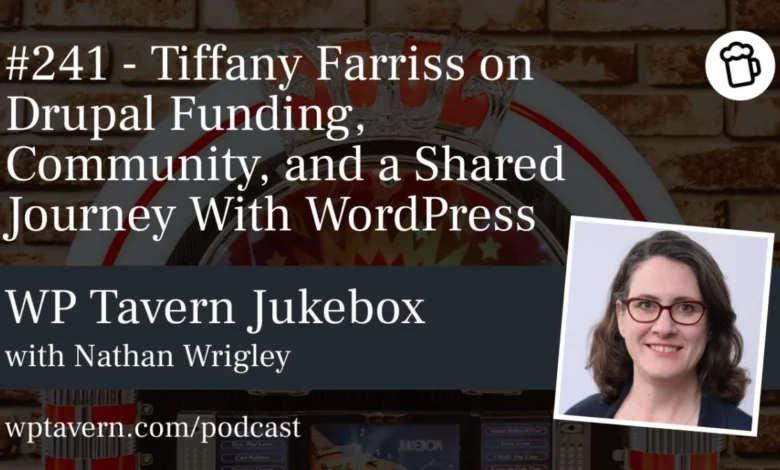
The open source ecosystem, which serves as the foundational infrastructure for a vast majority of the modern web, is currently grappling with an existential sustainability crisis. For decades, the growth of platforms like WordPress, Drupal, and PHP has been fueled by a combination of volunteer labor and corporate goodwill. However, as these technologies have evolved from niche hobbyist projects into critical global utilities, the traditional models of funding and maintenance have proven insufficient. Tiffany Farriss, interim CEO of the Drupal Association and a veteran of the web design and development industry for 30 years, is leading a push to redefine how open source projects are funded, governed, and perceived by the global digital economy.
The central issue, often referred to as the maker-taker dilemma, highlights a significant imbalance in the open source community. A small, dedicated percentage of organizations and individuals contribute the vast majority of the time, code, and financial support necessary to keep these projects secure and functional. Conversely, a large population of users and corporate entities derive significant commercial value from these platforms without contributing proportionally to the costs of stewardship. As economic pressures mount and the influence of artificial intelligence creates new, unforeseen demands on infrastructure, the status quo is becoming increasingly untenable.
The Evolution of Open Source Infrastructure
The development of the modern web has been characterized by serendipitous growth. In the early 2000s, projects like Drupal were not designed with the intention of becoming the backbone of government and enterprise infrastructure. As these projects matured, they adopted more robust packaging and distribution systems, such as Composer for PHP-based applications. While these advancements greatly improved usability and integration, they also transformed the projects into essential utilities.
This shift brought with it a hidden cost structure. Maintaining core repositories, security coordination teams, and event-based knowledge sharing platforms requires significant capital. Historically, this funding was often tied to events like DrupalCons or sporadic corporate sponsorships. The COVID-19 pandemic served as a harsh catalyst, exposing the fragility of models that relied heavily on in-person gatherings. When conferences were canceled or moved to virtual formats, the financial gaps in project maintenance became impossible to ignore.
Farriss notes that in the case of Drupal, the organization provides approximately $10 worth of services to every active installation annually. However, the organization only recoups a fraction of that cost. This deficit is currently being bridged by a small group of highly active agencies and contributors, creating a system that is not only unfair to the "makers" but also risks the stability of the entire project should those few contributors falter.
Quantifying the Cost of Stewardship
To address these sustainability challenges, the Drupal Association is shifting its strategy from a "charity" mindset to a "utility" model. This involves making the costs of open source stewardship visible and measurable. By analyzing contribution data, the Association has identified that roughly 94% of financial contributions come from a mere 5% of the organizations involved in the ecosystem.
This transparency is the first step toward rectifying the imbalance. By quantifying the labor and infrastructure costs—often cited as roughly $40 per site annually when accounting for both administrative and community-driven maintenance—projects can better articulate their value to the organizations that rely on them. This figure accounts for essential operational roles such as security patching, release management, and platform hosting, which are frequently taken for granted as being "free."
The Role of Procurement and Regulatory Shifts
A critical pillar of this new strategy involves engaging with public sector procurement. Governments across the globe, particularly in the European Union, are increasingly prioritizing digital sovereignty. As nations seek to reduce reliance on proprietary, foreign-controlled software, they are turning toward open source solutions. However, procurement officers are often ill-equipped to evaluate the "health" or "sustainability" of the open source projects they are adopting.
To bridge this gap, the Drupal Association is developing a new, comprehensive certification program. Unlike previous initiatives that functioned largely as marketing tools for agencies, this new program is designed to act as a public, transparent ledger. It categorizes contributions into three pillars: making (code and technical contributions), patronage (direct funding of infrastructure), and advocacy (documentation and community support).
This system aims to provide procurement officers with a clear, objective metric. When a government body evaluates vendors for a project, they will be able to see which organizations are actively investing in the long-term viability of the software being implemented. This incentivizes "virtuous" behavior, where contributing to the upstream project becomes a competitive advantage rather than an uncompensated tax on the agency.
Legislative Pressures and Risk Management
The regulatory landscape is also forcing a change in how businesses view open source. The European Union’s Cyber Resilience Act and the increasing requirement for Software Bill of Materials (SBOMs) are shifting the burden of security from the project maintainers to the companies that distribute and implement the software.
Under these new frameworks, a company that builds a service on top of open source code acts as a manufacturer. Consequently, they bear liability for security vulnerabilities within that supply chain. This legal reality is expected to act as a "stick" to encourage better stewardship. Businesses that previously ignored the underlying health of the open source libraries they utilized can no longer afford such negligence. By contributing back to the project—through patching or financial support—they are effectively engaging in risk management, protecting their own investments, and fulfilling their obligations under emerging cybersecurity laws.
The Path Toward a Sustainable Future
The transition toward a utility-based model for open source is not expected to be instantaneous, nor will it be uniform across all communities. However, the alignment of regulatory requirements, public sector demand for digital sovereignty, and the efforts of organizations like the Drupal Association suggest a significant shift is underway.
The goal is not to punish "takers" or to force universal participation, but rather to create a standard where the value extracted from open source is balanced by the investment in its maintenance. By making the infrastructure costs visible, providing clear pathways for contribution, and leveraging procurement as a tool for accountability, the leaders of these projects hope to secure the future of the web for the next several decades.
For the PHP family of projects, including WordPress, Joomla, and TYPO3, this period of experimentation is vital. Collaborative efforts, such as the Open Web Alliance, provide a forum for these projects to share strategies and standardize their approaches to funding and governance. As these projects mature into the foundational layers of global society, the shift from a culture of passive, free consumption to one of active, responsible stewardship is no longer an optional evolution—it is a necessity for the survival of the open internet.
Implications for the Broader Tech Industry
The implications of this shift extend far beyond the PHP community. As other open source ecosystems—from Python and Rust to the Apache Foundation—face similar challenges, the solutions developed by the Drupal Association may serve as a blueprint for the entire industry. The movement toward standardized contribution metrics and procurement-linked incentives could define the next era of software development.
Ultimately, the goal is to reach a state where organizations view their contributions to open source not as a donation, but as an essential operational expense—comparable to electricity or water utilities. As the digital world continues to expand, the reliability and security of these foundational projects will depend on the collective ability of the tech industry to move past the myth of the "free" beer and toward a model of shared responsibility. Through this lens, the ongoing efforts to formalize stewardship represent a significant maturation of the software industry, ensuring that the collaborative spirit of open source can survive the pressures of its own success.