A Chronology of the Sunset
The decision to retire the widget did not come as a surprise to those following Google’s developer communications. The first signals of this shift appeared in May 2020, when Google published an update on its Search Central blog regarding the deprecation of the Website Translator. Initially, the announcement was met with little urgency from the broader web development community, as the widget continued to function without major disruption for several years.
However, as the deadline approached, the implications for thousands of legacy websites became clearer. Google’s transition strategy centers on pushing users toward the Cloud Translation API. Unlike the static, client-side widget, the Cloud Translation API is a robust, server-side enterprise tool designed to handle dynamic content at scale. While this shift aligns with Google’s broader strategy of monetization through its cloud infrastructure, it effectively ends the era of "set-and-forget" free translation for standard web pages.
The Shift in Translation Technology
To understand the necessity of this change, one must examine the evolution of machine translation (MT). In the early 2010s, when the Website Translator was in its prime, the primary goal was accessibility—ensuring that a user could get the "gist" of a foreign-language webpage. The widget performed this task adequately by injecting an iframe or overlay that sent the page content to Google’s servers, which then returned a translated DOM.

Today, however, the requirements for a globalized web are vastly more complex. Modern web standards emphasize speed, accessibility, and, most importantly, Search Engine Optimization (SEO). The legacy widget was famously invisible to search engine crawlers. Because the translation occurred entirely in the user’s browser (client-side), search engines like Google, Bing, and DuckDuckGo would only index the original source language of the page. Consequently, a website might appear to be multilingual to a human visitor, but it would remain invisible to a user searching in a target language. This limitation is a significant hurdle for businesses looking to expand into international markets, as it prevents the site from ranking for localized keywords.
Market Response and Alternative Solutions
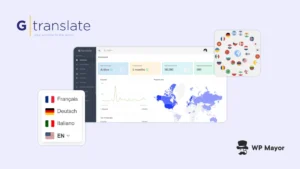
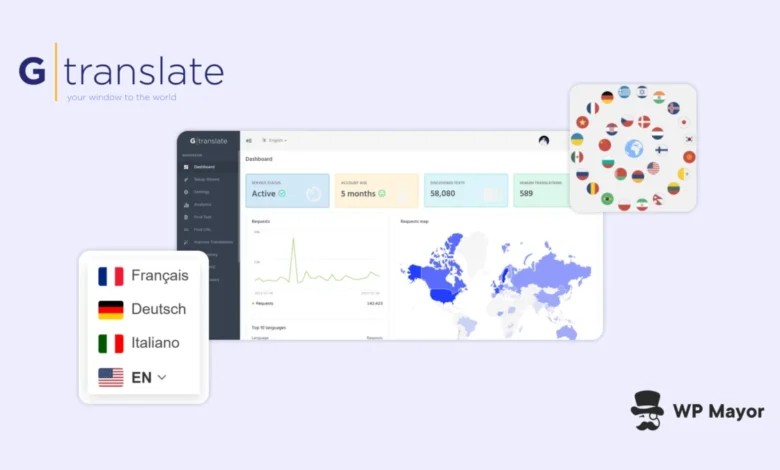
The imminent retirement of the widget has triggered a proactive response from third-party developers, most notably GTranslate. As a widely utilized solution in the WordPress ecosystem, GTranslate has positioned itself as the logical successor for those displaced by Google’s decision. The company has introduced a free version of its own widget designed to mimic the simplicity of the legacy Google tool, specifically for non-commercial entities such as personal blogs, government portals, and educational projects.
The availability of these alternatives highlights a fundamental divide in the market. On one side are the "free-tier" users who prioritize simplicity and do not require SEO benefits. On the other are commercial entities—e-commerce stores, B2B service providers, and digital publishers—who require a more permanent, indexable, and high-quality translation solution. For these users, the transition is not merely about finding a new "widget" but about migrating to a professional-grade translation management system (TMS).
Analyzing the Technical Implications for Site Owners
For developers managing a portfolio of websites, the technical transition is the most pressing concern. The legacy Google widget was frequently hard-coded into footer files, template headers, or widgetized areas of content management systems (CMS). Replacing these requires a systematic audit of all active sites.

The process involves two main steps:
- The Removal Phase: Developers must locate and excise the specific Google script tags—typically referencing
translate_a/element.jsorgoogle_translate_element. Failing to remove these scripts before the deadline may result in broken console errors or, at worst, unpredictable layout shifts as the browser attempts to load a non-existent external library. - The Integration Phase: Modern solutions, such as the GTranslate plugin for WordPress or custom script integrations for HTML/Joomla/Drupal sites, offer more control. Unlike the Google widget, which offered limited design customization, these modern alternatives allow for CSS-based styling, flag icons, and, crucially, the ability to define specific URL structures for different languages.
The SEO Imperative: Why Widgets Are Not Enough
A core technical point often misunderstood by site owners is the difference between "browser translation" and "multilingual indexing." A browser translation widget is a convenience feature. It does not create new pages. If a user visits an English site and clicks "Spanish," the browser translates the text, but the URL remains the same, and no new content is sent to the search index.
Professional translation, conversely, involves creating distinct, crawlable versions of a page—typically via subdirectories (/es/), subdomains (es.example.com), or country-coded top-level domains (ccTLDs like .es or .fr). This structure allows search engines to index the content in the target language. By moving away from the Google widget, site owners are being forced to confront the reality that true international growth requires an investment in proper infrastructure.
Official Guidance and Industry Best Practices
Google has been explicit in its recommendation for those who need ongoing, reliable translation. The Cloud Translation API is designed for programmatic integration. It allows for higher quality output, integration with neural machine translation (NMT) models, and the ability to cache translations, which reduces latency and costs.

However, industry experts suggest that for smaller organizations, the cost of the Cloud Translation API—which operates on a pay-per-character model—can be prohibitive. This is why the market is seeing a surge in "proxy-based" or "plugin-based" translation services. These services often utilize Google’s or DeepL’s APIs but provide a user-friendly wrapper that handles the complexities of page structure and SEO metadata, such as hreflang tags, which are essential for telling search engines which version of a page to serve to which region.
The Road Ahead: October 1, 2026
With the deadline now just over a week away, the industry is entering a "cleanup" phase. Many web agencies and freelance developers are currently auditing client sites to ensure that the removal of the Google widget does not trigger unforeseen errors.
The sunsetting of this tool serves as a symbolic marker for the web’s maturation. The "low-code" era of simple, one-click translation is being replaced by a more disciplined approach to digital content. While some may view the loss of a free, simple widget as a setback, it is ultimately a catalyst for better practices. As the internet becomes increasingly global, the reliance on rudimentary browser-based translation is no longer sufficient for businesses that aim to compete on an international stage.
For those still relying on the legacy snippet, the recommendation from the development community is unanimous: move quickly. Waiting for the official shutdown date increases the risk of site performance issues and degraded user experience. By transitioning to a modern, supported solution—whether a free alternative for basic needs or a robust, SEO-friendly platform for commercial expansion—site owners can ensure that their content remains accessible to a global audience long after the Google Website Translator widget is relegated to the history books of web development.
Related posts: