The global ecommerce landscape is currently undergoing a structural shift characterized by the rapid integration of "agentic" artificial intelligence—systems capable of not just processing information, but executing complex, multi-step tasks on behalf of merchants and consumers. From Shopify’s new design interfaces to Amazon’s comprehensive advertising agents, the latest round of product releases underscores a move away from manual dashboard management toward automated, autonomous operations.
The Rise of Agentic AI in Storefront Design and Management
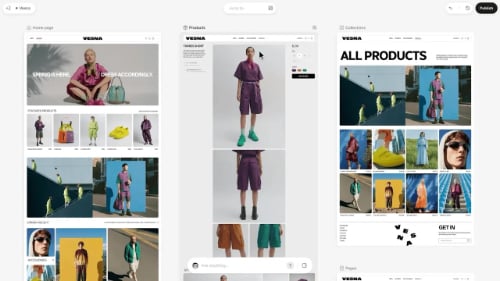
The most significant development this week is Shopify’s introduction of Canvas, a new design surface that fundamentally changes how merchants interact with their online stores. By integrating "Sidekick," Shopify’s proprietary AI agent, into the design process, the platform is attempting to bridge the gap between creative vision and technical execution. Users can now manipulate page layouts and visual themes through natural language requests, while the AI performs real-time validation to ensure that design changes adhere to the store’s established brand identity. This reflects a broader industry trend where design tools are transitioning from static drag-and-drop interfaces to conversational AI workspaces.

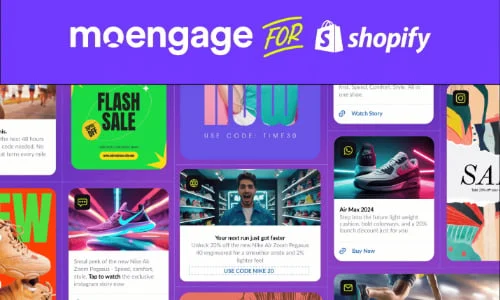
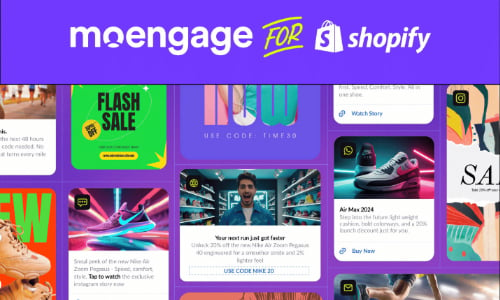
Complementing this, MoEngage has launched its new customer engagement platform specifically for Shopify. This integration is designed to unify fragmented customer data across disparate channels, including WhatsApp, SMS, and email. By leveraging agentic AI, MoEngage aims to automate the end-to-end lifecycle of a marketing campaign, from initial creative drafting to performance reporting and multi-regional messaging adjustments.
In the realm of backend management, Swap’s acquisition of Vizby marks a strategic effort to enhance AI-powered discovery. By merging Vizby’s visibility tools with its existing "Checkout+" and "Storefront" capabilities, Swap is positioning itself to help merchants improve how their products appear in AI-driven search results, a critical metric as consumers increasingly turn to LLMs (Large Language Models) for shopping recommendations.
AI-Powered Advertising and Marketplace Optimization
Advertising platforms are simultaneously pivoting to more autonomous models. Amazon has unveiled its "Ads Agent," a platform that consolidates sponsored ads, video, display, and audio campaigns into a single, cohesive workflow. The system allows advertisers to toggle between manual control and AI-driven optimization, effectively lowering the barrier to entry for small-to-medium-sized businesses (SMBs) that may lack dedicated media buying teams.
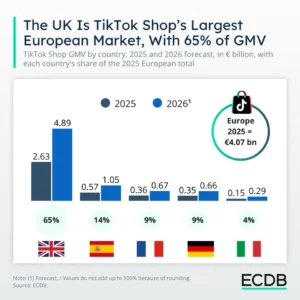
Similarly, TikTok is pushing deeper into "agentic commerce" with the launch of its "Shopping Assistant" and "Buy Direct" features. These tools are designed to facilitate a frictionless path from discovery to transaction. By providing real-time guidance on shipping, sizing, and product availability within the app, TikTok is effectively transforming from a top-of-funnel discovery engine into a full-funnel commerce ecosystem.
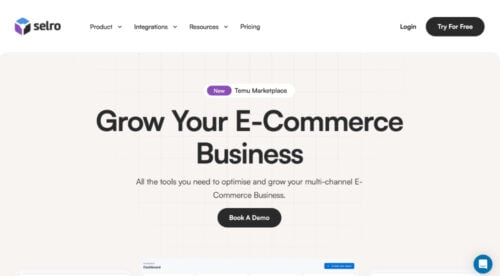
For sellers operating across multiple platforms, the challenge of maintaining accurate, high-quality listings remains a primary pain point. Selro’s new integration with Claude AI offers a solution by automating the generation of product titles, descriptions, and bullet points. This development mirrors the move by Commerce—the parent company of Feedonomics and BigCommerce—to launch data enrichment tools that automatically generate structured metadata and FAQ content. These tools are essential for SEO, as search engines increasingly prioritize content that is formatted for AI interpretation.
Logistics, Fulfillment, and the Return Economy
While software dominates the current news cycle, infrastructure improvements remain vital. A notable pilot program between the U.S. Postal Service (USPS) and Amazon seeks to optimize same-day delivery. By utilizing the existing USPS network, Amazon aims to inject packages into the local mail stream between 12 p.m. and 1 p.m., allowing mail carriers to handle final-mile delivery during their afternoon routes. This pilot is limited to 200 packages per location, but if successful, it could provide a blueprint for a more resilient, hybrid fulfillment model that leverages public infrastructure to meet private demand.
Meanwhile, UPS and TikTok Shop have partnered to address the rising cost of reverse logistics. By expanding the "no-box, no-label" return service through Happy Returns, the companies aim to reduce the friction associated with ecommerce returns. For merchants, this is a significant operational win; industry data suggests that simplified return processes can increase customer lifetime value and improve brand sentiment, even if they present temporary logistical challenges.
Furthermore, ShipStation has launched "Ship with Walmart," providing marketplace sellers with access to discounted shipping rates and enhanced seller protections. This move serves as a strategic counter-effort to ensure that sellers on the Walmart Marketplace can maintain competitive margins in an increasingly expensive logistics environment.
Governance and Security in an Automated World
As businesses rush to deploy AI agents, the issue of governance has come to the forefront. The launch of miniOrange’s Secure MCP (Model Context Protocol) Server for WordPress addresses the security risks inherent in giving AI agents access to website administrative functions. This tool allows businesses to set granular, role-based permissions, ensuring that agents can only execute authorized tasks. This is a vital development for enterprise-level security, as the "agentic" nature of these tools creates new attack vectors if left unmonitored.
Broader Market Implications
The collective weight of these releases points toward a future where the role of the merchant is shifting from a "doer" to an "orchestrator." By offloading repetitive tasks—such as listing creation, customer service, campaign optimization, and data enrichment—to AI agents, merchants are empowered to focus on high-level strategy and product development.
However, this transition is not without challenges. The reliance on platforms like TikTok, Amazon, and Shopify for these automated solutions creates a "walled garden" effect, where merchants are increasingly locked into specific vendor ecosystems. Moreover, as every brand uses similar AI tools to optimize their listings and ads, the market may see a homogenization of content. Brands that succeed in this new era will likely be those that use AI to execute the technical heavy lifting while maintaining a unique, human-centric creative identity.
Chronology of Recent Major Releases:
- Late September 2026: Commerce introduces AI-driven data enrichment for BigCommerce and Feedonomics.
- Early October 2026: Swap acquires Vizby; Easyship expands export infrastructure for U.K. eBay shipping.
- Mid-October 2026: Shopify unveils Canvas; Amazon debuts Ads Agent; UPS launches Secure Commerce suite.
Analysis of the "Agentic" Trend
The transition to agentic commerce is expected to have a lasting impact on ecommerce employment. Roles that were previously dedicated to manual data entry, basic inventory management, and routine campaign monitoring are being replaced by oversight positions. Businesses are now looking for personnel capable of managing AI workflows rather than executing individual tasks. As these technologies mature, the cost of operating an online store is expected to decrease, while the complexity of managing an "AI-augmented" tech stack will likely rise, requiring a new set of digital literacy skills for the modern merchant.
As these tools become standard, the "discovery" phase of the customer journey is also being fundamentally redefined. Tools like Contentstack’s Canoe provide a window into how AI search engines perceive a brand, essentially turning "AI SEO" into a core pillar of digital strategy. This suggests that in the near future, the most important "customer" a brand must satisfy is the AI agent performing the search.