MIT Researchers Harness Artificial Intelligence to Overcome the Ultracold Storage Barrier for Next-Generation mRNA Vaccines

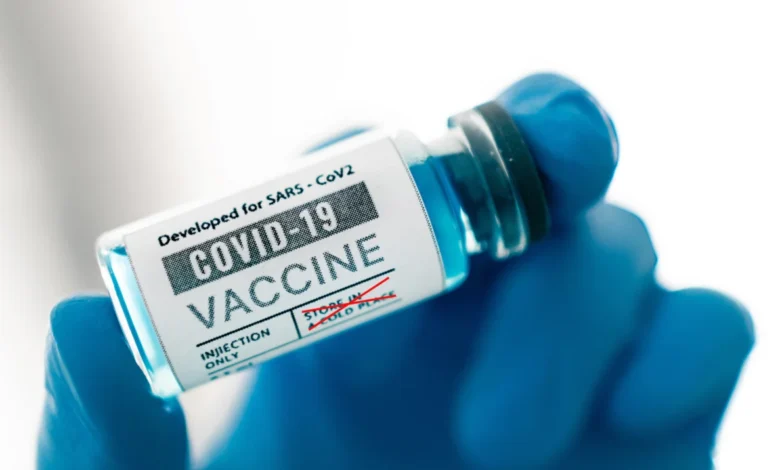
The landscape of modern medicine underwent a fundamental transformation during the global deployment of COVID-19 vaccines, proving the unprecedented speed, adaptability, and efficacy of messenger RNA (mRNA) technology. Beyond infectious diseases, researchers have increasingly trained their sights on utilizing this genetic platform to combat complex conditions, including oncology targets, rare genetic disorders, and emerging viral pathogens. Yet, despite its revolutionary clinical promise, the technology has remained severely shackled by a demanding logistical constraint: the absolute requirement for ultracold storage chains.
To maintain structural integrity, conventional mRNA formulations—encapsulated within fragile lipid nanoparticles (LNPs)—must typically be preserved at temperatures ranging from minus 20 degrees Celsius to as low as minus 80 degrees Celsius. This rigid requirement introduces immense financial, infrastructural, and operational hurdles, particularly when attempting to distribute life-saving therapeutics to remote, under-resourced, or developing regions lacking reliable electricity and refrigeration networks.
Now, a pioneering team of researchers at the Massachusetts Institute of Technology (MIT) has engineered a breakthrough that promises to dismantle this physical barrier. By deploying a specialized artificial intelligence algorithm to optimize the chemical formulation of standard lipid nanoparticles, the MIT investigators have successfully synthesized heat-resistant mRNA vaccines. These newly formulated vaccines maintain complete structural stability and efficacy even after remaining at standard room temperature for up to a full year, or enduring nearly 100 degrees Fahrenheit for a duration of two months. Published in the journal Nature Biotechnology, the discovery not only solves a critical cold-chain dilemma but also unlocks the potential for alternative delivery systems, such as dissolving microneedle skin patches.
Navigating the Fragility of mRNA and the Limitations of Traditional Screening
Messenger RNA is an inherently delicate biological molecule. Once introduced into the body, it instructs human cells to manufacture specific proteins that trigger an adaptive immune response. However, outside of a protected cellular environment, mRNA degrades rapidly when exposed to heat, mechanical stress, or enzymes. To shield the genetic material from premature destruction and facilitate its successful entry into human cells, scientists encapsulate mRNA inside lipid nanoparticles—tiny spheres composed of specialized fats.
While LNPs successfully protect and deliver their genetic payload, the resulting complexes remain acutely sensitive to ambient temperatures. Maintaining the strict cold-chain logistics necessary for distribution demands specialized ultra-low-temperature freezers, dry ice, and specialized transport containers, inflating the cost of vaccination campaigns worldwide and precluding distribution in numerous tropical and rural territories.
For years, formulation scientists attempted to enhance thermal stability by introducing various excipients—such as stabilizing sugars, salts, and biocompatible polymers—into the lipid nanoparticle matrix. While MIT investigators Ana Jaklenec and Robert Langer previously developed polymer-stabilized LNPs capable of withstanding elevated temperatures, those experimental compositions diverged significantly from the specific, clinically validated, FDA-approved LNP structures utilized in widely administered commercial vaccines developed by Moderna and Pfizer-BioNTech.
Determined to adapt existing, proven regulatory frameworks rather than design entirely novel delivery architectures from scratch, the research team sought to modify FDA-approved formulations for high-temperature resilience. However, the manual trial-and-error approach quickly stalled. The team spent months systematically screening and testing diverse combinations of excipients without achieving the desired benchmark of absolute stability. The sheer number of potential chemical permutations rendered exhaustive laboratory screening mathematically and logistically intractable.
The Chronology of Innovation: Integrating Artificial Intelligence into Biological Formulation
Faced with mounting frustration in the laboratory, the MIT team shifted their methodology by collaborating with computer scientists at MIT’s Computer Science and Artificial Intelligence Laboratory (CSAIL), including assistant professor Mina Konaković Luković. The objective was to determine whether machine learning could navigate the vast chemical design space using only sparse datasets—a notoriously difficult challenge in biological engineering.
The collaborative research and development timeline unfolded through several strategic phases:
- Baseline Assessment and Excipient Screening: The researchers began by evaluating approximately 50 FDA-approved excipients. Each candidate substance was incorporated into an LNP and tested for its ability to preserve mRNA integrity. To quantify stability, the team delivered mRNA encoding firefly luciferase—a bioluminescent reporter protein—into test cells. By measuring the light emitted by the cells, scientists could precisely assess how effectively each excipient protected the functional integrity of the mRNA.
- Algorithm Deployment and Iterative Prediction: Rather than conducting thousands of exhaustive laboratory experiments to test every possible combination of excipients, the team fed their initial, limited experimental datasets into a novel machine-learning algorithm designed for automated experimental design.
- Targeted Validation: The algorithm analyzed the performance data and predicted optimal concentration ratios for five of the most promising excipients. Researchers then tested just two formulations at a time in cellular assays, fed the empirical outcomes back into the algorithm, and generated refined predictions.
- Rapid Convergence: Guided by the computational feedback loop, the algorithm rapidly converged on an optimal heat-resistant formulation within a matter of weeks, bypassing months of tedious manual experimentation.
Preclinical Results and Immunological Performance
To rigorously test the real-world performance of the AI-optimized formulations, the research team packaged COVID-19 mRNA antigens into the newly stabilized lipid nanoparticles. The particle suspensions were subsequently subjected to a dehydration process known as vacuum drying, transforming them into a solid state.
Following this dehydration phase, the samples were subjected to accelerated aging conditions: storage at 37 degrees Celsius (approximately 98.6 degrees Fahrenheit) for two months, and separate storage at ambient room temperature for a full year.
Preclinical animal trials yielded compelling results. When administered to mice, the heat-stressed, long-term-stored mRNA vaccines generated robust adaptive immune responses. The antibody titers and T-cell activation levels were statistically equivalent to those produced by control subjects receiving freshly prepared RNA vaccines formulated similarly to the standard commercial Moderna protocol.
Furthermore, the team successfully demonstrated that this heat-resistant solid formulation could be seamlessly integrated into advanced delivery architectures, specifically solid-state microneedle patches. These microscopic arrays—consisting of hundreds of tiny, vaccine-loaded needles built onto a supportive backing—dissolve harmlessly upon application to the skin. Preclinical administration via microneedle patches successfully elicited strong immune responses comparable to conventional intramuscular needle injections, while entirely eliminating the need for sterile liquid reconstitution and refrigerated syringes.
Official Perspectives and Expert Analysis
The implications of coupling machine learning with advanced biopharmaceutical formulation are rippling through the scientific community. Investigators emphasize that the algorithmic framework is not limited to a single vaccine design.
"The real beauty of this algorithm is that we can use it with small data sets," stated Ana Jaklenec, a principal investigator in MIT’s Koch Institute for Integrative Cancer Research and senior author of the study. "It’s really hard to run thousands of experiments, so this algorithm allows us to easily achieve formulations with features that we want—in this case, stability."
Mina Konaković Luković of MIT CSAIL highlighted the novelty of applying automated experimental design to complex biological problems. "We’d used our algorithms for various automated experimental design applications before, but never on a biological problem like vaccine stability," she noted. "It was surprising to see how quickly the algorithm converged on a stable formulation—getting there in just a handful of iterations, rather than the exhaustive search that would normally be required."
Graduate student Jinbi Tian, one of the study’s lead authors alongside postdoc Khanh Tran, emphasized the broad utility of the breakthrough across pharmaceutical manufacturing. "Our approach broadens the application of not only mRNA vaccines, but also therapeutics or advanced drug-delivery platforms like controlled-release particles or microneedle patches, which require the formulation to either be in a solid state or to be stable at a higher temperature," Tian observed.
Crucially, the research team demonstrated that the algorithm’s utility extends beyond a single LNP recipe. By adjusting parameters, the computational model was successfully applied to stabilize alternative lipid nanoparticle compositions, including formulations structurally similar to those utilized by Pfizer-BioNTech. Once a specific delivery architecture is optimized for thermal resilience, researchers can theoretically swap out the genetic payload, adapting the robust delivery vehicle to transport mRNA sequences targeting an array of infectious diseases, oncological antigens, or genetic disorders.
Broader Implications for Global Health and Biomanufacturing
The successful fusion of machine learning and nanoparticle engineering marks a watershed moment for vaccine logistics and pandemic preparedness. By neutralizing the ultracold storage requirement, this technology holds the potential to drastically reduce the economic and logistical footprint of global vaccination initiatives. Public health agencies and international relief organizations will be empowered to stockpile critical therapeutics indefinitely without incurring the massive overhead costs associated with continuous refrigeration.
Moreover, the elimination of cold-chain dependencies directly democratizes access to advanced therapeutics in developing nations and remote clinical settings, bridging deep inequities in global healthcare delivery. When combined with patient-friendly administration methods like dissolvable microneedle patches—which eliminate sharps waste and the need for trained clinical personnel to administer injections—the technology lowers barriers to mass immunization.
As the scientific community transitions from laboratory validation toward translational scale-up and clinical evaluation, the methodology established by the MIT team offers a blueprint for accelerating pharmaceutical development. By harnessing artificial intelligence to conquer biological instability, researchers have not only secured the future of mRNA medicine against the ravages of heat, but have also laid the structural groundwork for the next generation of global therapeutics.