LinkedIn’s Revenue Surges as AI Integration and B2B Dominance Solidify its Professional Network Status

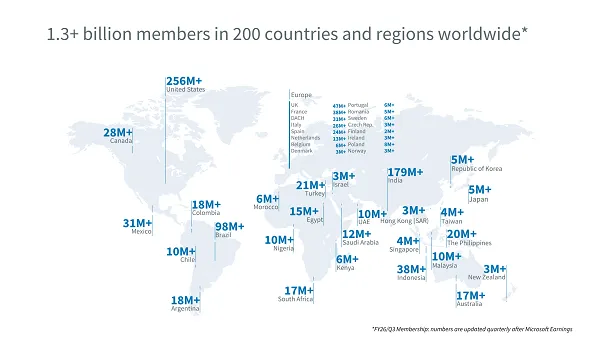
LinkedIn’s revenue is experiencing a significant upswing, a testament to its enduring position as the premier platform for professional discourse and a vital hub for online B2B opportunities. This growth trajectory, detailed in recent reports from its parent company, Microsoft, underscores the platform’s ability to adapt and innovate, particularly through its strategic integration of artificial intelligence and its robust B2B marketing capabilities. The professional networking giant has not only maintained its relevance but has actively expanded its influence, driving revenue growth across its core business segments, from advertising to talent solutions.
Financial Performance and Key Growth Drivers
Microsoft’s latest earnings report revealed that LinkedIn’s revenue increased by a substantial 12% in reported currency for the most recent fiscal quarter. This impressive growth is primarily attributed to the sustained strength in its B2B marketing services, which continue to attract significant investment from businesses seeking to reach a professional audience. Furthermore, the platform has witnessed an escalating demand for its evolving recruitment tools, an area where LinkedIn has been aggressively investing in technological advancements.
As highlighted in Microsoft’s official statement, "LinkedIn has 1.3 billion members, and we are seeing increased depth of conversation, and it’s the leading B2B sales and advertising channel for large and small businesses." This assertion points to the platform’s dual role: fostering genuine professional engagement while simultaneously serving as an indispensable commercial ecosystem for businesses of all sizes. The sheer scale of its user base, coupled with the quality of interactions, positions LinkedIn as an unparalleled asset for B2B engagement.
Deep Dive into LinkedIn’s Performance Metrics
While Microsoft typically provides limited platform-specific details on LinkedIn’s performance within its broader financial disclosures, new LinkedIn CEO Daniel Shapero offered some valuable insights. In a recent post, Shapero indicated that LinkedIn posts saw a 14% increase during the reported period. More strikingly, paid video content experienced a growth of nearly 30% year-over-year. Shapero attributed this surge to "creators connect[ing] with their audiences and grow[ing] their businesses on the platform." This data suggests a burgeoning content creation ecosystem on LinkedIn, moving beyond traditional networking to encompass more dynamic and engaging forms of professional communication.
The reported 1.3 billion member figure remains consistent with the numbers shared in January of the same year, indicating a steady, ongoing expansion of its global user base. However, this headline figure warrants closer examination. Unlike most social media platforms that report active users, LinkedIn consistently discloses total member counts. This distinction is crucial for understanding the platform’s true reach and engagement levels.
Unpacking Active User Data: The EU Transparency Report Insight
The absence of readily available active user data from LinkedIn has been a point of discussion within the industry. Other social media giants typically provide monthly active users (MAU) or daily active users (DAU) figures, which offer a more accurate reflection of a platform’s actual engagement and, consequently, its value to advertisers. LinkedIn, however, has historically focused on total member counts, which, while impressive, do not necessarily equate to consistent or active engagement.
A significant exception to this reporting practice comes from LinkedIn’s obligations under the Digital Services Act (DSA) in the European Union. Its most recent EU transparency report, published in February 2026, provides a more granular look at user activity. In the EU, LinkedIn reported 55 million monthly active users against a regional member count of 172 million. This data indicates that approximately 32% of EU LinkedIn members are actively using the platform each month.
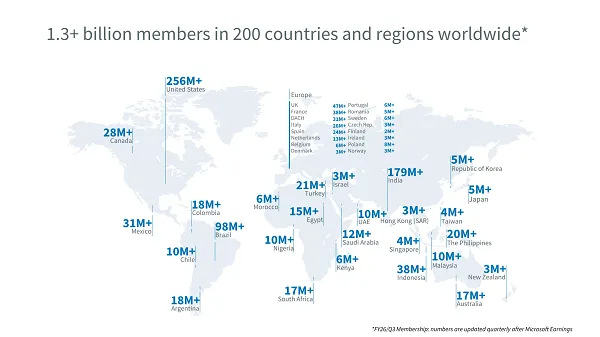
Extrapolating this engagement rate globally, assuming similar usage patterns across all regions, would suggest that LinkedIn currently has around 416 million monthly active users worldwide. While this figure is substantially lower than the 1.3 billion total members, it presents a more realistic picture of the platform’s active user base and its true engagement levels, which are paramount for advertisers and other stakeholders. This more grounded figure provides a clearer understanding of the platform’s operational health beyond raw membership numbers.
The Transformative Impact of AI on Talent Solutions
Beyond its advertising revenue, LinkedIn has seen a significant boost in its talent solutions, largely driven by the successful integration of artificial intelligence. Microsoft reported that its "agentic products in LinkedIn Talent Solutions, which help hirers automate time-consuming tasks like sourcing, screening, and drafting messages, have already surpassed a $450 million annualized revenue run-rate." This substantial revenue generation underscores the immediate and impactful adoption of AI-powered tools by recruiters and hiring managers.
LinkedIn has been at the forefront of developing and deploying AI-driven features for its recruiter suite. These innovations include AI assistance in crafting compelling job descriptions, intelligent tools that can identify top candidates based on specific experience requirements, and enhanced conversational language interpretation to better understand job criteria. These advancements aim to streamline the often-arduous recruitment process, allowing HR professionals to focus on more strategic aspects of talent acquisition.
Perhaps one of the most ambitious AI integrations is the testing of AI-powered interview screening. This capability allows AI to manage initial job interviews and screen candidates for subsequent stages. While the specifics of how LinkedIn quantifies the revenue generated by these integrated AI tools within broader recruiter subscriptions remain somewhat opaque, their demonstrable impact on the $450 million annualized revenue run-rate is undeniable. This suggests a strong market appetite for AI-driven efficiencies in recruitment.
LinkedIn’s Strategic Position and Future Outlook
In the broader landscape of social media, LinkedIn occupies a unique and well-defined niche. Its dedicated focus on professional networking, career development, and B2B commerce clearly differentiates it from more general social platforms. The platform’s ability to foster meaningful professional connections, facilitate industry-specific discussions, and provide a robust marketplace for B2B services solidifies its indispensable role for professionals and businesses alike.
The successful integration of AI tools, particularly within its Talent Solutions division, demonstrates LinkedIn’s strategic foresight and its capacity to leverage cutting-edge technology to address core industry challenges. The positive reception and significant revenue generated by these AI-powered solutions signal a promising future for the platform’s innovation pipeline.
As LinkedIn continues to steadily add members across most regions, its focus on enhancing user experience and delivering tangible value through specialized features – such as AI-driven recruitment and targeted B2B marketing opportunities – positions it for continued growth and relevance in the evolving digital economy. The platform’s commitment to refining its offerings, evidenced by its financial performance and strategic technological investments, suggests that LinkedIn will remain a cornerstone of the professional world for the foreseeable future. Its journey from a simple networking site to a comprehensive professional ecosystem is a compelling narrative of adaptation and strategic execution in the digital age.
Related posts: