Samsung Galaxy S27 Camera Leaks Hint at Minor Upgrades for Base Models While Pro and Ultra Variants Prepare for Sensors Overhauls

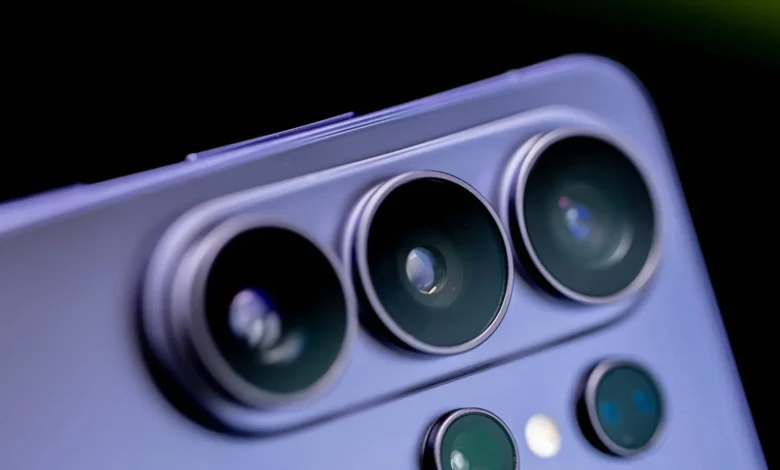
Consumers holding out for Samsung’s next-generation flagship smartphone lineup may want to temper their expectations regarding photography hardware updates, at least if they are eyeing the entry-level configurations. Recent supply chain disclosures and industry leaks indicate that Samsung Electronics is planning a bifurcated strategy for the Galaxy S27 series. While the premium Pro and Ultra tiers are slated to receive notable sensor upgrades and aesthetic redesigns, the standard Galaxy S27 and Galaxy S27 Plus models appear poised to inherit nearly identical camera hardware from their predecessors.
The initial wave of intelligence originated from specialized Samsung tracking publication SammyGuru, casting a shadow of doubt over sweeping rumors that suggested a universal overhaul for the entire upcoming ecosystem. Earlier speculation had pointed toward a radical exterior redesign for the entire S27 family, leading many analysts to believe that internal components would receive a commensurate boost. However, the latest detailed teardowns of upcoming production roadmaps suggest a more conservative approach by the South Korean tech giant, particularly for consumers purchasing the non-ultra variants.
Deconstructing the Base and Plus Models: A Stagnant Hardware Cycle
For prospective buyers considering an upgrade from the Galaxy S26 generation to either the vanilla Galaxy S27 or the larger Galaxy S27 Plus, the imaging hardware presents a picture of continuity rather than progress. According to supply chain leaks, both base devices will continue to utilize a 50-megapixel primary wide-angle sensor. Depending on regional distribution and manufacturing yields, this primary shooter is expected to house either the Sony IMX955 or the Samsung S5KGNG sensor—the exact same class of hardware powering the current-generation devices.
Auxiliary lenses on the base and Plus models show an identical lack of movement. The ultra-wide perspective will reportedly rely once again on the 12-megapixel Sony IMX564 sensor, while the telephoto capabilities
will remain anchored by a 10-megapixel module delivering 3x optical zoom. Self-portrait duties will similarly fall to the familiar 12-megapixel front-facing camera module seen in previous iterations.
For market analysts, this hardware stagnation reflects broader trends within the smartphone industry, where incremental year-over-year updates have become the norm due to mature sensor technology and rising manufacturing costs. As consumers hold onto their devices for longer upgrade cycles, manufacturers are increasingly reserving major hardware leaps for their highest-margin ultra-premium devices, relying instead on software-driven computational photography to differentiate newer base models from older generations.
Pro and Ultra Variants Stand to Gain Meaningful Improvements
While the baseline configurations may disappoint mobile photography enthusiasts seeking cutting-edge hardware, the higher-end Galaxy S27 Pro and Galaxy S27 Ultra models are projected to offer substantial justifications for their premium price tags. Industry reports indicate that Samsung is preparing a generational leap for the primary shooters on its top-tier offerings, shifting away from older hardware in favor of a newly minted architecture.
Both the S27 Pro and the flagship S27 Ultra are rumored to incorporate an advanced 200-megapixel primary main camera anchored by the new Samsung S5KHP6 sensor. This represents a direct architectural evolution from the Samsung S5KHP2 sensor utilized in the Galaxy S26 Ultra, promising enhanced light capture, improved dynamic range, and superior pixel-binning capabilities in low-light environments.

In addition to the primary sensor upgrade, front-facing camera hardware across the Pro and Ultra tiers is expected to break out of its long-standing resolution ceiling. Reports point toward the adoption of a new 16-megapixel selfie camera, replacing the 12-megapixel sensors that have remained standard across Samsung flagships for several generations. Telephoto configurations are also expected to maintain product differentiation within the upper tier, with the S27 Pro retaining a 3x optical zoom telephoto lens, while the ultra-premium S27 Ultra preserves its long-range prowess with a dedicated 5x optical zoom module.
The Evolution of Samsung’s Flagship Strategy
To understand the trajectory of the Galaxy S27 series, it is instructive to examine the chronological release pattern and strategic evolution of Samsung’s mobile division over the past several years. Historically, the Galaxy S-series has served as the technological vanguard for the company’s broader consumer electronics ecosystem, introducing experimental displays, advanced processing nodes, and cutting-edge sensor arrays during the first quarter of each calendar year.
The timeline for these flagship rollouts has followed a consistent rhythm. Typically announced and released in January or February, the devices are subject to an increasingly predictable leak cycle that intensifies roughly six months prior to the official launch event. By late summer and autumn, component orders, firmware test builds, and casing molds begin trickling out from manufacturing hubs in Asia, providing supply chain analysts with a remarkably accurate picture of the final product months before the marketing campaigns begin.
In recent product cycles, Samsung has experimented with tier differentiation to capture distinct consumer segments. The introduction of varying camera tiers, differentiated display sizes, and nuanced styling between the base, Plus, Pro, and Ultra models mirrors strategies deployed by major competitors in the global smartphone market. By maintaining component parity on lower-tier models, Samsung can optimize profit margins and insulate supply chains against component shortages, while channeling research and development budgets into the Ultra segment, where consumers have demonstrated a willingness to pay top dollar for maximum specifications.
Industry Implications and Consumer Response
The emergence of these early leaks carries significant implications for the broader smartphone upgrade market. As inflation impacts consumer discretionary spending, the lifecycle of mobile devices has extended from an average of two years to nearly three or four years in many developed markets. When manufacturers offer zero hardware changes in primary camera systems across consecutive generations—as is reportedly the case with the Galaxy S27 and S27 Plus—consumers find fewer compelling reasons to pull the trigger on an annual upgrade.
Furthermore, the concentration of camera innovations solely within the Pro and Ultra categories risks alienating users who prefer a standard form factor but demand top-tier computational and optical performance. While compact flagships historically suffered from battery constraints, modern engineering has largely mitigated those concerns, making the decision to withhold sensor upgrades from smaller devices a purely commercial calculation rather than a technical limitation.
As the industry looks ahead to the anticipated launch window in early 2027, attention will inevitably shift toward how Samsung plans to position these devices through software enhancements. In an era where hardware plateaus are routinely offset by advancements in artificial intelligence, machine learning, and image signal processing, the absence of physical sensor upgrades on the standard S27 models may not tell the whole story. Samsung’s proprietary image algorithms, post-processing pipelines, and AI-driven zoom stabilization could bridge the performance gap, ensuring that even stagnant hardware delivers perceptually superior results compared to older generations.
Until official marketing materials are finalized and corporate leadership takes the stage for the formal Unpacked announcement, these supply chain insights must be viewed through the lens of early, unconfirmed industry intelligence. However, if historical precedent holds true, the blueprint for the Galaxy S27 series is already largely cast in metal and silicon, leaving consumers to weigh whether minor internal refinements and potential aesthetic redesigns justify the investment when the devices finally hit retail shelves.
Related posts: