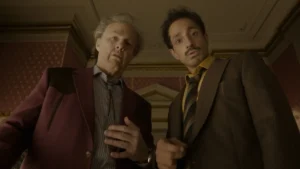
Saturday Night Live transformed its iconic Weekend Update desk into a virtual battleground on October 4, 2026, when two of the most anticipated video game protagonists of the decade squared off in a hilarious sketch. Colin Jost welcomed Marcello Hernandez, portraying Jason from Rockstar Games’ upcoming blockbuster Grand Theft Auto VI, and Mikey Day, portraying Link from Nintendo’s upcoming remake of The Legend of Zelda: Ocarina of Time. The comedic confrontation offered a satirical look at the staggering autumn release calendar, highlighting how two entirely different gaming demographics are preparing for a historic month of interactive entertainment.
The genesis of the sketch lies in the unprecedented commercial shadow cast by Grand Theft Auto VI. During the Weekend Update broadcast, co-host Colin Jost addressed the massive macroeconomic ripples the game has caused across the interactive entertainment industry. According to industry tracking and reports cited during the segment, the initial announcements and subsequent release-date locks for Rockstar’s latest open-world epic have forced numerous independent and AAA developers alike to reschedule their own product launches. Publishers worldwide are actively avoiding a direct collision course with GTA 6, fearing that consumer wallets and media attention will be entirely consumed by the return to Vice City.
Amidst this industry-wide retreat, Nintendo stands out as the primary publisher refusing to blink. Rather than cowering before the juggernaut, Nintendo scheduled the release of its heavily anticipated high-definition remake, The Legend of Zelda: Ocarina of Time, for November 5, 2026—just weeks ahead of the November 19, 2026 launch of Grand Theft Auto VI. This high-stakes scheduling created a fascinating counter-programming dynamic, pitting the gritty, modern, crime-infested streets of contemporary open-world gaming against the timeless, puzzle-filled fantasy realm of Hyrule.
To dramatize this corporate and cultural standoff, Saturday Night Live brought the rivalry to life using a comedic dynamic familiar to viewers from the previous television season. The interaction directly mirrored the structural framework of the popular emoji sketch from Season 51, where Hernandez’s character relentlessly roasted Day’s opposing persona before Day retaliated with escalating, chaotic energy designed to break his co-star’s composure live on air.
Stepping behind the Weekend Update desk in character, Marcello Hernandez’s Jason immediately set the tone for the modern, mature gaming landscape. Dressed to reflect the chaotic aesthetic of Vice City, Hernandez leaned heavily into the traditional selling points of the franchise. He hyped Grand Theft Auto VI as a monumental cultural event that promises unbridled "destruction, chaos, and sex." With sharp comedic timing, Hernandez targeted his fantasy-themed rival by branding The Legend of Zelda: Ocarina of Time with the derogatory acronym "TMPNG"—explaining it away to the audience as meaning "Too Many Puzzles, No Guns." The jab encapsulated the fundamental philosophical divide between action-driven sandbox crime simulators and traditional adventure puzzle-solving.
Not to be outdone, Mikey Day delivered a frenetic, deeply defensive performance as Link. Armed with a repertoire referencing fairy bottles, light combat mechanics, and intricate dungeons, Day’s Link attempted to champion the enduring legacy of Nintendo’s 1998 masterpiece reimagined for modern hardware. As Hernandez’s insults mounted, Day’s delivery grew increasingly desperate and loud, culminating in the signature on-air corpsing and comedic breaking that frequently endear these physical comedy sketches to late-night audiences. The back-and-forth effectively encapsulated the tribalism often found within internet gaming communities, where fans fiercely debate the superiority of their preferred platforms and franchises.

The satirical sketch underscores a profound commercial reality for the entertainment sector in late 2026. The fourth quarter is traditionally the most lucrative period for retailers and publishers, relying heavily on holiday shopping momentum. However, the concentration of capital around two titles arriving within weeks of each other represents a unique bottleneck. Grand Theft Auto VI carries the weight of a franchise that generated billions of dollars with its predecessor, Grand Theft Auto V, which remains one of the best-selling video games of all time, with over 200 million copies sold globally since its original 2013 release.
Conversely, The Legend of Zelda: Ocarina of Time occupies a sacred space in gaming history. Widely regarded by critics as one of the greatest video games ever made, its return via a comprehensive remake captures the nostalgia of millions of adult gamers who grew up with the Nintendo 64. By targeting two entirely different demographic pools—mature gamers seeking systemic sandbox freedom versus multi-generational players valuing narrative exploration and puzzle design—the autumn 2026 schedule has inadvertently created a cultural bifurcation.
Industry analysts note that while software overlap rarely destroys established franchises, the concentration of consumer spending power on these two releases could starve mid-tier titles of necessary oxygen during the critical holiday window. Financial institutions tracking entertainment stocks have already adjusted their forecasts for Q4 hardware and software sales, heavily overweighting Take-Two Interactive (Rockstar’s parent company) and Nintendo.
Reactions from gaming communities across social media platforms were swift following the broadcast. Clips of the Weekend Update segment circulated rapidly on YouTube, X (formerly Twitter), and Reddit, generating millions of views within hours. Fans playfully adopted the nomenclature introduced by the sketch, dividing themselves into opposing digital factions: "Team Vice City" and "Team Hyrule." Content creators and streamers immediately began analyzing the comedic beats, drawing comparisons to classic late-night gaming sketches of the past.
While neither Rockstar Games nor Nintendo of America issued formal corporate statements regarding the Saturday Night Live segment, representatives for both companies have historically embraced pop-culture parodies as free, organic marketing. The sketch not only boosted awareness for both impending launches but also reminded casual television viewers of the immense cultural footprint that interactive entertainment now holds in the mainstream media landscape.
As November approaches, the countdown to both releases continues to accelerate. Whether consumers choose to spend their autumn navigating the sun-drenched, criminal underworld of Vice City or swinging the Master Sword through the sprawling meadows of a revitalized Hyrule, the late-night spotlight has ensured that both titles will dominate cultural conversations well into the new year. Saturday Night Live successfully captured a defining moment in modern pop culture, proving once again that the rivalry between different corners of the gaming universe makes for compelling, universally resonant comedy.