In a significant escalation of cyber-hostility directed at the Italian government, Prime Minister Giorgia Meloni has officially identified pro-Russian actors as the perpetrators behind a sophisticated data breach targeting Foreign Minister Antonio Tajani. The leak, which saw the minister’s sensitive personal information published on the dark web, marks a troubling inflection point in the digital friction between Moscow and Rome. The incident, which came to light this past weekend, has triggered a high-level investigation by Italian authorities and has placed the security of top-tier government officials under intense scrutiny.
The breach, characterized by officials as a grave violation of state security and personal privacy, involves not only the exposure of Tajani’s private data but also persistent threats aimed at his family. As the Italian government scrambles to contain the fallout, the incident has highlighted the vulnerabilities inherent in the digital infrastructure protecting European political figures during a period of heightened geopolitical tension.
A Chronology of the Breach
The campaign against Antonio Tajani did not occur in a vacuum; it appears to be the culmination of a systematic effort to intimidate Italian leadership. According to statements made by the Foreign Minister via the social media platform X, his personal data had been circulating on clandestine forums for several days prior to the official government acknowledgment.
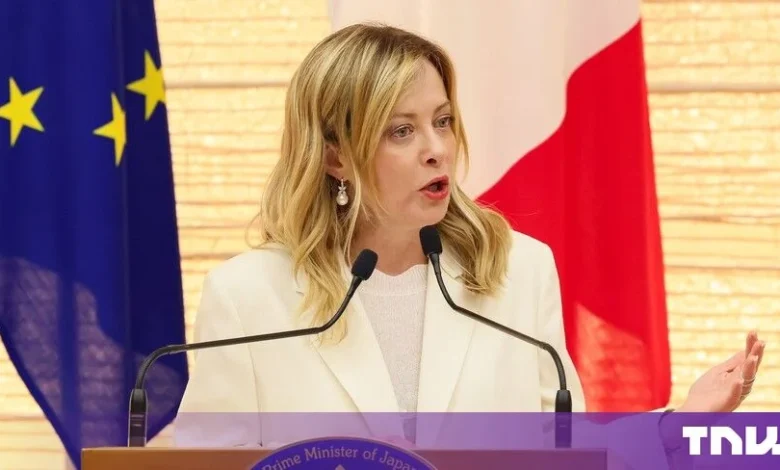
While initial reports of the breach emerged mid-week, the situation escalated on Friday and Saturday as evidence surfaced that the hackers were actively soliciting further private information regarding the minister’s relatives. By Saturday, November 7, 2026, the Italian news agency ANSA confirmed that Prime Minister Meloni had issued a formal statement of solidarity with Tajani, explicitly linking the breach to pro-Russian elements.
The timeline of the attack suggests a calculated effort to coincide with ongoing policy debates regarding the European Union’s support for Ukraine. Observers have noted that the timing of the data dump serves as a digital "warning shot," intended to disrupt the morale of the Italian diplomatic corps during a sensitive phase of international negotiations.
The Alleged Perpetrators: NoName057(16)
While the Italian government has stopped short of naming a specific state-sponsored intelligence unit, domestic media outlets, including Il Fatto Quotidiano and LaPresse, have pointed toward the notorious pro-Russian hacking collective known as NoName057(16). This group has established a reputation for being one of the most prolific "hacktivist" organizations operating within the Russian sphere of influence.
NoName057(16) is historically recognized for its proficiency in Distributed Denial of Service (DDoS) attacks, which are designed to overwhelm government and corporate websites, forcing them offline. However, the move to leak personal data represents a strategic evolution in their methodology—shifting from mere disruption to targeted harassment and psychological warfare.
The group’s track record is significant. In May 2026, an international law enforcement operation led by Dutch authorities resulted in the seizure of approximately 800 servers linked to the collective. Despite this massive blow to their infrastructure, the group has demonstrated remarkable resilience, quickly re-emerging to target high-value political figures. The shift toward "doxing"—the act of publicly revealing private identifying information—suggests that NoName057(16) is moving toward more invasive and potentially damaging tactics intended to force political concessions.
Scope of the Attack: A Broader Pattern of Targeting
The breach of Antonio Tajani’s data was not an isolated incident. Reports from Italian security services indicate that the attackers successfully accessed information belonging to several other key figures within the Italian state apparatus. Among those targeted were Francesco Lo Voi, the Chief Prosecutor of Rome, and Ivano Gabrielli, the head of the Italian National Cybercrime Center (CNAIPIC).
The inclusion of the head of Italy’s cyber-police in this breach is particularly alarming. It indicates that the perpetrators are not merely looking for soft targets, but are actively probing the personal security of those responsible for investigating and prosecuting cyber-terrorists. By targeting the very individuals tasked with national cybersecurity, the hackers are attempting to project a sense of omnipotence, suggesting that no official, regardless of their security clearance or role, is safe from exposure.
Official Responses and Diplomatic Repercussions
The Italian government has reacted with a mix of defiance and urgency. Foreign Minister Tajani, in his public statement, explicitly linked the attack to Italy’s unwavering support for Ukraine in its ongoing conflict with Russia. "I will not be intimidated in any way," Tajani stated, underscoring the government’s commitment to its foreign policy trajectory despite the personal costs.
Prime Minister Meloni echoed this sentiment, framing the attack as an affront to the integrity of the Italian state. The administration has since directed the Rome Prosecutor’s Office to launch a comprehensive investigation into the origin of the leaks.
Internationally, the incident is expected to dominate the agenda at the upcoming G7 meeting in Paris. According to reports cited by Bloomberg, Tajani is pushing for "hybrid attacks"—the modern blend of cyber-espionage, disinformation, and digital sabotage—to be moved to the forefront of the G7’s security discussions. The goal is to establish a more unified front among Western allies in responding to state-sanctioned or state-aligned cyber-aggression.
The Kremlin, for its part, has maintained a policy of silence regarding the accusations, failing to respond to requests for comment. This lack of engagement is typical of the current diplomatic climate, where Moscow frequently denies any connection to the disparate "hacktivist" groups operating within its borders, even as those groups consistently align their actions with Russian national interests.
Analysis: The Implications of Hybrid Warfare
The targeting of a G7 foreign minister via dark web data exposure represents a significant escalation in hybrid warfare. Traditionally, cyber-operations against governments focused on intelligence gathering or economic disruption. However, the move toward personal intimidation of officials and their families is a tactic more aligned with clandestine intelligence services than independent activist groups.
This shift has three primary implications for international security:
- The Erosion of Private Boundaries for Public Servants: As digital footprints grow, the cost of public service is increasing. The ability of hostile actors to leverage personal data to exert pressure on high-ranking officials could deter individuals from pursuing careers in sensitive government positions, potentially weakening the quality of civil service.
- The Challenge of Attribution: The "hacktivist" mask allows state actors to maintain plausible deniability. Because groups like NoName057(16) operate as decentralized entities, linking their actions directly to the Russian state is legally and diplomatically difficult, even if the strategic goals of the attacks are perfectly aligned with Moscow’s objectives.
- The Necessity of Cybersecurity Resilience: The vulnerability of figures like the head of Italy’s cyber-police demonstrates that technical defenses are only as strong as the personal cybersecurity hygiene of the individuals involved. This incident will likely necessitate a massive overhaul of how European officials manage their digital lives, including strict compartmentalization of personal and professional information.
Looking Ahead
As the investigation into the breach continues, the Italian government faces the difficult task of balancing transparency with security. The incident serves as a stark reminder that the digital battlefield has no front lines. Every smartphone, email account, and social media profile belonging to a government official is now a potential theater of war.
For the international community, the attack on Antonio Tajani is a signal that cyber-warfare is entering a more personal, aggressive phase. Whether the G7 summit in Paris can produce a concrete mechanism to deter such attacks remains to be seen. In the meantime, the Italian authorities are working to scrub the dark web of the leaked data and secure the compromised accounts of their officials.
As the digital landscape continues to evolve, the distinction between a political policy dispute and an existential security threat is becoming increasingly blurred. For leaders like Giorgia Meloni and Antonio Tajani, the challenge is to remain steadfast in their foreign policy goals while insulating their administrations from the relentless, probing nature of modern cyber-aggression. The battle for digital sovereignty has officially reached the highest echelons of the Italian state, and the outcome of this struggle will likely shape European security policy for years to come.