Social media management has evolved significantly since the inception of Instagram Stories in 2016. What began as a ephemeral, spontaneous feature designed to mimic the rapid-fire content style of competitors has matured into a cornerstone of digital marketing strategies for brands, creators, and small businesses alike. Despite the platform’s growth, a notable friction point remains: the inability to schedule Instagram Stories natively within the official Instagram application. While Meta has introduced a robust scheduling suite for feed posts, Reels, and carousels, the Story format remains absent from the platform’s built-in scheduling interface. This limitation has necessitated the rise of third-party management tools and Meta’s own auxiliary platform, the Meta Business Suite.

For marketing professionals, the requirement to use external tools is not merely a technical hurdle but a strategic necessity. Data indicates that consistent posting is a primary driver of account visibility. According to insights shared by Adam Mosseri, the Head of Instagram, the ranking algorithm for Stories is heavily influenced by user interaction—specifically the likelihood of a viewer tapping, liking, or replying to content. When a brand’s presence on the platform becomes intermittent, the algorithm’s propensity to surface that content decreases, potentially leading to a stagnation in follower growth and engagement metrics.
The Evolution of Scheduling Tools and Platform Constraints
The timeline of Instagram’s API development reflects a careful balancing act between automation and the platform’s desire to maintain a "human" feel. In the early years, third-party automation was strictly prohibited, leading to a landscape dominated by manual, real-time posting. As of November 2026, the current ecosystem allows for a hybrid approach. Users can utilize Meta Business Suite—a free, native-adjacent solution—or third-party platforms such as Buffer to bridge the gap in their content calendars.

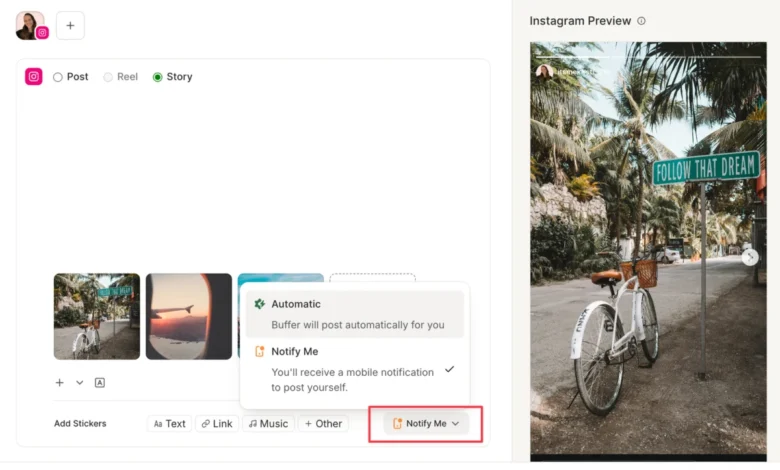
The technical distinction between "auto-publishing" and "notification-based" scheduling is crucial for users to understand. Meta’s API permits the direct, automated posting of single-image or video Stories that adhere to strict technical guidelines. However, when a user incorporates interactive elements—such as link stickers, polls, question boxes, music, or text overlays—the platform restricts full automation. In these instances, the scheduling tool acts as a reminder system, pushing a notification to the user’s mobile device at the designated time. This ensures that the user can manually apply the interactive stickers within the Instagram app before finalizing the post, thereby adhering to Instagram’s native content standards while still leveraging the efficiency of a planned schedule.
Comparative Analysis of Scheduling Methods
For organizations evaluating their operational workflows, the choice between tools often comes down to integration requirements and budget constraints. The following table provides a breakdown of current capabilities for users navigating these platforms as of late 2026.

| Method | Story Scheduling | Primary Interface | Auto-Publishing | Cost |
|---|---|---|---|---|
| Instagram App | No | N/A | N/A | Free |
| Meta Business Suite | Yes | Desktop/Mobile | Yes | Free |
| Buffer | Yes | Web/iOS/Android | Yes (Professional) | Tiered |
Meta Business Suite serves as the baseline for many professional accounts, offering a streamlined, free integration that allows for cross-platform planning between Facebook and Instagram. However, it lacks the advanced cross-platform visual planning tools found in third-party services like Buffer, which allow users to manage content across TikTok, X (formerly Twitter), and LinkedIn from a single, unified calendar. Furthermore, Buffer provides enhanced team collaboration features, such as draft approvals and internal commenting systems, which are essential for larger marketing departments but absent from Meta’s native suite.
Strategic Implementation: A Step-by-Step Approach
To integrate these tools into a daily workflow, users must first identify their account type. Professional (Business or Creator) accounts are required for both Meta Business Suite and most third-party scheduling services.

- Content Preparation and Batching: The most efficient workflow involves the "batching" method. By dedicating a specific time block each week to design and write content, users can populate their schedules in advance. This mitigates the "scramble" effect, where content is uploaded haphazardly under time pressure, often leading to lower-quality visuals and missed opportunities for engagement.
- Utilizing Visual Previews: Tools like Buffer allow for a high-fidelity preview of how a Story will appear on a mobile screen. This ensures that text or important visual elements are not obscured by the Instagram interface (such as the account name or the "reply" bar).
- Optimizing for Dimensions: Instagram Stories are optimized for a 9:16 aspect ratio. Content that does not meet these standards often results in distracting "dead space" or, worse, unintended cropping of vital information. Maintaining a library of pre-formatted, brand-aligned assets is considered a best practice for maintaining a professional aesthetic.
- The "Notify Me" Workflow: When creating complex Stories that require interactive stickers, users should rely on the notification-based scheduling method. By scheduling the base image, the user receives a push notification when the Story is ready to go live. The user then opens the Instagram app, uploads the media, and appends the necessary interactive stickers or links. This process, while slightly more manual, ensures the Story maintains the high level of interactivity favored by the Instagram algorithm.
Broader Implications for Digital Strategy
The necessity of planning tools underscores a shift in how social media is viewed: as a professional, data-driven utility rather than a casual pastime. By automating the "when" of posting, brands can focus more on the "what" and the "why." This allows for more meaningful engagement, as teams can spend time crafting poll questions or analyzing the performance of previous stories rather than worrying about the logistics of manual uploading.
Furthermore, the consistency provided by a set schedule acts as a hedge against the volatility of the algorithm. While it is true that Stories are fleeting, they are essential for keeping an account "top of mind." As Mosseri noted, the signal of a successful Story is the reply or the tap. A business that posts consistently is more likely to train its audience to look for those updates, effectively building a habit-forming relationship with the consumer.

Addressing Common Technical and Strategic Hurdles
Despite the utility of scheduling, users often report challenges regarding content variety. A common pitfall is the over-reliance on static images. To maximize the reach of a Story, experts suggest a mix of content types, including short-form video, behind-the-scenes "human" content, and interactive polls. Additionally, the practice of resharing feed posts or Reels to a Story remains an underutilized tactic. By scheduling these reshares as part of a broader content campaign, creators can ensure that their most important feed content receives maximum visibility.
Another frequently discussed aspect is the "streak" functionality. Many platforms now offer gamified features to track posting consistency. While these may seem peripheral, they serve as a psychological motivator for social media managers. A consistent posting streak is often correlated with higher engagement rates, as the algorithm rewards accounts that keep users on the platform for longer periods.

Conclusion: Future-Proofing Social Media Operations
As the landscape of social media continues to change, the ability to plan and execute content schedules will remain a primary competitive advantage. The lack of a native "Schedule" button within the Instagram app is unlikely to change in the immediate future, as the platform continues to emphasize its desire for authentic, real-time sharing. However, by adopting tools like Meta Business Suite or Buffer, professionals can bypass these limitations without sacrificing the quality of their engagement.
For any organization aiming to thrive on Instagram, the goal should be to leverage technology to handle the repetitive, administrative tasks of posting. This allows human creativity to flourish where it is most needed: in the design of the content, the framing of the message, and the cultivation of a genuine community. By balancing automated scheduling with the manual, interactive elements that the platform requires, users can create a sustainable, high-impact presence that withstands the pressures of the modern digital marketplace. Whether you are a solo creator or part of a larger marketing team, the shift toward a scheduled, intentional approach to Instagram Stories is not just a productivity hack—it is a foundational element of effective digital strategy in 2026 and beyond.