How Social Media Dominates 2026 Holiday Shopping Amid Economic Pressures and Shifting Consumer Habits

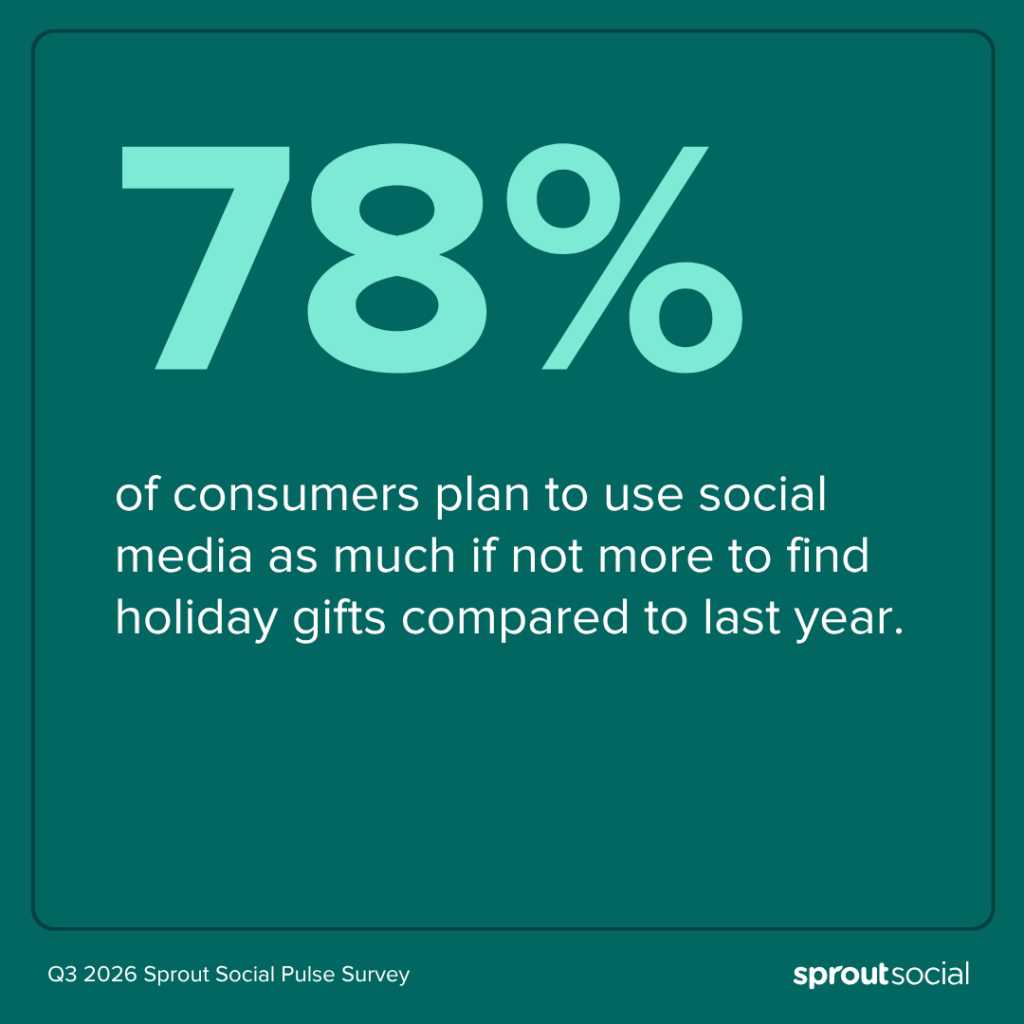
As the holiday season approaches, retailers face a retail landscape fundamentally transformed by digital discovery, macroeconomic pressures, and changing consumer expectations. According to the Q3 2026 Pulse Survey conducted by Panoplai on behalf of Sprout Social, more than three-quarters (78%) of consumers intend to use social media as much as, or more than, last year to find holiday gifts. This data underscores a structural shift in retail: social networks are no longer merely channels for brand awareness or top-of-funnel inspiration. Instead, they operate as fully realized, end-to-end commercial ecosystems where consumers discover products, evaluate reviews, compare pricing, complete transactions, and seek customer service.
The findings arrive against a backdrop of unique economic and geopolitical conditions in late 2026. With broader macroeconomic volatility, potential tariff-related price increases, and tightening household budgets, consumer shopping behavior has grown increasingly strategic. Retailers and brand strategists are therefore tasked with navigating a complex matrix of early shopping intent, value-driven purchasing motivations, and an escalating demand for real-time customer care across digital platforms.

Economic Pressures Redefine the Holiday Shopping Timeline
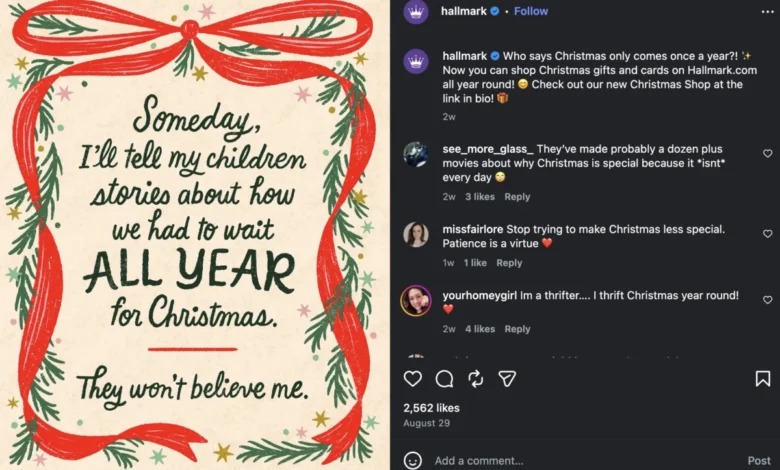
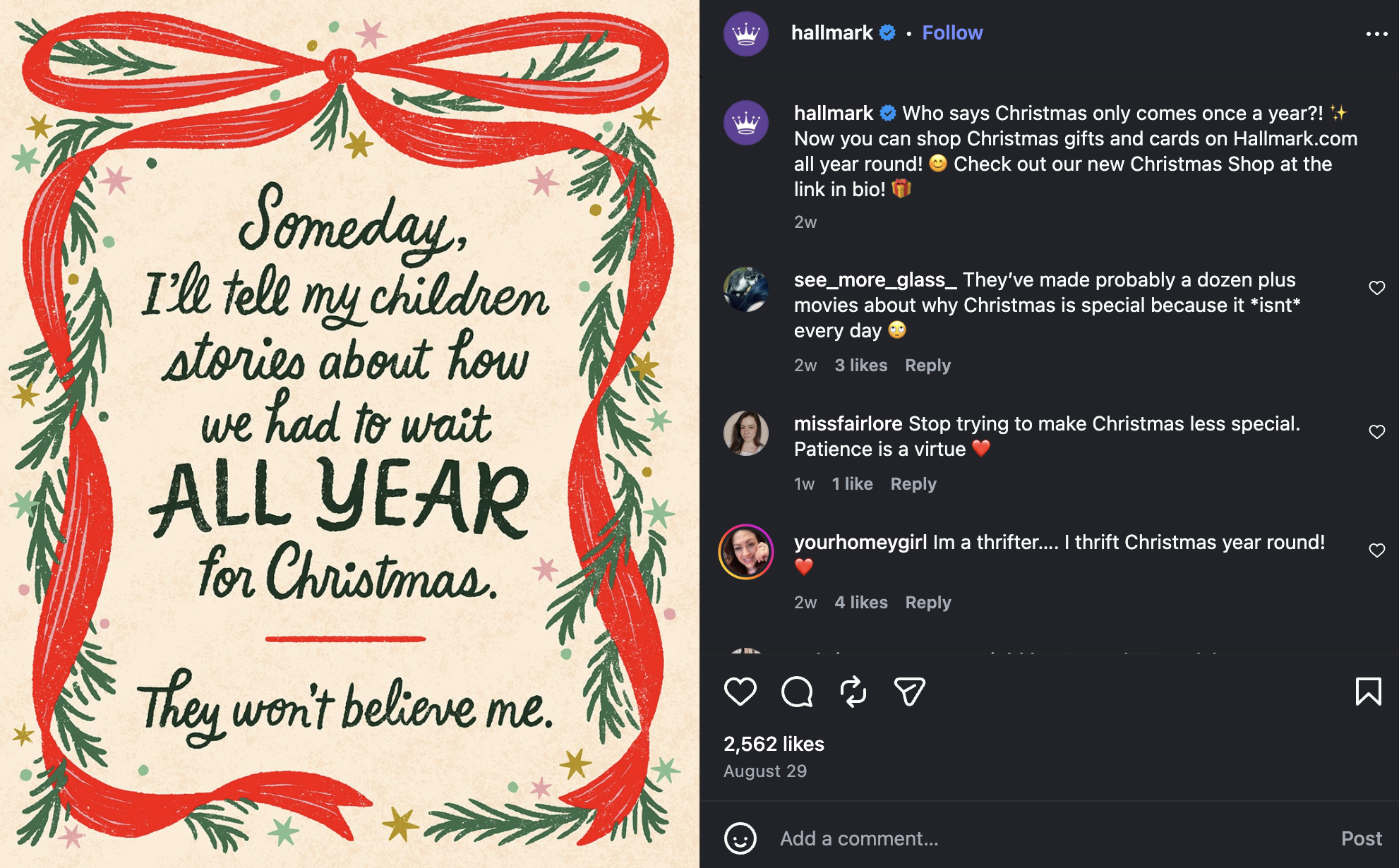
The chronology of the modern holiday shopping season has experienced significant compression and earlier execution over recent years, driven by early promotional launches from major brands and retailers. In mid-2026, market observers noted early holiday-themed marketing milestones appearing well before the traditional retail window, including summer-themed holiday events in June, seasonal beverage launches in August, and early digital storefront previews from major holiday retailers like Hallmark.
However, consumer preference data reveals an interesting tension between market timing and actual consumer sentiment. While commercial entities pushed holiday messaging into the late summer months, survey data indicates that 50% of consumers believe brands should ideally begin their holiday advertising campaigns in October. This reflects a slight retreat from the preferences recorded in 2025, when August and September were favored by a larger share of shoppers.
Despite these stated preferences regarding campaign timing, consumer behavior tells a different story. Financial necessity and economic caution have overridden calendar preferences. With 69% of consumers expressing concern over potential price increases driven by tariffs, and 56% planning to reduce their overall holiday spending due to current economic conditions, shoppers are being forced to alter their timelines. To mitigate future price hikes and manage tighter household budgets, 36% of consumers actively plan to shop earlier than in previous years.
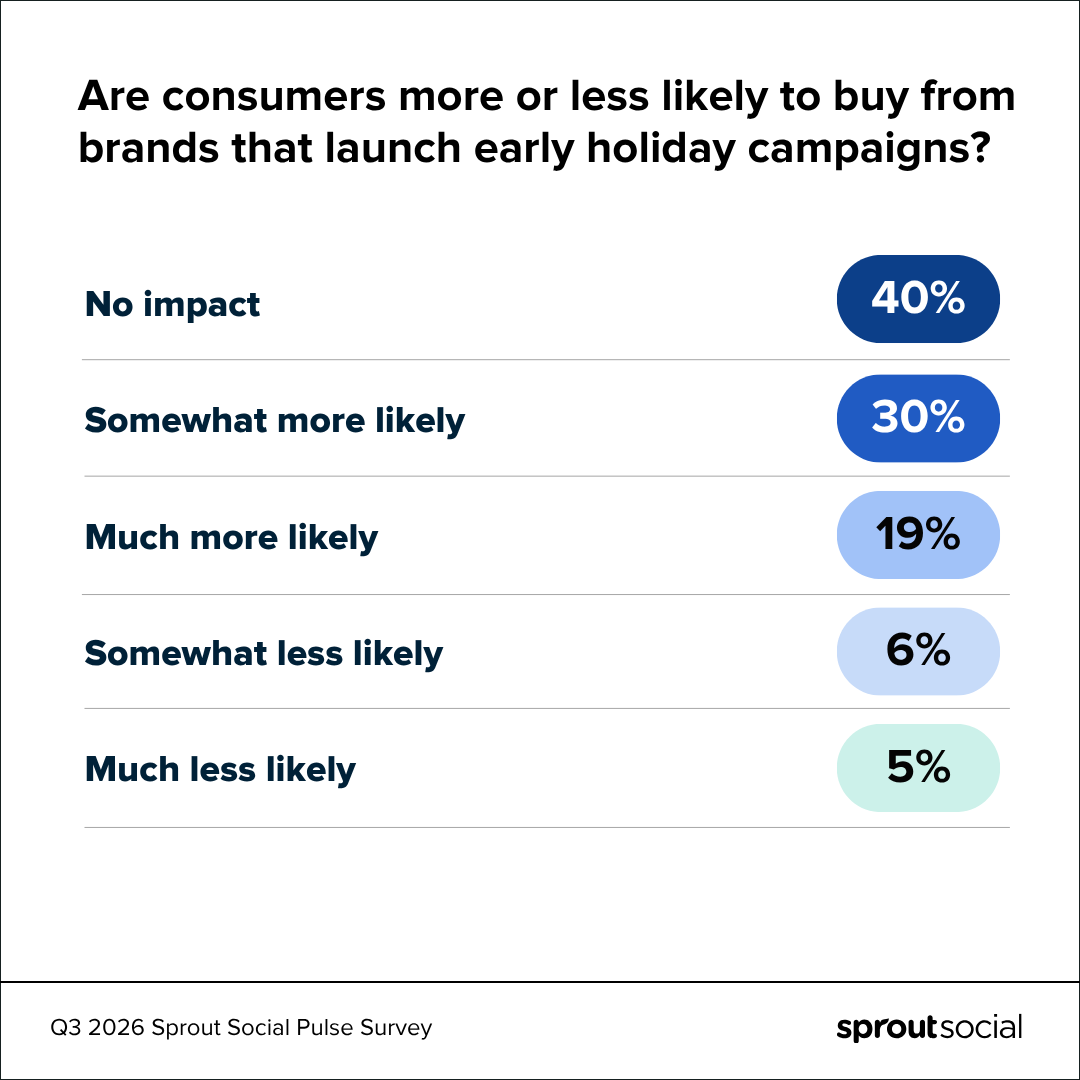
Consequently, early-season marketing campaigns are losing their friction. When asked about campaigns launching as early as August, 40% of consumers reported that early advertisements have no negative impact on their purchasing decisions. Conversely, nearly 50% stated they are either somewhat more likely or much more likely to buy from brands that initiate advertising as early as August. Industry analysts suggest this indicates that ideal campaign timing is no longer a core deterrent or motivator for the modern shopper. Instead of debating calendar start dates, brands are advised to focus on campaign substance, message resonance, and demonstrable value.
Key Drivers of Consumer Purchase Intent
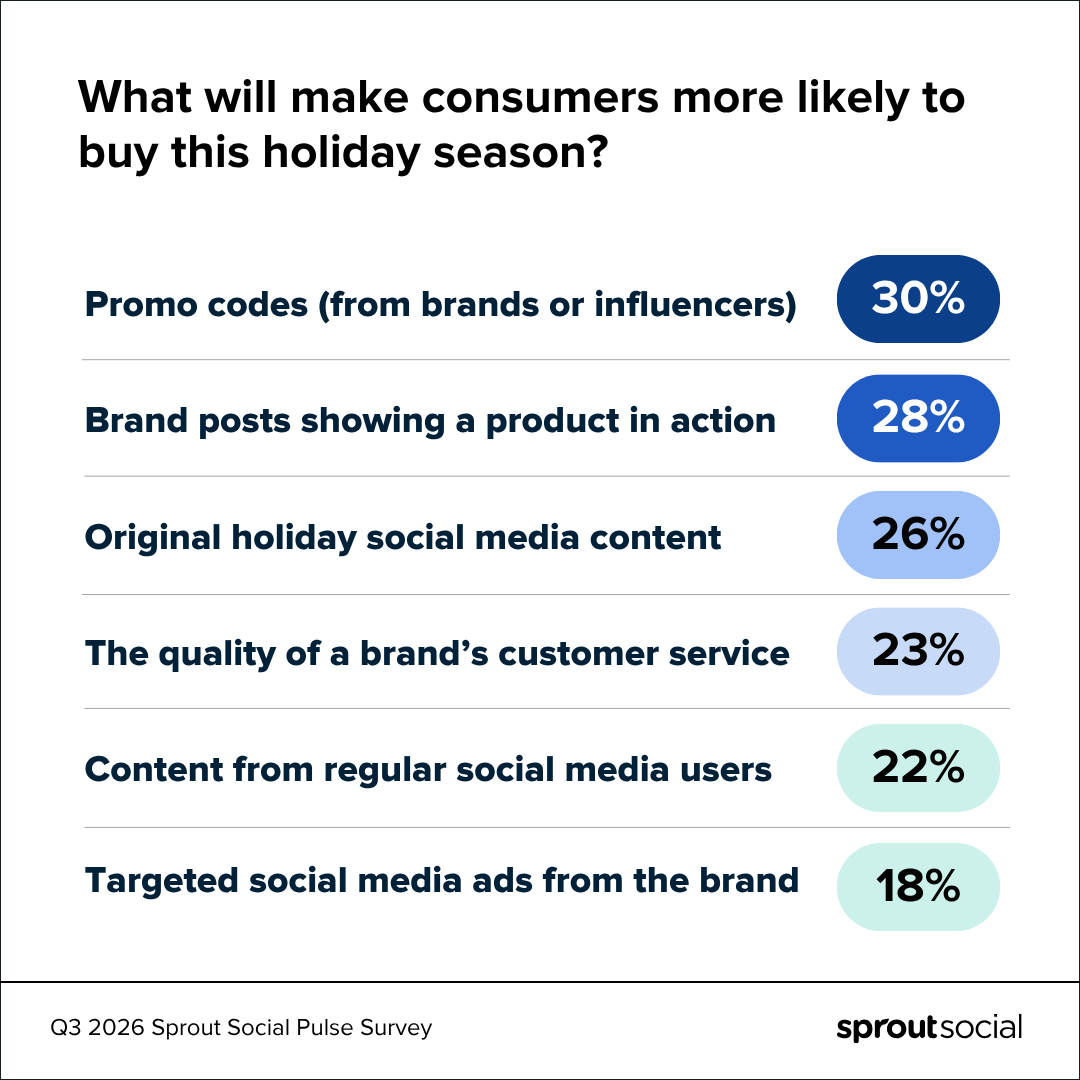
With consumer spending restrained by economic realities, brands must lean heavily into specific tactics that stimulate conversion. Market research data from the third quarter of 2026 highlights a distinct hierarchy of what motivates shoppers to complete a transaction during the holiday period.
Promo codes have emerged as the primary catalyst for consumer attention and action. Thirty percent of consumers indicate that a discount code—whether issued directly by the brand or through an influencer marketing partnership—would successfully persuade them to buy. This emphasis on promotional value aligns directly with the heightened budget consciousness defining the 2026 holiday season.
In addition to discounts, consumers place a high premium on visual demonstration and creative originality. Approximately 28% of shoppers state they are more likely to buy when brands showcase their products in action, while 23% are motivated by original, holiday-specific social media content. This represents a notable evolution from 2025 consumer priorities, during which customer service responsiveness and user-generated content held the most significant sway over purchase intent.
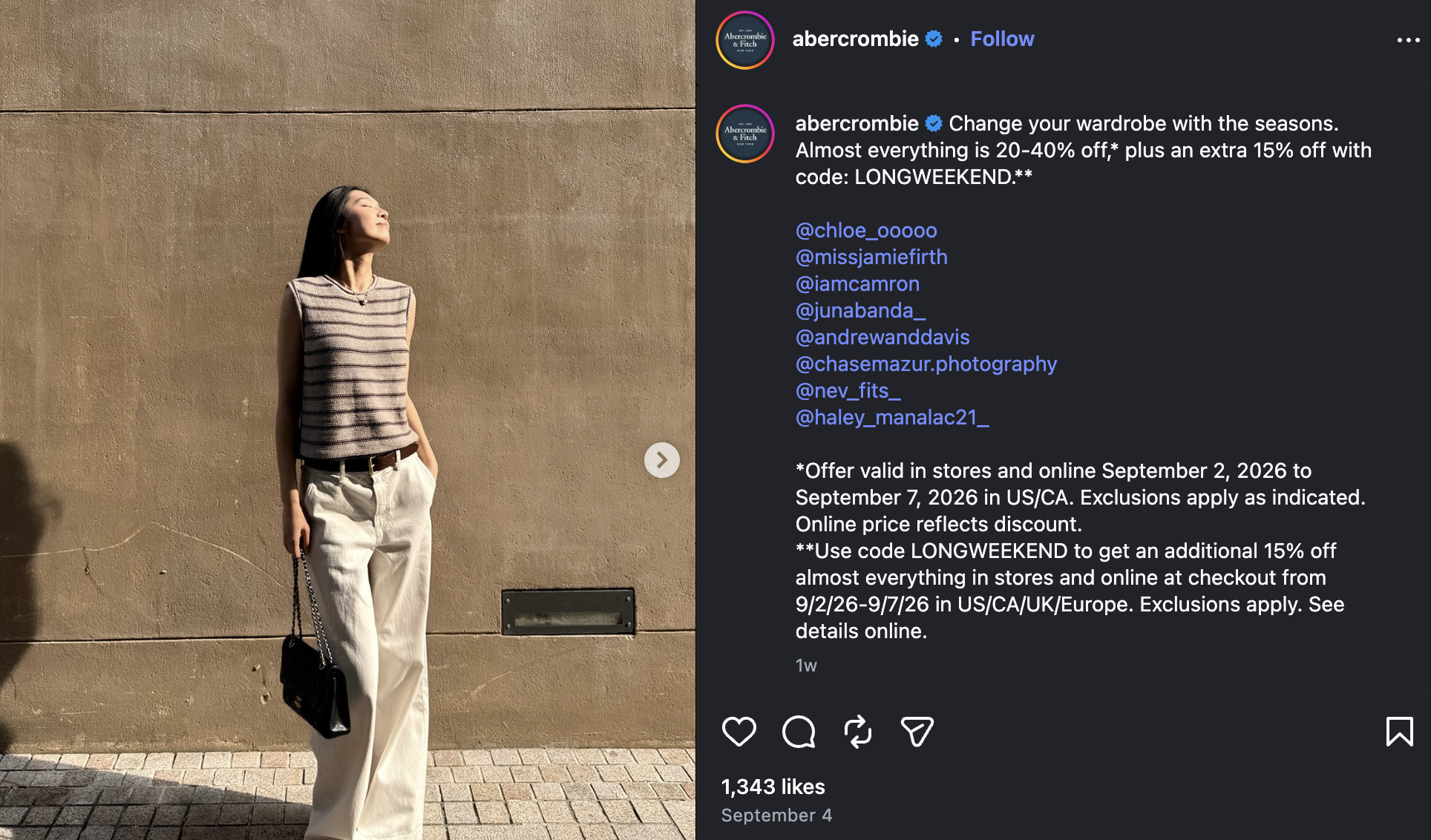
Marketers are responding to these shifts by scaling up influencer partnerships that emphasize product utility and value. By collaborating with content creators who can simultaneously demonstrate how a product functions, provide entertaining seasonal content, and distribute exclusive promo codes, brands can address multiple consumer priorities within a single campaign asset.
Social Media as the Primary Discovery and Checkout Engine
The evolution of social networks into fully fledged search engines has accelerated throughout 2026. Previous quarterly surveys demonstrated that social search has surpassed traditional search engines for experiential, highly visual, and peer-led information, such as finding local restaurants or gathering product recommendations.
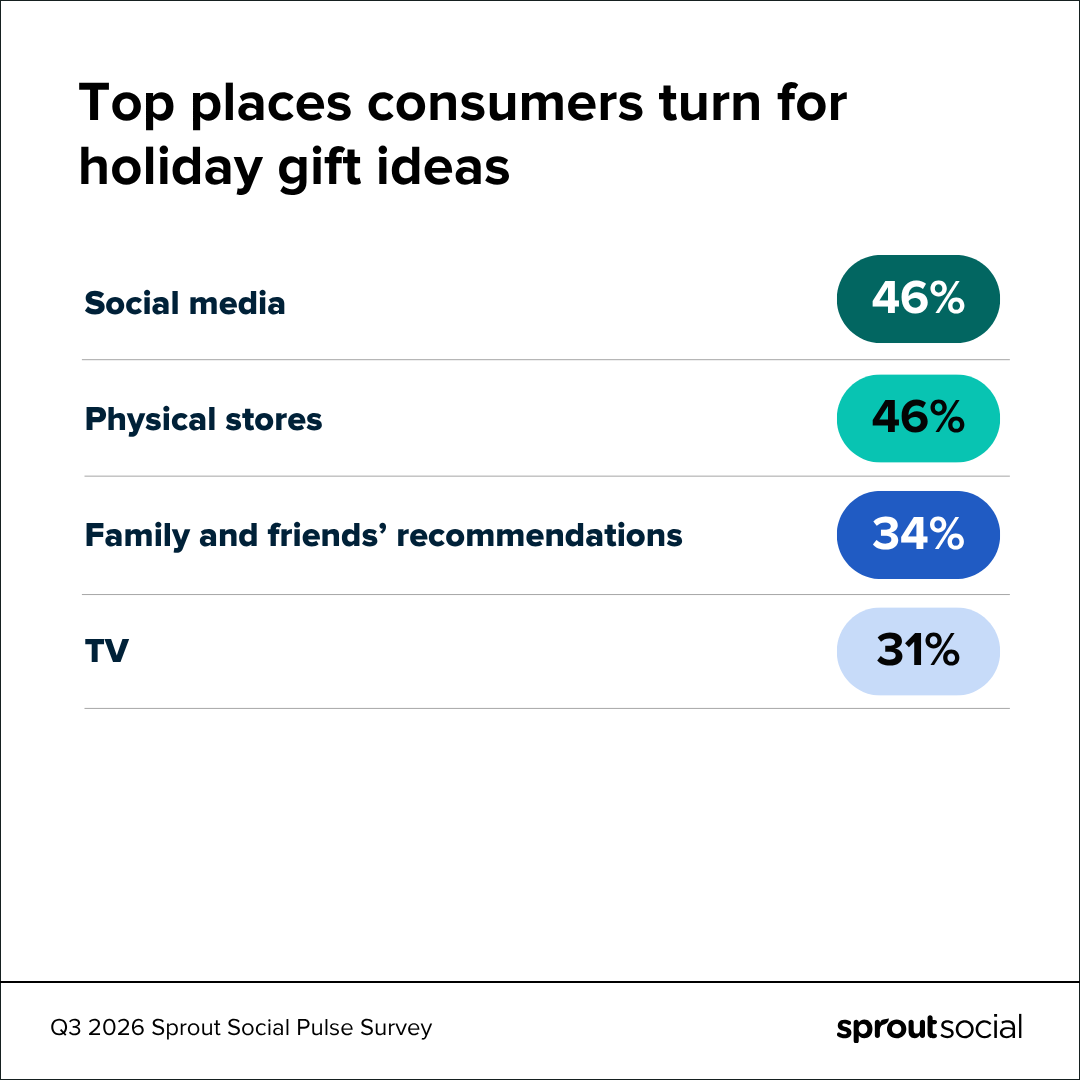
This behavior naturally translates to the peak retail season. In 2026, social media tied with physical brick-and-mortar stores for the number one spot in holiday gift discovery, with 46% of consumers turning to social platforms for gift ideas. Among younger demographics—specifically Gen Z and Millennials—social media stands alone as the undisputed top discovery destination, with at least half of these cohorts utilizing social feeds to curate their gift lists.
Beyond discovery, social commerce infrastructure has matured to the point where consumers routinely complete transactions without leaving the application. More than half of surveyed consumers expressed openness to purchasing products directly within social media apps during the holiday season. The widespread adoption of native checkout features—such as TikTok Shop, Facebook Shops, and Instagram Checkout—has streamlined the path to purchase, reducing friction and capturing impulse buys.
For retail organizations, the strategic implication is clear. Successful holiday campaigns must construct cohesive digital journeys that begin with social discovery, maintain engagement through authentic content, and conclude with frictionless, native in-app checkouts.
The Escalation of Social Customer Service and the Role of Artificial Intelligence
As transaction volumes surge across digital channels, customer service operations face unprecedented demands. Data indicates that 86% of users plan to use social media as much as, or more than, last year to resolve customer service inquiries during the holiday season.
Consumer channel preferences for support remain concentrated on major platforms. TikTok leads as the most likely destination for customer service inquiries at 50%, closely followed by Facebook at 46%, Instagram at 44%, X (formerly Twitter) at 28%, and WhatsApp at 17%. Regarding the mechanics of communication, direct messages (DMs) remain the preferred method across all generations at 55%. However, public comment sections are rapidly gaining traction, with nearly one-third of consumers (31%) stating they will reach out to brands via public comments for assistance.
This shift toward public channels raises the stakes for brand reputation management. Speed is paramount; 70% of consumers expect a brand to respond to an inquiry within a single day. Furthermore, 89% of shoppers emphasize that response time directly influences their perception of a brand after seeking help.
To manage the massive influx of holiday inquiries without sacrificing response velocity, many retail brands are integrating artificial intelligence into their customer support workflows. AI tools assist support teams by prioritizing incoming messages, analyzing customer sentiment, and drafting initial response templates. Consumer comfort with these technologies is relatively high: 70% of shoppers are at least somewhat comfortable with brands offloading routine tasks to AI to improve service efficiency, a figure that rises to 77% among Gen Z consumers.
Industry experts caution, however, that speed must be balanced with quality. While AI is highly effective for behind-the-scenes triage and expediting administrative tasks, maintaining a human-in-the-loop framework is essential to preserve the personalization and nuance that consumers expect. The public nature of comment-section inquiries means that unresolved service failures can quickly escalate into visible public relations challenges. Retailers are therefore urged to bolster their support teams, optimize self-help resources, and deploy comprehensive FAQ databases to social channels ahead of the seasonal rush.
Implications for the Future of Retail
The 2026 holiday shopping season highlights a permanent structural change in consumer behavior. Social media has solidified its status as the central nexus of modern commerce, influencing every phase of the consumer journey from initial inspiration and search engine discovery to direct in-app purchasing and post-purchase customer care.
As tighter economic conditions, tariff considerations, and shifting timelines redefine how consumers approach their seasonal gift shopping, brands that successfully harmonize promotional value, creative authenticity, and rapid, responsive customer service will be best positioned to capture market share. By aligning their digital strategies with the realities of modern social consumerism, retailers can secure a competitive advantage that extends well beyond the holiday season and into the new year.