Meta Keeps Metaverse Ambitions Alive with Leaked Phoenix VR Headset as AR Glasses Face Regulatory Hurdles

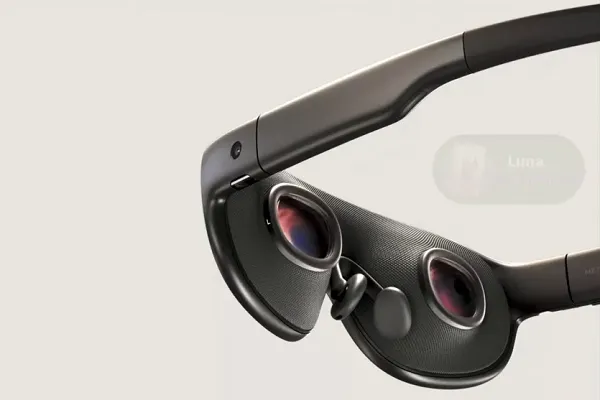
Even as technology giant Meta heavily promotes its current line of artificial intelligence-enabled smart glasses, recent software discoveries indicate that the company has by no means abandoned its long-term metaverse and virtual reality aspirations. While commercial attention has largely shifted toward lightweight, everyday eyewear, evidence of Meta’s next-generation hardware continues to surface through firmware updates and developer leaks.
The latest insight into the company’s hardware roadmap arrived via a recent discovery by virtual reality researcher @Lunayian, who uncovered and shared a short video embedded within a HorizonOS Prescription Lens firmware package. According to reports from specialized tech publications such as Road to VR, the visual asset depicts Meta’s upcoming mixed reality (MR) headset, currently designated under the codename "Phoenix." This device appears to represent a pivotal evolutionary step in the company’s Quest product line, signaling that immersive virtual environments remain a core pillar of Meta’s multi-year hardware strategy.
The Expanding Ecosystem of Meta’s Next-Gen Hardware
The emergence of the Phoenix headset underscores a diversified hardware development strategy at Meta. Rather than putting all of its engineering resources into a single form factor, the company is concurrently pursuing several distinct lines of augmented reality (AR), virtual reality (VR), and mixed reality (MR) devices designed for different use cases and consumer segments.
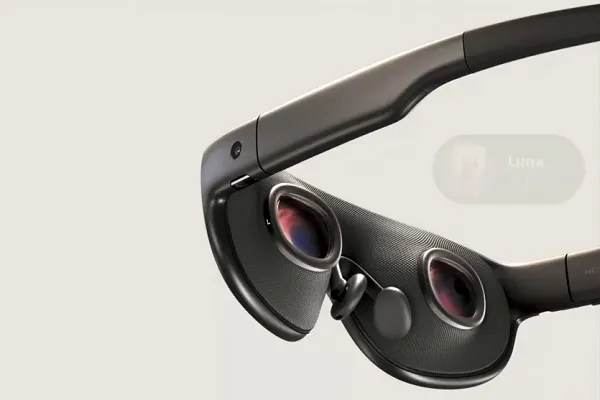
Among the most visible products in this pipeline are the Hypernova AI glasses, widely anticipated to serve as the next evolution of Meta’s current market-available smart glasses. These devices are expected to bridge the gap between traditional eyewear and heads-up digital displays, integrating lightweight frames with advanced contextual computing capabilities.
Additionally, the company continues to refine its foundational research hardware, such as the Aria AR device. Recognized by its notably chunky black frames, the Aria has served primarily as a research and development platform packed with sensory technology, cameras, and processing units designed to map physical environments and train spatial AI models.
By developing the Phoenix headset alongside these eyewear projects, Meta is attempting to straddle two different technological paradigms: immersive, closed-loop virtual and mixed reality environments on one hand, and open, heads-up ambient computing on the other. This dual approach indicates that while leadership recognizes the immediate consumer appeal of smart glasses, they maintain a long-term conviction that fully immersive VR and advanced mixed reality will play a critical role in future digital connectivity.
Chronology of the Meta Hardware Evolution
To understand the significance of the Phoenix leak, it is necessary to examine the timeline of Meta’s hardware pivots over the past several years:

- 2020–2021: Meta, newly rebranded from Facebook, aggressively pivots its corporate strategy toward building the metaverse, pouring tens of billions of dollars into Reality Labs and launching the Quest 2 headset, which achieves mainstream adoption in the consumer VR market.
- 2023: Amid broader economic contractions and shifting consumer demand, Meta introduces its Ray-Ban Meta smart glasses, unexpectedly finding viral success and high consumer demand by integrating AI assistants and discreet cameras into fashionable frames.
- 2024: The company scales back certain long-term metaverse projects while doubling down on artificial intelligence integration across its ecosystem. Regulatory scrutiny begins to mount regarding the privacy implications of recording-enabled smart glasses.
- Late 2025 (Projected): Industry analysts anticipate further official hardware announcements and developer previews during upcoming corporate showcases, as leaked firmware assets point toward the ongoing development of advanced hardware like the Phoenix headset.
Balancing Innovation with Regulatory and Social Backlash
Despite the technological promise demonstrated by leaks like the Phoenix headset and the commercial momentum of its AI smart glasses, Meta’s hardware ambitions face significant headwinds. The path toward widespread consumer adoption of camera-equipped and AI-integrated wearables has proven legally and socially complex.
In recent months, Meta’s recording-enabled eyewear has encountered severe public backlash regarding privacy concerns, unauthorized recording, and data collection practices. This negative sentiment has begun to impact consumer trust and threatens to decelerate the rapid adoption curve the company previously enjoyed. Furthermore, regulatory bodies in both the United Kingdom and the United States have launched formal investigations into the privacy implications of Meta’s AI smart glasses.
These regulatory pressures have already manifested tangible consequences. In several regions, public backlash, corporate policies, and local regulations have led to bans on the glasses in specific retail stores, entertainment venues, and public spaces. Consequently, industry analysts suggest that Meta may be forced to implement substantial software restrictions, alter notification LEDs, or redesign certain data-handling protocols to comply with international privacy standards—changes that could ultimately impact the user experience and market appeal of the devices.
Strategic Implications and the Road Ahead
The concurrent development of immersive hardware like the Phoenix headset and ambient devices like the Hypernova and Aria glasses highlights a critical strategic reality for Meta: the company is hedging its bets on how humanity will interface with digital networks over the next decade.
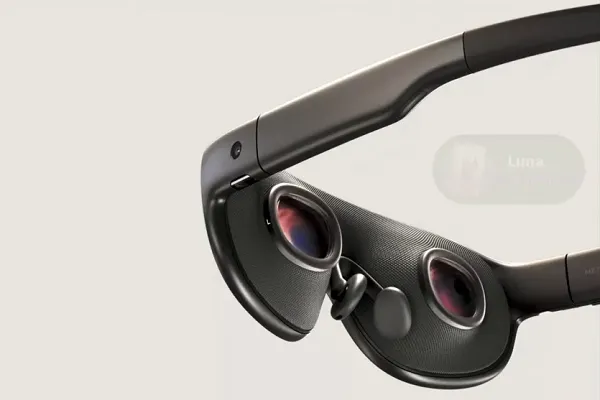
While smart glasses offer a socially acceptable, portable, and low-friction interface for everyday tasks, they lack the profound spatial immersion and experiential depth required for advanced enterprise collaboration, complex gaming, and fully realized virtual environments. Conversely, traditional VR headsets offer unmatched immersion but suffer from bulk, weight, and social isolation. By advancing the Phoenix mixed reality platform alongside its lightweight eyewear, Meta aims to solve these engineering challenges from both ends of the spectrum.
As the technology sector looks toward the upcoming Meta Connect showcase, industry observers and developers will be listening closely for official word on the Phoenix headset, deeper technical specifications for upcoming AR glasses, and strategies for navigating the growing web of regulatory hurdles.
Ultimately, the leak of the Phoenix device serves as a definitive reminder that Meta’s metaverse ambitions have not been discarded. Instead, they are being recalibrated, quietly refined in research labs, and integrated with the rapid advancements in artificial intelligence that are currently reshaping the entire consumer technology landscape.