The AI Video Editing Revolution: Streamlining Content Creation for the Digital Age

The landscape of digital content creation is undergoing a seismic shift, driven by the rapid advancements and increasing accessibility of artificial intelligence. For creators, particularly those navigating the demanding pace of social media and online platforms, the process of video editing has long been a significant bottleneck. This article delves into the burgeoning world of AI video editors, exploring their capabilities, categorizations, and the practical implications for creators seeking to enhance efficiency and quality.

In 2023, the author embarked on a journey to cultivate consistency in content creation, specifically by embracing video as a medium. The initial foray into video production, characterized by nascent editing skills, yielded surprisingly positive results, a testament to the inherent power of the video format itself. This personal experience highlights a common challenge: the significant learning curve and time commitment associated with video editing, from the technical setup of recording equipment to the complex art of post-production. The hurdle of editing, in particular, often separates aspiring creators from consistent output, pushing many to seek more efficient solutions.
AI video editors have emerged as a pivotal development in addressing these challenges. They can broadly be categorized into two main types: AI-enabled editors and AI-led editors. AI-enabled editors represent an evolution of traditional video editing software, integrating AI-powered features to automate specific tasks within a familiar editing environment. Conversely, AI-led editors take a more autonomous approach, leveraging artificial intelligence to perform the bulk of the editing based on natural language instructions provided by the user. The distinction between these categories is not always stark, with many tools exhibiting characteristics of both, creating a spectrum of AI assistance available to creators.
Understanding these categories is crucial for creators to select the most appropriate tool for their needs and budget. The choice often hinges on the desired level of control over the editing process. Creators who prefer granular control and are already proficient in editing workflows may find AI-enabled tools to be powerful accelerators. For those whose primary constraint is time, or who face a significant gap between their creative vision and their editing proficiency, AI-led solutions offer the potential for transformative workflow improvements.
The practical application of AI video editors underscores a critical insight: the technology itself is no longer the primary limiting factor; rather, the ability to effectively communicate desired outcomes to the AI has become paramount. This emphasizes the importance of understanding core editing terminology and principles, even when using natural language prompts. The more precisely a creator can articulate their requirements, the more efficiently and accurately the AI can execute the desired edits.

Harnessing the Power of AI: A Deep Dive into Editor Capabilities
The evolution of AI in video editing has been rapid, with several platforms emerging to cater to diverse creator needs. These tools range from comprehensive AI-led editing suites to AI-enhanced features within established editing platforms.
AI-Led Editors: Delegating the Editing Process
AI-led editors are designed to take on the heavy lifting of video post-production, allowing users to achieve polished results with minimal manual intervention. These tools interpret user instructions and autonomously manipulate footage to create a final product.
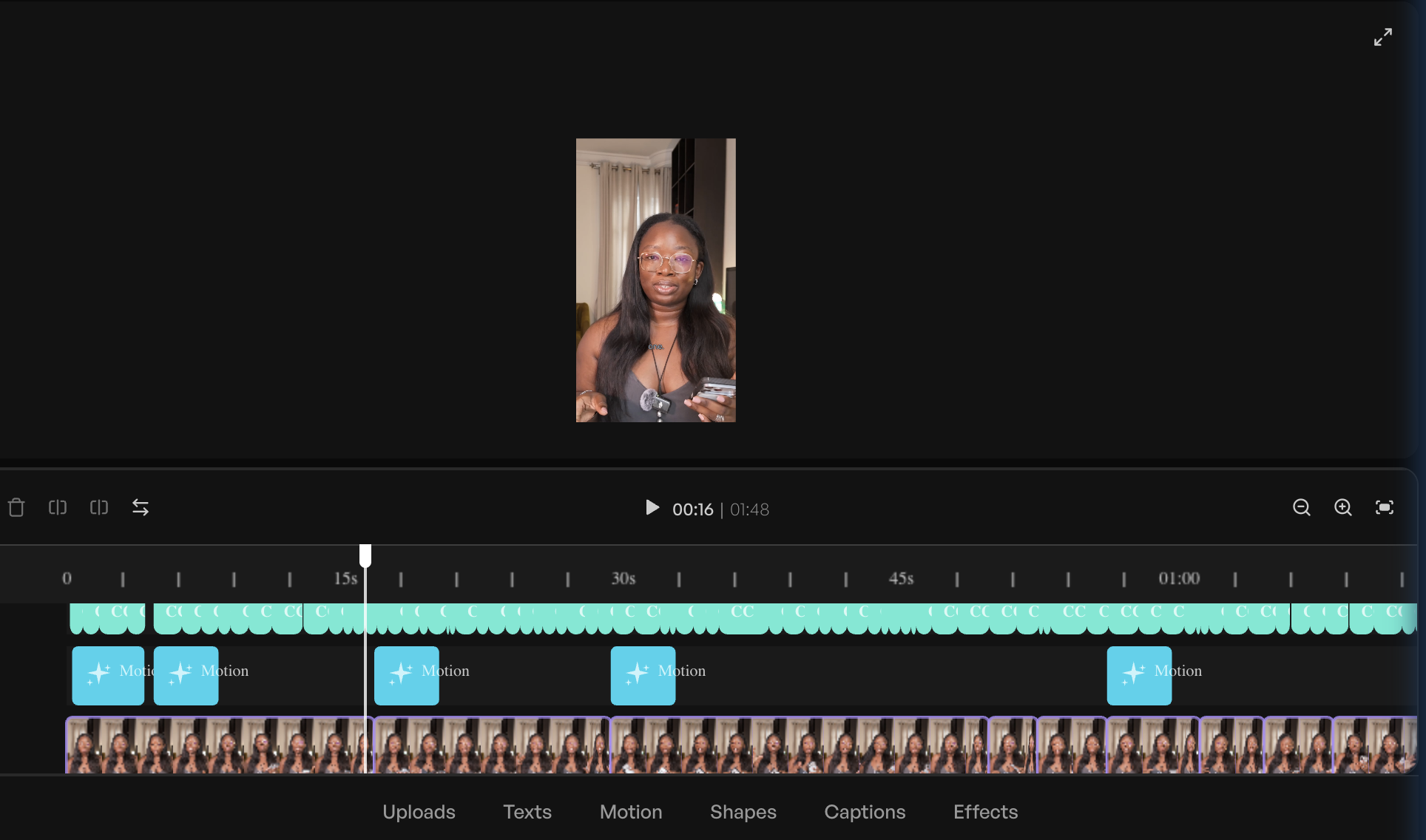
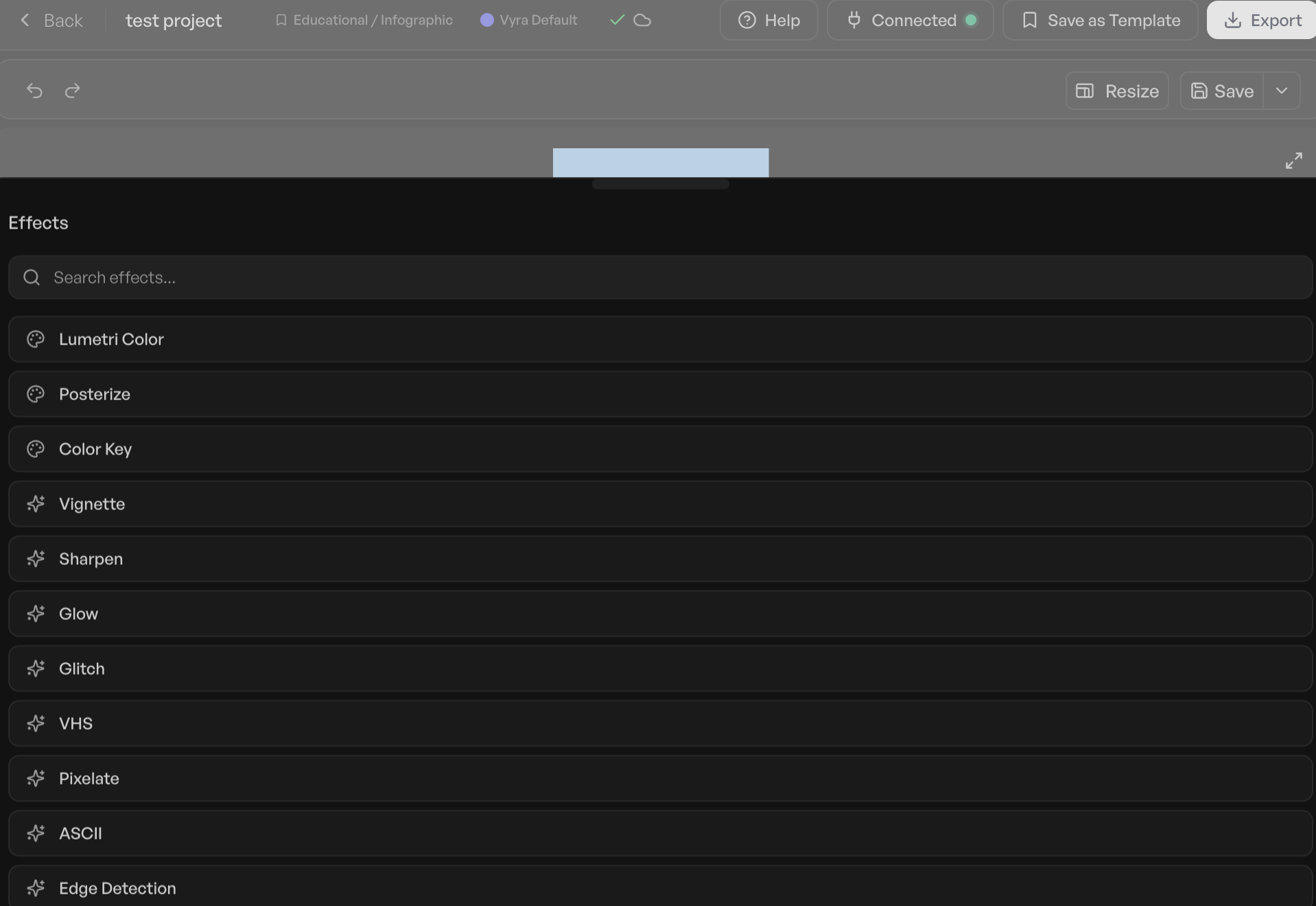
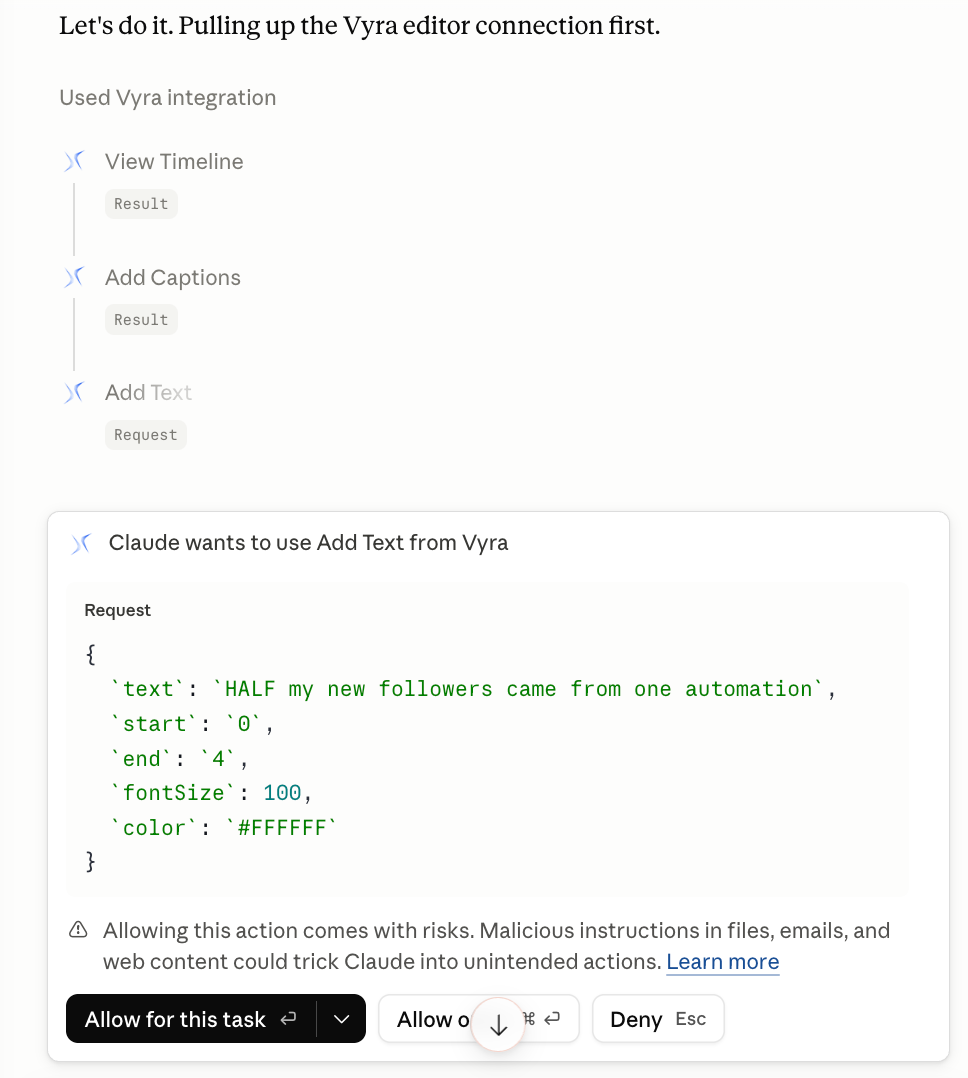
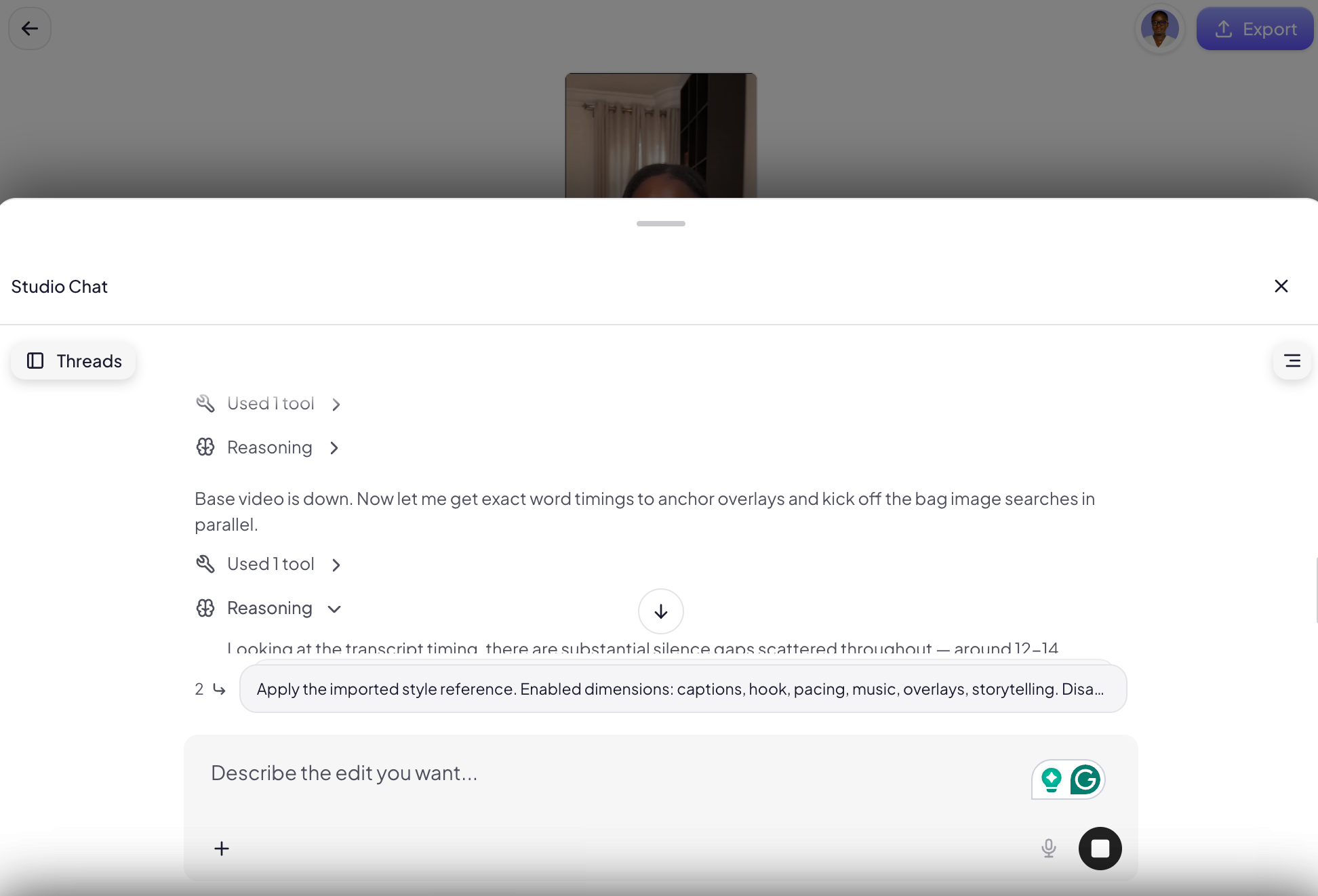
Vyra: Positioned as a leader in AI-led editing, Vyra was developed from the ground up with AI at its core. Its interface functions akin to a chat window, where users provide instructions in natural language. Vyra’s strength lies in its ability to analyze uploaded footage comprehensively, identifying scenes, transcribing speech, and recognizing on-screen elements before any editing commences. A standout feature is its support for uploading reference videos, enabling the AI to mimic specific editing styles. Furthermore, Vyra’s integration with Model Context Protocol (MCP) allows users to connect their preferred Large Language Models (LLMs) like Claude or ChatGPT, granting external AI assistants direct control over the editing process. During testing, Vyra, when paired with Claude, successfully processed an 81-second talking-head video, incorporating edits based on a provided brief and reference clip, including scene cuts, captions, and pacing adjustments. While the processing time for cloud-based edits can be a consideration, the ability to offload the entire editing task significantly streamlines workflows. Vyra’s pricing starts with a free trial, with paid plans offering access to either Vyra’s native AI or the flexibility of integrating personal AI models.
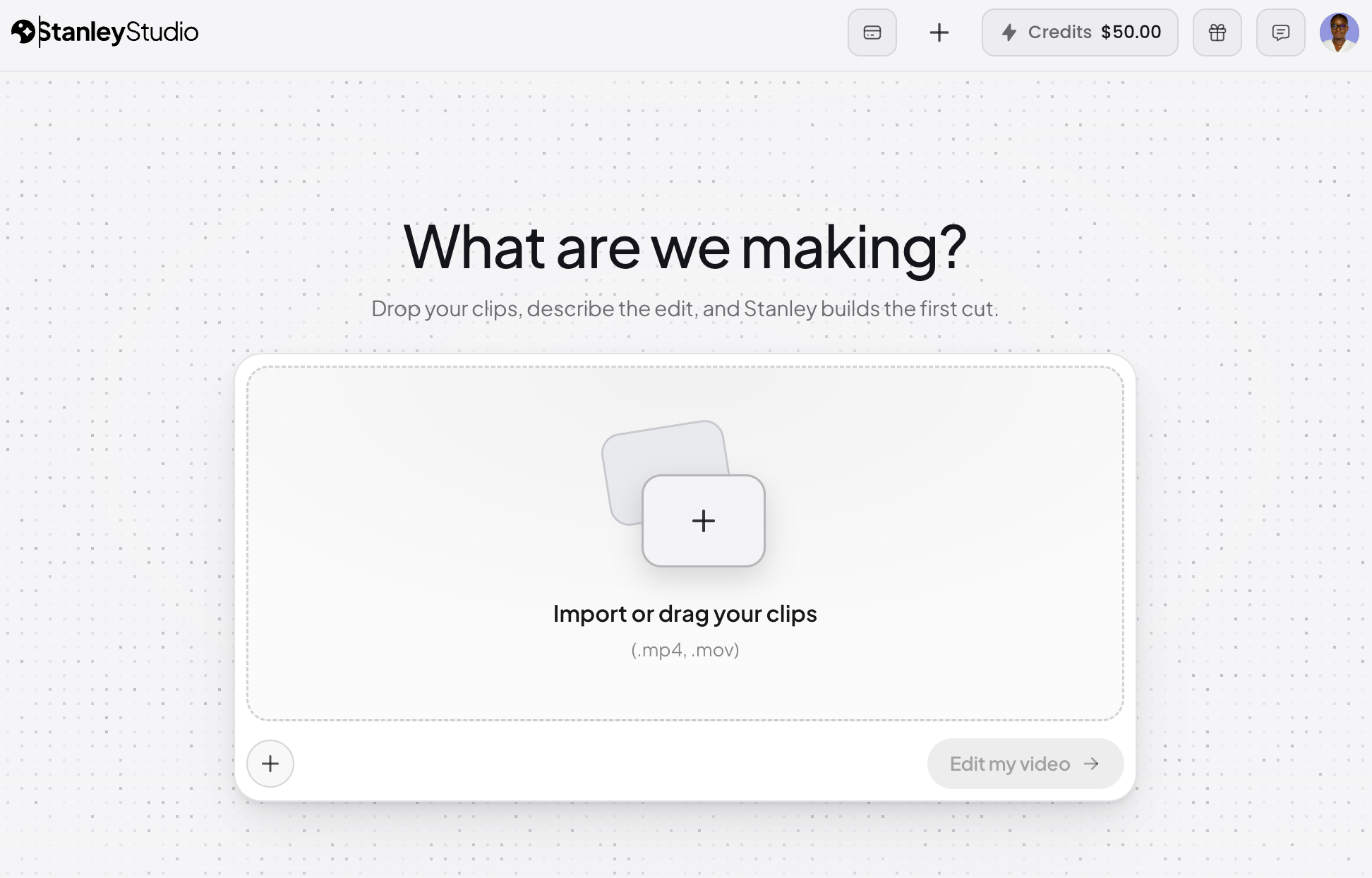
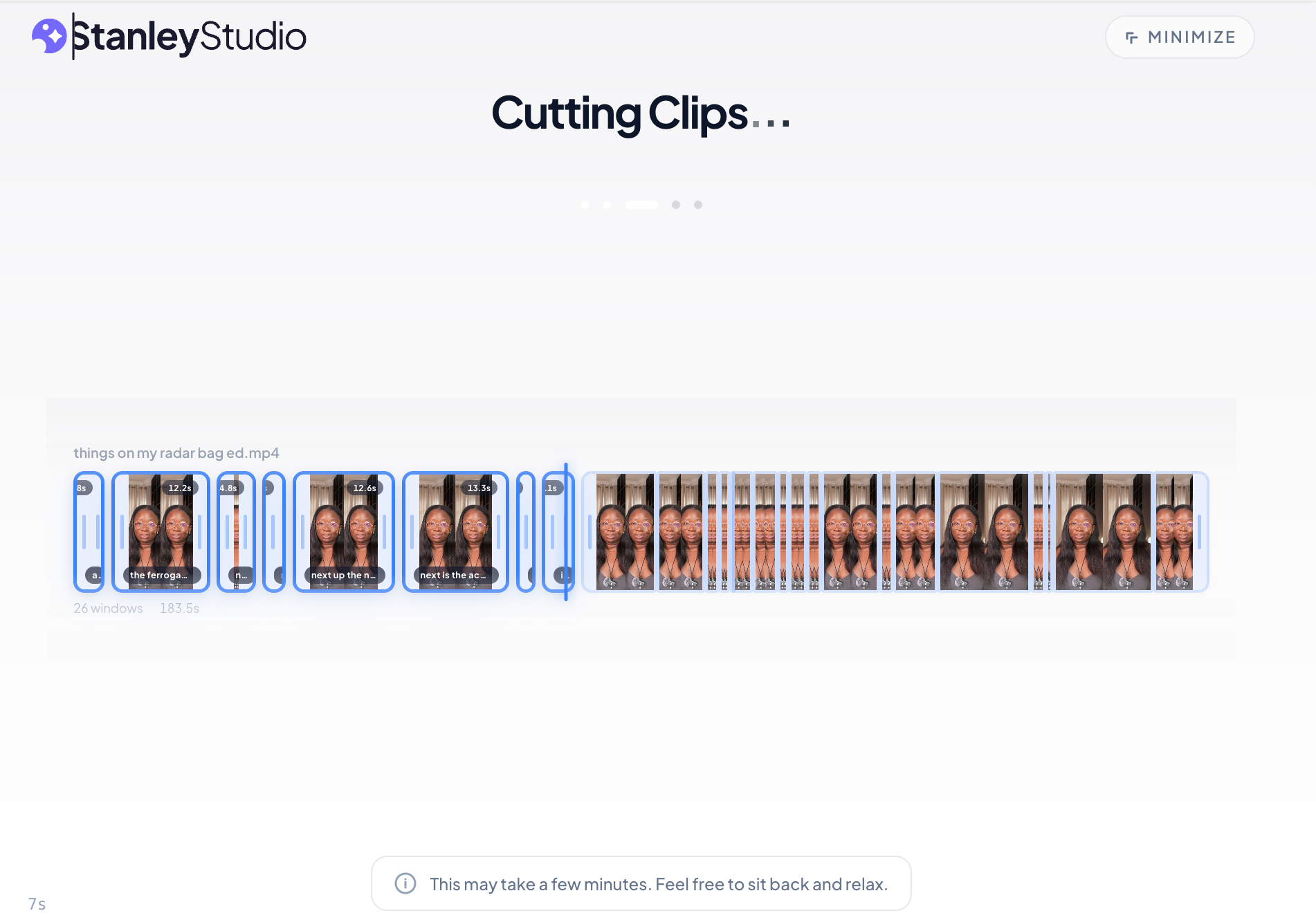
Stanley Studio: Another contender in the AI-led space, Stanley Studio aims to provide a seamless experience from footage upload to final edit. Its primary advantage lies in its rapid upload speeds. However, in initial testing, the AI demonstrated challenges in fully replicating complex stylistic elements from reference videos, particularly concerning intricate overlays and specific visual cues. The AI also sometimes generated AI images in lieu of product screenshots, indicating areas for refinement. As a newer platform, Stanley Studio is expected to evolve, with ongoing improvements anticipated. Currently, it does not support MCP integration, limiting users to its in-house AI chatbot for editing instructions. Stanley Studio offers a free tier for a single project, with a modest monthly subscription for continued use.
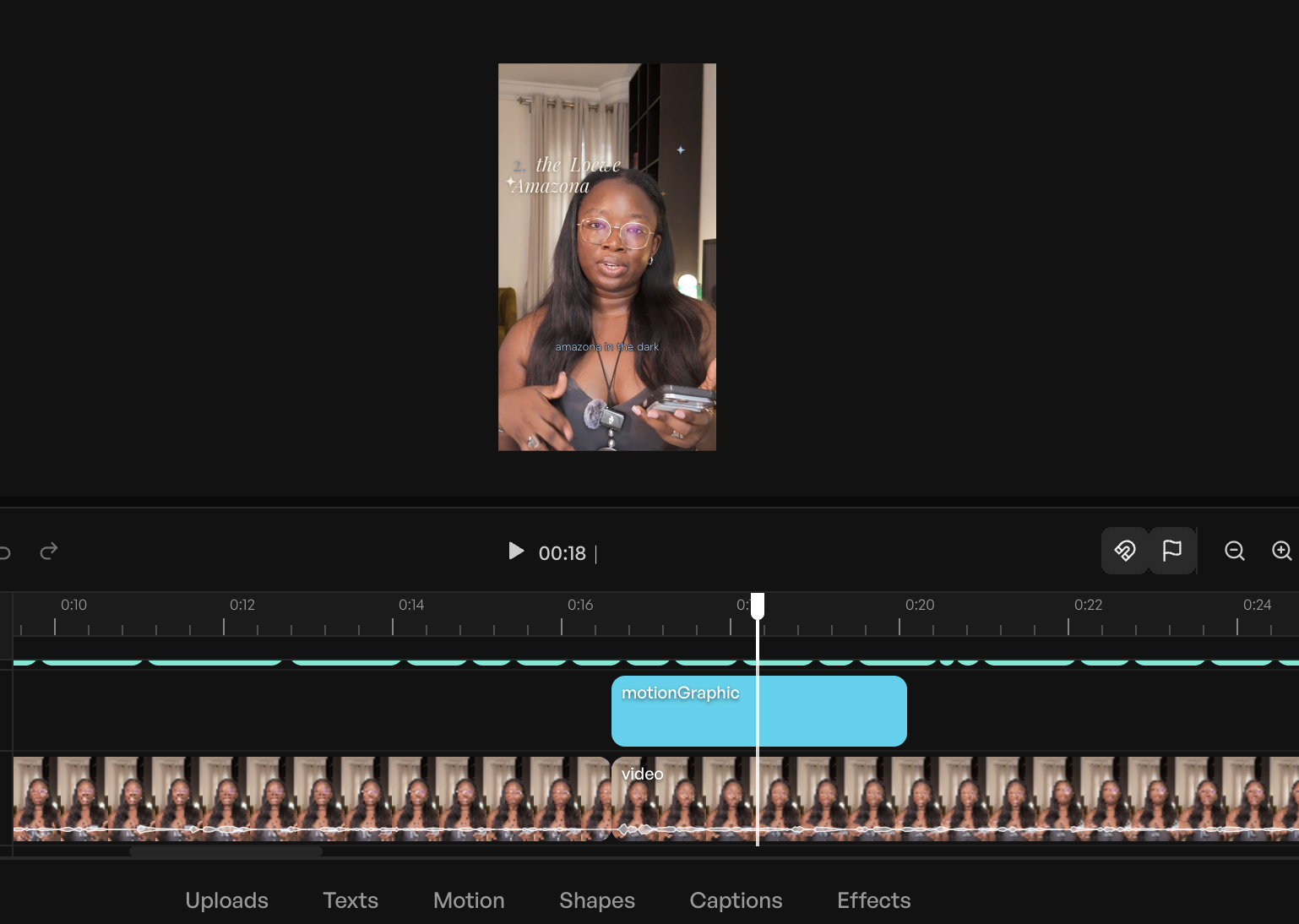
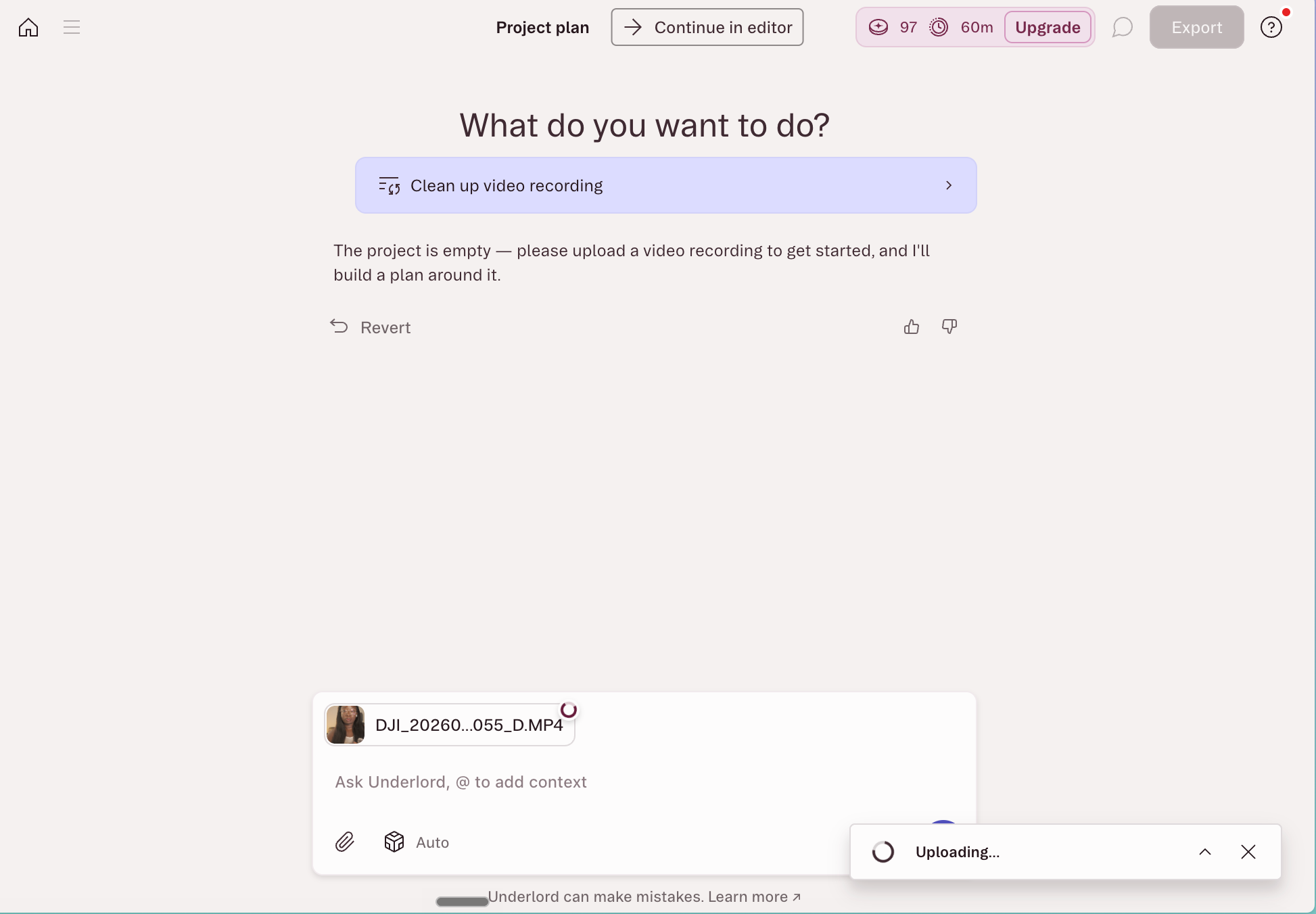
Descript: Descript occupies a unique position, bridging the gap between AI-enabled and AI-led editing. Its core functionality is transcript-based editing, allowing users to edit video by manipulating text. The integrated AI co-editor, Underlord, handles multi-step tasks such as filler word removal, audio enhancement, caption generation, and social clip extraction. A significant development is Descript’s MCP integration, enabling external AIs like Claude to perform edits directly within the Descript environment, even without opening the application. During testing, the MCP integration proved effective in executing a detailed editing brief, including removing redundancies, adding captions, and reframing for social media formats. While Descript provides a robust foundation for editing, achieving highly stylized results comparable to manual editing may require some post-AI adjustments. Its pricing structure includes a free plan with limited credits and a monthly subscription for full access.
AI-Enabled Editors: Augmenting Existing Workflows
AI-enabled editors integrate AI functionalities into familiar editing interfaces, empowering creators to expedite specific tasks without fundamentally altering their established workflows.
CapCut: CapCut has become a popular choice for creators seeking an accessible and feature-rich editing experience. It operates as a timeline-based editor with a comprehensive suite of AI tools. These include advanced features like speaker identification for captions, camera tracking, vocal isolation, background removal, and a compelling script-to-video function that can generate a complete video from a single prompt, incorporating stock footage, captions, and trending audio. The platform also features EditPilot, an AI editor that can execute requests for cuts and transitions. CapCut’s extensive tutorial base and user-friendly interface make it an ideal starting point for beginners. While its AI features are powerful, they are distributed across various menus, requiring users to be aware of their existence to leverage them effectively. CapCut offers a generous free plan, with affordable paid options for enhanced features.
Canva: Primarily known as a graphic design platform, Canva has steadily expanded its video editing capabilities, making it an attractive option for users already invested in its ecosystem. The integration of AI features, such as "Magic Video," allows for the assembly of short video clips with templates, transitions, and music, all of which remain editable. Standard AI tools like auto-captioning, background removal, and beat synchronization are also present. Canva’s generative AI tools, like Magic Media, further enhance its creative potential. The advantage of using Canva for video editing lies in its seamless integration with existing brand kits, fonts, and design templates, creating a cohesive content creation workflow. However, the AI features operate on a monthly credit system, which can be depleted quickly by heavy users. Canva offers a free tier with limited AI credits and subscription plans that include more extensive usage.
Adobe Express: For users within the Adobe ecosystem, Adobe Express offers a familiar and integrated approach to social media video editing. It functions as a template-and-canvas editor, with AI tools performing specific tasks on demand. Features like automatic caption generation, with the ability to restyle fonts, colors, and shapes, cater to brand consistency. The Clip maker feature offers a streamlined way to extract short, captioned clips from longer videos, similar to dedicated repurposing tools. Adobe Express also benefits from the integration of Adobe Firefly for generative AI tasks and provides a clear pathway to more advanced Adobe tools like Premiere Pro and Adobe Podcast for users who outgrow its capabilities. It offers a free plan and subscription tiers that unlock its full potential.
Veed AI: Veed AI presents itself as a browser-based, all-in-one solution for video editing with a focus on ease of use. It provides transcription services with impressive accuracy, auto-captioning with translation capabilities, and an eye-contact correction feature for scripted content. The free plan, while functional for testing, has limitations on export duration and includes a watermark. Similar to other platforms, its AI features operate on a credit system, which can impact heavy usage even on paid plans. Veed AI’s pricing starts with a modest monthly subscription.
OpusClip: OpusClip specializes in a specific but highly valuable niche: repurposing long-form video content into short-form social media clips. Its AI-led approach analyzes visual cues, audio sentiment, facial expressions, and narrative structure to identify compelling moments. The output includes automatically generated hooks, captions, and a virality score to predict performance on platforms like TikTok, Instagram Reels, and YouTube Shorts. While it offers less granular control over individual cuts compared to comprehensive editors, its efficiency in generating multiple short clips from a single long video is a significant time-saver. OpusClip provides a free tier with limited processing minutes, and paid plans offer enhanced features and extended storage.
Riverside: Primarily known as a remote recording studio, Riverside has integrated an AI editor called Co-Creator. This tool is designed to work with footage captured directly on the Riverside platform, leveraging features like separate speaker tracks and local recording quality. Co-Creator can be prompted to clean audio, remove filler words and silences, add AI-generated b-roll, or extract social clips. It also offers AI-powered dubbing with lip-sync synchronization. While Co-Creator is included in Riverside’s paid plans, some advanced features utilize a credit allowance. For users not recording within Riverside, other tools like Descript or CapCut might offer a more streamlined workflow. Riverside’s pricing includes a free plan and tiered subscription options.
A Note on AI Video Generation:
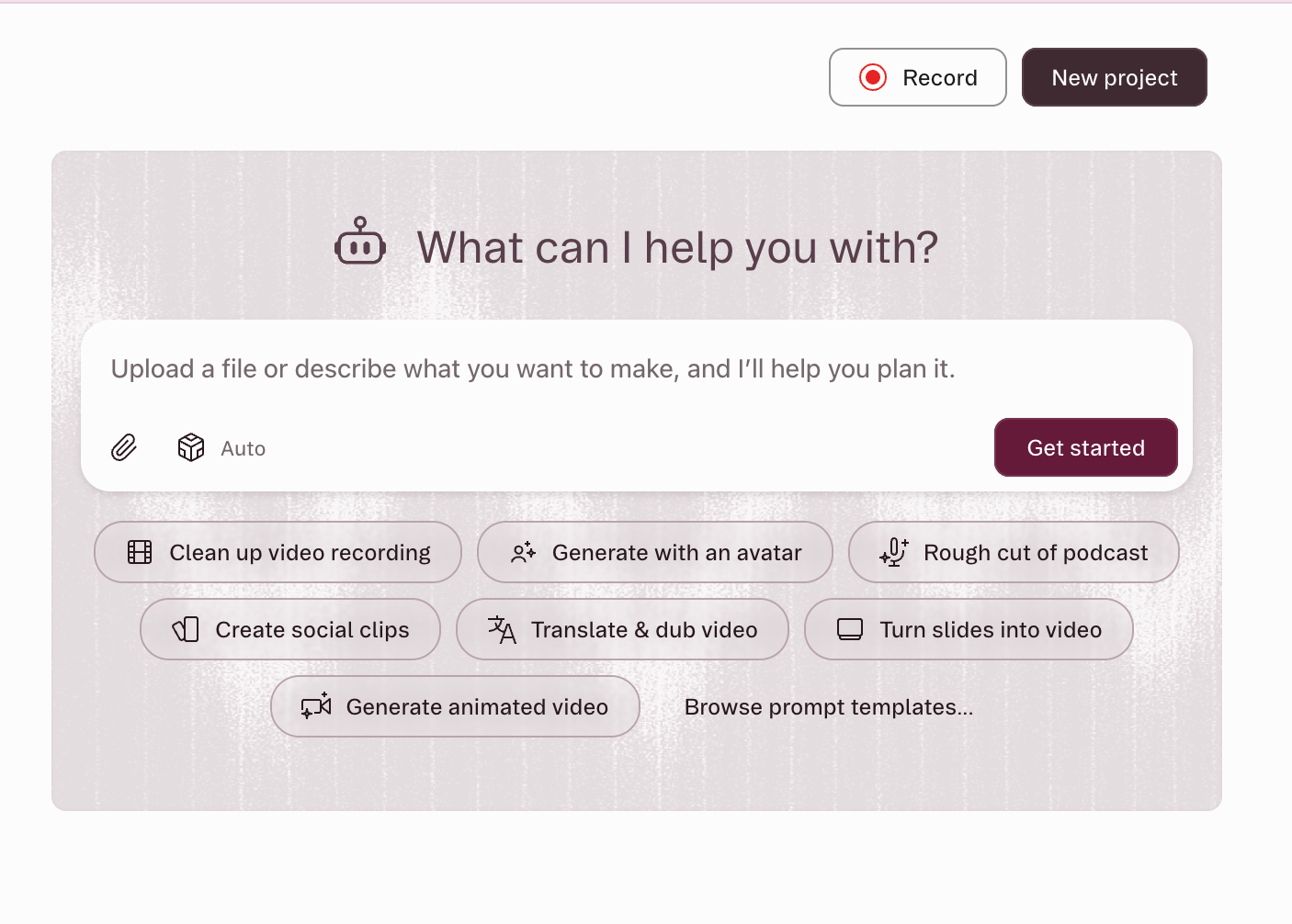
Beyond editing, the realm of AI video generation is also rapidly expanding. Tools exist that can create video content from text prompts, generate AI avatars that resemble the user to narrate scripts, and produce synthetic b-roll footage. While these generative capabilities are not the primary focus of this article, it’s important to acknowledge their existence and potential applications. Some of the editors discussed, such as CapCut and Riverside, incorporate generative features like text-to-video or AI b-roll. Creators should explore these options if their workflow benefits from AI-generated visual elements.
The Evolving Role of the Human Editor:
The advent of AI video editors does not signal the obsolescence of human editors. Instead, it augments their capabilities and shifts their focus. AI excels at the mechanical aspects of editing: removing silences, generating captions, and reformatting content. However, the crucial elements of taste, creative direction, narrative pacing, and discerning the emotional impact of a performance remain firmly within the human domain. AI can execute instructions, but it cannot yet replicate the nuanced understanding of storytelling and audience engagement that experienced editors possess. Therefore, AI tools are best viewed as powerful assistants that empower human editors to concentrate on the more creative and strategic aspects of their work, ultimately leading to more efficient and potentially higher-quality output.
Implications for Content Creators:
The widespread adoption of AI video editors carries significant implications for the creator economy. For independent creators and small businesses, these tools democratize access to professional-quality video production, lowering the barrier to entry and enabling them to compete more effectively. The ability to produce more content, more efficiently, can lead to increased audience engagement and growth. For larger organizations, AI can streamline internal video production workflows, reduce costs, and accelerate content delivery timelines.
The trend towards AI-driven content creation is expected to accelerate, with continuous advancements in AI capabilities promising even more sophisticated and intuitive editing tools in the future. Creators who embrace these technologies and develop a strong understanding of how to leverage them will be well-positioned to thrive in the evolving digital media landscape. The key takeaway is that while AI can automate many tasks, human creativity, strategic thinking, and an understanding of storytelling remain indispensable. The most successful creators will likely be those who effectively integrate AI tools into their existing skill sets, allowing them to amplify their creative potential and achieve new levels of productivity.
Related posts: