Get insights and take action on changing customer behavior to navigate shifting market landscapes.

The global economy faced an unprecedented disruption in early 2020 as the COVID-19 pandemic necessitated lockdowns, social distancing, and a massive, forced migration of consumer activity to digital channels. This seismic shift rendered traditional marketing models obsolete almost overnight, forcing businesses of all sizes to recalibrate their digital presence. In response to this volatility, Google stepped forward with a suite of free measurement and optimization tools designed to help enterprises interpret real-time data and pivot their strategies with precision. By leveraging Google Ads, Analytics, Data Studio, and Optimize, organizations can move beyond intuition and rely on data-driven decision-making to survive and potentially thrive in a landscape defined by rapid, often unpredictable, change.
The Chronology of a Digital Pivot
The timeline of early 2020 served as a wake-up call for the digital marketing industry. By mid-March, as shelter-in-place orders proliferated globally, data traffic patterns shifted dramatically. Retailers who relied heavily on brick-and-mortar storefronts saw foot traffic evaporate, while e-commerce platforms faced an overwhelming surge in demand. This created a dual challenge: the need to maintain brand continuity while simultaneously managing the technical demands of a digital-first customer base.
Throughout the spring of 2020, marketing departments were forced to abandon long-term planning in favor of weekly, sometimes daily, reassessments. Google’s intervention was timed to address this crisis, providing the infrastructure for businesses to track conversion paths in an environment where the "customer journey" had become increasingly fragmented across mobile devices, desktop browsers, and social channels.

Deepening Attribution in Volatile Markets
Attribution—the process of identifying which marketing touchpoints lead to a conversion—became the most critical metric during this period. Without a clear understanding of how mobile ads, search queries, or email campaigns contribute to sales, businesses risked misallocating their budgets at a time when capital preservation was paramount.
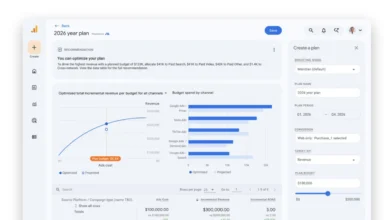
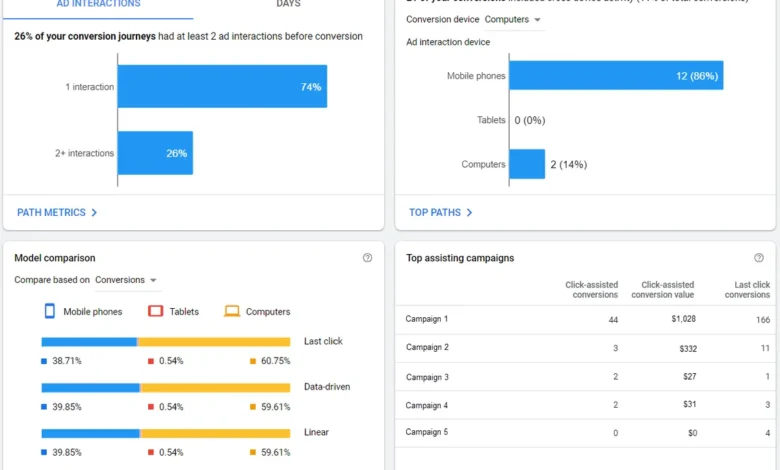
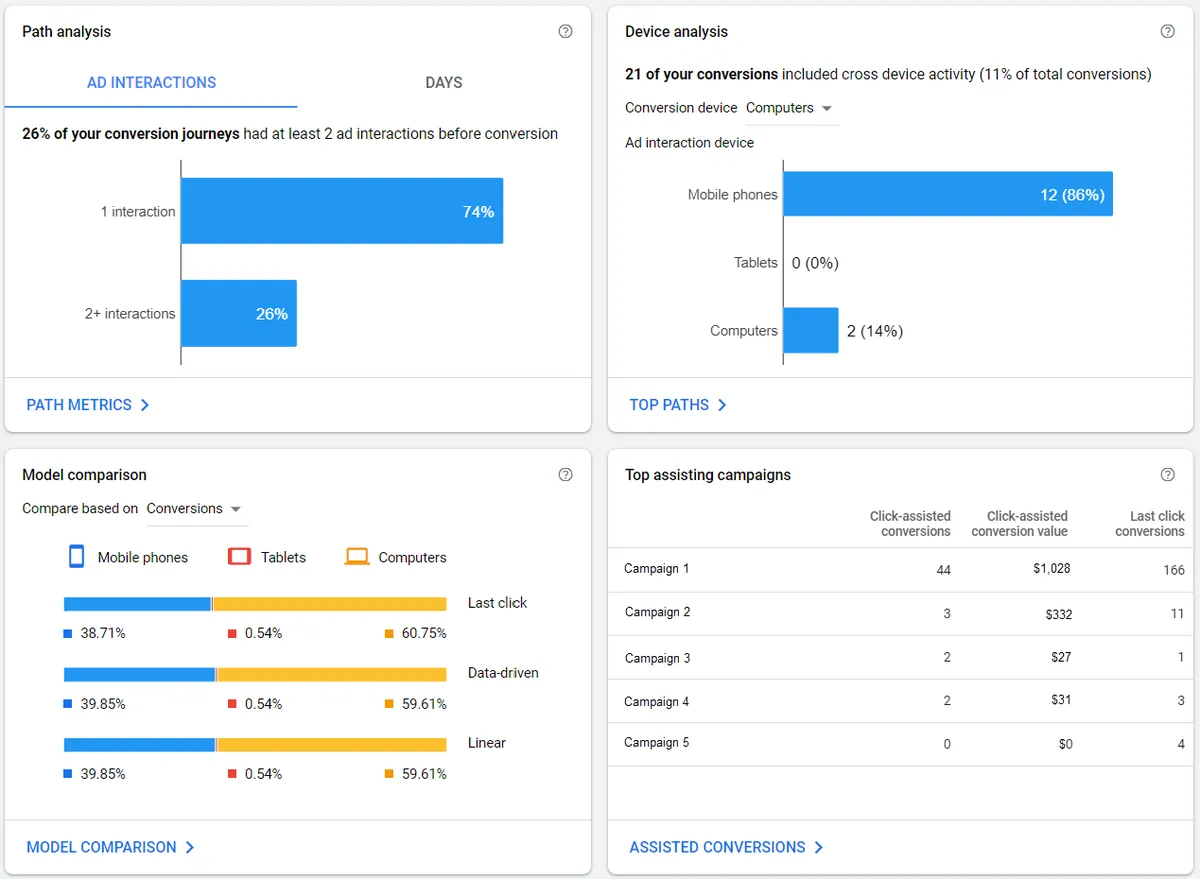
Google Ads introduced a revamped interface for attribution reporting to simplify these complex data sets. By providing a clear visual dashboard, the platform allows marketers to map the customer cycle more effectively. More importantly, the integration of data-driven attribution (DDA) represents a technological shift from legacy "last-click" models. DDA utilizes machine learning algorithms to assign fractional credit to each interaction within a user’s journey. For example, a consumer might search for a product on their mobile device during a commute, research it on a tablet during lunch, and finally purchase it on a desktop at home. Data-driven attribution captures these disparate signals, providing a holistic view of campaign performance that is far more accurate than traditional, static methodologies. This level of granular insight is essential for businesses experiencing surges in mobile-first behavior, as it prevents the premature cutting of top-of-funnel ads that are actually fueling later conversions.
Leveraging Analytics for Real-Time Insights
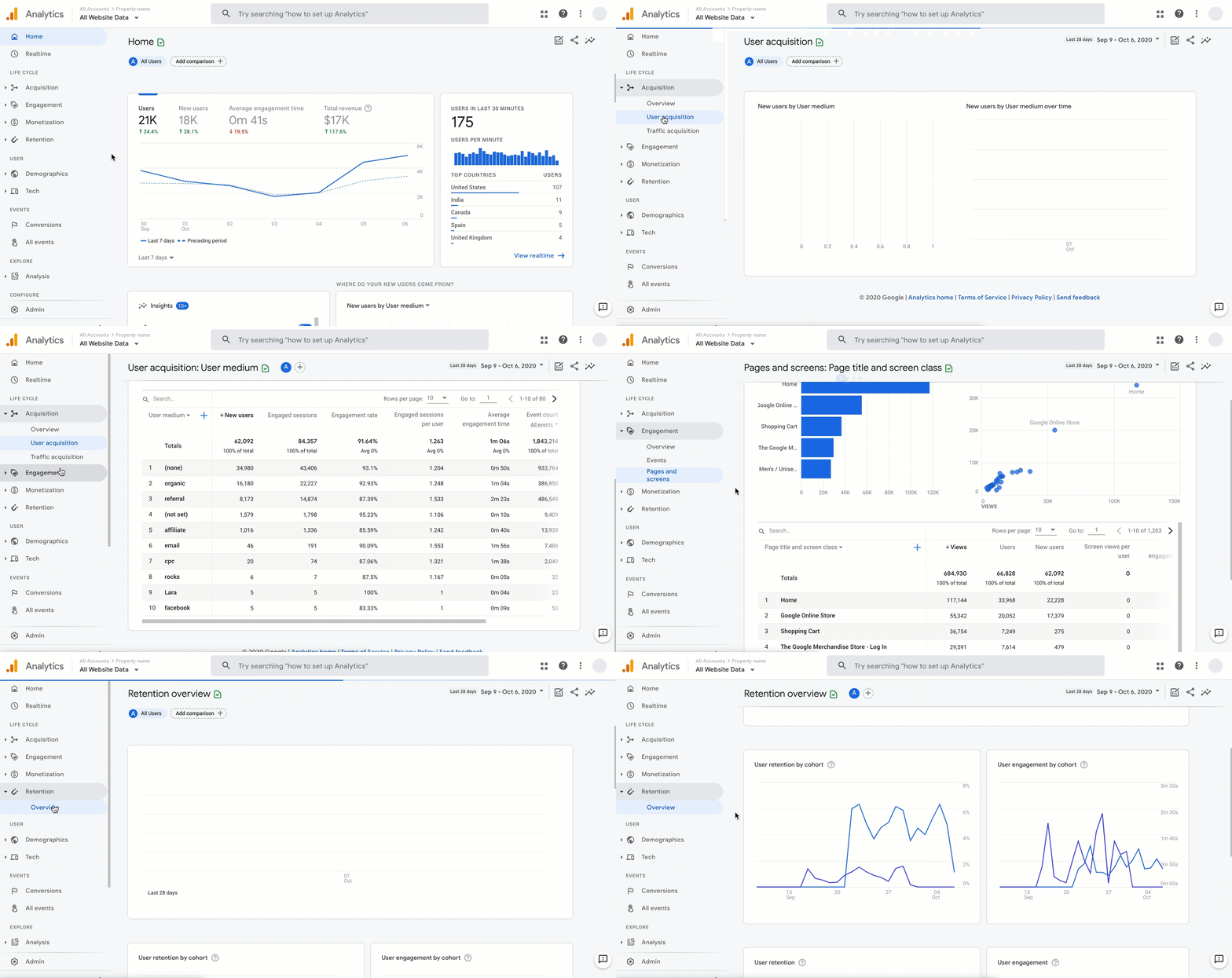
While attribution handles the "how" of customer conversion, Google Analytics provides the "where" and "what" regarding user behavior on websites and applications. During the pandemic, the velocity of change meant that monthly reports were effectively useless; companies required daily, actionable insights.
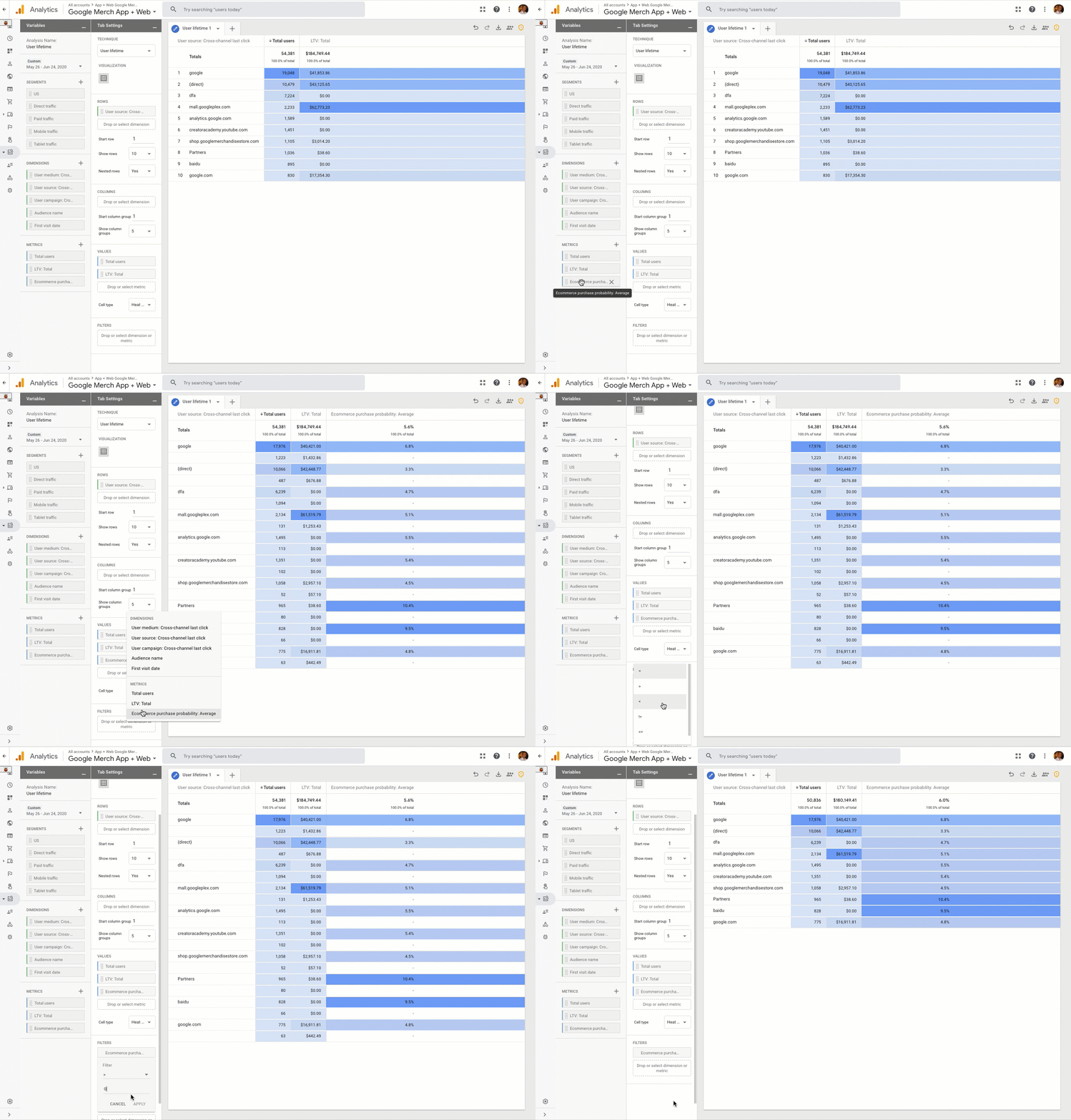
To meet this need, Google promoted the use of reporting shortcuts within Analytics. These shortcuts allow users to bypass the cumbersome navigation of standard dashboards, providing instant access to critical KPIs such as weekly conversion rates, bounce rates, and session duration. By comparing these figures over a 60-day window, managers can identify if specific landing pages are failing to convert traffic or if the customer journey is experiencing technical friction—a vital consideration as mobile traffic became the primary gateway for retail engagement.

Visualizing Business Performance with Data Studio
The ability to interpret data is only as valuable as the ability to communicate it to stakeholders. In many organizations, the disconnect between data analysts and executive leadership became a bottleneck during the crisis. Google Data Studio emerged as the bridge, enabling teams to create automated, visual reports that track performance trends without the need for advanced coding skills.
Curated marketing templates allow businesses to monitor daily online sales across various campaigns. By aggregating data from Google Ads and other sources into a single, intuitive interface, businesses can quickly identify which channels are providing the best Return on Ad Spend (ROAS). If a particular campaign is underperforming, the transparency provided by Data Studio allows for the rapid reallocation of budgets, ensuring that marketing spend is always directed toward high-yield activities. This is not merely an optimization exercise; it is an essential survival strategy in a period of restricted liquidity.
Website Agility and the Role of Google Optimize
Beyond measurement, the ability to communicate changing operational realities to the consumer—such as modified store hours, new shipping protocols, or safety measures—became a significant operational burden. Many small-to-medium enterprises lacked the internal development resources to push these updates to their sites quickly.
Google Optimize provided a solution that bypasses the need for permanent code changes. By allowing site owners to deploy banners and informational overlays directly through the platform, businesses could communicate with their customers in real time. Furthermore, by removing the limitation on site personalizations—a temporary measure extended to mid-2020—Google empowered businesses to conduct more extensive A/B testing and provide tailored user experiences. This capability is instrumental in maintaining customer trust; when a brand can clearly and immediately inform a user about changes to their service, it prevents the frustration that leads to brand abandonment.
The Broader Implications of Data-Driven Strategy
The integration of these tools suggests a permanent shift in how businesses interact with the digital ecosystem. The reliance on first-party data and internal measurement tools is no longer a luxury for large enterprises; it is a baseline requirement for any organization participating in the digital marketplace.
The implications for the future of marketing are clear: agility is the new currency. Businesses that successfully transitioned to these data-centric models during the pandemic have reported greater resilience in the face of subsequent market shifts. By utilizing machine learning for attribution and visualization tools for trend analysis, firms have moved from reactive crisis management to proactive strategy optimization.
However, this transition also highlights the need for continuous education. As Google updates its algorithms and tools, the burden of competence rests on the marketing professional. The official guides and support documentation provided by Google serve as a repository of best practices, but the successful implementation of these tools requires a culture of continuous learning. Organizations must foster an environment where team members feel empowered to experiment with new reporting features, test different attribution models, and optimize site messaging on the fly.
Conclusion
The landscape of consumer behavior will continue to fluctuate as global markets adjust to new norms and technological advancements. The suite of free tools offered by Google—from the sophisticated machine learning of Data-Driven Attribution to the intuitive site management of Optimize—provides a robust framework for navigation. By mastering these tools, businesses are not just responding to the immediate pressures of the market; they are building the analytical infrastructure necessary for long-term growth and stability. In an era where information is abundant but clarity is scarce, the ability to extract actionable insights from raw data remains the most significant competitive advantage a business can possess. The tools exist to turn uncertainty into clarity; it is the strategic application of these resources that will define the leaders of the next digital cycle.